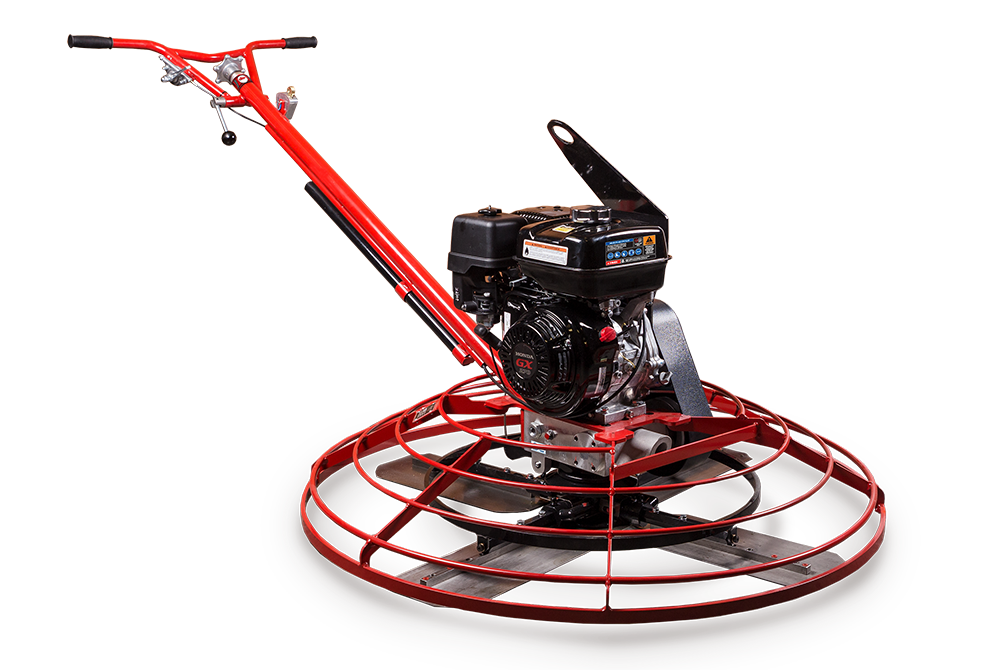

40+ in Walk-Behind Power Trowel
The 40+ in walk-behind power trowel represents the widest class of single-operator walk-behind machines, spanning 46 to 48 inches in working width. These machines deliver maximum coverage per pass on large commercial slabs where finishing speed directly determines whether crews complete the work before the concrete sets. As the top rung of the walk-behind ladder, this class bridges the gap to ride-on equipment for contractors who need maximum productivity from a pedestrian machine.
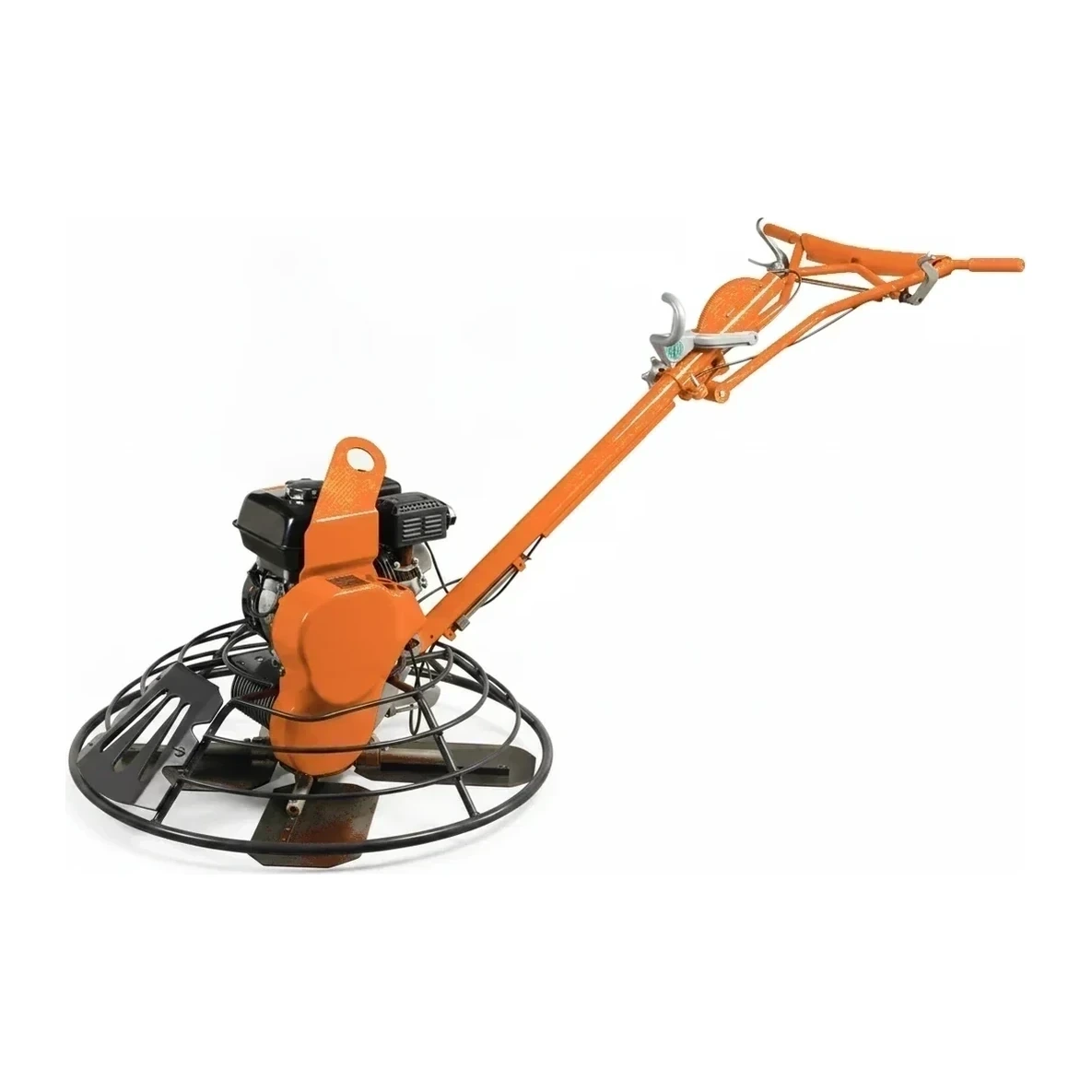
Cat classes
Elija una clase de tamaño: la capacidad y el alcance varían en la gama.
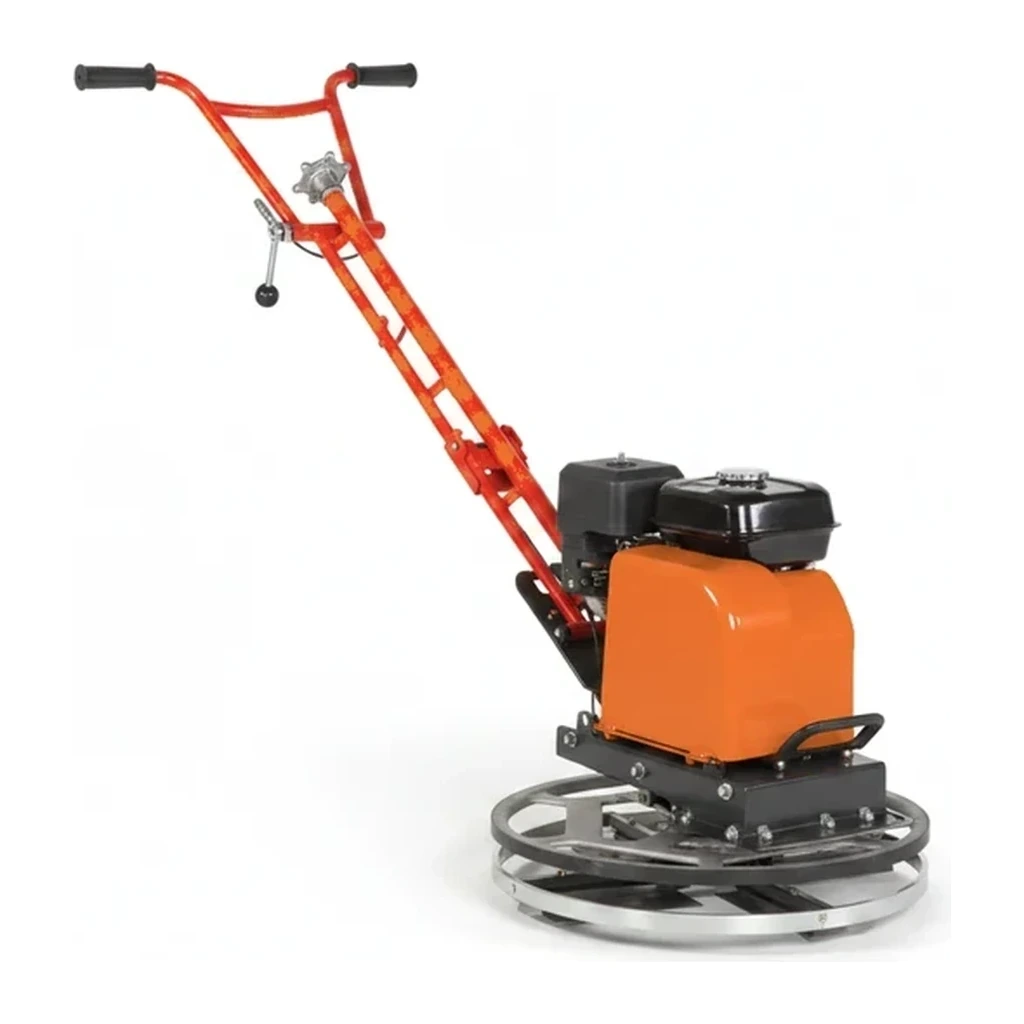
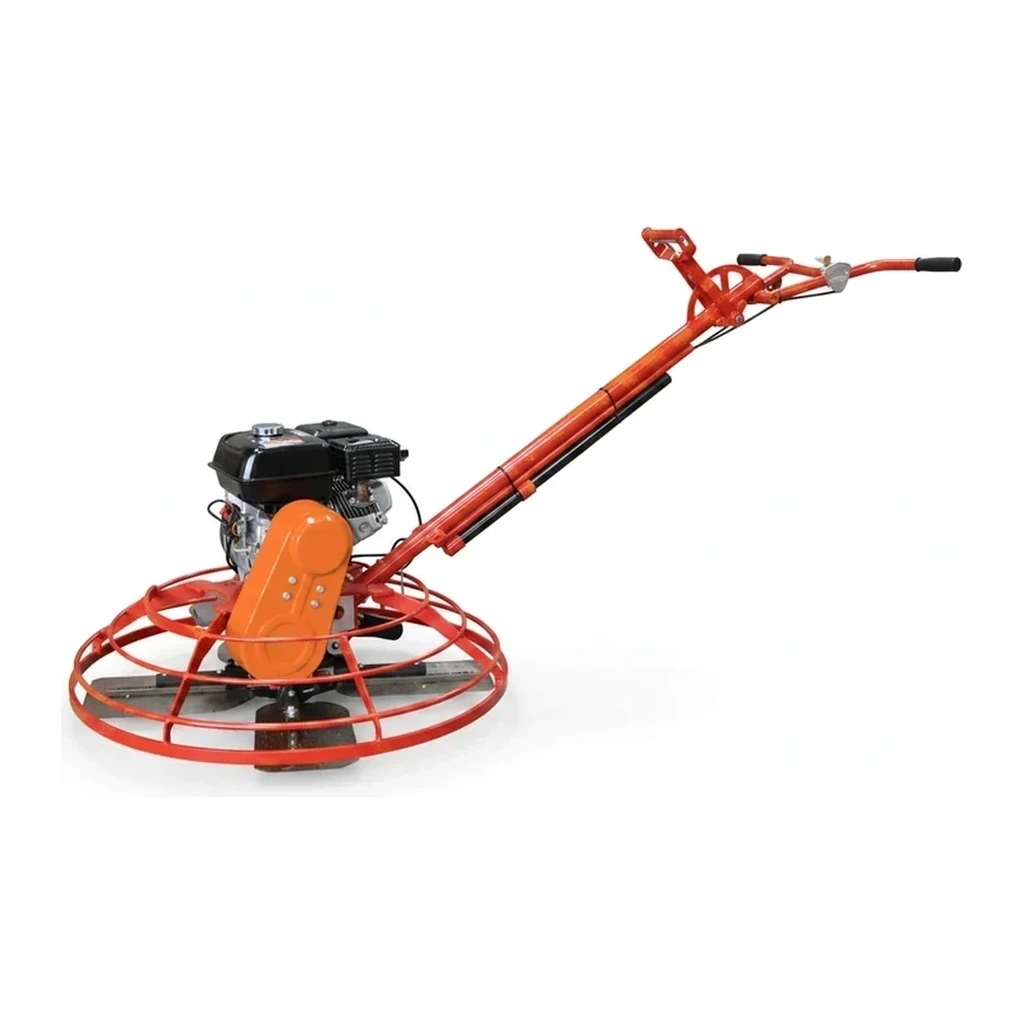
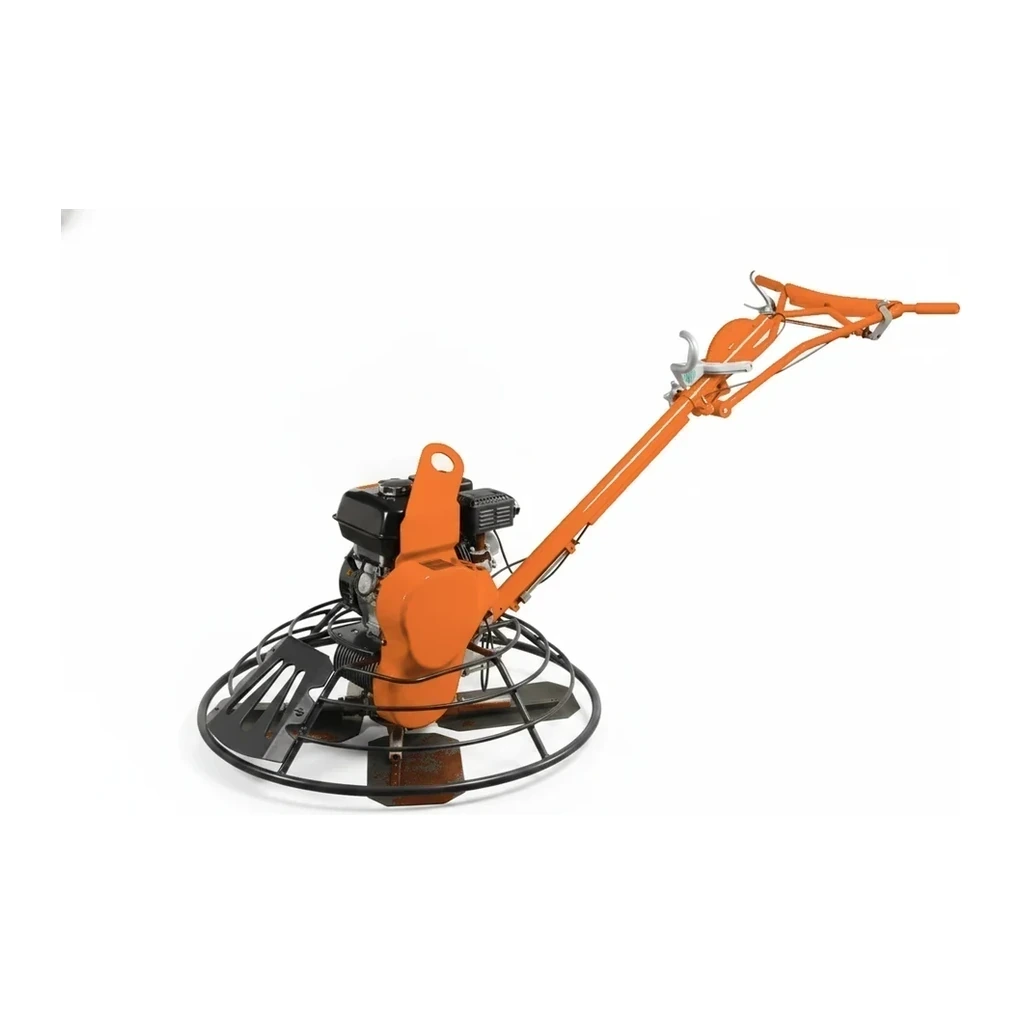
Especificaciones clave
| Especificación | Rango típico | Qué significa |
|---|---|---|
| Trowel width | 46–48 in (117–122 cm) | Widest walk-behind working diameter; maximizes square footage finished per pass on open commercial floors. |
| Engine power | 8-13 hp | Higher horsepower required to drive wider blade assemblies through finishing phases at commercial production rates. |
| Blade pressure | 0.5-78 psi | Wide adjustable range supports both initial floating with pans and final hard-trowel finishing passes. |
| Weight with pan | 330 lb (150 kg) | Heavier frame mass stabilizes the wide blade span and provides downforce during finishing operations. |
Cómo elegir
The 40+ in class is appropriate for large commercial slabs, warehouse floors, distribution centers, big-box retail, where crew size is limited and every linear foot of coverage per pass affects whether the team finishes before concrete hardens beyond workability. On pours exceeding 10,000 square feet with adequate open space, the wider arc reduces operator fatigue and labor hours compared to smaller machines. For projects under 5,000 square feet, tighter spaces, or residential work, the 30-40 in Walk-Behind Power Trowel offers better maneuverability without sacrificing finish quality. When floor area exceeds 20,000 square feet and the layout permits, ride-on trowels become more efficient than any walk-behind class.
Lo que maneja este tamaño
- Warehouse and distribution center floor slabs with minimal interior obstructions
- Big-box retail spaces requiring fast finishing across wide open bays
- Large commercial garages and service facilities with multi-thousand-square-foot pours
- Industrial manufacturing floors where crew size is constrained but area is extensive
- Tilt-up building interiors after walls are erected and floor space is continuous
- Municipal and institutional projects with labor agreements limiting ride-on equipment
Seguridad y operación
- Rotating blade guards and dead-man controls standard; operators must maintain secure footing on wet concrete during all passes
- Extended handle reach requires attention to surroundings; 46-48 in arc demands clearance from columns, walls, and other trades
- Higher engine torque and blade inertia increase kickback risk if blades contact rebar, form stakes, or hardened concrete edges
- Hearing protection and steel-toed boots essential; vibration and noise levels elevated compared to smaller walk-behind classes
Transporte y logística
- Light-duty trailer or pickup bed transport; 330 lb weight allows two-person manual loading with ramps
- Standard 5×8 ft utility trailer accommodates the 46-48 in diameter with tailgate clearance
- Tow vehicle requirements minimal; any half-ton truck or van handles the load on flat or tandem-axle trailers
Alimentación
- Gasoline engines in the 8-13 hp range; machines operate on regular unleaded fuel supplied in portable cans or site tanks
- Fuel consumption proportional to slab size and finishing duration; 5-gallon reserve typical for full-shift commercial pours
- No electrical hookup required; engines provide self-contained power for all finishing phases from float to hard trowel
Preguntas frecuentes
When does a 46-48 in walk-behind justify the added weight and cost over a 36 in model?
What slab size makes a ride-on trowel more efficient than the widest walk-behind?
Can a 46-48 in walk-behind finish edges and corners as effectively as narrower models?
Comparar modelos populares
Buscar por especificación →Normalizado a las mismas unidades. Un guion significa que el valor no fue publicado.
| Modelo | Potencia del motor | Peso operativo |
|---|---|---|
| Multiquip B46H90 | - | 278 lb (126 kg) |
| Multiquip B46B90 | - | 278 lb (126 kg) |
| Multiquip B46H11H | - | - |
| Multiquip HPHA46 | 11 hp | - |
| Allen Engineering PRO446 | 9 hp | - |
| Kushlan KPT48 | - | - |
Equipos relacionados
Explorar por fabricante
Fuentes
Cada especificación se verifica con los datos publicados por el fabricante, con la fuente enlazada como referencia.
40+ in Walk-Behind Power Trowel
14 modelos · Cada especificación citada a la fuente