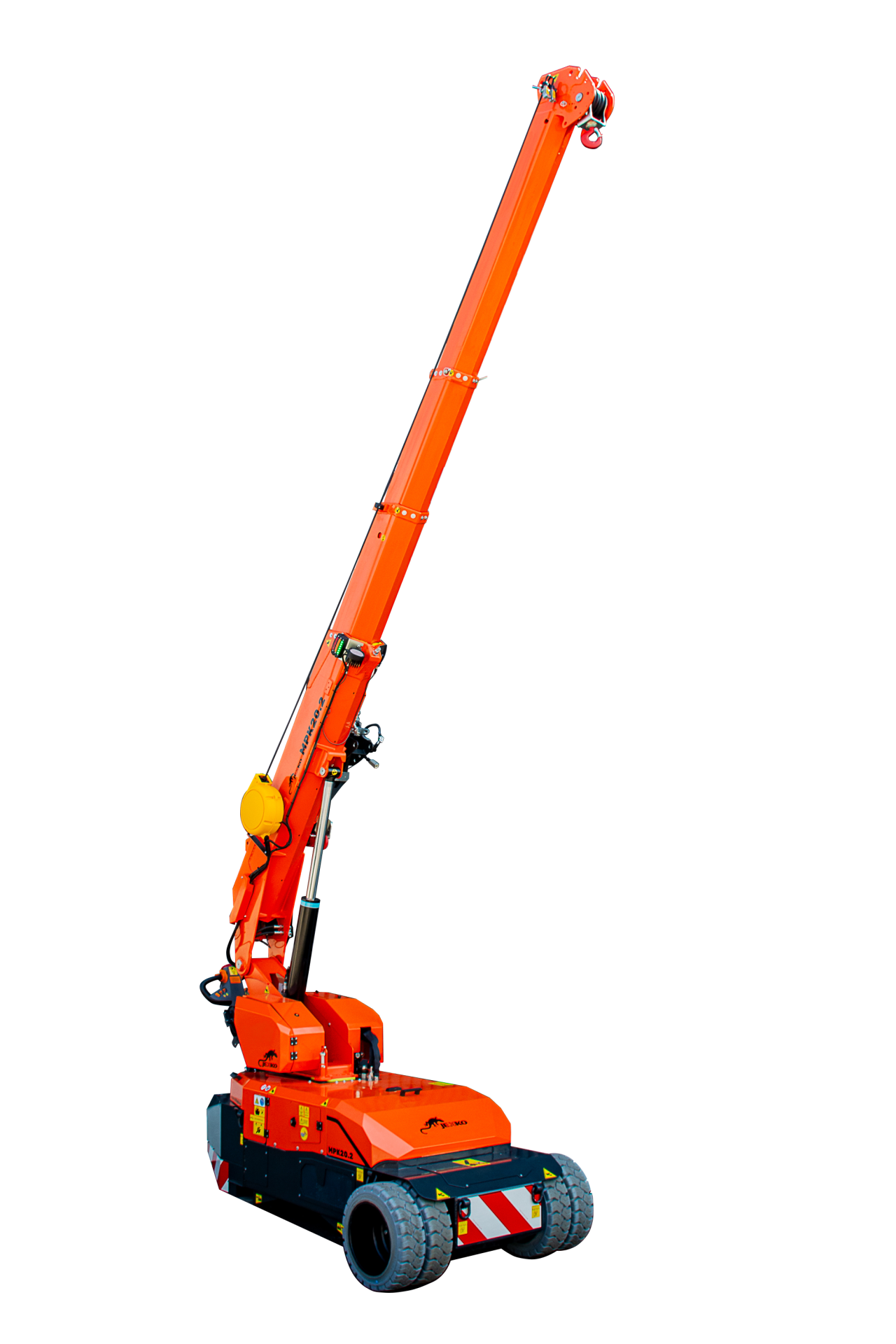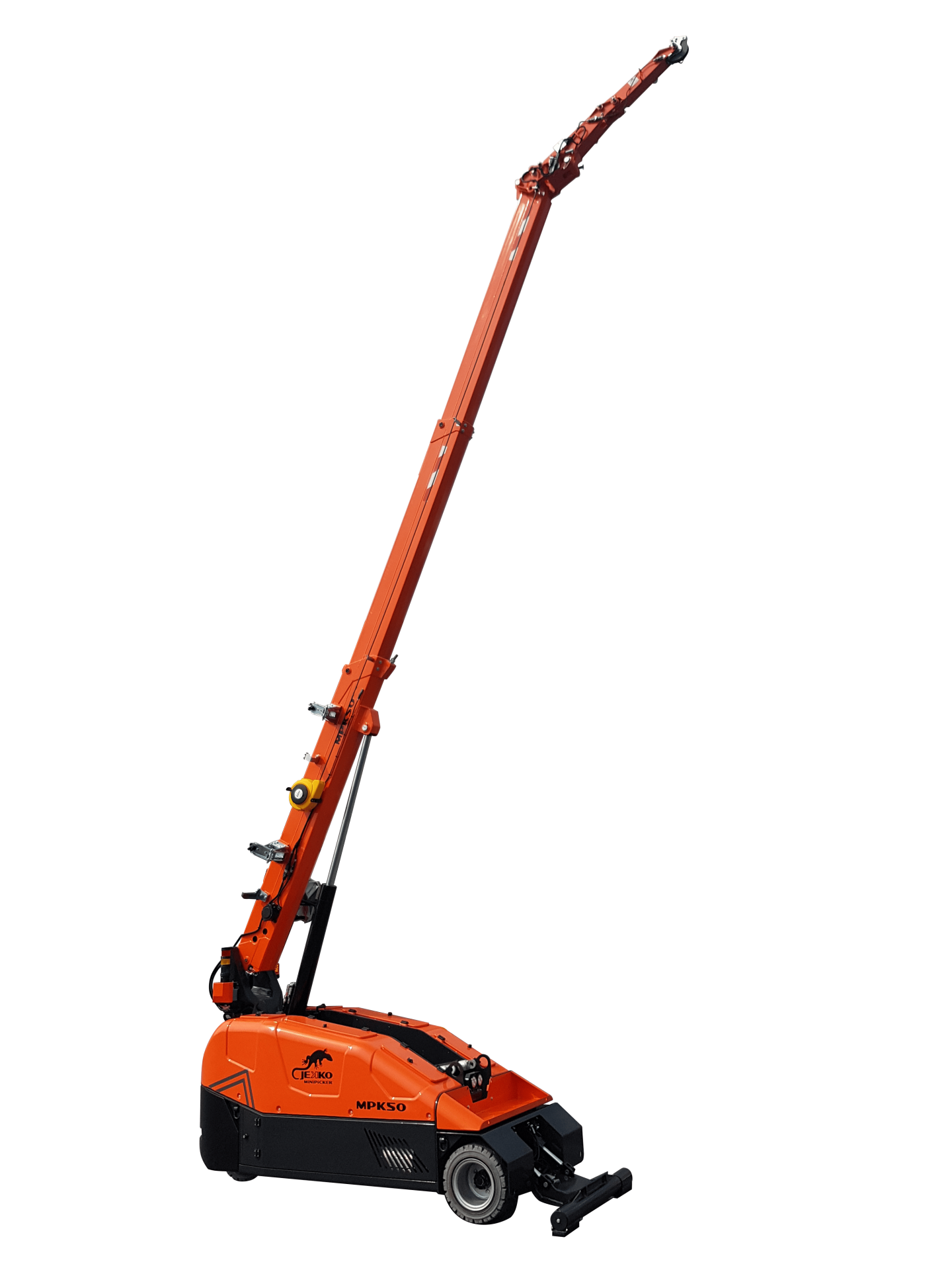

Up to 9 ton Carry Deck Crane
Up to 9 ton carry deck cranes are compact, self-propelled industrial cranes designed to drive around plant floors and confined spaces with loads riding on the deck. These machines combine a hydraulic boom crane with a load-carrying platform, enabling millwrights and maintenance crews to pick, transport, and set equipment within a facility. This is the smallest rung on the carry deck crane ladder, below 9-15 ton models.
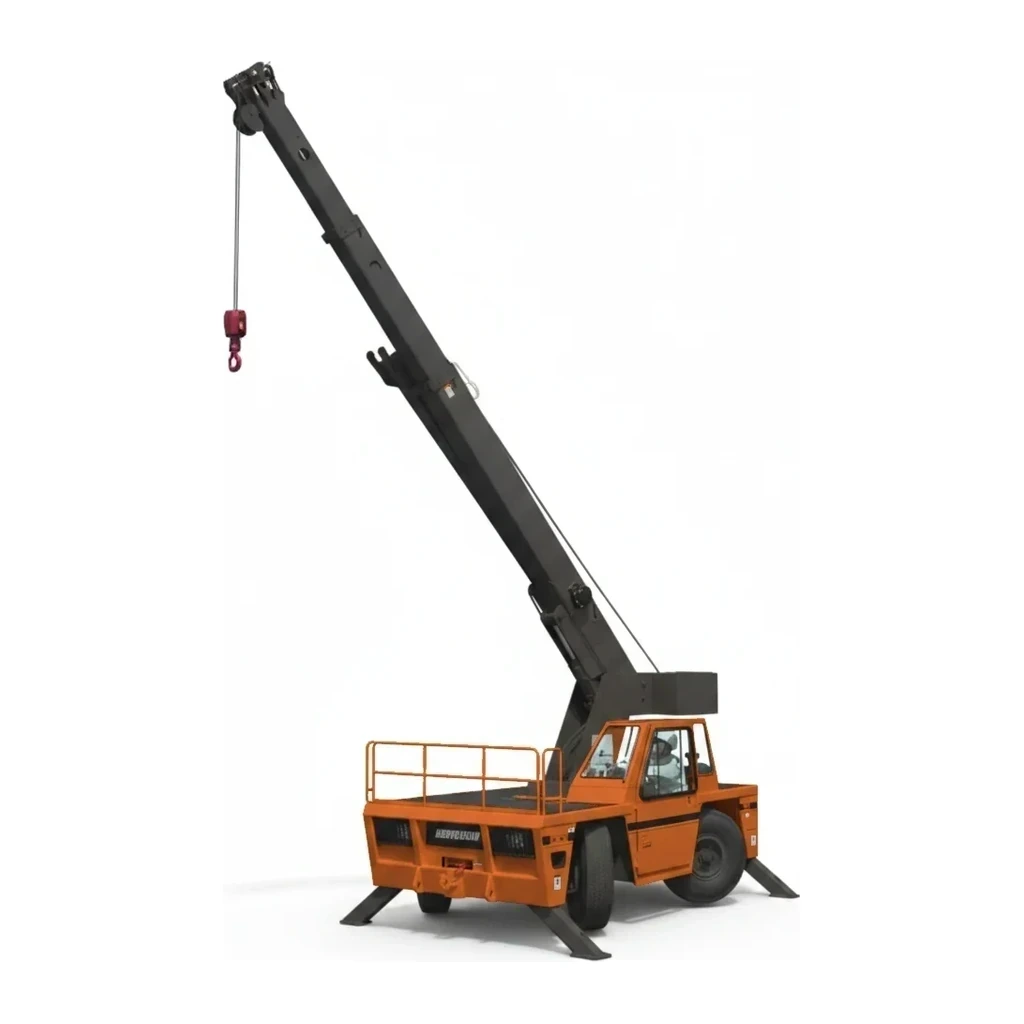
Cat classes
Elija una clase de tamaño: la capacidad y el alcance varían en la gama.
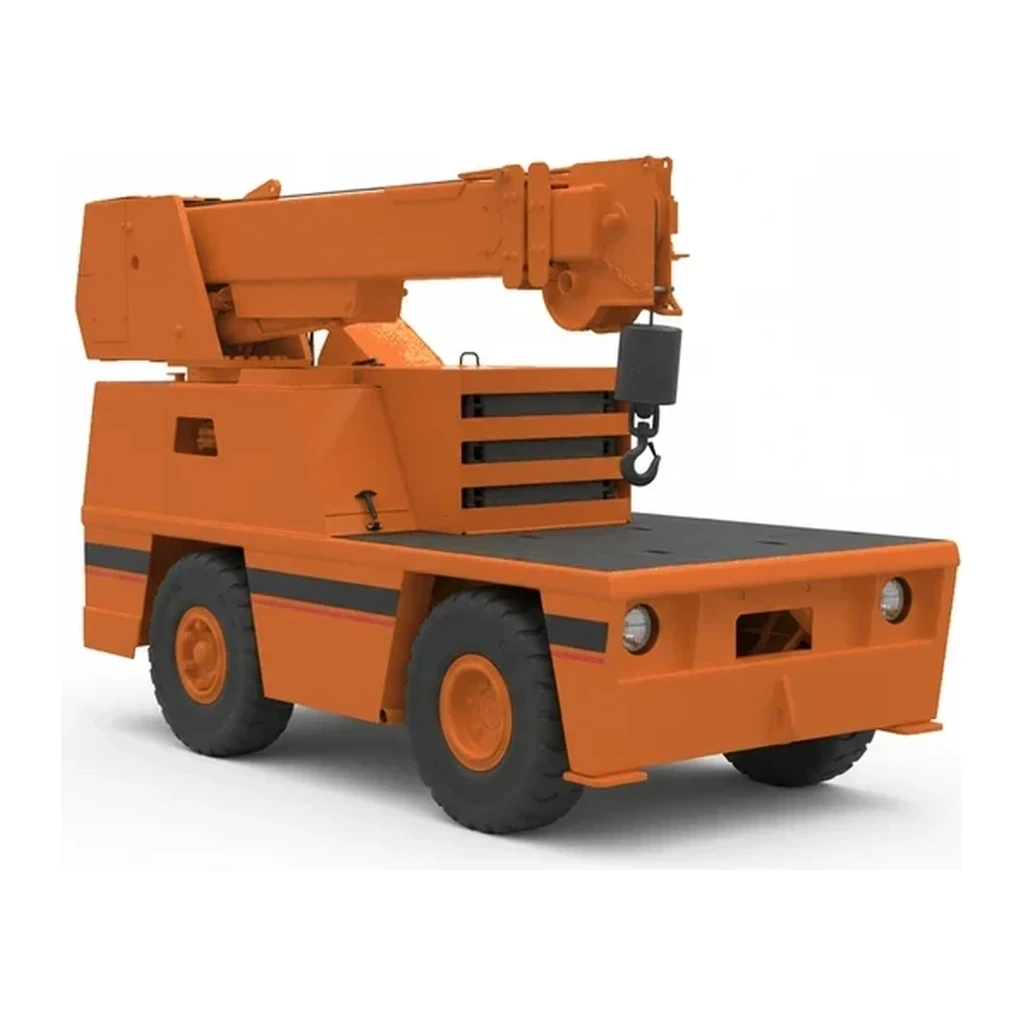
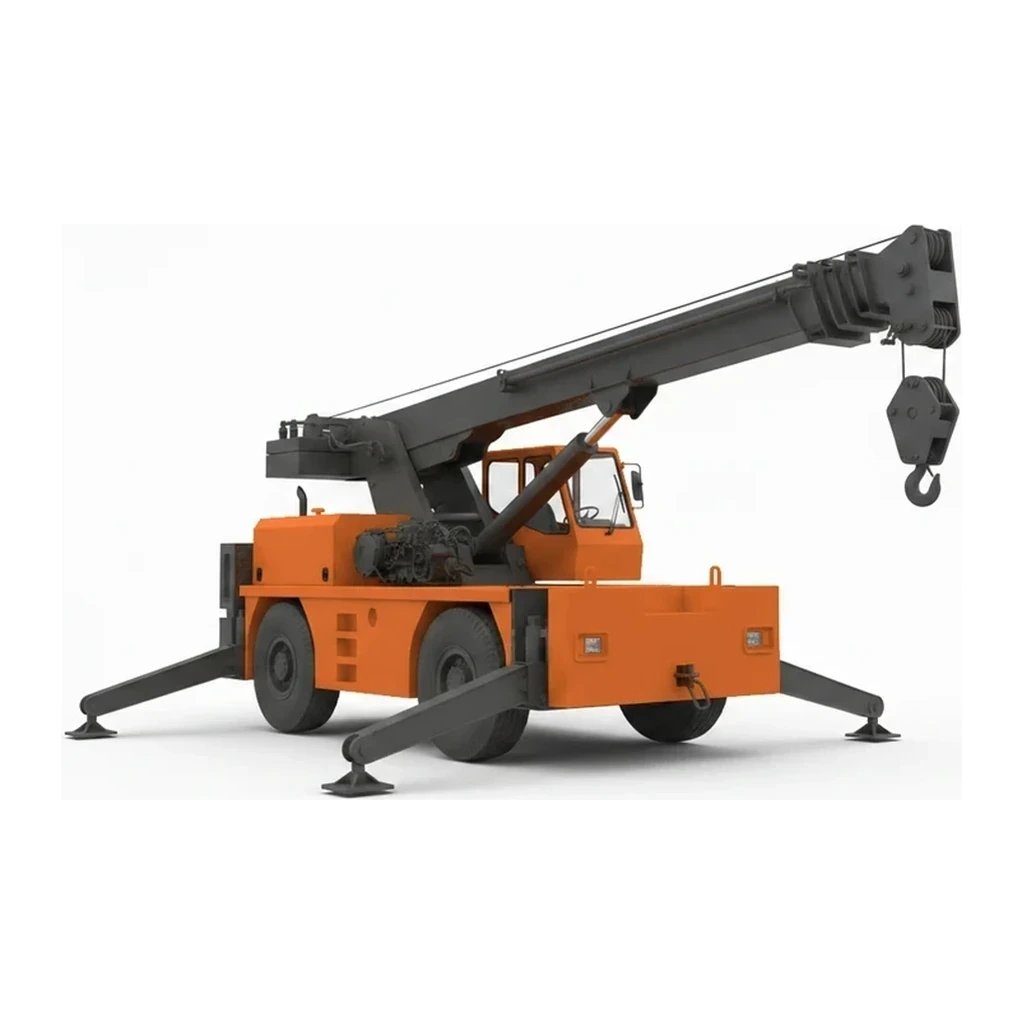
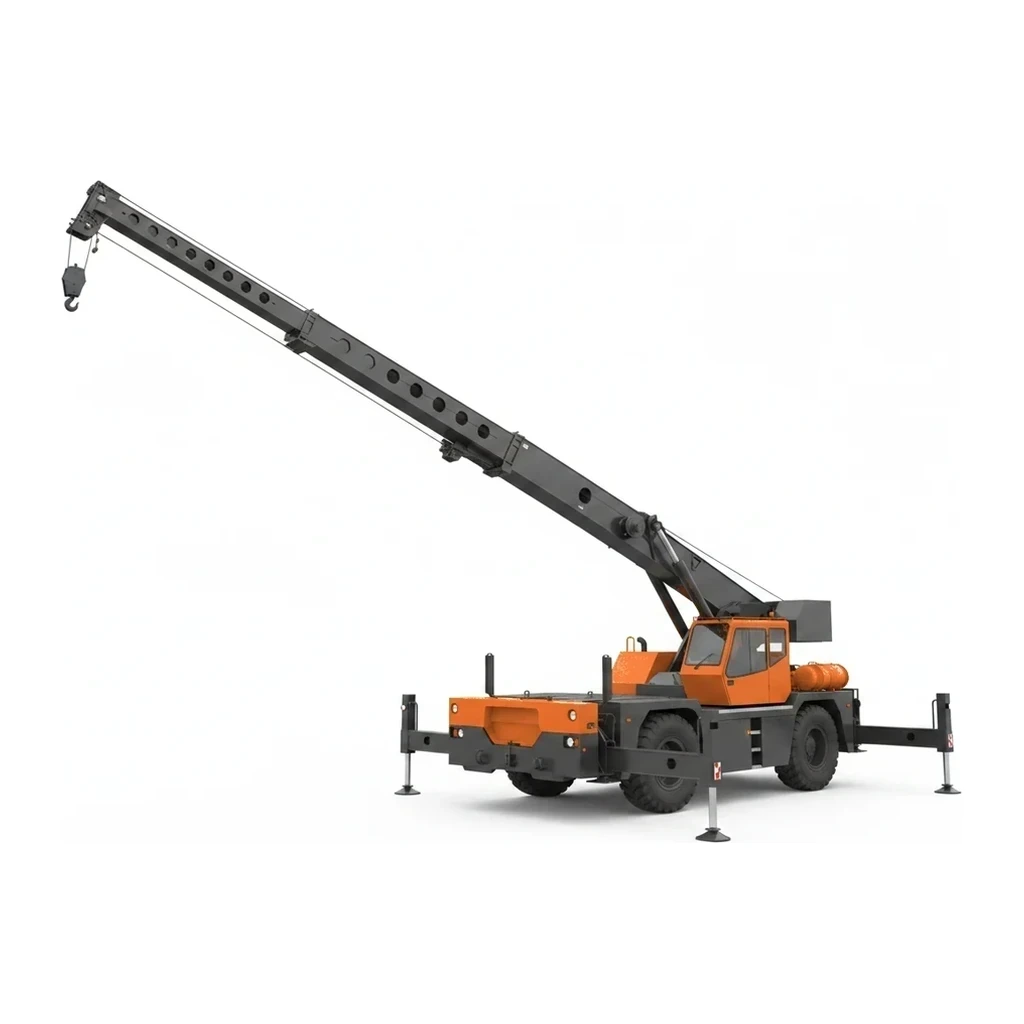
Especificaciones clave
| Especificación | Rango típico | Qué significa |
|---|---|---|
| Lifting capacity | 2-8 ton | Maximum load the crane can lift and carry on its deck |
| Max reach | 15–19 ft (4.6–5.8 m) | Horizontal distance the boom can extend from the chassis centerline |
| Deck space | Platform for carrying loads while traveling | Integrated deck allows driving with the load secured rather than rigging for every move |
| Maneuverability | Compact footprint for plant-floor navigation | Four-wheel steering and tight turning radius enable work in congested industrial environments |
Cómo elegir
Up to 9 ton carry deck cranes suit routine plant maintenance, machinery relocation, and equipment installation where loads remain under 8 tons and working radius stays within 19 feet. These machines excel in confined indoor spaces, production floors, pump rooms, mechanical areas, where driving short distances with the load on deck eliminates repeated rigging. For heavier process equipment, transformers, or structural steel exceeding 8 tons, the 9-15 ton Carry Deck Crane class provides greater capacity and reach. Plants with predominantly light mechanical work, motors, gearboxes, small pumps, often find this smallest class sufficient for daily tasks.
Lo que maneja este tamaño
- Replacing HVAC units on manufacturing plant mezzanines
- Installing motors and gearboxes in confined mechanical rooms
- Relocating machine tools and assembly equipment across factory floors
- Servicing pumps and compressors in petrochemical facilities
- Setting small transformers and electrical switchgear
- Positioning process tanks and vessels in food-processing plants
Seguridad y operación
- Load charts specify capacity at each boom angle and extension; capacity decreases significantly as reach increases
- Operators must verify deck load is secured before traveling to prevent shifting during movement
- Four-wheel steering requires operator training to avoid tail-swing and tracking errors in tight spaces
- Overhead clearance and electrical hazard awareness critical in industrial environments with utilities and structures
Transporte y logística
- Typically self-propels onto standard flatbed or step-deck trailers without special permits
- Compact dimensions allow transport on single-axle equipment trailers for local moves
- Most units remain under 15,000 lb operating weight, simplifying logistics
Alimentación
- Diesel engines power both travel and hydraulic lifting functions
- Onboard fuel tanks support full-shift operation without refueling for typical plant-floor work
- No external electrical supply required; self-contained power system
Preguntas frecuentes
What distinguishes a carry deck crane from a rough-terrain or truck crane?
How does boom reach affect lifting capacity in this size class?
Can carry deck cranes in this class work outdoors?
Comparar modelos populares
Buscar por especificación →Normalizado a las mismas unidades. Un guion significa que el valor no fue publicado.
| Modelo | Capacidad de elevación | Alcance máx |
|---|---|---|
| Broderson IC-20 | 4,409 lb (2 t) | 15 ft (4.6 m) |
| Broderson IC-35 | 8,818 lb (4 t) | 19 ft (5.8 m) |
| Broderson IC-40 | 8,818 lb (4 t) | 19 ft (5.8 m) |
| Manitex 25E | - | 15 ft (4.6 m) |
Equipos relacionados
Explorar por fabricante
Fuentes
Cada especificación se verifica con los datos publicados por el fabricante, con la fuente enlazada como referencia.
Up to 9 ton Carry Deck Crane
15 modelos · Cada especificación citada a la fuente