
Concrete Scarifier and Planer
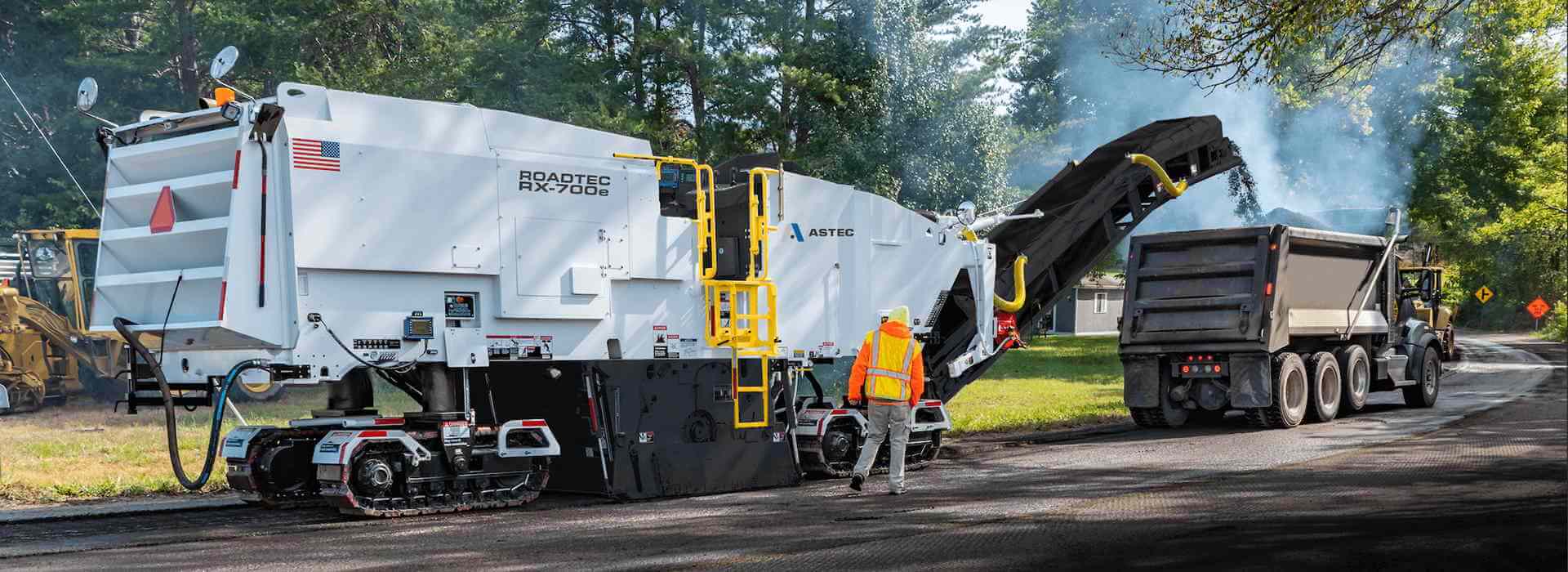
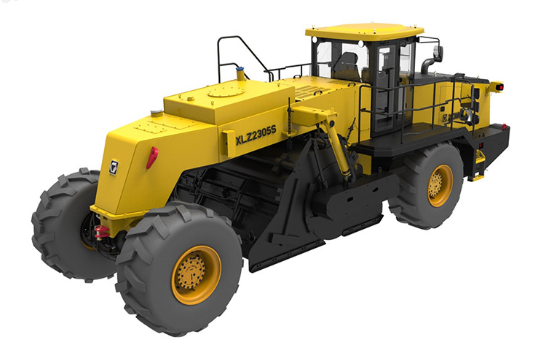
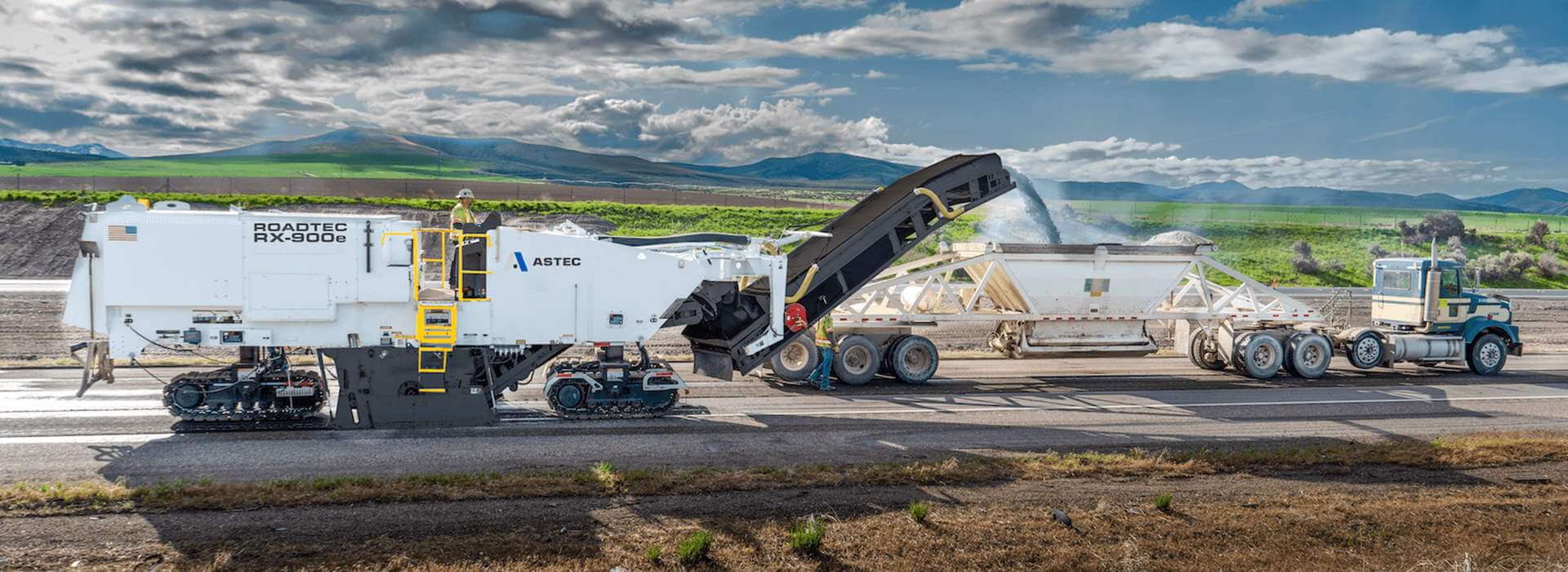
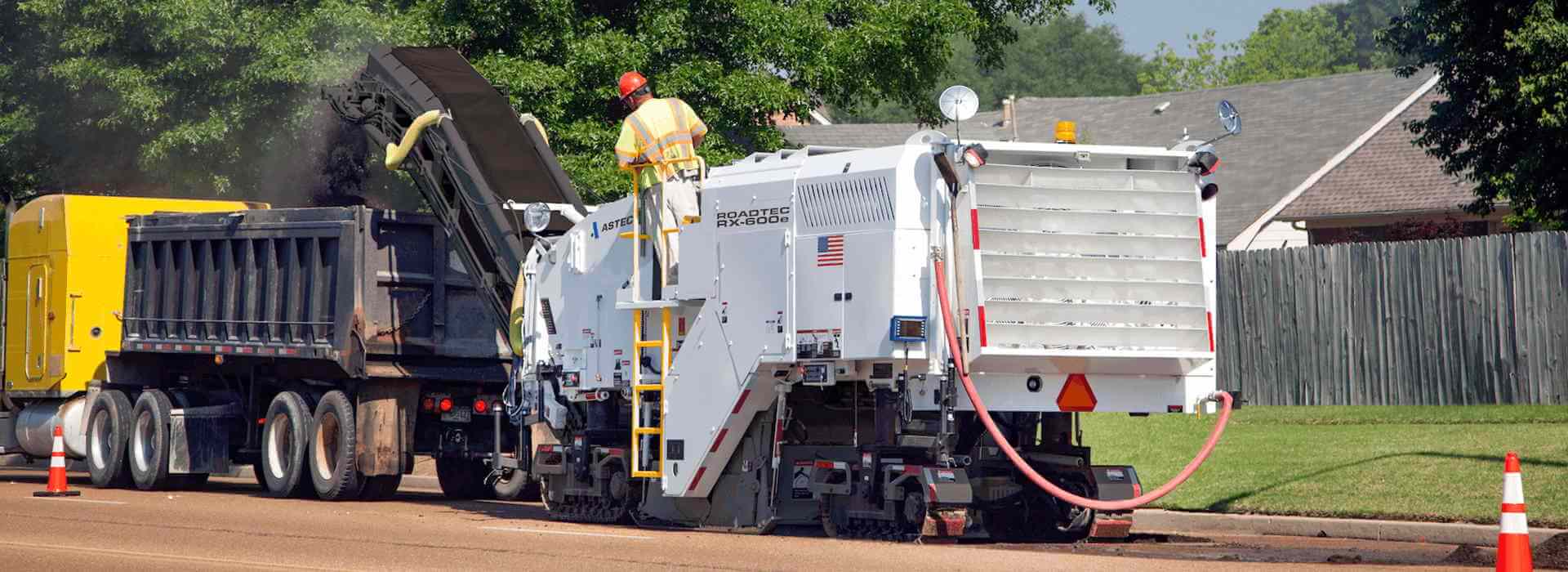
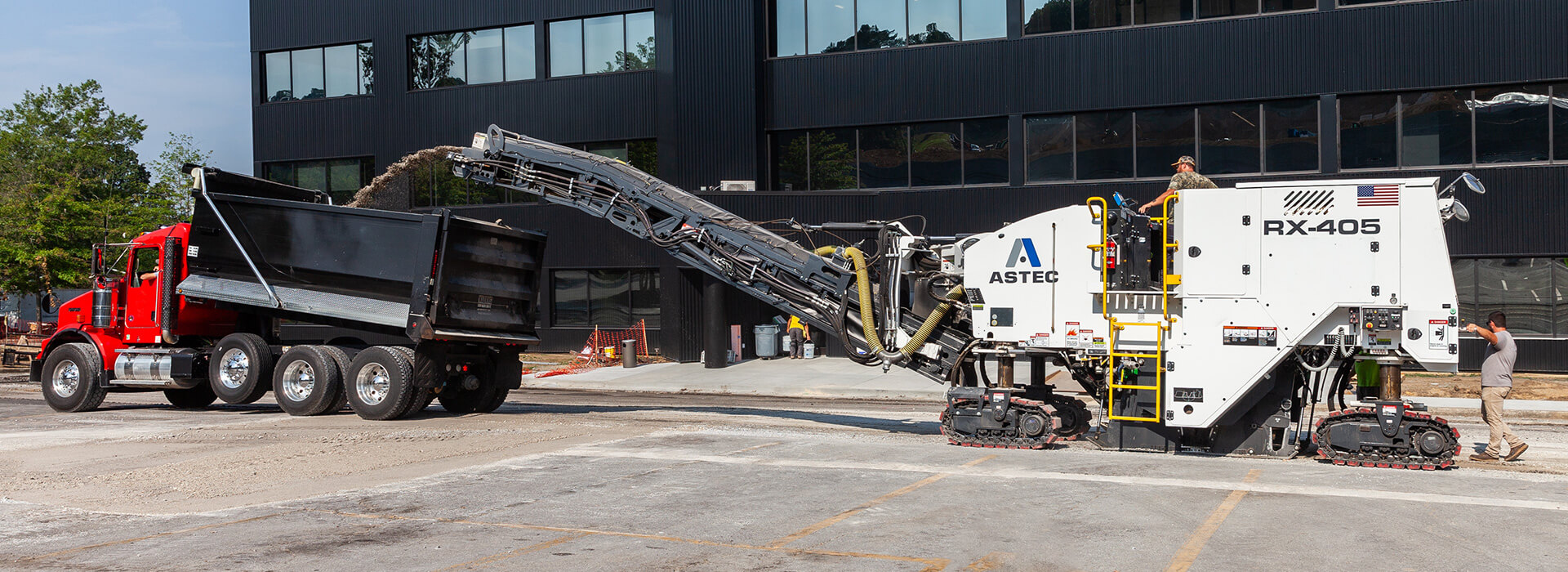
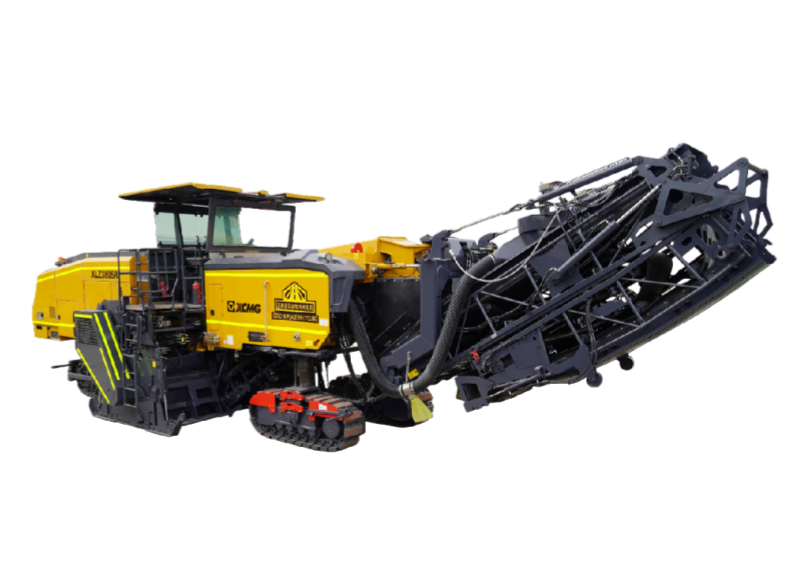
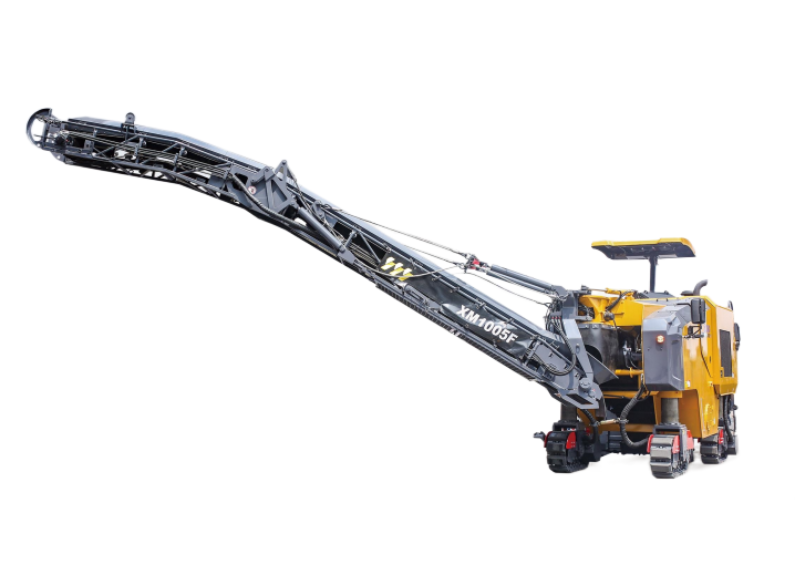
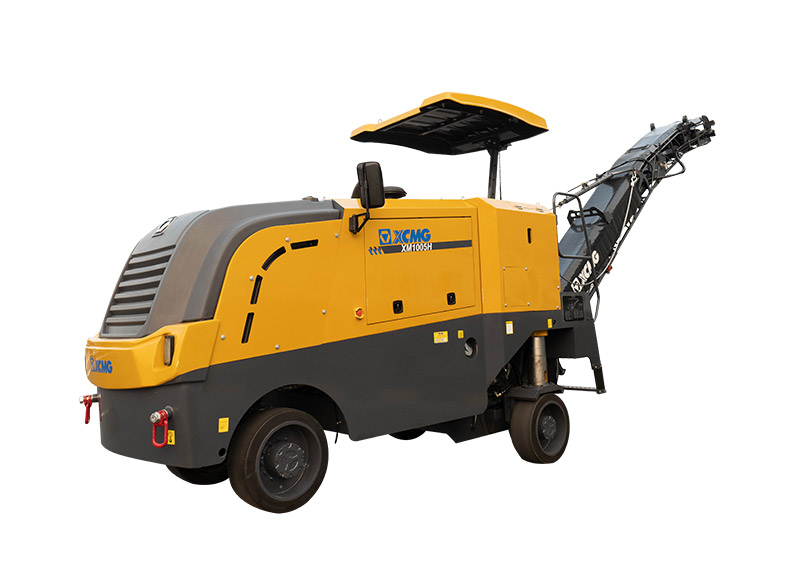
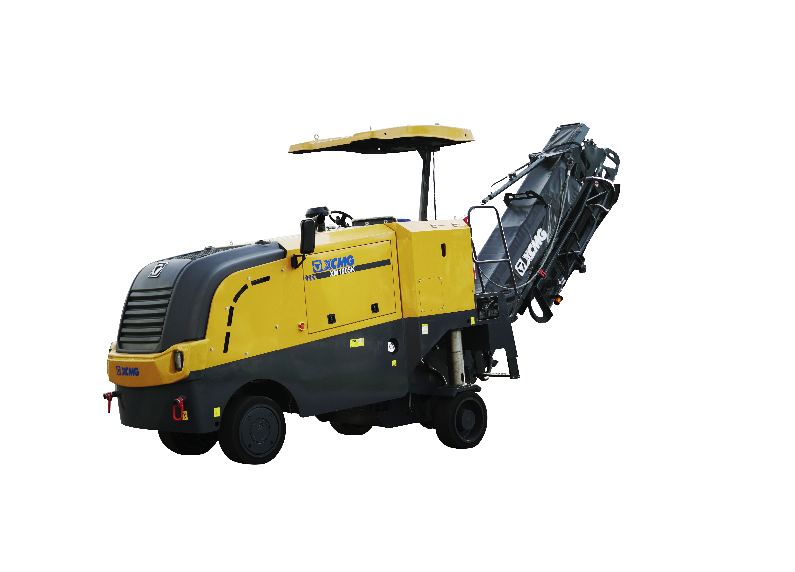
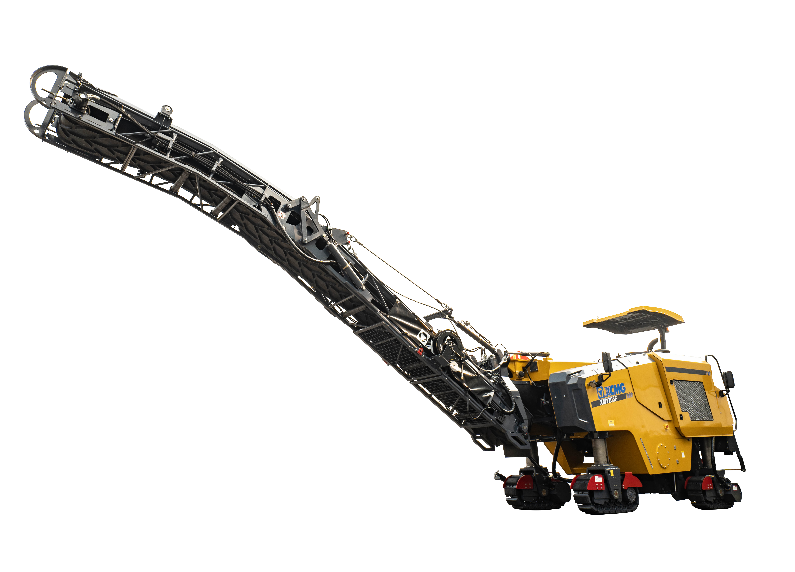
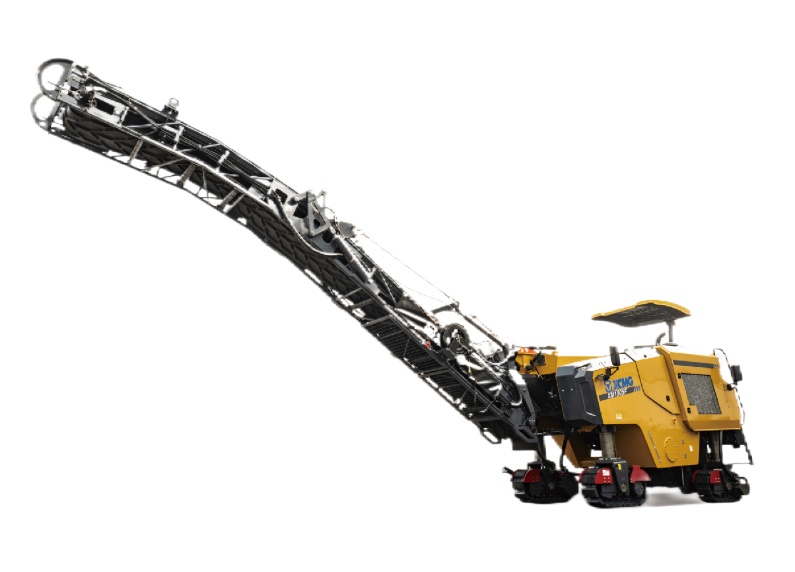
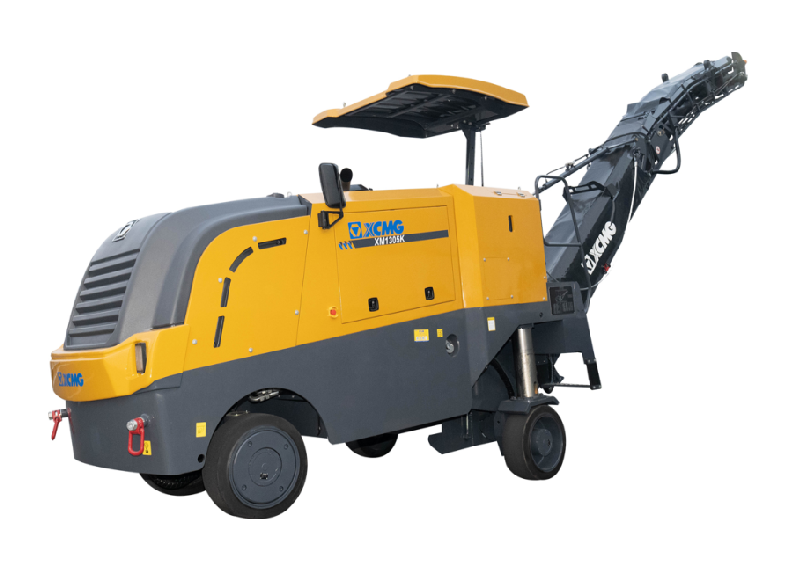
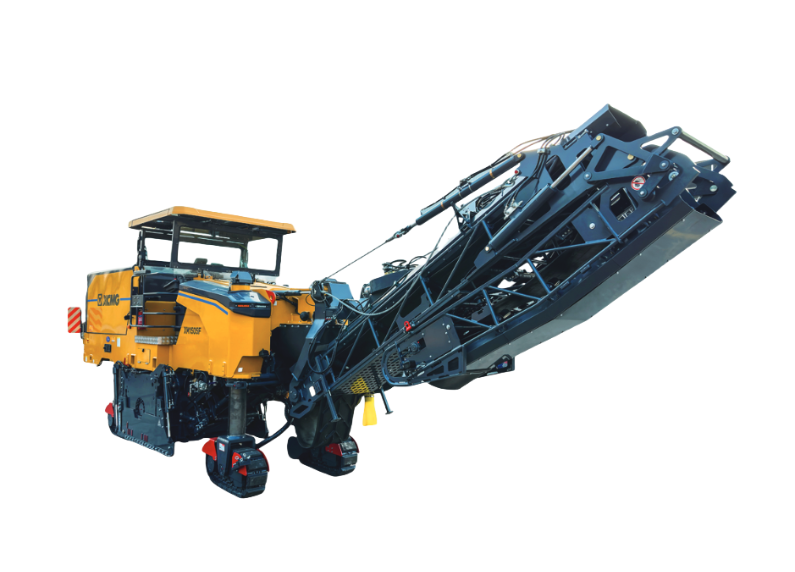
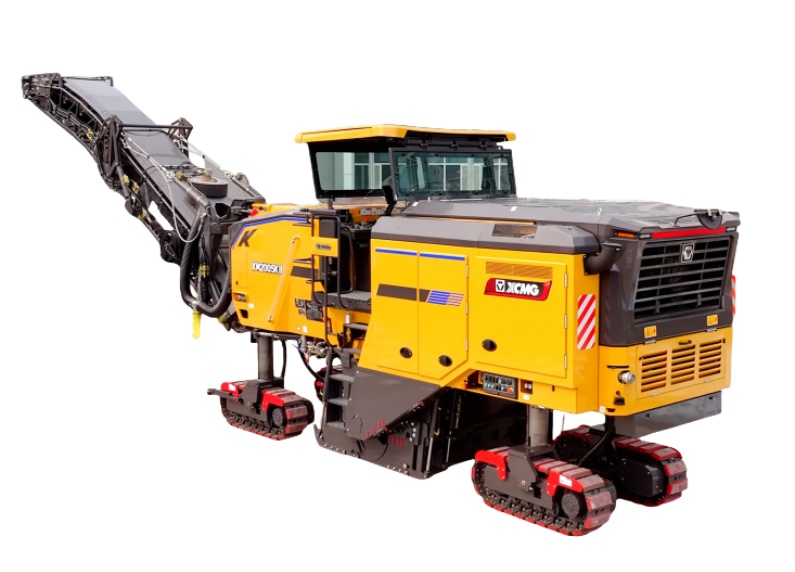
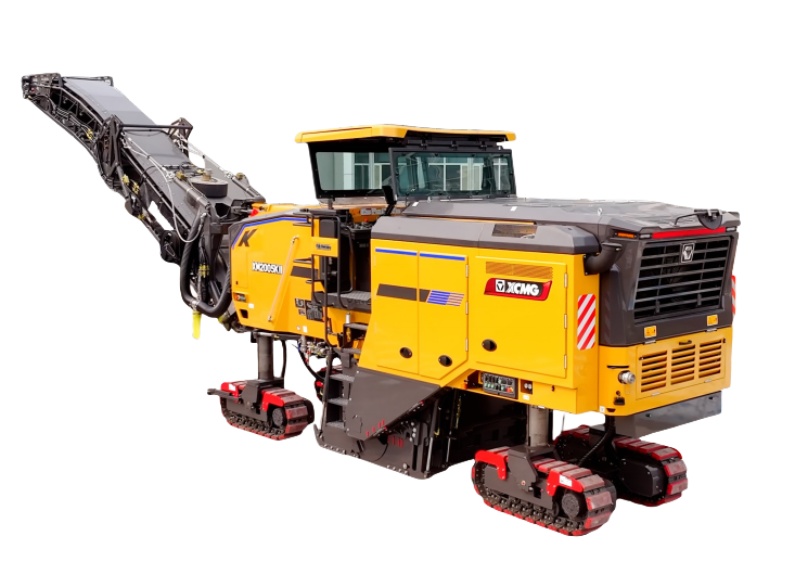
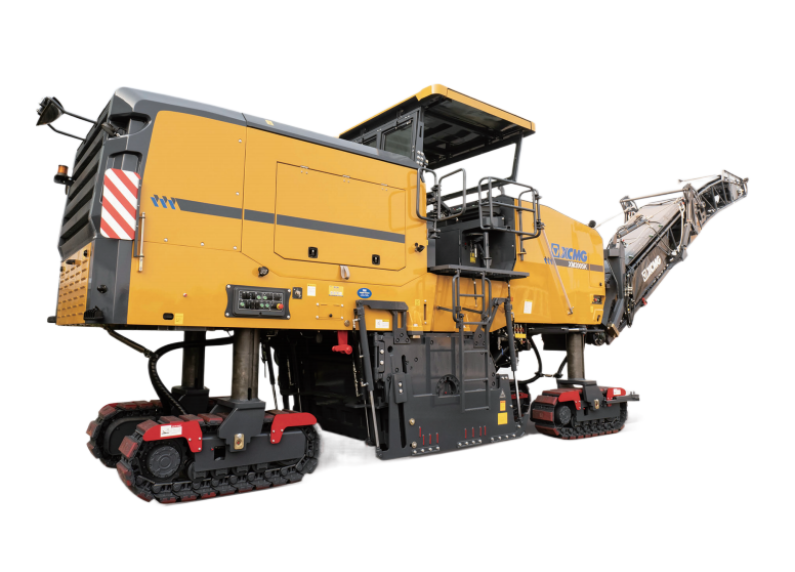
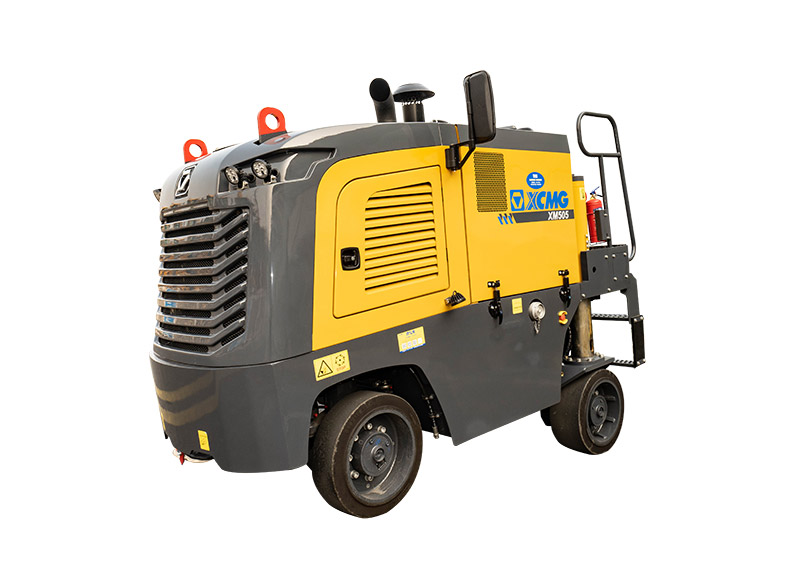
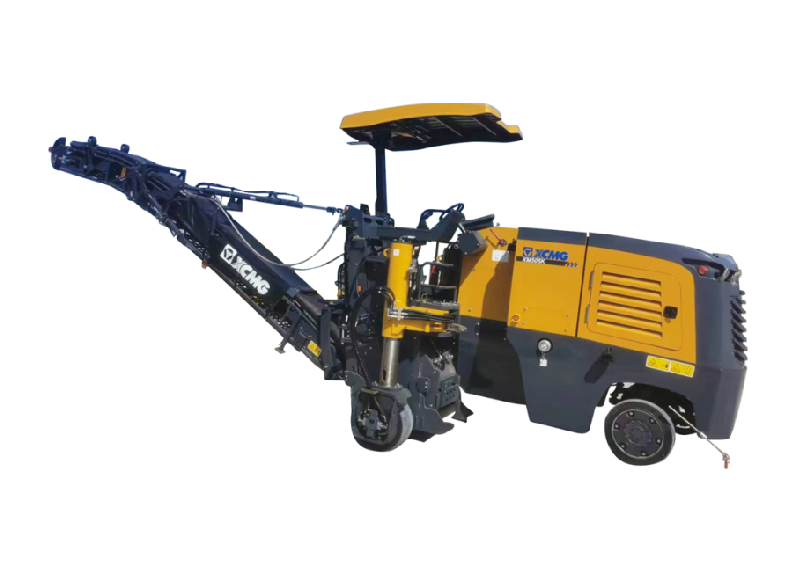
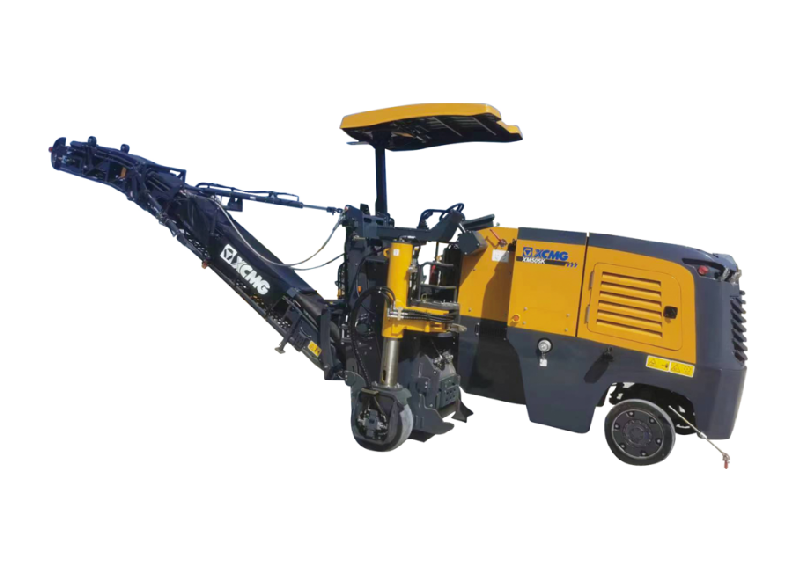
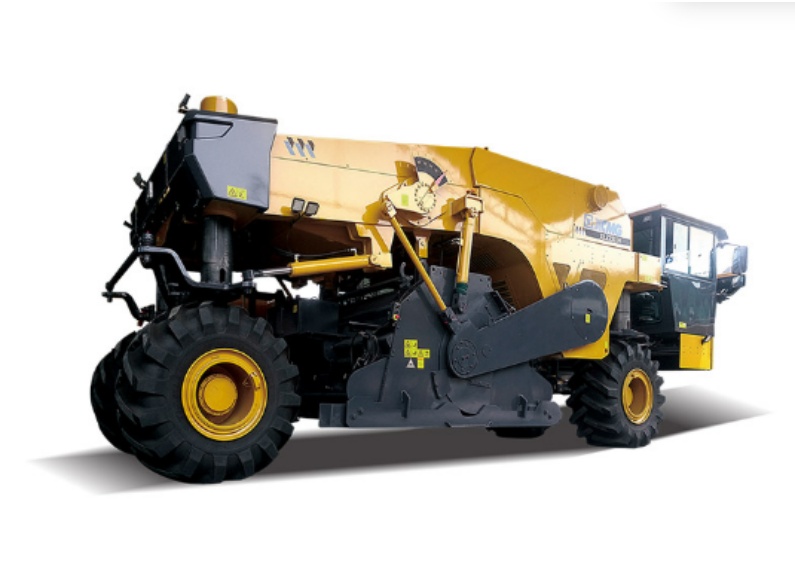
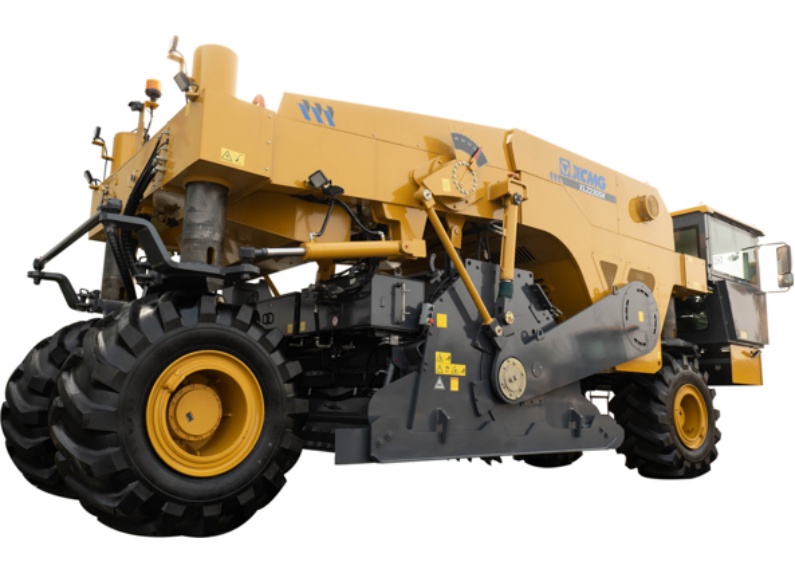
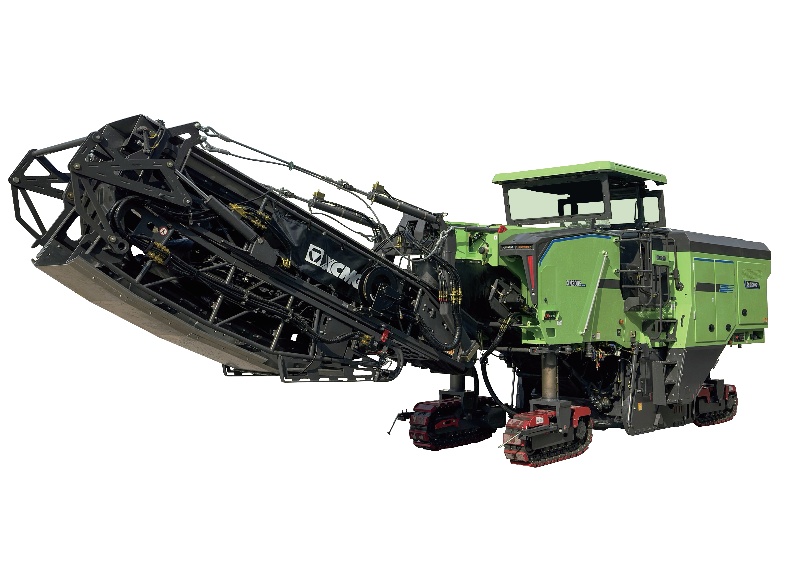
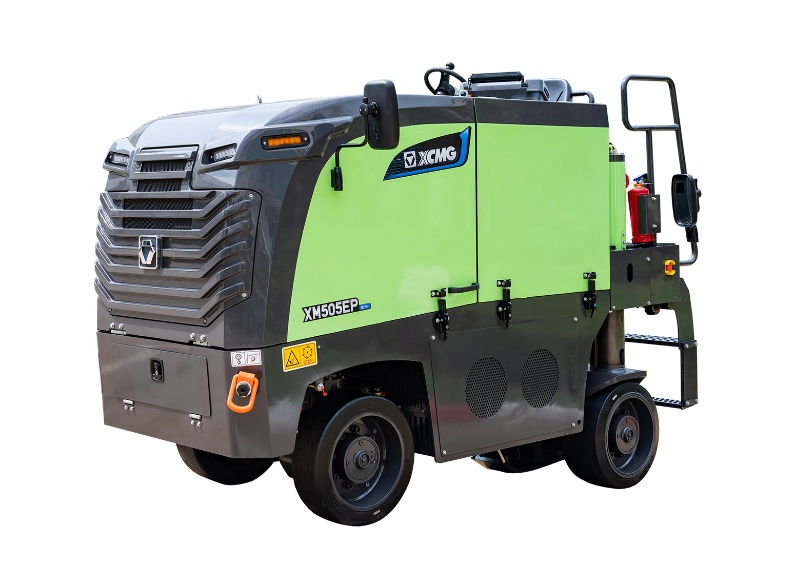
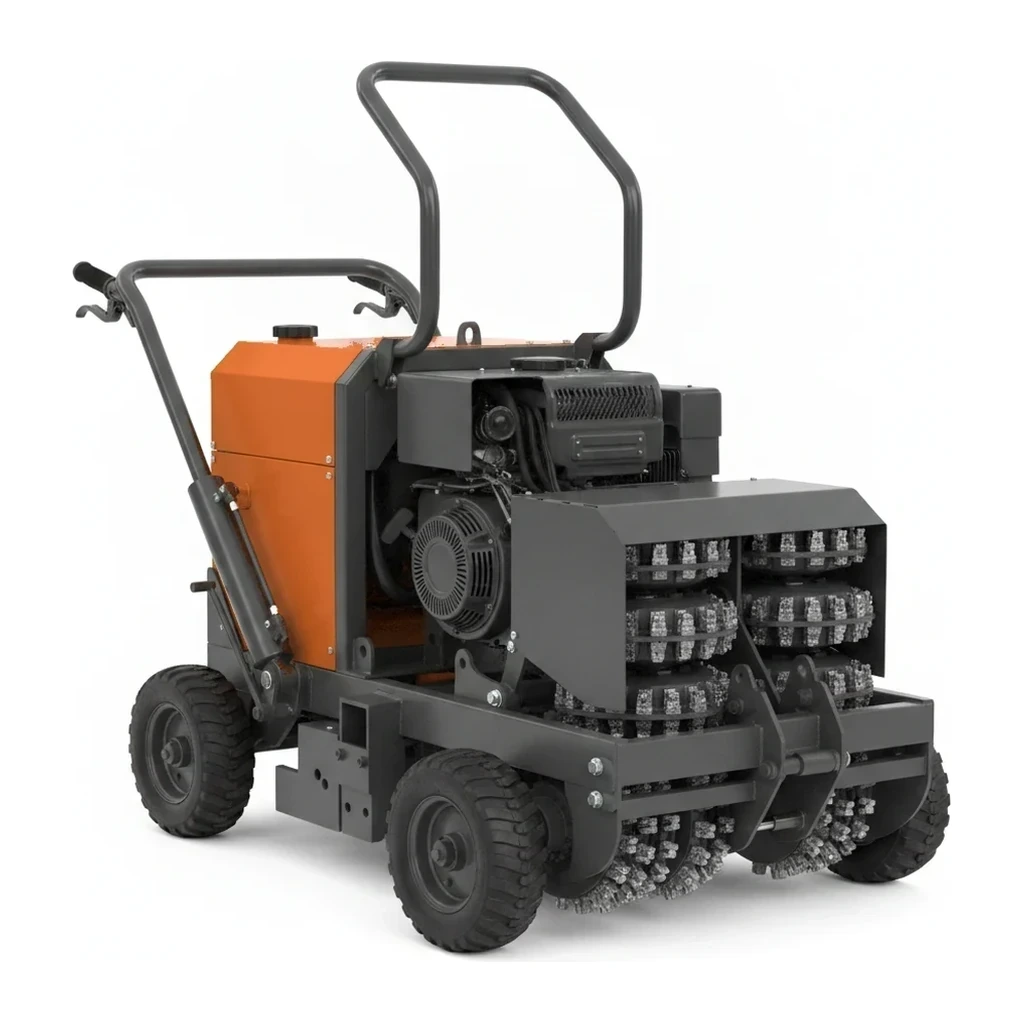
A concrete scarifier and planer is a surface preparation machine that uses rotating cutting drums equipped with carbide or steel cutters to mechanically remove concrete, coatings, trip hazards, and surface irregularities. These machines prepare floors for overlays, remove traffic markings, create texture for traction, and level uneven slabs. The equipment class spans from compact planers for detail work to wide self-propelled units for production scarifying.
Cat classes
Elija una clase de tamaño — la capacidad y el alcance varían en la gama.
Cómo funciona
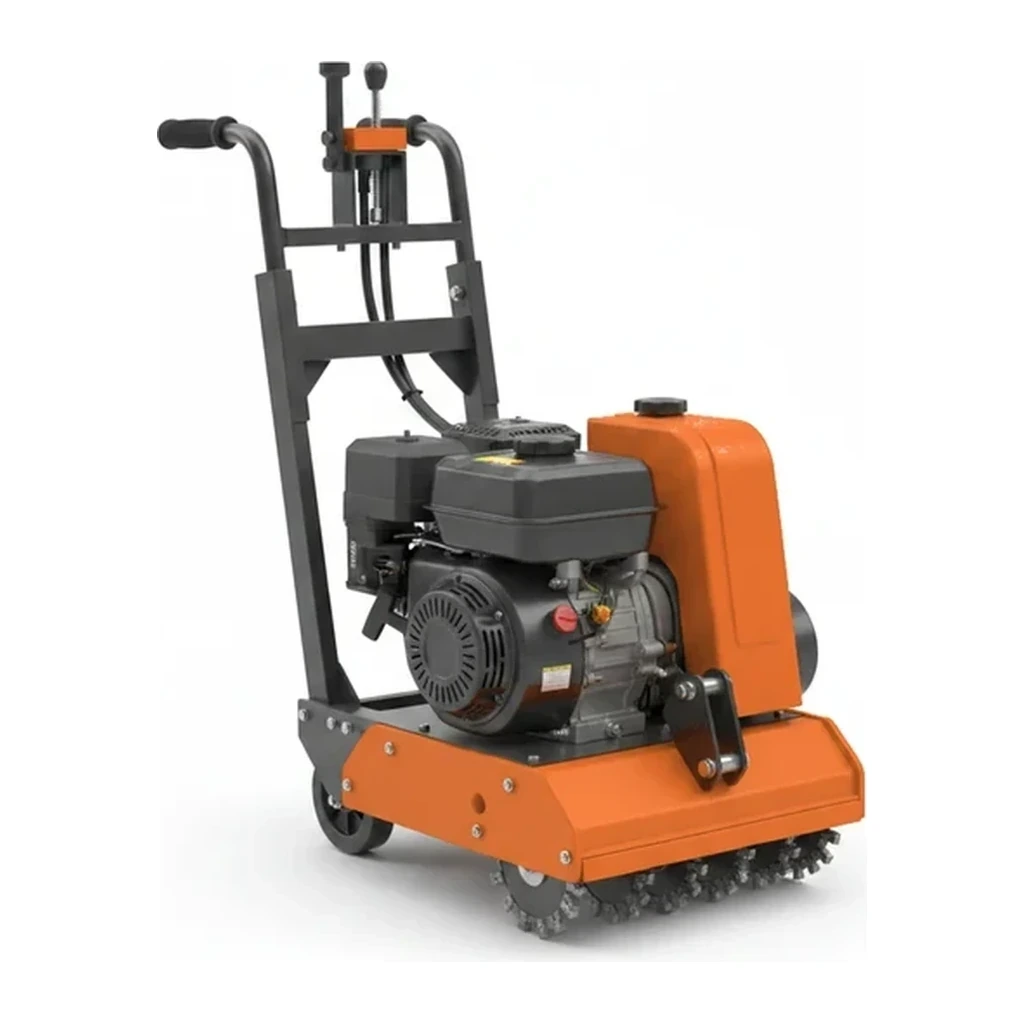
The machine drives a horizontal rotating drum equipped with multiple carbide-tipped cutting tools, tungsten cutters, or hardened steel teeth that impact and fracture the concrete surface at high speed. As the unit moves forward, the drum's rotation combined with forward travel creates a milled or planed profile at a controlled depth, typically adjustable from shallow surface removal to deeper cuts. Dust collection systems or water suppression methods manage the substantial debris generated during operation. Walk-behind models require an operator to guide the machine while controlling depth and forward speed, while self-propelled units include variable travel speed controls. The cutting drum rotates opposite to the direction of travel, pulling the machine forward and producing a relatively smooth finish compared to impact-based scabbling methods. Depth adjustment mechanisms typically use wheels, skids, or plate systems that raise or lower the drum relative to the work surface.
Tipos y variantes
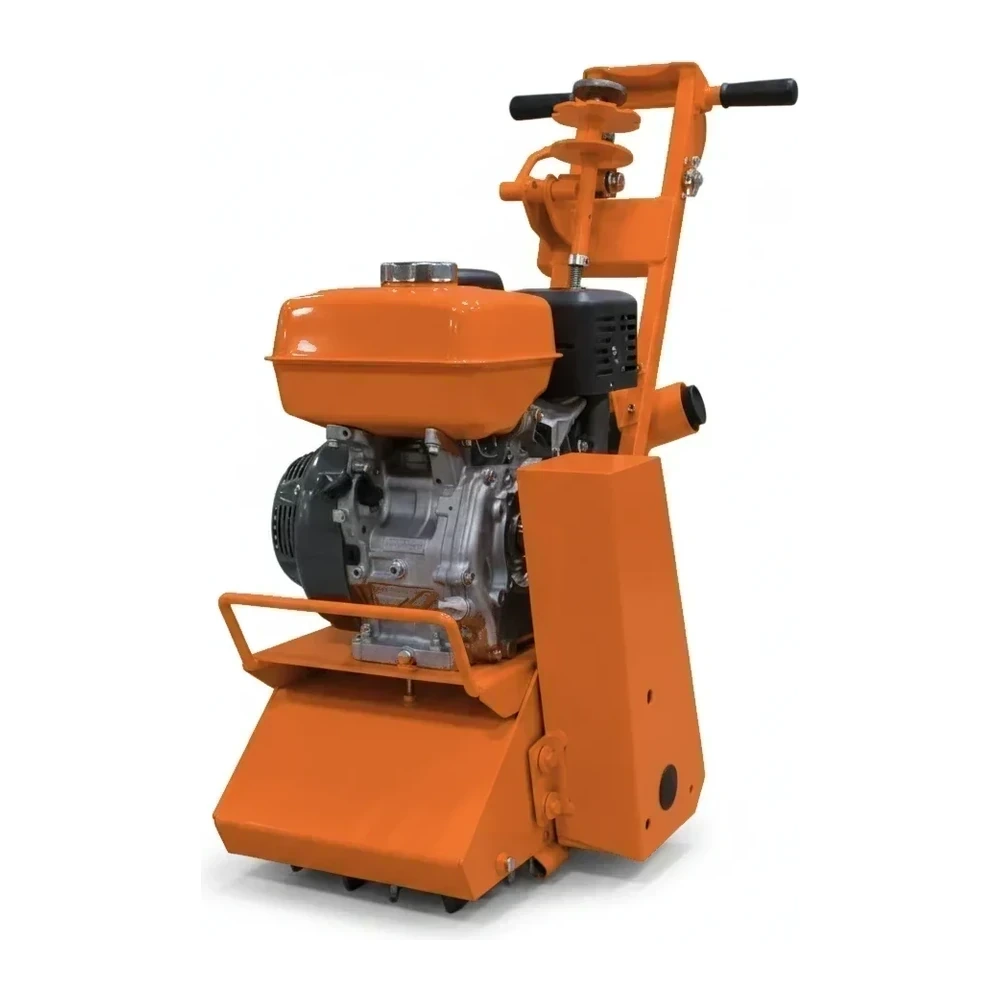
- Walk-Behind Scarifier
- Operator-guided units ranging in width; most common configuration for general surface prep, coating removal, and leveling in commercial and industrial settings.
- Self-Propelled Planer
- Larger machines with powered travel systems and wider cutting widths for high-production work on parking structures, roadways, and warehouse floors.
- Narrow-Path Planer
- Compact models up to 8 inches designed for edge work, column bases, doorways, and confined areas where larger equipment cannot access.
- Grooving and Texturing Machine
- Specialized scarifiers configured with specific cutter patterns to create traction grooves, drainage channels, or textured finishes on concrete surfaces.
- Heavy-Duty Milling Planer
- High-horsepower units capable of deeper cuts and continuous operation on heavily trafficked surfaces, bridge decks, and deteriorated concrete removal.
Especificaciones clave
| Especificación | Rango típico | Qué significa |
|---|---|---|
| Cutting Width | Sized in inches (up to 8, 8–14, 14+ in) | Primary sizing dimension; determines production rate and accessibility in confined spaces. Walk-behind models typically range narrower, self-propelled units wider. |
| Cutting Depth | 8.3–13.0 in (210–330 mm) | Maximum depth capacity; actual working depth typically adjusted from surface removal to several millimeters per pass. |
| Engine Power | 5.0–1050.0 hp | Ranges from small electric or gas units for compact planers to heavy diesel power for self-propelled production machines. |
| Operating Weight | 1,349–94,001 lb (612–42,638 kg) | Affects maneuverability, transport requirements, and suitability for elevated or structurally sensitive surfaces. Heavier self-propelled units at upper end of range. |
| Travel Speed | 7.5–8.0 km/h (self-propelled) | Forward working speed on self-propelled models; impacts production rates and finish quality. |
| Fuel Tank Capacity | 330.0–600.0 l | Determines operating duration between refueling; larger capacity on self-propelled and high-production units. |
Cómo la industria lo dimensiona
The industry sizes concrete scarifiers and planers primarily by cutting width measured in inches. Compact units up to 8 inches remove hard coatings and trip hazards in a narrow path, fitting along walls and through doorways. Models from 8 to 14 inches serve as everyday walk-behind planers for leveling slabs and removing thick coatings, glue, and traffic markings. Self-propelled scarifiers 14 inches and wider handle wide-path scarifying for parking decks and warehouse floors. Engine power, operating weight, and depth capacity scale with cutting width, and many manufacturers offer the same chassis in multiple width configurations.
Aplicaciones
- Removing epoxy coatings, mastics, adhesives, and thick paint systems from concrete floors
- Leveling uneven concrete slabs and removing high spots, trip hazards, and surface defects
- Preparing surfaces for overlays, toppings, and new flooring installations by creating profile
- Removing traffic markings, crosswalks, and pavement striping from roadways and parking areas
- Creating traction grooves and textured finishes on ramps, bridge decks, and pedestrian surfaces
- Milling deteriorated concrete on parking structures, loading docks, and industrial floors prior to repair
Seguridad y operación
- Operators require hearing protection, respiratory protection, and eye protection due to high noise levels and airborne silica dust exposure during concrete cutting
- Proper dust collection or water suppression systems are essential to manage respirable crystalline silica and comply with occupational exposure limits
- Cutting drums and exposed rotating components present entanglement and impact hazards; guards must remain in place during operation
- Machines generate substantial reactive forces; operators must maintain secure footing and controlled forward motion to prevent loss of control on slopes or uneven surfaces
- Pre-operation inspection of cutting tools for wear, damage, or loose mounting prevents tool ejection and ensures consistent cutting performance
Normas y certificaciones
- OSHA · 29 CFR 1926.1153
- Respirable crystalline silica standard for construction; mandates exposure controls and dust suppression for concrete cutting operations.
- ICRI · Guideline No. 310.2
- International Concrete Repair Institute guidance on surface preparation for concrete; references scarifying methods and profile standards.
Preguntas frecuentes
What is the difference between a scarifier and a planer?
How does cutting width affect production rates?
What determines the appropriate cutting depth?
How do scarifiers compare to grinders for surface preparation?
Equipos relacionados
Explorar por fabricante
Fuentes
Cada especificación se verifica con los datos publicados por el fabricante, con la fuente enlazada como referencia.
Todos los modelos
76 modelos · Página 1 de 2 · Cada especificación citada a la fuente