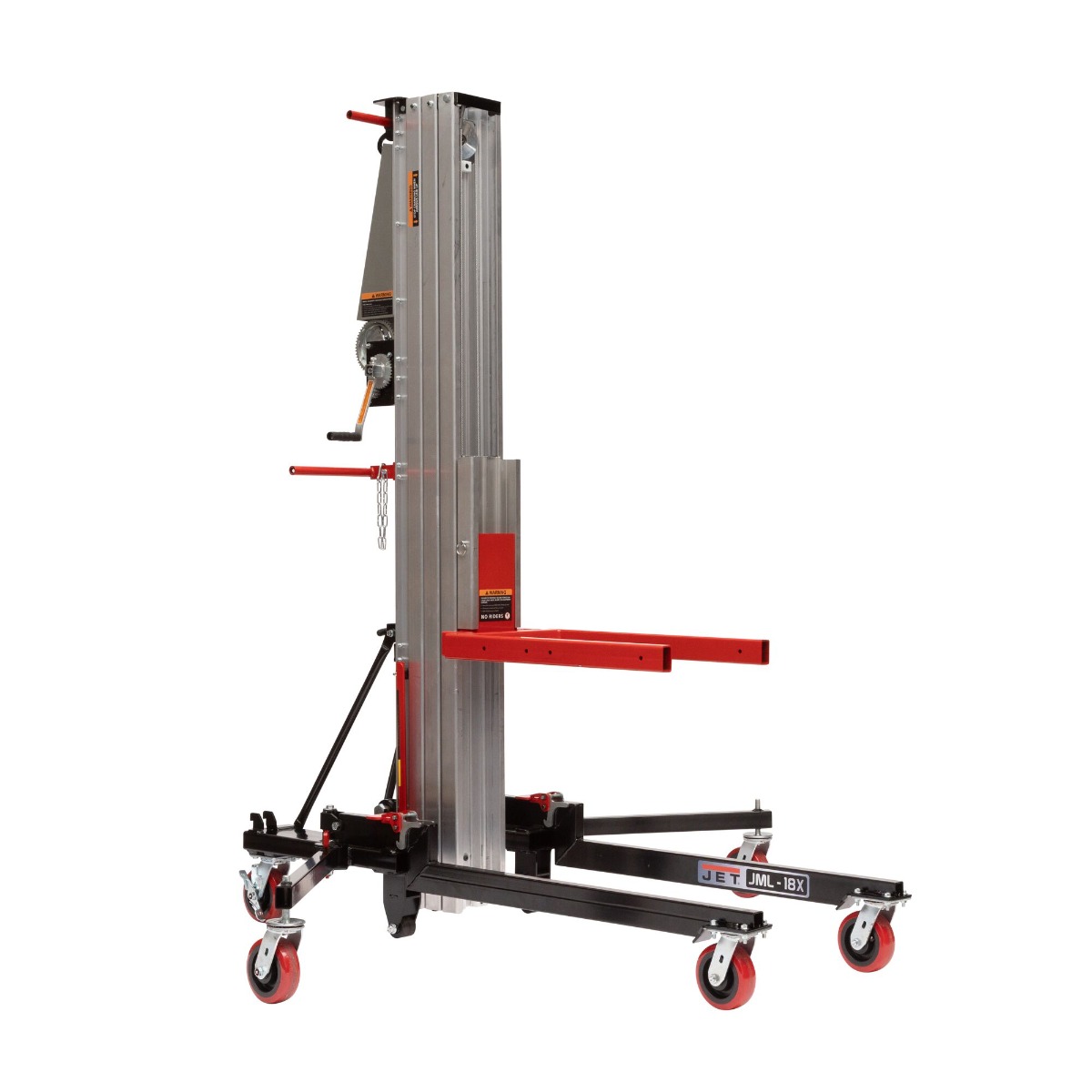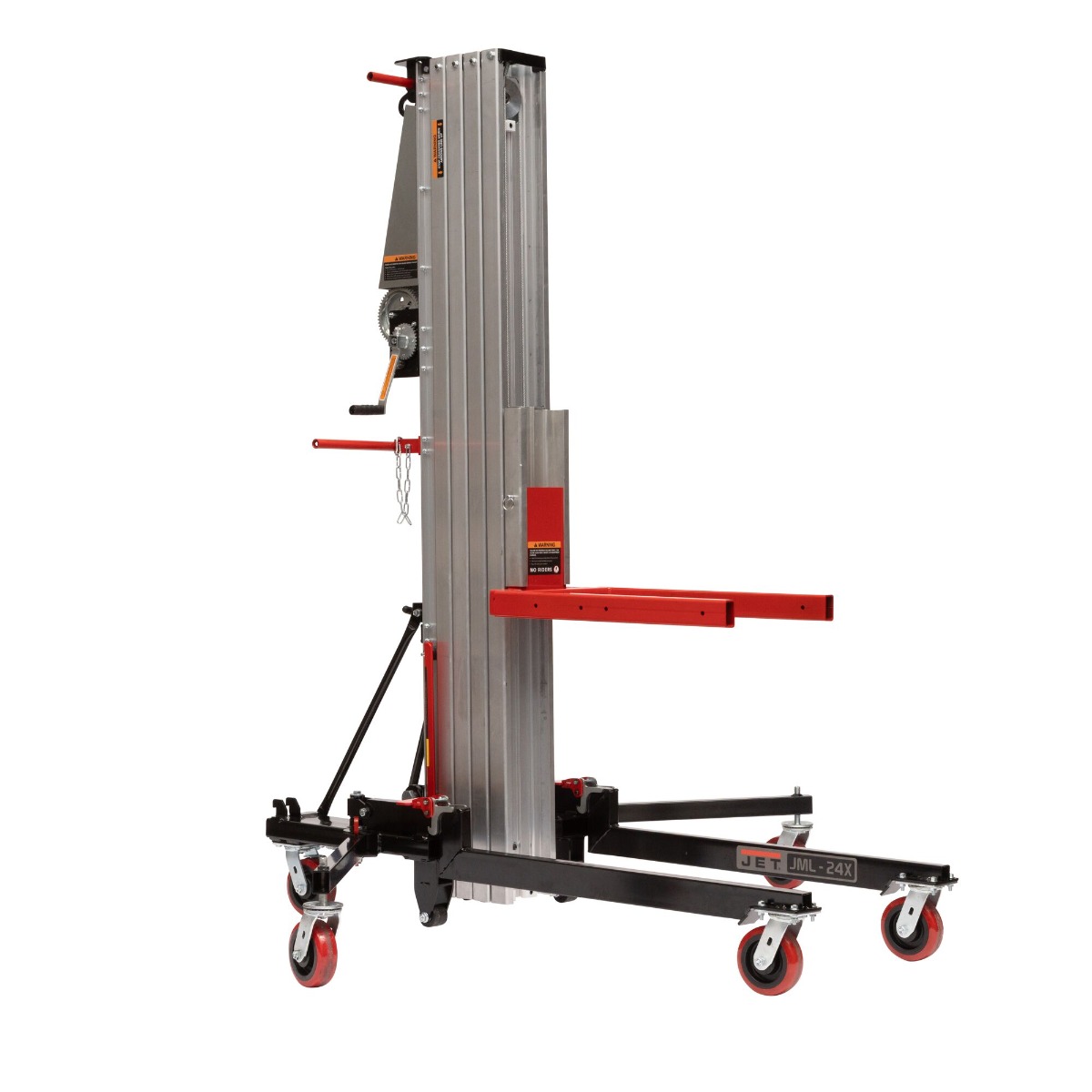

18-26 ft Material Lift
The 18-26 ft material lift represents the tallest reach in the material lift category, designed for high-bay industrial and commercial work where ceiling heights, signage, and mechanical systems sit between 20 and 25 feet. This size class bridges the gap between mid-height lifts and scissor or boom platforms, offering vertical transport without the footprint or cost of mobile elevating work platforms. It is the final rung on the material lift ladder, with 12-18 ft lifts serving lower-ceiling work.
Cat classes
Elija una clase de tamaño: la capacidad y el alcance varían en la gama.
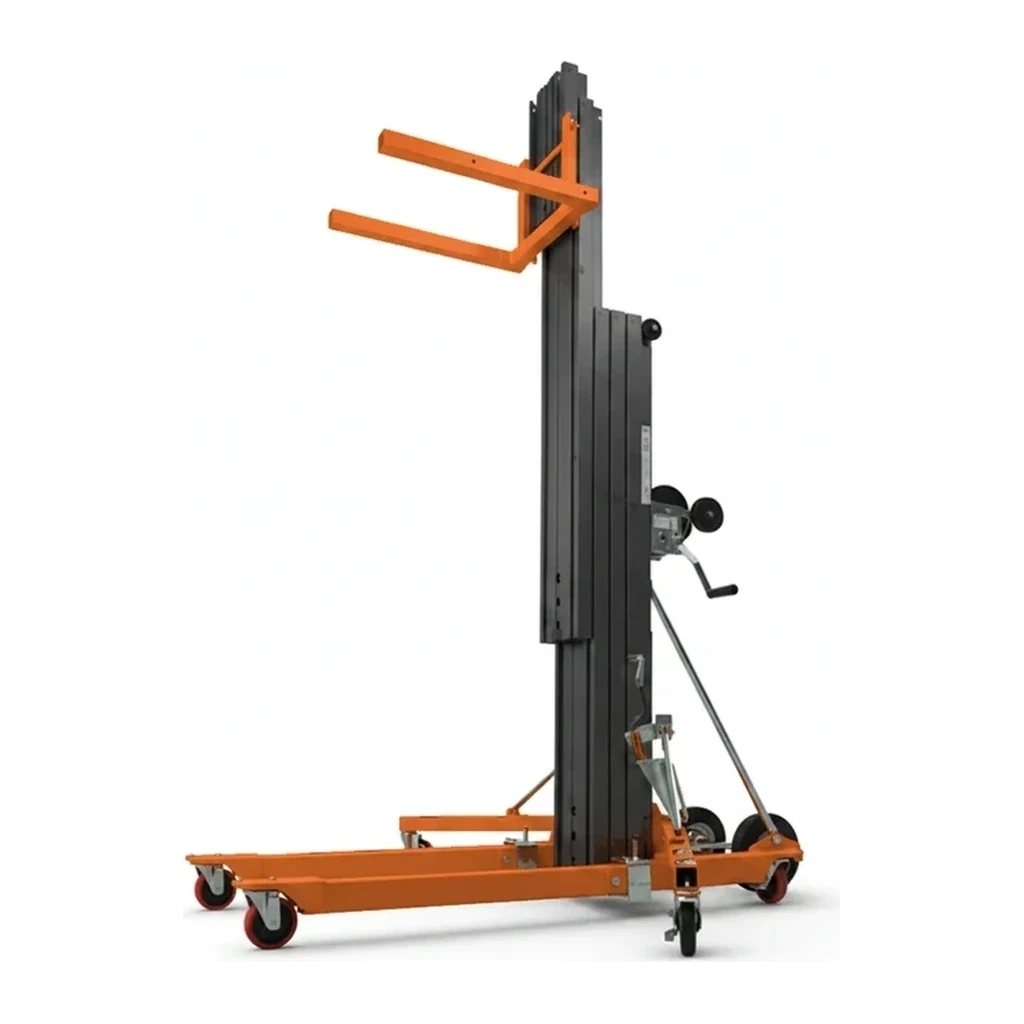
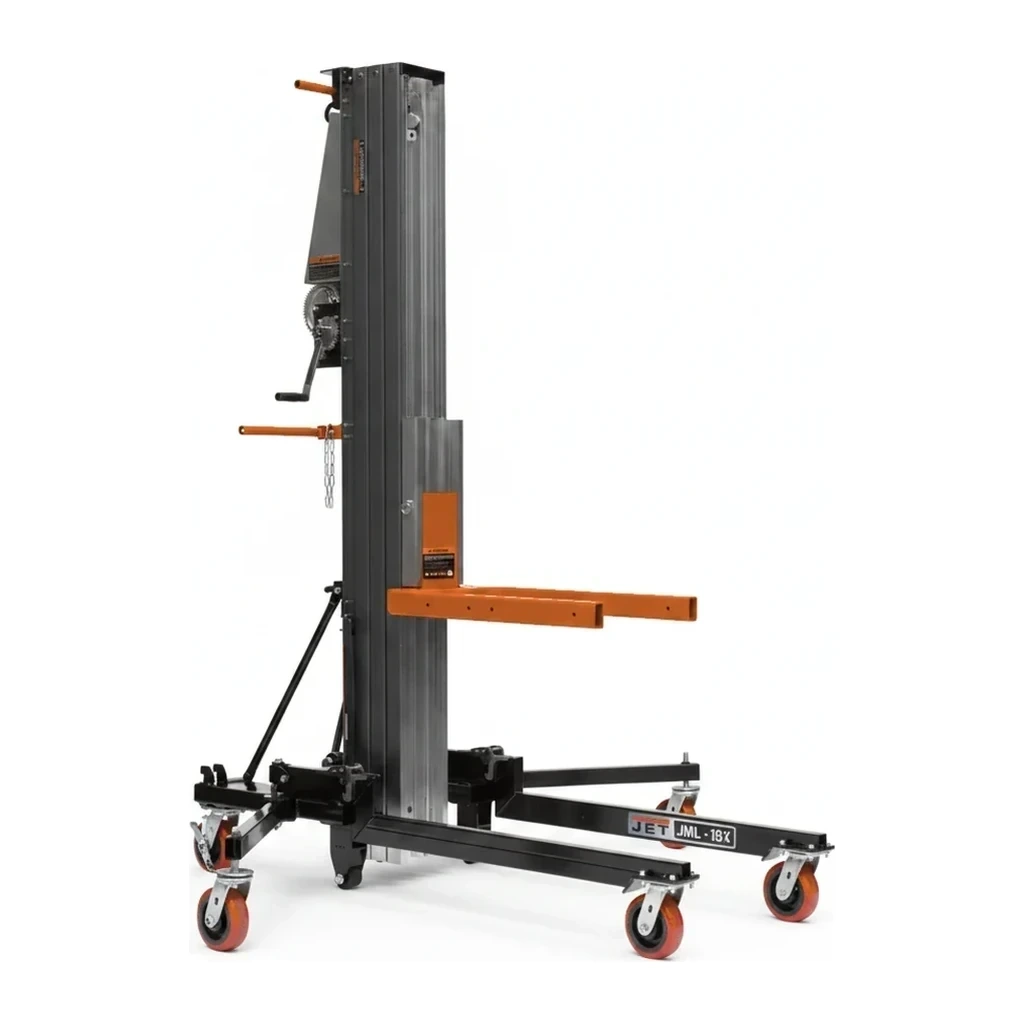
Especificaciones clave
| Especificación | Rango típico | Qué significa |
|---|---|---|
| Lift height | 18–25 ft (5.5–7.6 m) | Maximum vertical reach for positioning materials at high-bay ceiling or mezzanine level. |
| Load capacity | 650–2,000 lb (295–907 kg) | Safe working load across models; heavier-duty frames in this class handle HVAC units and structural materials. |
| Platform size | Varies by model | Work surface dimensions determine whether tools, ductwork, or signage panels can be staged effectively. |
Cómo elegir
The 18-26 ft material lift is specified when work heights exceed 18 feet and the task involves positioning materials rather than supporting personnel aloft. High-bay warehouse ceilings, retail signage above mezzanines, and mechanical system tie-ins at 20-25 ft are typical applications. When ceiling or installation heights fall below 18 feet, the 12-18 ft Material Lift offers easier handling and lower transport height. For tasks requiring workers to perform extended assembly or finishing at height, a scissor lift or vertical mast lift may be more appropriate than any material lift.
Lo que maneja este tamaño
- Installing HVAC ductwork and diffusers in 22 ft warehouse ceilings
- Hanging retail signage and lighting fixtures above mezzanine sales floors
- Positioning electrical conduit and junction boxes for 20-24 ft industrial ceiling grids
- Delivering materials to second-story commercial build-outs without elevator access
- Staging drywall sheets and ceiling panels for high-bay interior fit-outs
- Mounting security cameras and cable trays in distribution center interiors
Seguridad y operación
- Outriggers or stabilizing base required on most models to prevent tipping when lifting loads above 18 ft
- Material lifts are not rated for personnel; ANSI and OSHA standards prohibit riding the platform during lift operation
- Load must be secured and balanced on platform; eccentric or overhanging loads increase tip risk at maximum height
- Floor surface must be level and capable of supporting combined weight of lift, load, and dynamic forces during raising and lowering
Transporte y logística
- Manual or powered base allows movement through standard commercial doorways when mast is lowered; check stowed height against truck bed or trailer clearance
- Weight typically permits loading onto utility trailers or flatbed trucks with ramps or liftgate; some models require forklift for safe loading
- Tall stowed height may require enclosed trailer or vertical clearance planning for transport under overhead obstacles
Alimentación
- Most models in this class operate on 110V or 120V single-phase AC power, compatible with standard jobsite circuits
- Electric winch or chain-drive systems; no fuel or emissions, suitable for indoor high-bay environments
- Cord length and extension requirements depend on mast height and proximity to outlets in high-ceiling spaces
Preguntas frecuentes
What distinguishes an 18-26 ft material lift from a scissor lift at the same height?
Can this size class navigate through standard doorways and freight elevators?
How does load capacity change as lift height increases?
Comparar modelos populares
Buscar por especificación →Normalizado a las mismas unidades. Un guion significa que el valor no fue publicado.
| Modelo | Capacidad de carga | Altura de elevación | Potencia del motor |
|---|---|---|---|
| Jet JML-18X | 650 lb (295 kg) | - | - |
| Jet JML-24X | 650 lb (295 kg) | - | - |
| Jet SKY25 | - | - | - |
| Sumner ROUST-A-BOUT Lift | 1,499 lb (680 kg) | 25 ft (7.6 m) | - |
Equipos relacionados
Explorar por fabricante
Fuentes
Cada especificación se verifica con los datos publicados por el fabricante, con la fuente enlazada como referencia.
18-26 ft Material Lift
4 modelos · Cada especificación citada a la fuente