

1-2 in Rotary Hammer
The 1-2 in rotary hammer class represents SDS-Max tooling systems designed for rebar dowel installation, larger concrete anchors, and light chipping in slab and block. This size class is the only rung on the rotary hammer ladder, handling carbide bits up to 1.9 in and core bits up to 6 in diameter. These tools bridge the gap between lighter SDS-Plus hammers and dedicated core drilling or demolition equipment.
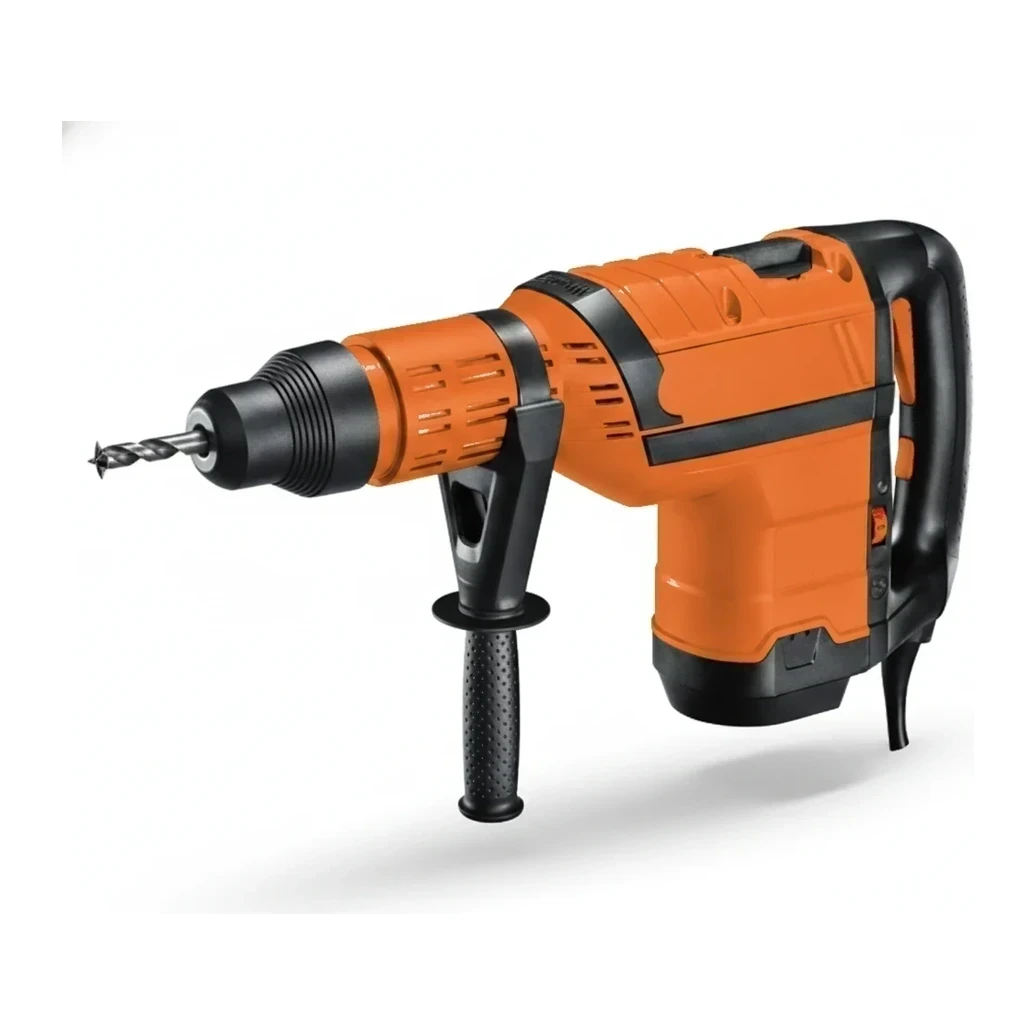
Especificaciones clave
| Especificación | Rango típico | Qué significa |
|---|---|---|
| Max carbide bit diameter | 1.1–1.9 in (27.9–48.3 mm) | Largest solid carbide percussion bit the hammer can drive effectively through concrete and masonry. |
| Max core bit diameter | 2.6–6 in (6.6–15.2 cm) | Largest hollow core bit the tool can rotate under load for deep anchor holes and utility penetrations. |
| Chuck system | SDS-Max | Tool-free shank standard for heavy-duty hammers, larger than SDS-Plus and incompatible with lighter tools. |
Cómo elegir
This size class is appropriate when drilling dowel holes for rebar epoxy sets, installing large wedge or sleeve anchors exceeding 3/4 in diameter, or performing light chipping to remove thin slabs or prepare rough surfaces. Work requiring smaller percussion holes (under 1 in) or handheld portability is typically handled by lighter SDS-Plus tools not classified in this ladder. Jobs demanding continuous heavy demolition, large-diameter core drilling beyond 6 in, or high production rates call for dedicated breakers or stand-mounted core rigs rather than handheld rotary hammers.
Lo que maneja este tamaño
- Drilling 1.5 in rebar dowel holes into bridge deck or slab edge for structural tie-ins
- Installing 1 in diameter wedge anchors through CMU or cast-in-place foundation walls
- Coring 4–6 in penetrations for electrical conduit or plumbing risers in residential foundations
- Light chipping to remove tile, thin topping slabs, or mortar beds on horizontal surfaces
- Setting post-installed anchors for heavy mechanical equipment on industrial floors
- Preparing keyed surfaces for overlay pours by roughening existing concrete slabs
Seguridad y operación
- Hearing protection mandatory due to impact mechanism noise; doubling with earplugs and muffs common in enclosed spaces
- Respirator or dust extraction required when drilling concrete or masonry to control crystalline silica exposure
- Two-handed grip and secure footing essential to manage torque reaction when bits bind or break through
- Eye protection and gloves standard; flying debris and sharp bit edges present cut and impact hazards during bit changes
Transporte y logística
- Handheld tools typically carried in manufacturer cases or gang boxes alongside accessories and bits
- Total kit weight including hammer, bits, extensions, and chisels often requires two-person handling or cart for multi-story access
- Standard pickup truck or van transport; no trailer or special rigging required for the tool itself
Alimentación
- Corded electric models require 120V or 240V outlets with 15–20 amp service and adequate extension cord gauge for distance
- Temporary power distribution or generator capacity must account for start-up surge and sustained load during drilling
- Battery-powered SDS-Max platforms draw from 18V or higher lithium-ion systems with multiple high-capacity packs for production work
Preguntas frecuentes
What distinguishes SDS-Max from SDS-Plus rotary hammers?
Can this size class handle continuous demolition work?
What limits core bit diameter in this class?
Explorar por fabricante
Fuentes
Cada especificación se verifica con los datos publicados por el fabricante, con la fuente enlazada como referencia.
1-2 in Rotary Hammer
3 modelos · Cada especificación citada a la fuente