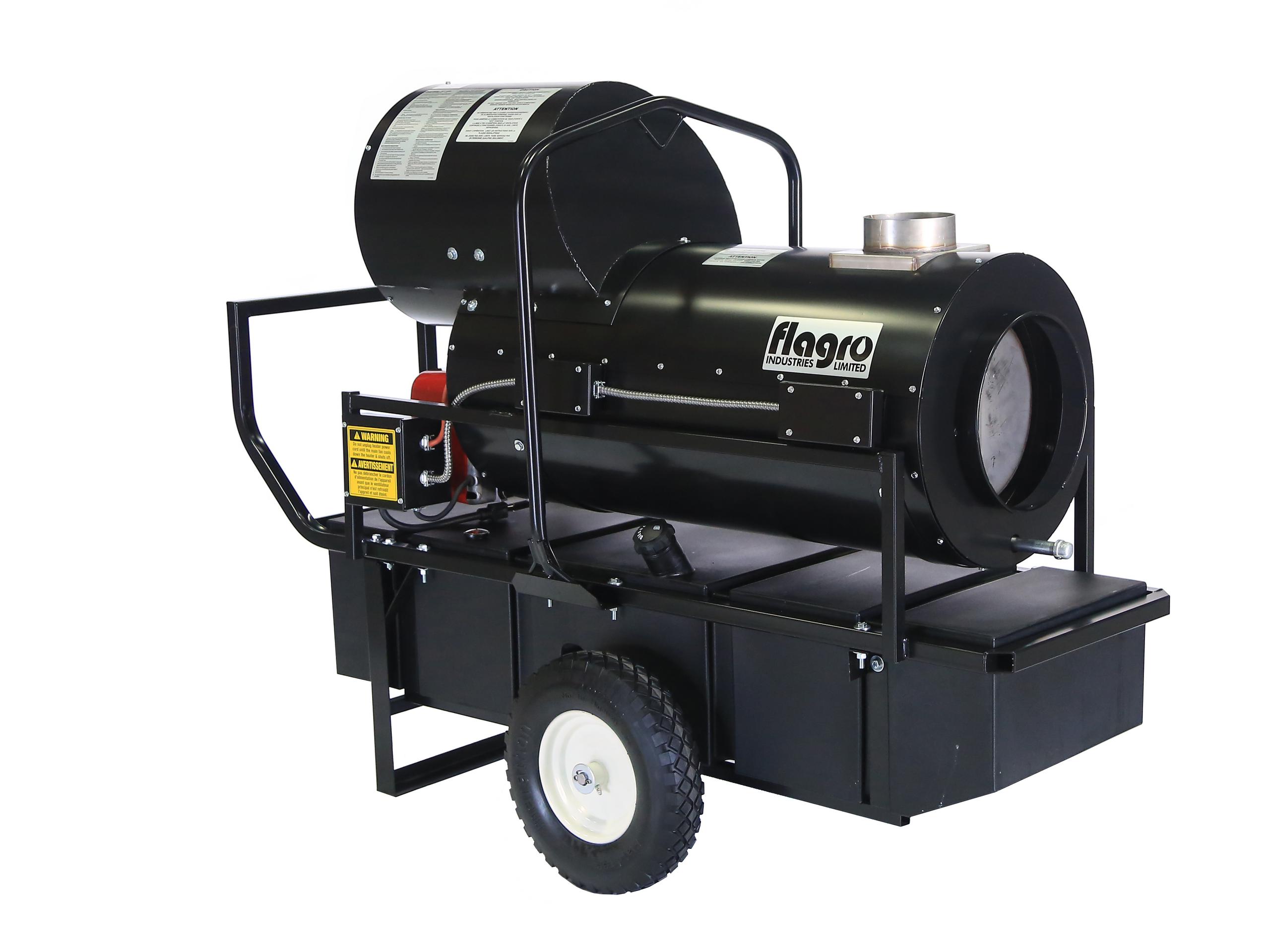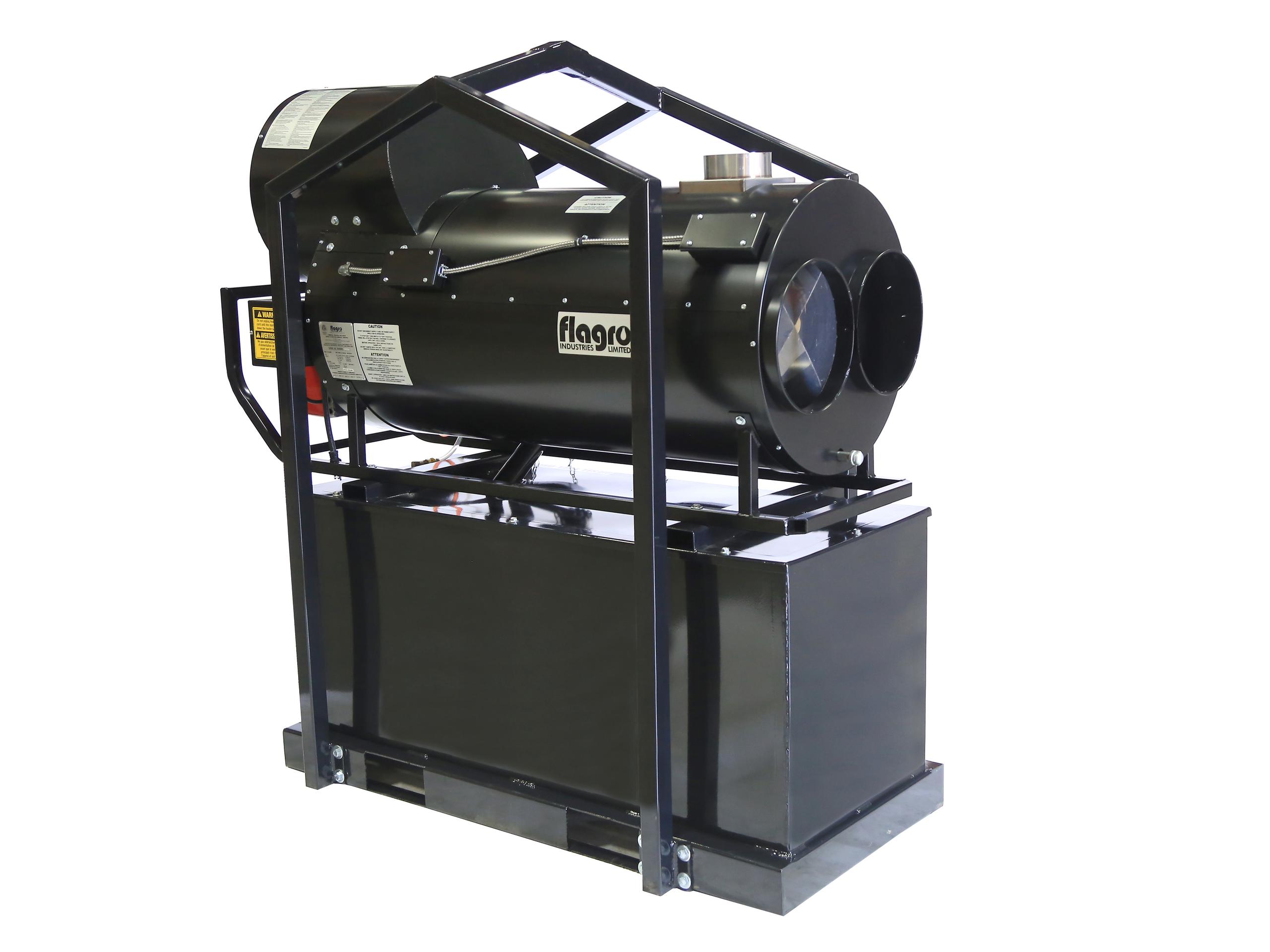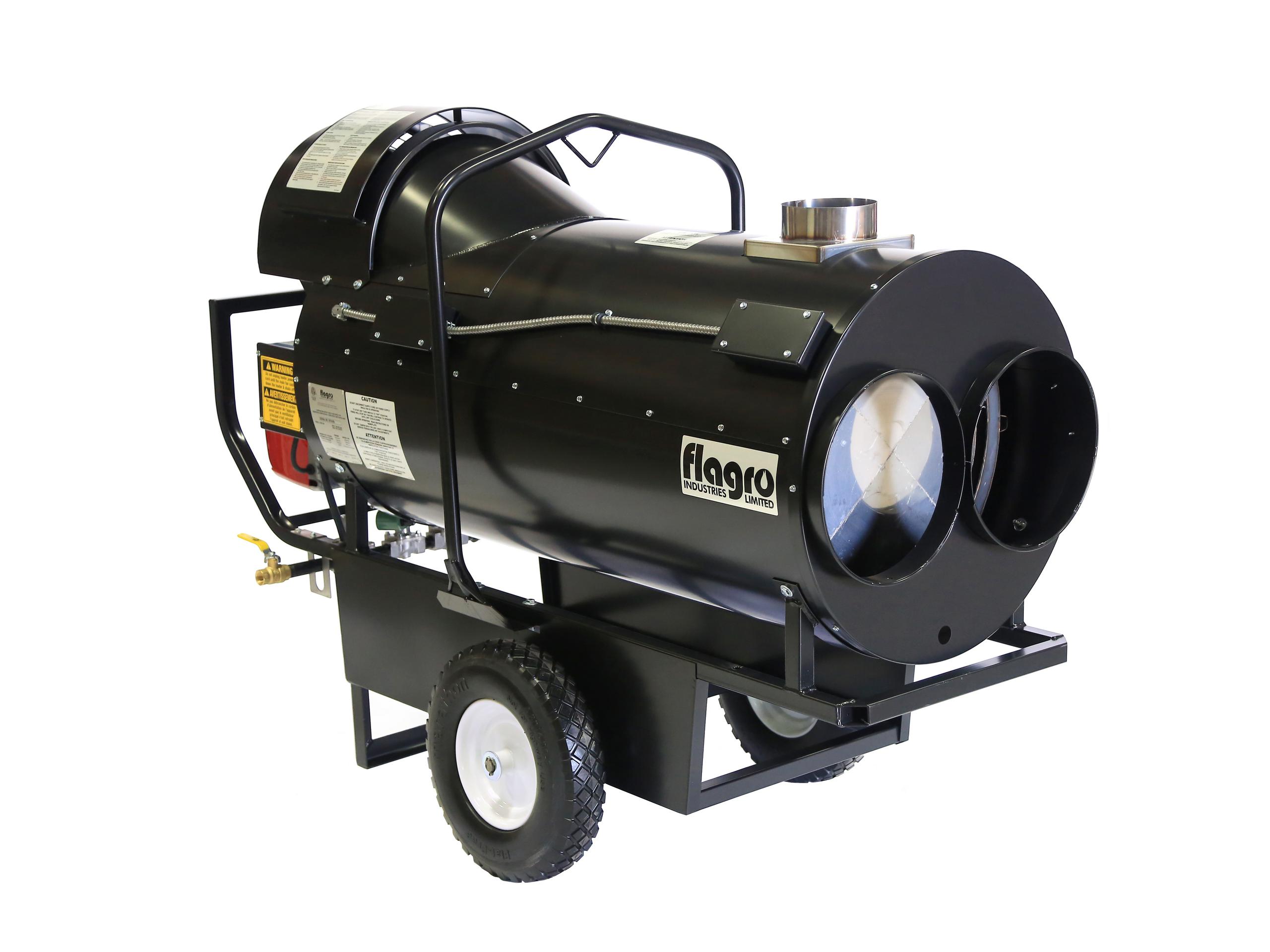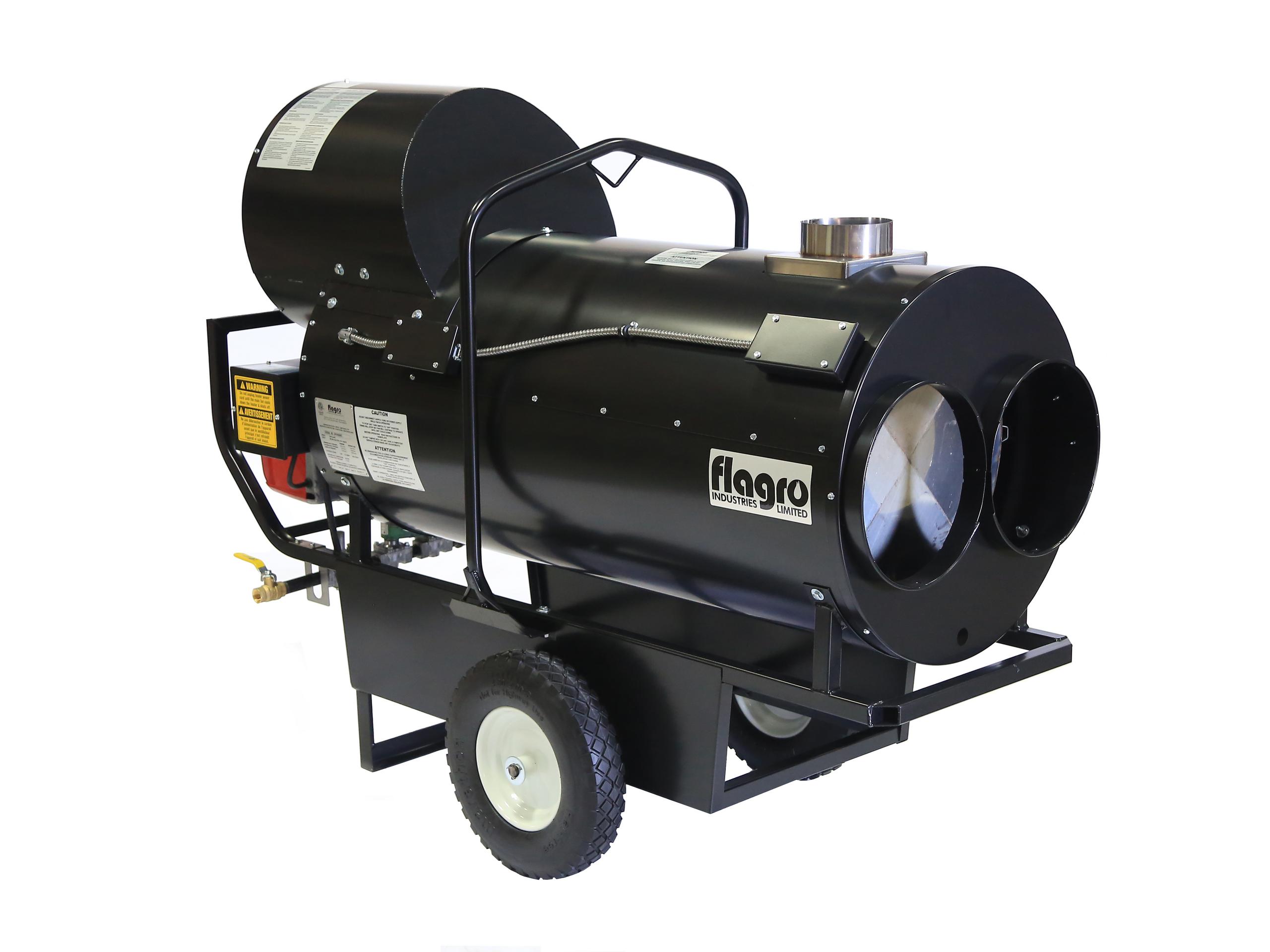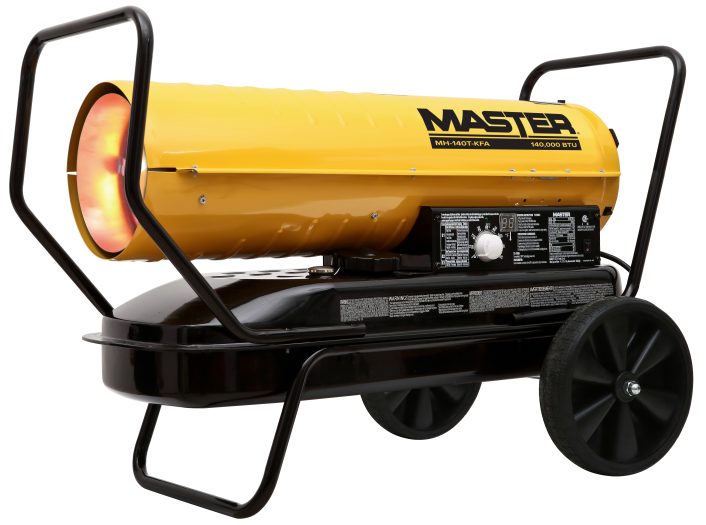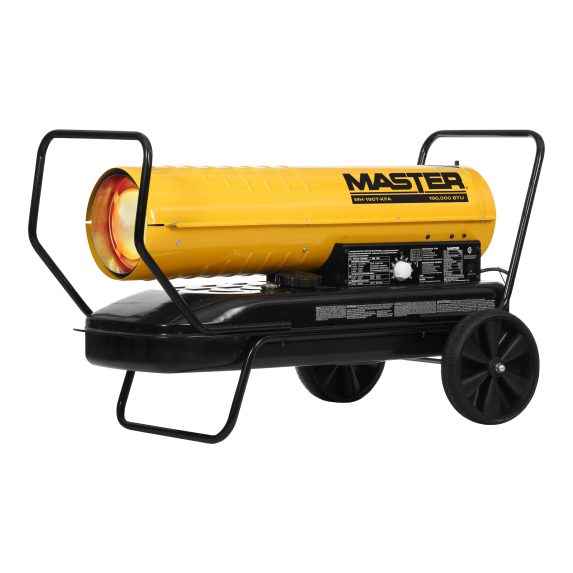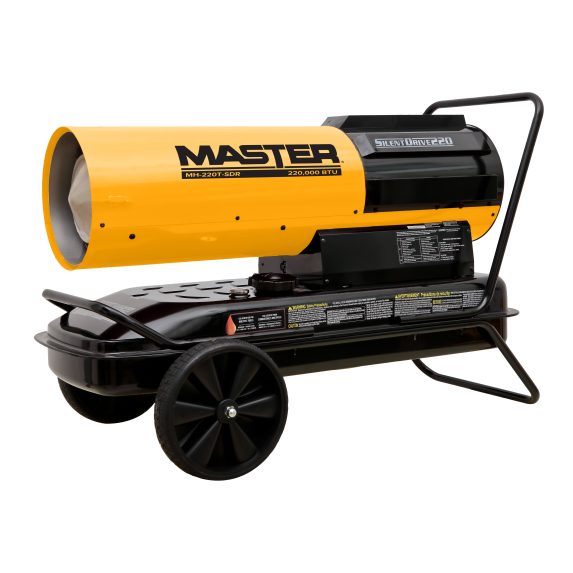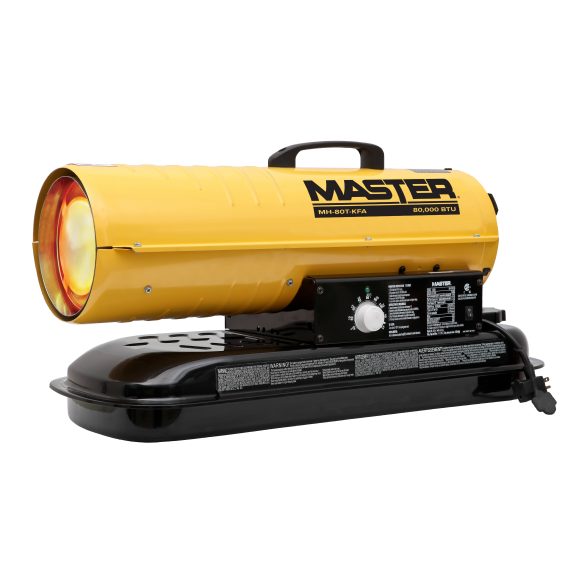

Indirect Fired Heater
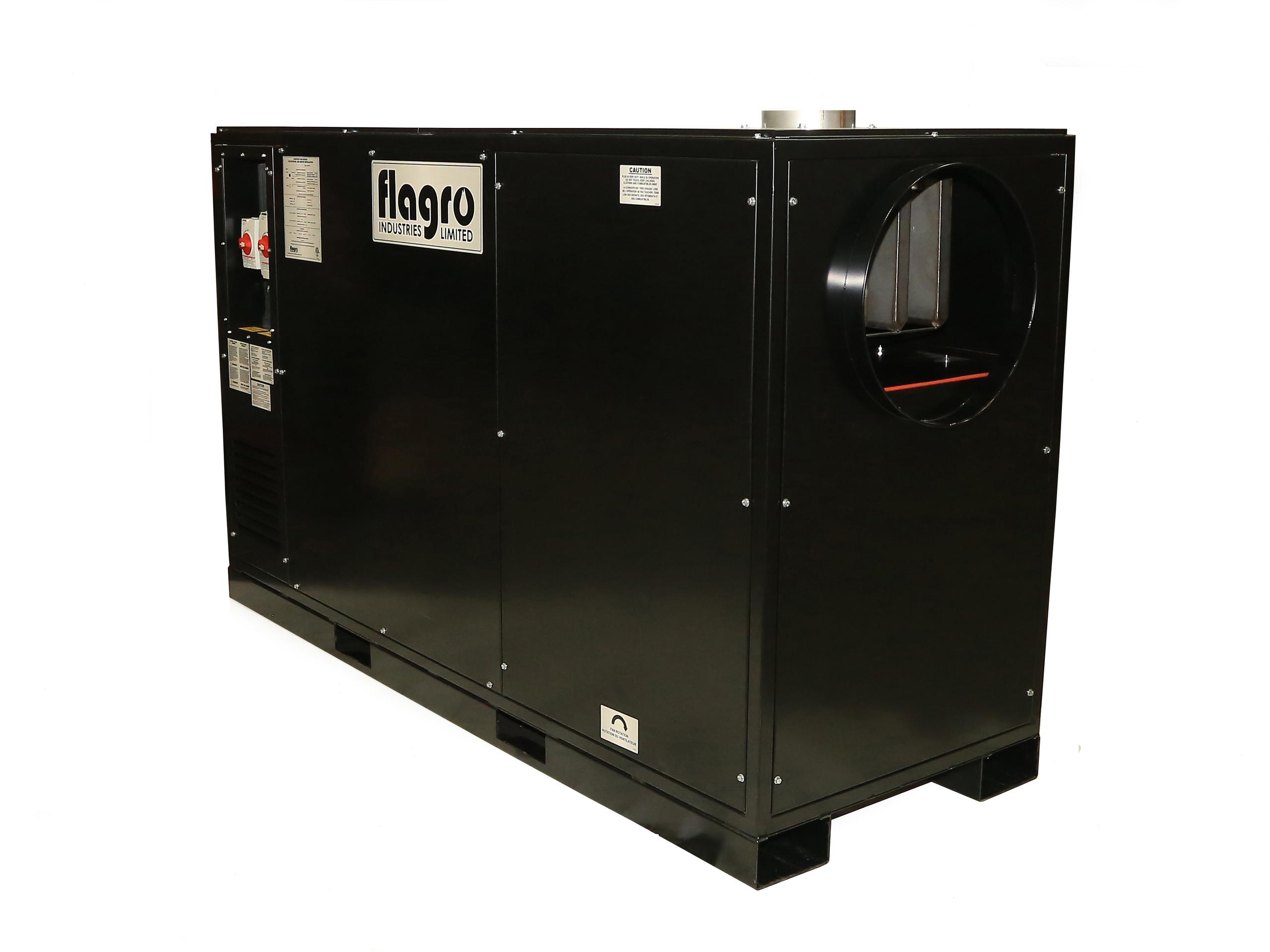
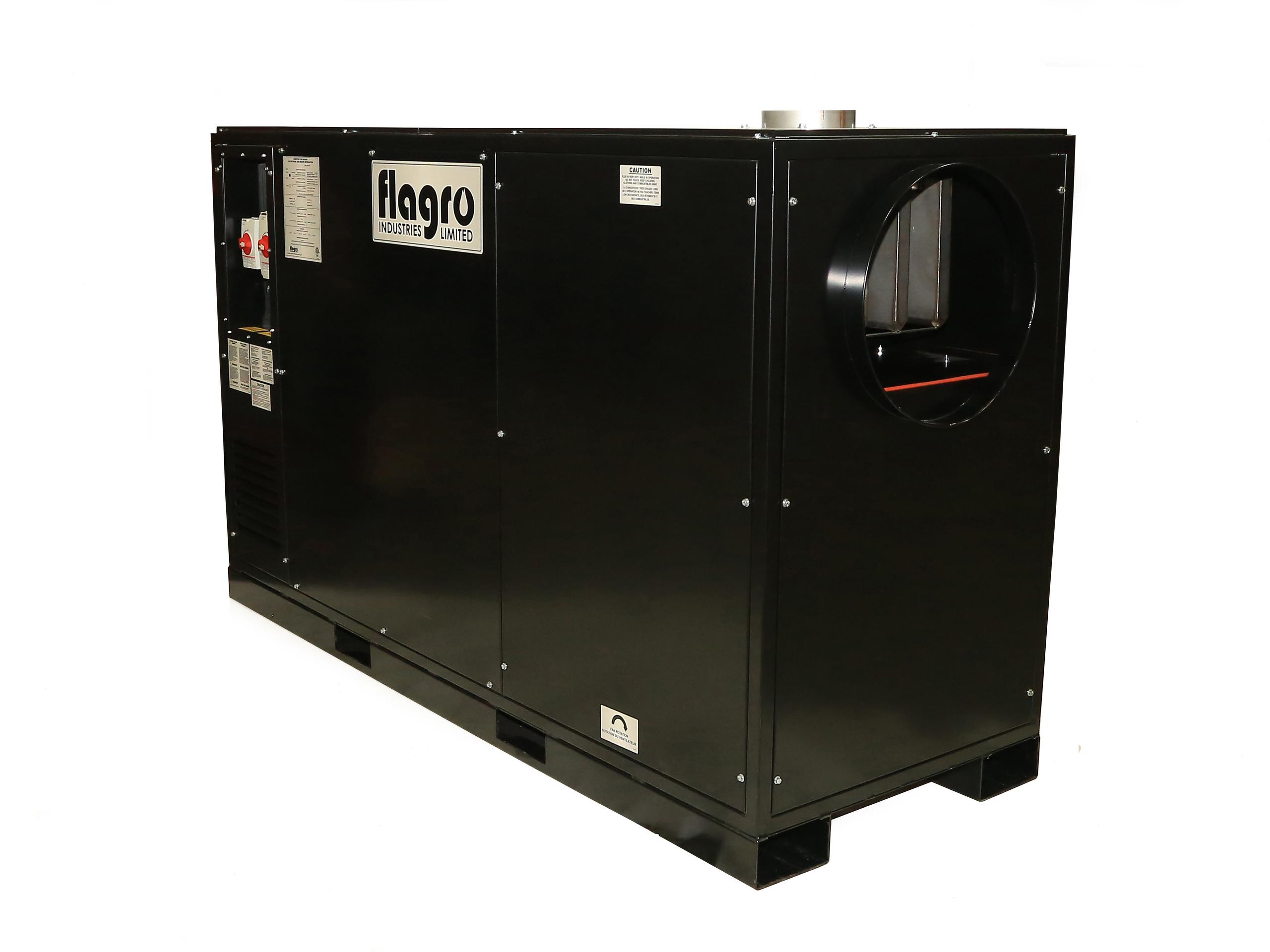
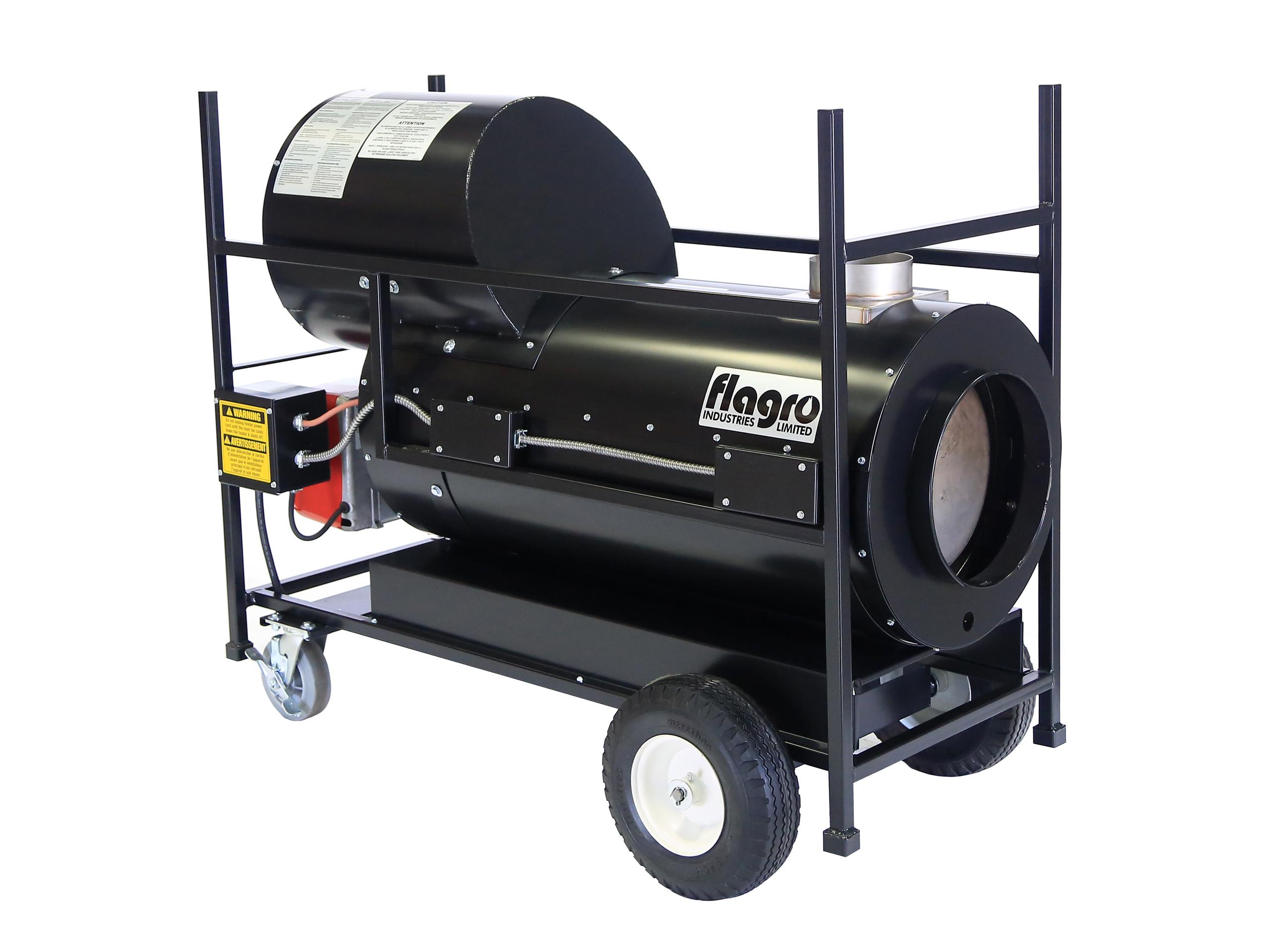
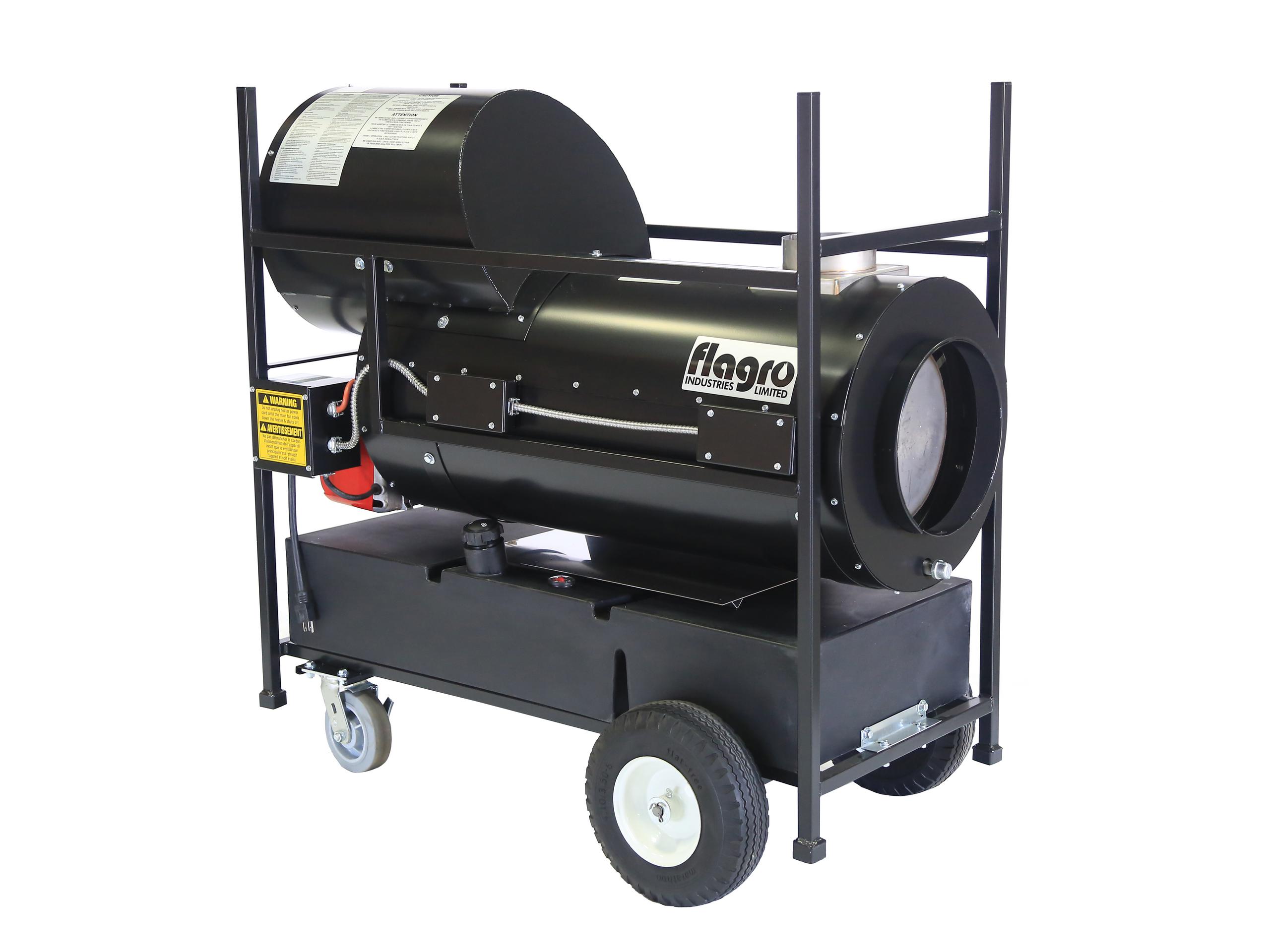
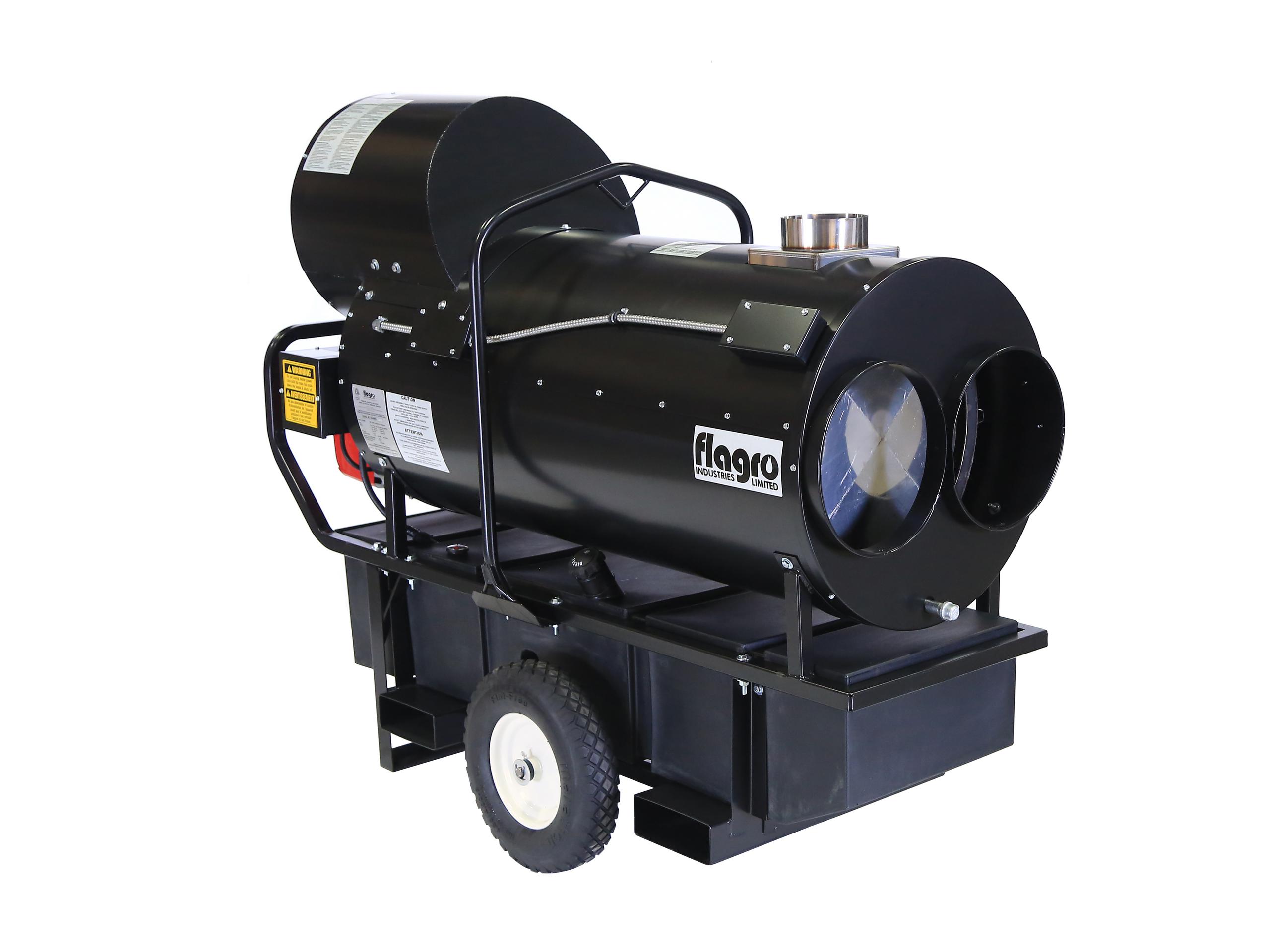
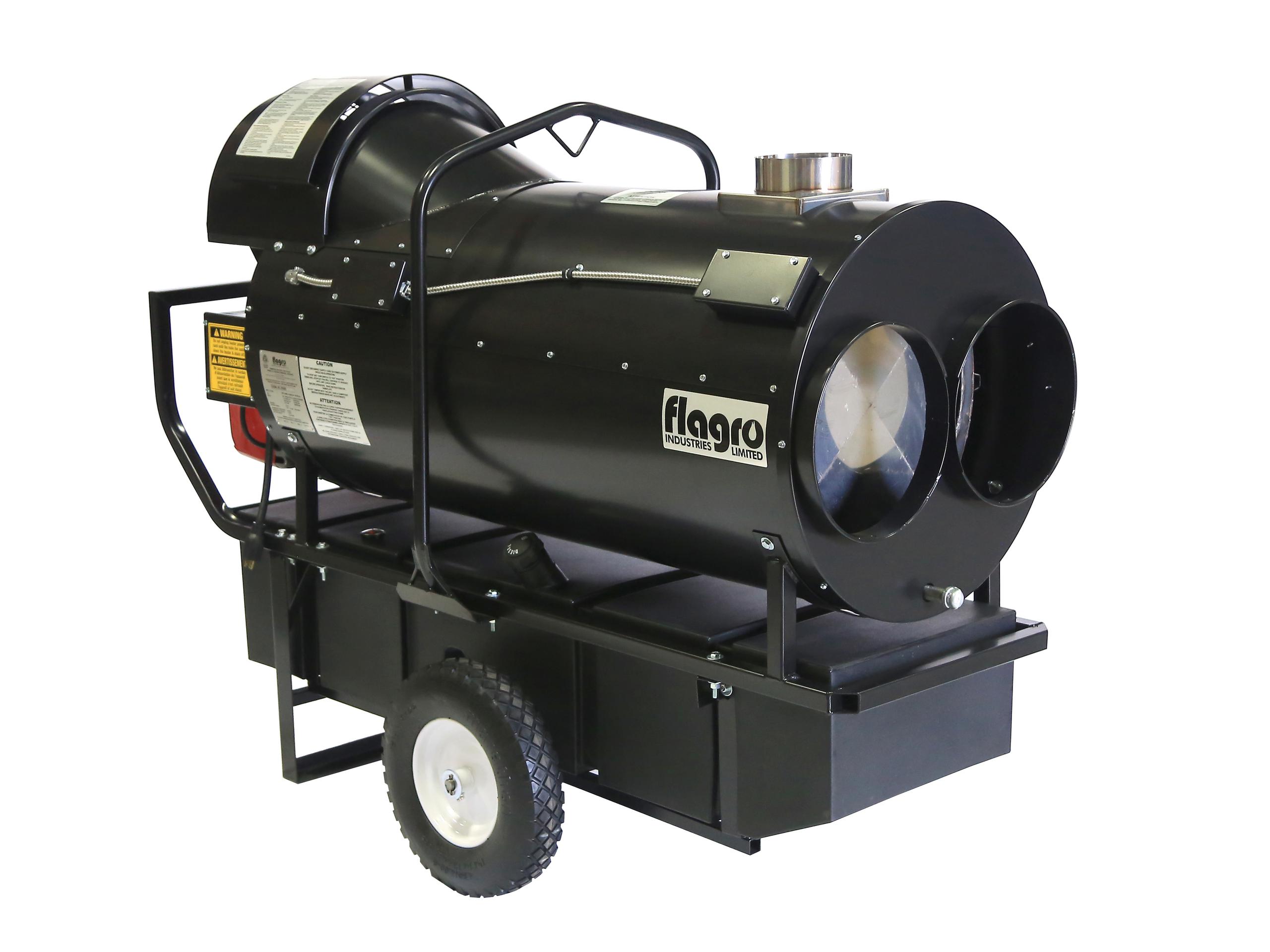
An indirect fired heater burns fuel inside a sealed heat exchanger and exhausts combustion products through a flue, so the air delivered to the space is clean, dry and fume-free: the heater class for enclosed, occupied and finish-sensitive work. The catalog lists 48 models from brands including Flagro, Master, Pinnacle Climate Technologies, Remington, Wacker Neuson and Modine.
Cómo funciona
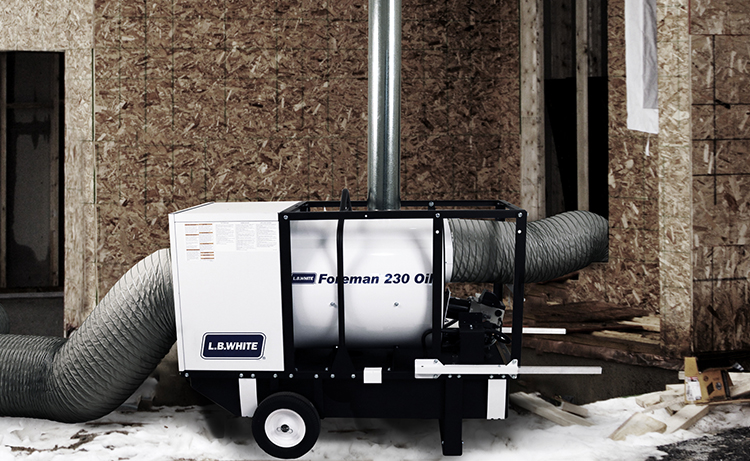
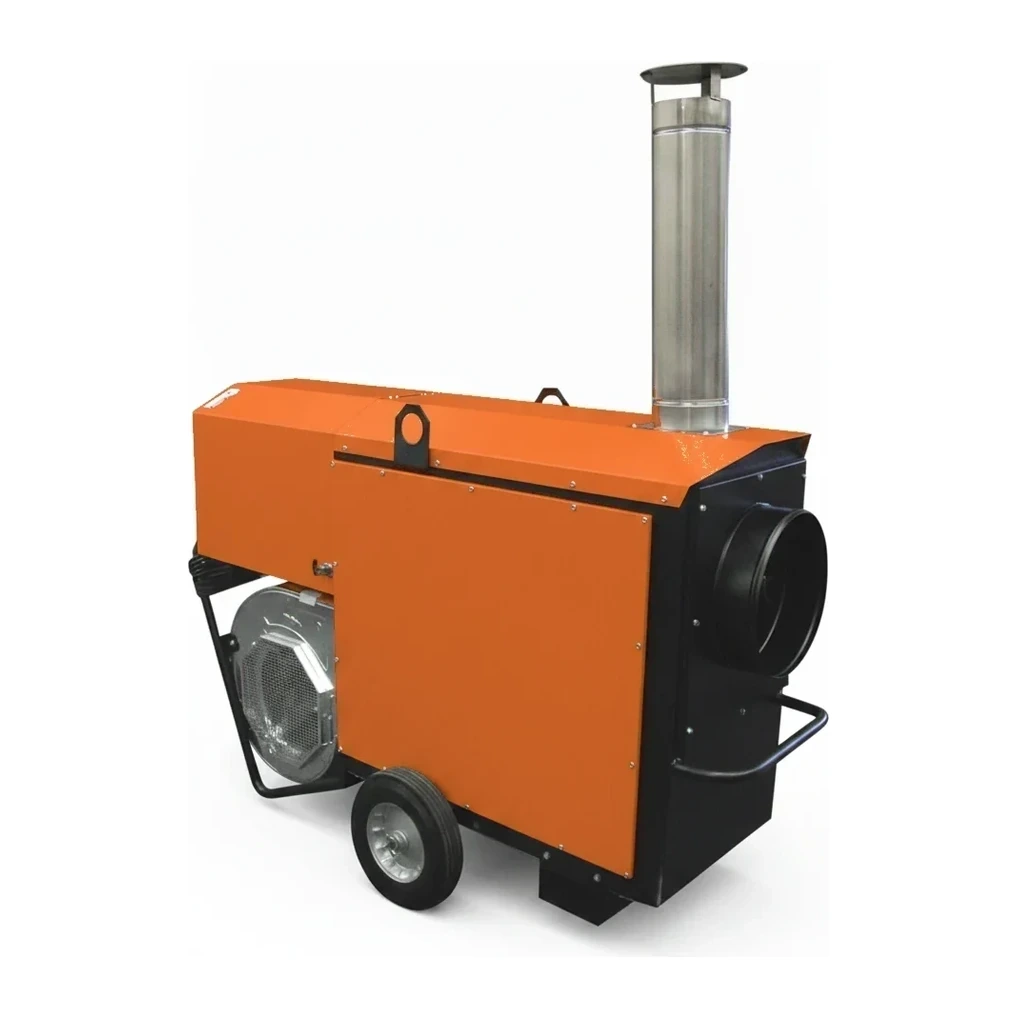
The burner fires into a combustion chamber and exchanger; a fan drives process air across the exchanger's outer surfaces, picking up heat without contacting the flame or its byproducts, which leave through a stack. Ducting carries the clean hot air into the space while the heater itself sits outside or at the perimeter. The exchanger costs some efficiency versus direct fired designs, repaid in air quality, no carbon monoxide, no added moisture, which also makes the class the drying heater.
Tipos y variantes
- Portable indirect heaters
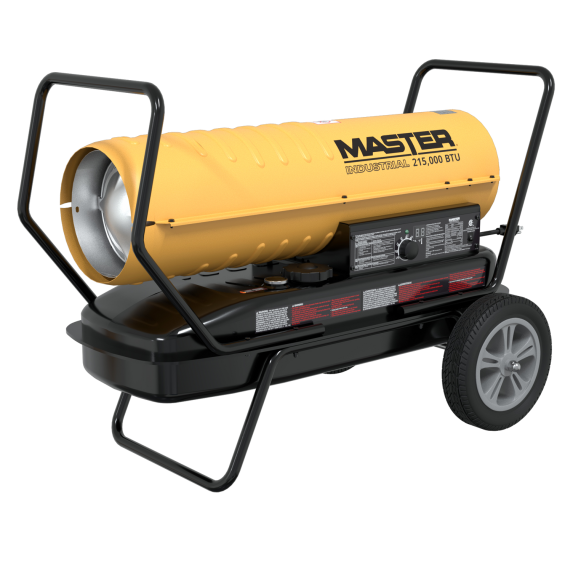
- Compact wheeled units ducting clean heat into rooms and enclosures.
- Mid-size ducted heaters
- The general construction class for garages, floors and enclosures.
- Trailer-mounted indirect heaters
- Self-contained high-output packages with onboard fuel for large buildings.
- Dual-fuel configurations
- Units running diesel, propane or natural gas per site supply.
Especificaciones clave
| Especificación | Rango típico | Qué significa |
|---|---|---|
| Heat output | Up to 50k through 400k BTU + across the catalog size classes | BTU per hour delivered as clean air: the sizing figure. |
| Airflow | 170 to 4,000 cfm documented across listed models | Delivered volume drives duct runs and distribution. |
| Fuel capacity | 5 to 256 gal documented across listed models | Onboard tanks set unattended run time; the top end reflects trailer units. |
| Duct compatibility | Documented per model listing | Rated duct length and diameter govern where the heater can sit relative to the space. |
Cómo la industria lo dimensiona
Indirect fired heaters are sized in BTU against space volume, target temperature rise and duct losses; the catalog classes run Up to 50k, 50-150k, 150-400k and 400k BTU +. Because the airstream is clean, sizing is unconstrained by ventilation dilution: the practical checks are duct runs, fuel logistics and power for the fan.
Aplicaciones
- Heating enclosed and occupied buildings under construction
- Drying structures after water damage without adding moisture
- Curing concrete, paint and coatings where air quality matters
- Tent and event heat with the unit outside the structure
- Winter enclosure heat on renovation and restoration work
Seguridad y operación
- The flue must vent outdoors and remain unobstructed; a blocked stack defeats the clean-air design.
- OSHA 1926.154 placement, clearance and fueling rules apply; refueling follows shutdown and cool-down procedures.
- Ducts and outlets run hot; routing is protected where crews and materials pass.
- Propane-fueled configurations follow NFPA 58 for cylinders and hose runs.
Normas y certificaciones
- UL · 733
- Safety standard for oil-fired air heaters and direct-vent equipment.
- OSHA · 29 CFR 1926.154
- Temporary heating devices on construction sites.
- NFPA · 58
- LP-gas code for propane-fueled models.
Preguntas frecuentes
What does indirect fired actually buy over direct fired?
Why are these the standard drying heaters?
Where does the heater itself sit?
Comparar modelos populares
Buscar por especificación →Normalizado a las mismas unidades. Un guion significa que el valor no fue publicado.
| Modelo | Flujo de aire | Capacidad de combustible |
|---|---|---|
| Wacker Neuson HI1000 | - | - |
| Wacker Neuson HI770XHD | 4,000 cfm | - |
| Flagro FVO-200RC | 2,600 cfm | 22.0 gal |
| Flagro FVO-200RC42 | 2,600 cfm | 42.0 gal |
| Flagro FVO-400 | 2,500 cfm | 42.0 gal |
| Flagro FVO-400RC | 4,000 cfm | 42.0 gal |
Equipos relacionados
Explorar por fabricante
Fuentes
Cada especificación se verifica con los datos publicados por el fabricante, con la fuente enlazada como referencia.
Todos los modelos
48 modelos · Cada especificación citada a la fuente