

Landscape Material Handling
Cómo funciona
Landscape material handling equipment operates on the principle of load distribution and mobility, allowing operators to transport materials efficiently across job sites. The equipment typically features a container or platform mounted on one or more wheels, with handles or controls that enable an operator to lift, push, or guide the load. Weight distribution mechanisms such as axle placement and wheel configuration reduce the effort required to move heavy materials over grass, gravel, mud, slopes, and other challenging surfaces common in landscaping and construction environments.
Tipos y variantes
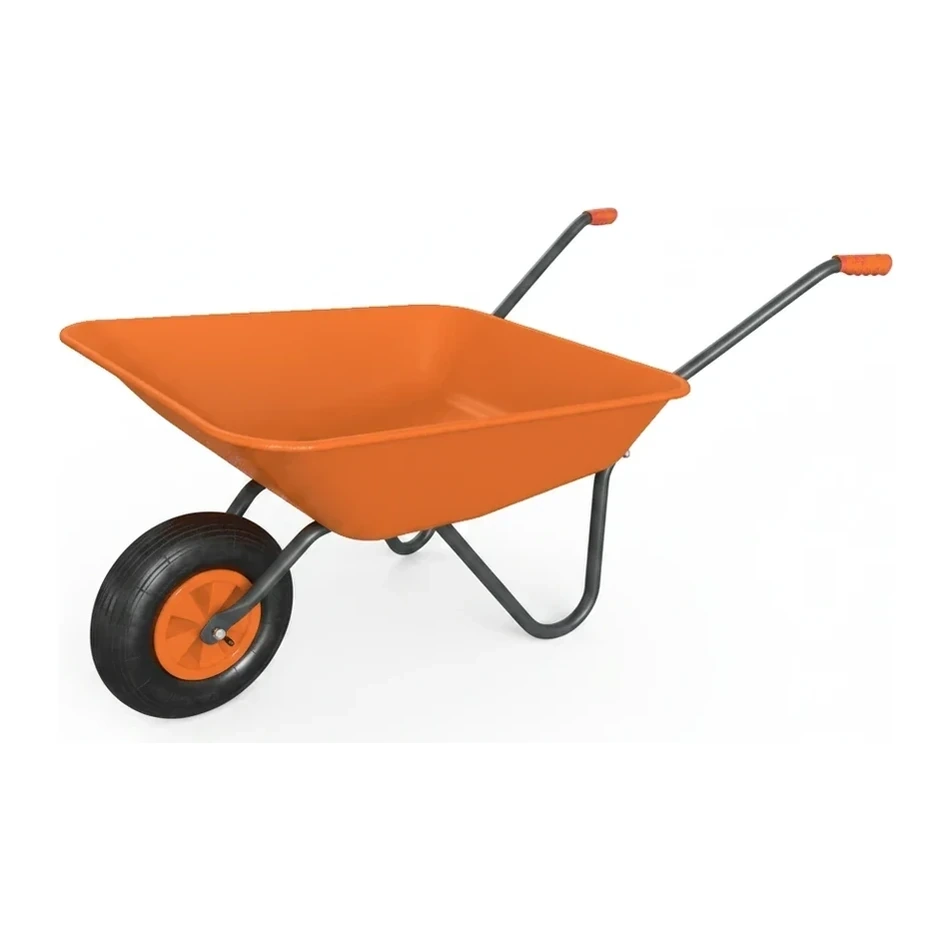
- Traditional Wheelbarrow
- Single-wheel, front-mounted design with two rear handles, offering maximum maneuverability in tight spaces and over uneven terrain; capacities typically range from 3 to 10 cubic feet
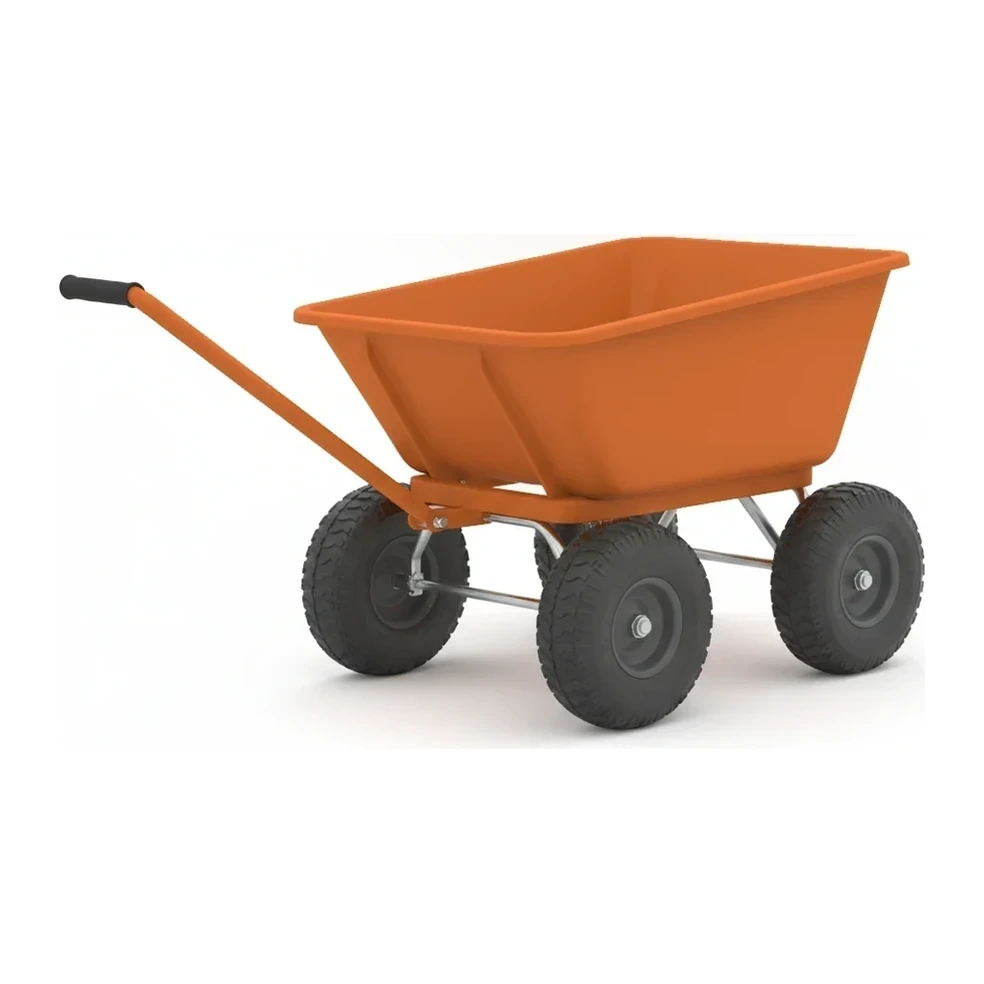
- Garden Cart
- Two-wheel or four-wheel configuration with a centrally balanced bin, providing greater stability and load capacity for heavier materials; capacities typically from 4 to 15 cubic feet
- Contractor Wheelbarrow
- Heavy-duty single or dual-wheel models with reinforced steel trays and robust frames, engineered for concrete, masonry, and high-volume material transport; capacities up to 10 cubic feet with weight limits exceeding 500 pounds
- Powered Wheelbarrow
- Electric or gas-powered motorized units with drive assistance or full self-propulsion, reducing operator fatigue when moving heavy loads over long distances or inclines
- Poly/Resin Wheelbarrow
- Lightweight models with rust-proof plastic or resin trays, designed for lighter landscaping tasks, fertilizer, and materials where corrosion resistance is important
Normas y certificaciones
- ANSI/ASABE · S352.2
- Agricultural equipment safety standards applicable to manually operated material handling implements
- OSHA · 29 CFR 1926.602
- Material handling equipment requirements applicable to construction environments
Preguntas frecuentes
What capacity rating system is used for wheelbarrows?
Wheelbarrows are typically rated by volume capacity in cubic feet (3-10 cu ft most common) and maximum load weight in pounds. Manufacturers also specify tray material, wheel configuration, and frame construction to indicate duty level—residential, commercial, or contractor-grade.
What is the difference between single-wheel and dual-wheel wheelbarrows?
Single-wheel wheelbarrows offer superior maneuverability and precision in tight spaces but require more balance control from the operator. Dual-wheel (or two-wheel) models provide greater stability, especially with heavy or unbalanced loads, and are easier to control on slopes but sacrifice some turning agility.
How does terrain affect wheelbarrow selection?
Soft or uneven terrain such as sand, mud, or turf typically requires larger diameter wheels with wider treads or pneumatic tires to prevent sinking and facilitate rolling. Hard surfaces like concrete allow smaller, solid rubber or flat-free tires. Steep grades may benefit from powered models or dual-wheel stability.
What maintenance is standard for landscape material handling equipment?
Routine maintenance includes inspecting and inflating pneumatic tires to proper pressure, lubricating wheel axles and moving parts, checking for frame cracks or welds, and cleaning trays to prevent material buildup and corrosion. Steel trays may require rust treatment or repainting in corrosive environments.