

Sprayers, Spreaders and Seeding
Cómo funciona
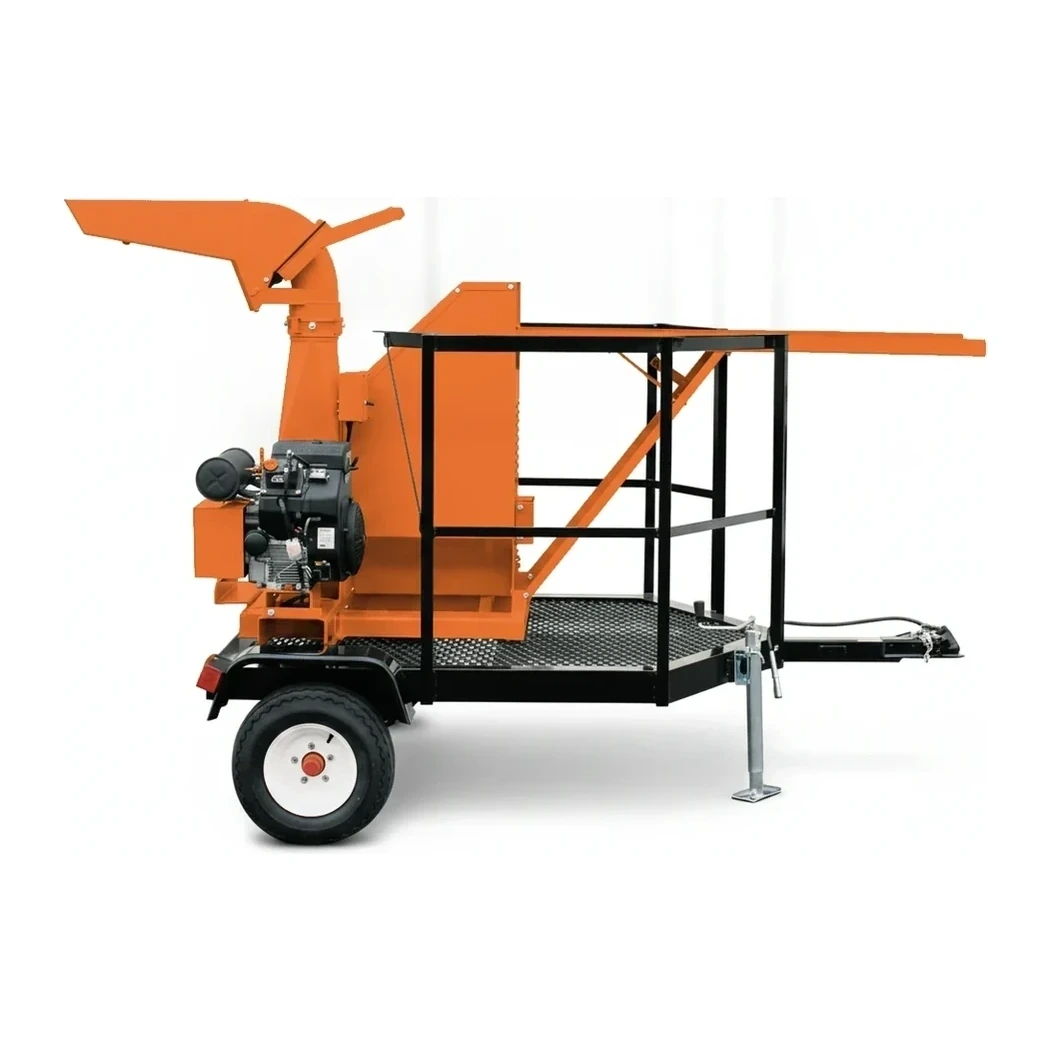
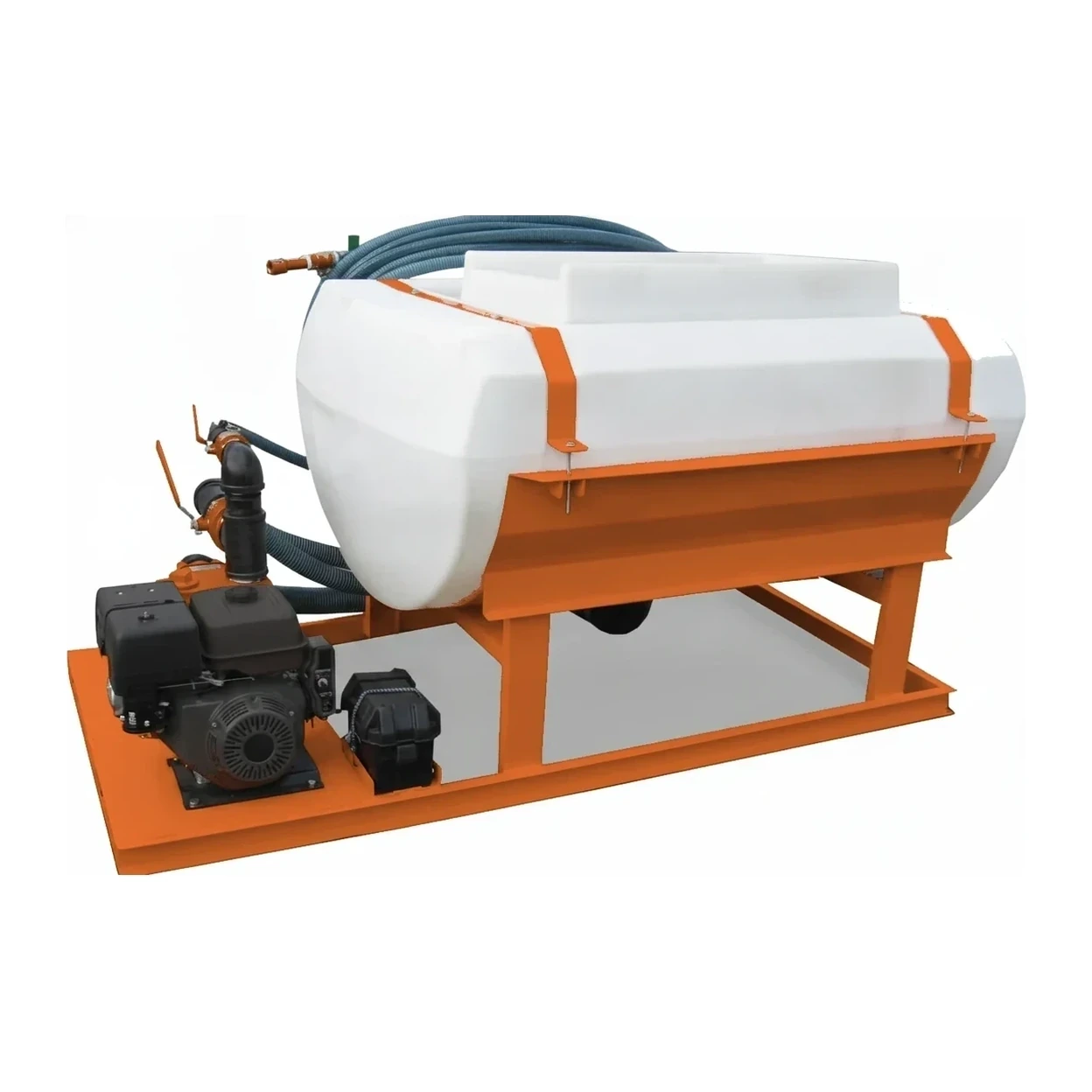
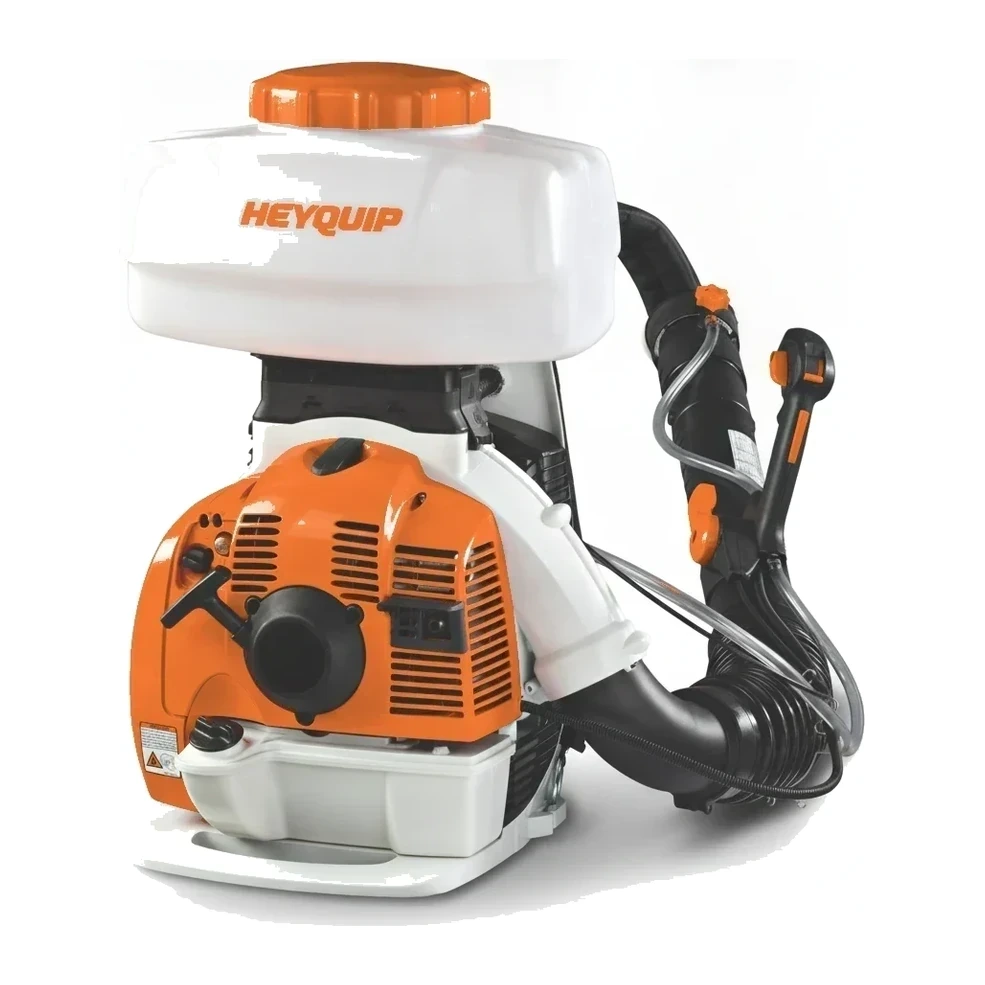
Equipment in this subcategory operates through either hydraulic suspension systems or pneumatic projection methods to distribute materials over prepared soil or existing vegetation. Landscape sprayers use tanks and pumps to apply liquids such as fertilizers, herbicides, or soil amendments. Straw blowers employ high-velocity air streams to project loose mulch, straw, or similar materials through hoses for erosion control and bedding applications. Hydroseeders combine seed, mulch, fertilizer, and water in a tank with mechanical or jet agitation, then spray the slurry through a hose to establish vegetative cover on slopes, disturbed soil, or large turf areas.
Tipos y variantes
- Landscape Sprayer
- Tank-mounted liquid application systems with pumps and spray wands or booms for distributing fertilizers, herbicides, pre-emergents, and soil treatments across turf and ornamental areas
- Straw Blower
- Pneumatic machines that use high-volume air flow to project loose straw, hay, or mulch through flexible hoses for erosion control matting, animal bedding, and surface coverage
- Hydroseeder
- Trailer or truck-mounted tanks with agitation systems that mix and spray hydraulic slurries of seed, mulch, fertilizer, tackifier, and water for turf establishment and slope stabilization
Normas y certificaciones
- EPA · Worker Protection Standard (WPS)
- Regulates safety requirements when applying pesticides or herbicides with spraying equipment
- ASTM · D5338 - Erosion Control Materials
- Standards for hydraulic and mechanically applied erosion control materials relevant to hydroseeding and straw blowing operations
- ASABE · S-572 - Sprayer Nozzle Classification
- Standards for spray pattern classification and droplet size applicable to landscape sprayer equipment
Preguntas frecuentes
What is the difference between a hydroseeder and a straw blower?
A hydroseeder creates and sprays a liquid slurry containing seed, mulch, fertilizer, and water mixed together in suspension, while a straw blower uses forced air to pneumatically project dry loose materials such as straw or mulch. Hydroseeders provide better seed-to-soil contact and are preferred for establishing vegetation, whereas straw blowers excel at quickly covering large areas with loose erosion control materials.
How are hydroseeders sized in the industry?
Hydroseeders are primarily classified by tank capacity, typically ranging from 100 to 3,000 gallons. Smaller units (100-500 gallons) are trailer-mounted for residential and small commercial work, mid-size units (500-1,000 gallons) handle typical commercial projects, and large units (1,000+ gallons) are truck-mounted for highway, mining, and large-scale erosion control applications.
What applications require landscape sprayers versus larger agricultural sprayers?
Landscape sprayers are designed for controlled application on ornamental beds, turf areas, and smaller properties where precision, lower volumes, and maneuverability are important. These typically feature smaller tanks (25-200 gallons), lower pressure systems, and hand wands or short booms suitable for landscaped environments rather than open field agriculture.
What agitation methods are used in hydroseeding equipment?
Hydroseeders employ either mechanical agitation using paddles or chains driven by PTO or hydraulic motors, or jet agitation which recirculates slurry through nozzles to create turbulence. Mechanical agitation provides more aggressive mixing suitable for heavy mulch loads, while jet agitation offers simplicity with fewer moving parts and works well for lighter slurries.