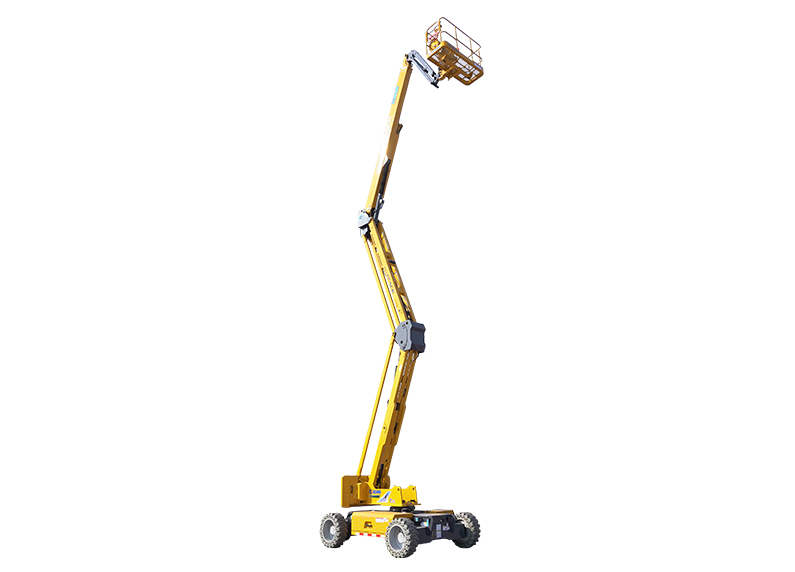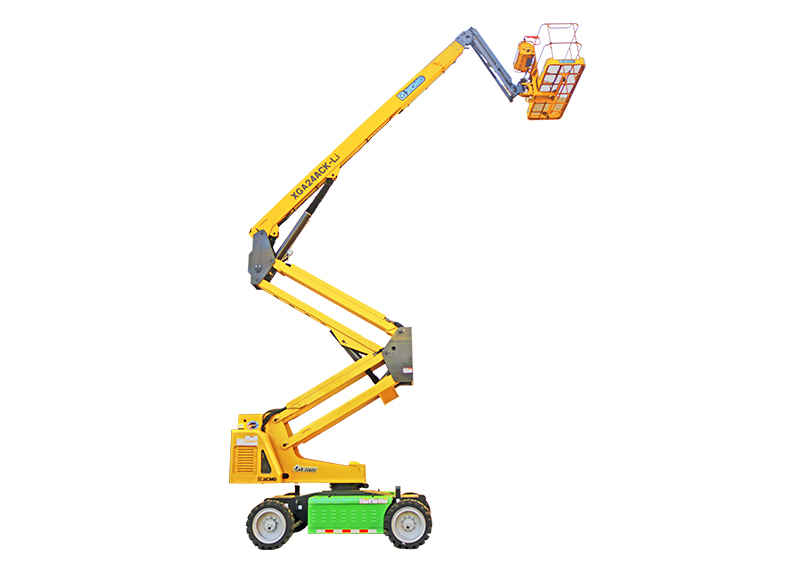

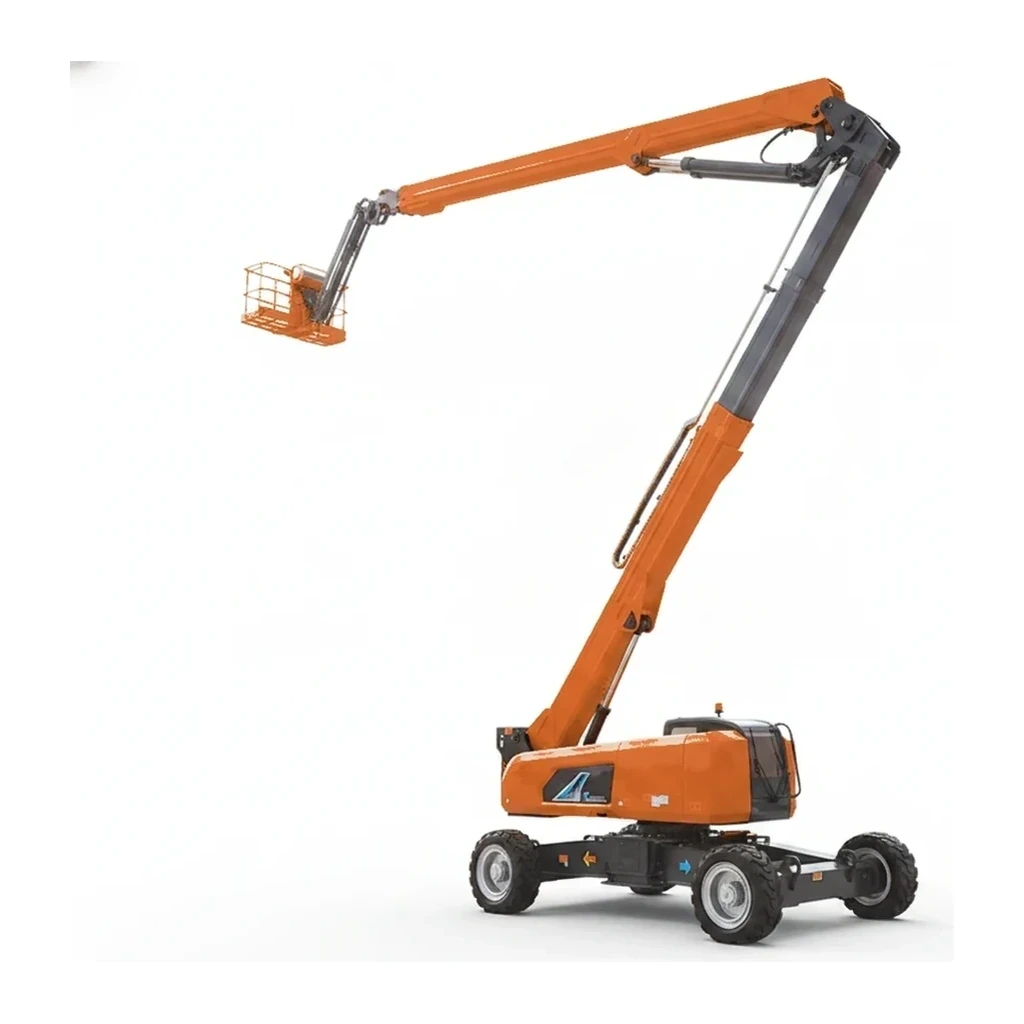
60-80 ft Articulating Boom Lift
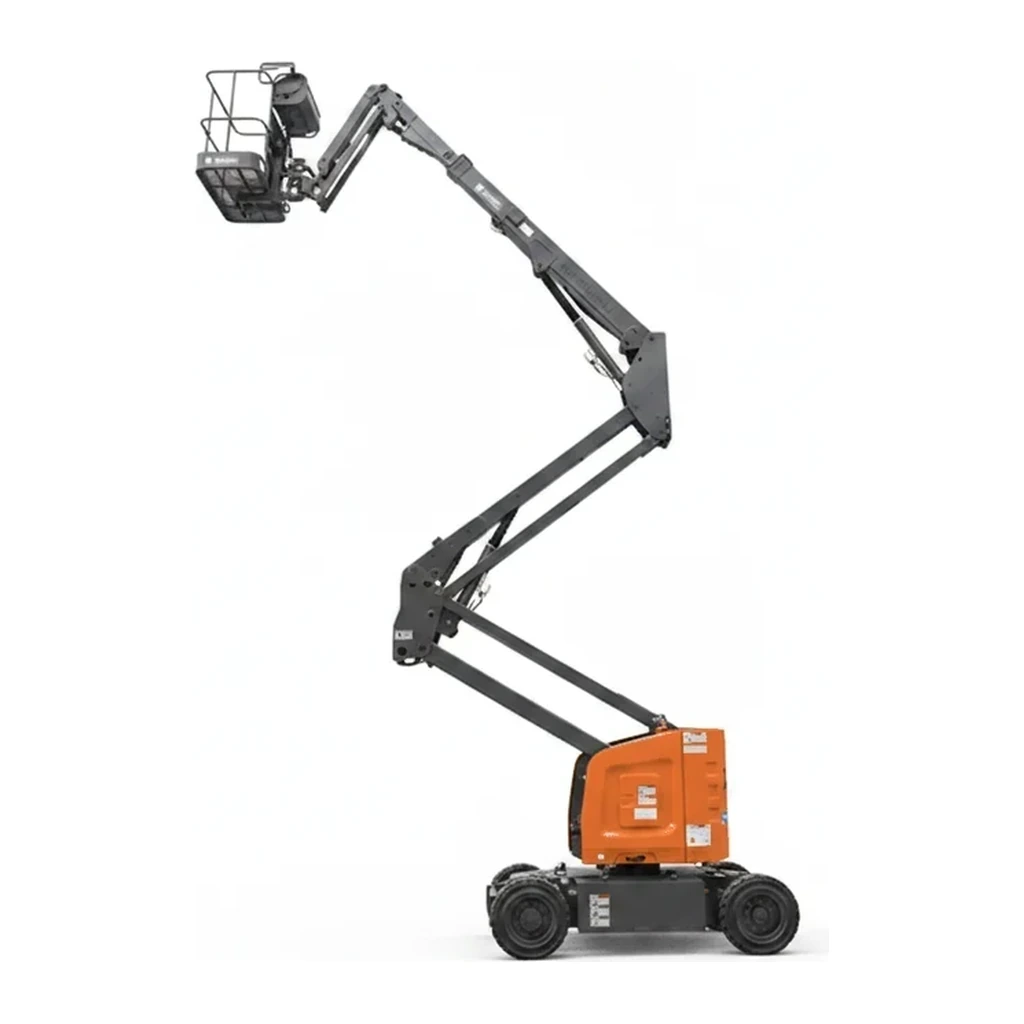
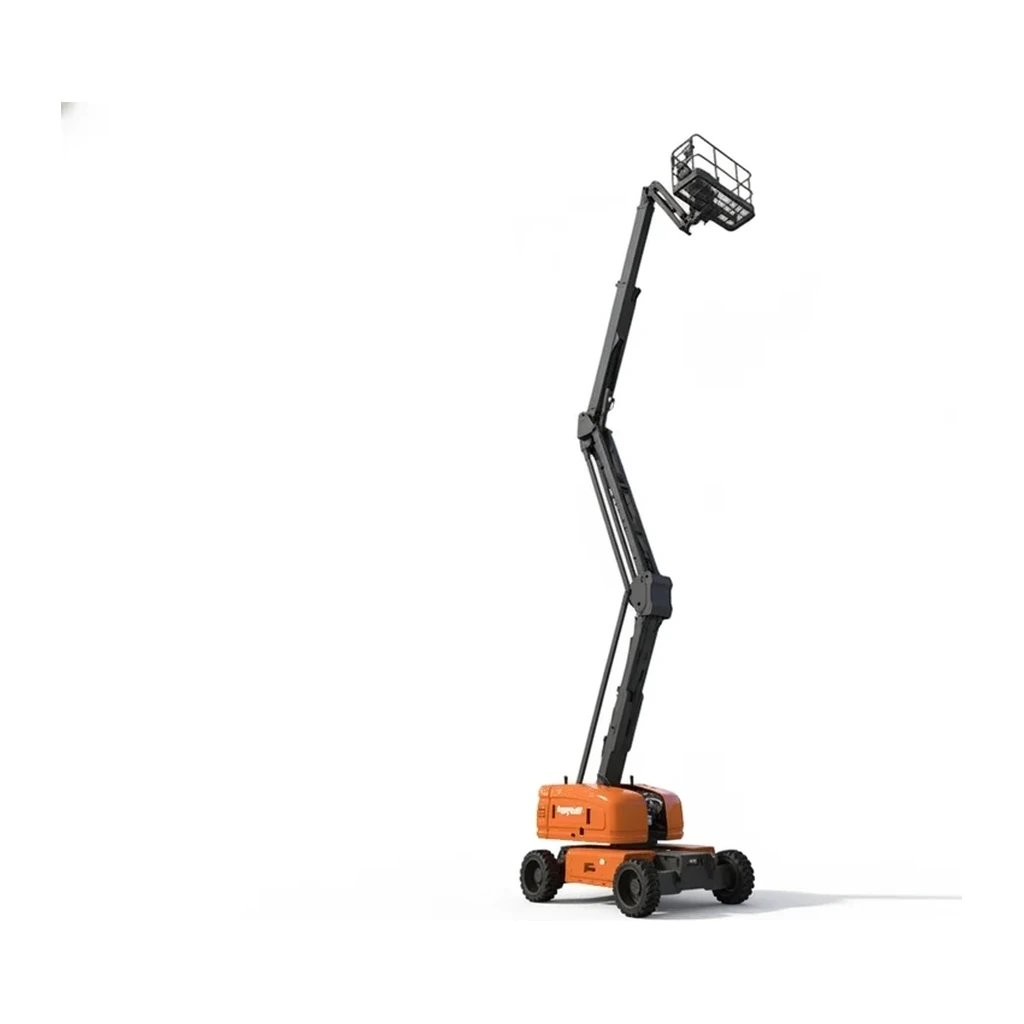
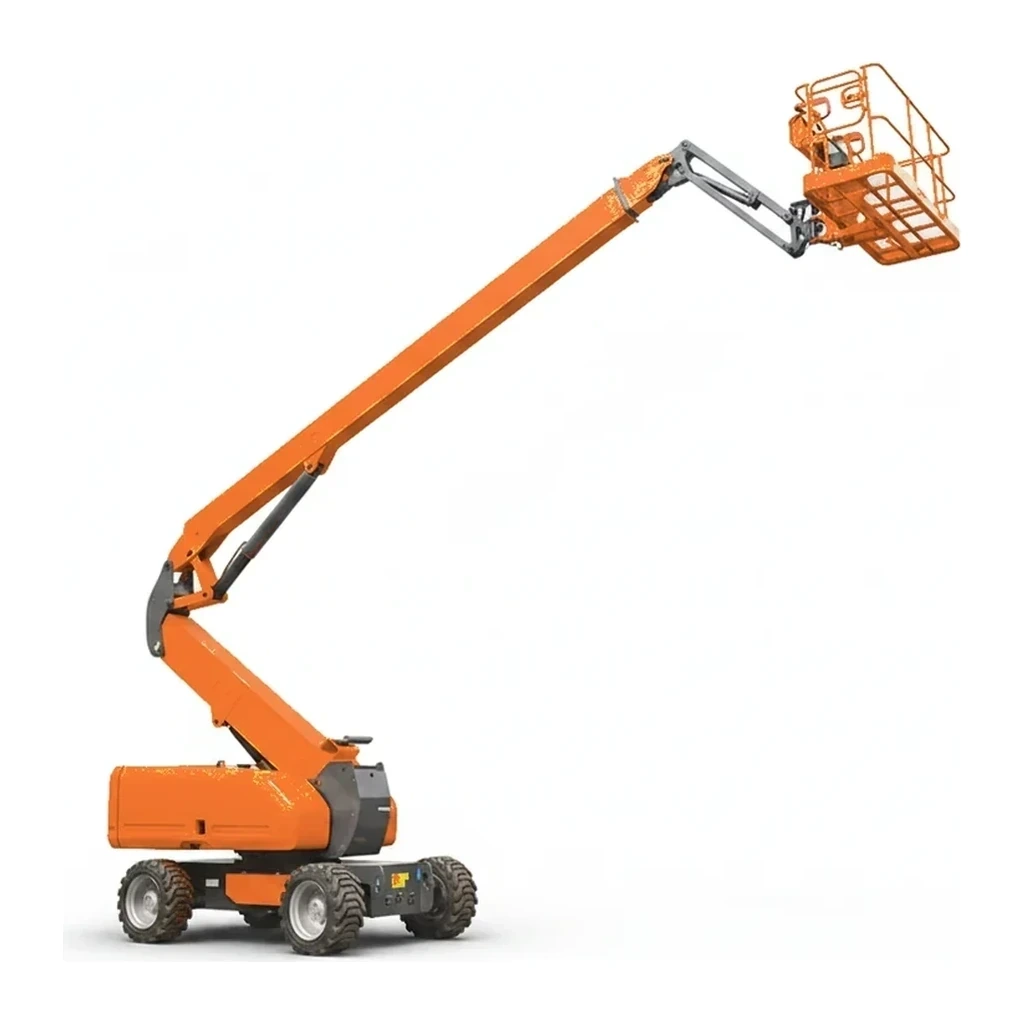
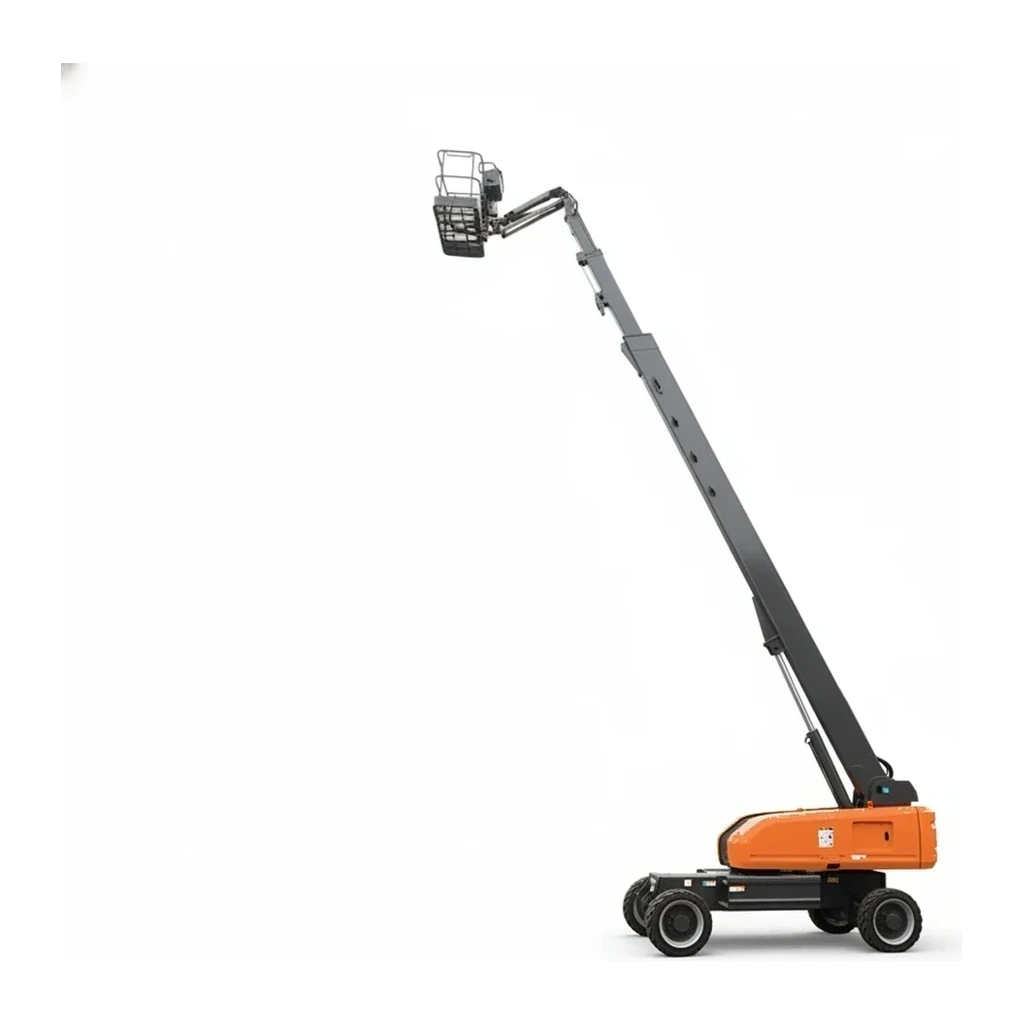
The 60-80 ft articulating boom lift class comprises 4WD diesel-powered knuckle booms designed for reaching over obstacles and into building faces on unimproved terrain. These machines deliver working heights of 20-79 ft with horizontal outreach to 45 ft, enabling work above and around parked equipment, stacked materials, or structures. This size bridges medium-reach articulating booms and the heavier 80-100 ft class used for high-elevation building envelope work.
Cat classes
Elija una clase de tamaño: la capacidad y el alcance varían en la gama.
Especificaciones clave
| Especificación | Rango típico | Qué significa |
|---|---|---|
| Working height | 20–79 ft (6.1–24.1 m) | Vertical reach from ground to platform floor plus typical 6 ft worker height |
| Horizontal outreach | 11–45 ft (3.4–13.7 m) | Maximum reach measured from machine centerline when boom is fully extended laterally |
| Platform capacity | 441–1,001 lb (200–454 kg) | Combined weight limit for workers, tools, and materials in the basket |
| Operating weight | 7,705–60,627 lb (3,495–27,500 kg) | Machine weight affecting ground pressure and trailer transport requirements |
| Gradeability | 40-45% | Maximum slope the 4WD chassis can climb when stowed |
Cómo elegir
This class suits work requiring up-and-over reach on ungraded sites: HVAC installations above loading docks, facade repairs with ground obstacles, or industrial maintenance where parked machinery blocks vertical access. When working heights stay below 60 ft without significant horizontal obstacles, the 40-60 ft Articulating Boom Lift offers a lighter footprint and tighter turning radius. For building envelopes above six stories or horizontal reach beyond 45 ft, the 80-100 ft Articulating Boom Lift provides the necessary geometry, though transport and ground-bearing requirements increase substantially.
Lo que maneja este tamaño
- Metal panel installation on four- to six-story commercial facades with scaffolding or materials staged at grade
- HVAC duct routing over process equipment in operating manufacturing plants
- Bridge inspection and repair on abutments and lower pier caps with uneven approach terrain
- Exterior lighting installation above warehouse loading docks with parked trailers
- Tree trimming and utility line clearance in wooded lots without established roads
- Masonry restoration on historic buildings where interior access is restricted and staging areas are congested
Seguridad y operación
- 4WD and oscillating axles enhance stability on slopes up to 45%, but operators must verify ground bearing capacity before positioning
- Platform capacities of 200-454 kg include personnel, tools, and materials; overloading triggers tilt sensors and function lockouts on most models
- Articulating geometry permits operation near energized lines or structures; maintain minimum clearance distances per OSHA 1926.1408 and local codes
- Wind loading on extended booms affects stability; manufacturers specify maximum wind speeds (typically 12.5 m/s) for safe operation at full reach
Transporte y logística
- Operating weights of 3.5-27.5 metric tons typically require tandem-axle tagalong or tilt-bed trailers rated 10,000-35,000 kg GVWR
- Larger models in this class exceed legal width or height limits when stowed, necessitating pilot vehicles and oversize permits for highway transport
- Stowed dimensions and axle configurations vary widely; consult manufacturer transport guides to confirm trailer compatibility and permitting
Alimentación
- Diesel engines ranging 18-65 hp with fuel tanks holding 64-136 liters, providing 8-12 hours of typical operation per fill
- 4WD hydraulic drive systems draw continuous power during tramming and positioning on slopes; fuel consumption increases on rough grade work
- Cold-weather operation may require diesel fuel additives or block heaters in regions with sub-freezing temperatures
Preguntas frecuentes
What distinguishes a 60-80 ft articulating boom from a telescopic boom of similar height?
How does operating weight affect site usability for machines in this class?
Can 4WD articulating booms in this size range drive at full elevation?
Comparar modelos populares
Buscar por especificación →Normalizado a las mismas unidades. Un guion significa que el valor no fue publicado.
| Modelo | Altura de trabajo | Capacidad de plataforma |
|---|---|---|
| JLG 600AJ HC3 | 60 ft (18.3 m) | 1,001 lb (454 kg) |
| Snorkel AB60J | - | 500 lb (227 kg) |
| Haulotte HA20 E | - | 551 lb (250 kg) |
| Haulotte HA20 E PRO | - | 551 lb (250 kg) |
| Haulotte HA20 RTJ | - | 551 lb (250 kg) |
| Haulotte HA20 RTJ PRO | - | 551 lb (250 kg) |
Equipos relacionados
Explorar por fabricante
Fuentes
Cada especificación se verifica con los datos publicados por el fabricante, con la fuente enlazada como referencia.
60-80 ft Articulating Boom Lift
59 modelos · Página 2 de 2 · Cada especificación citada a la fuente