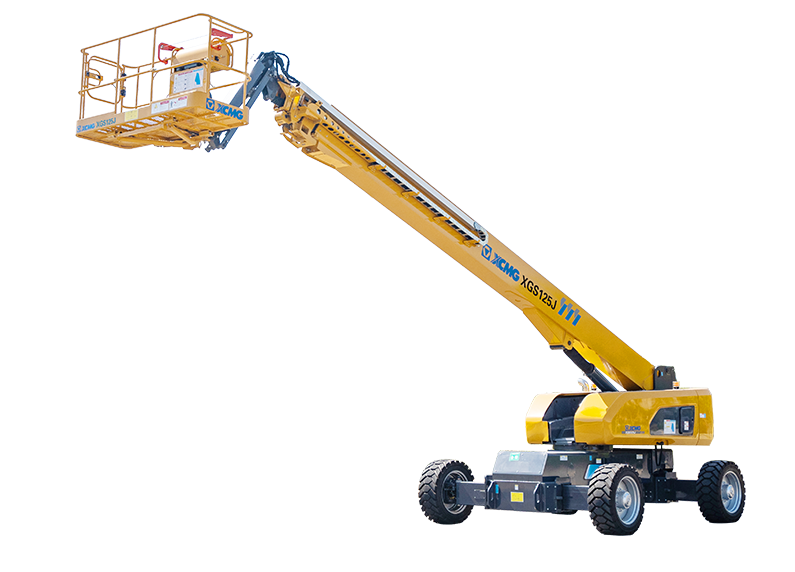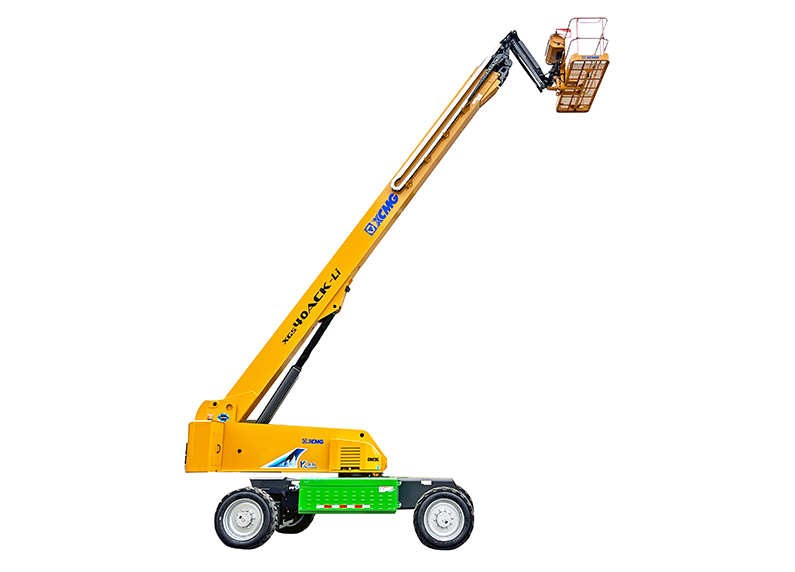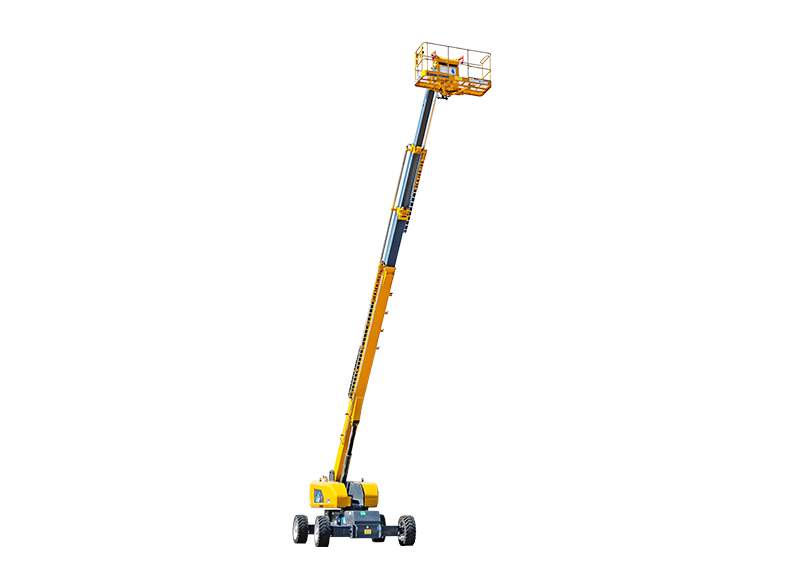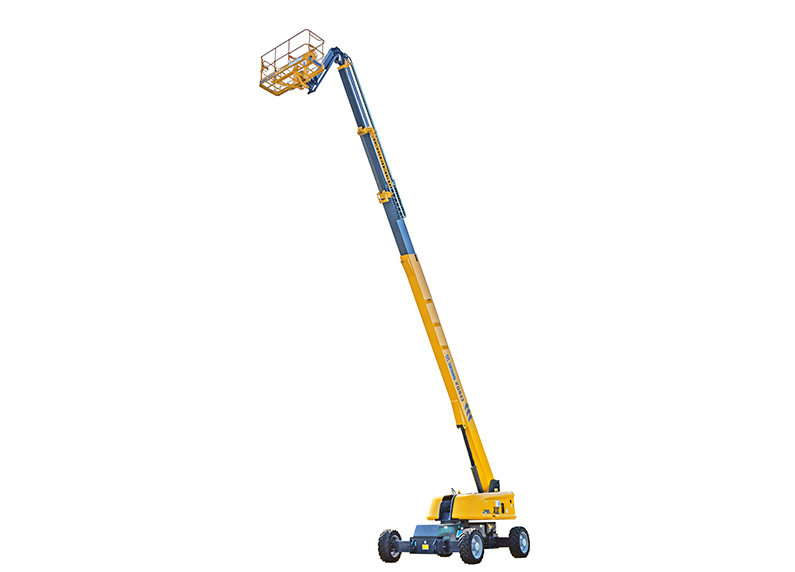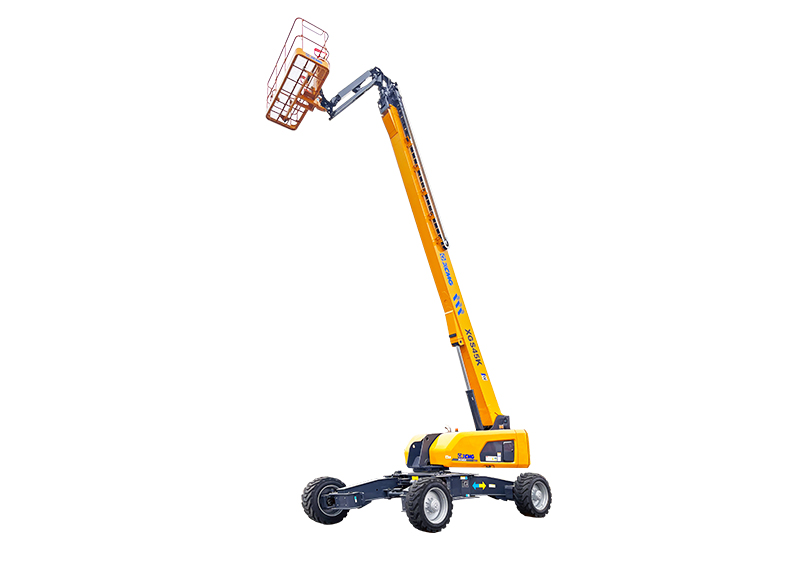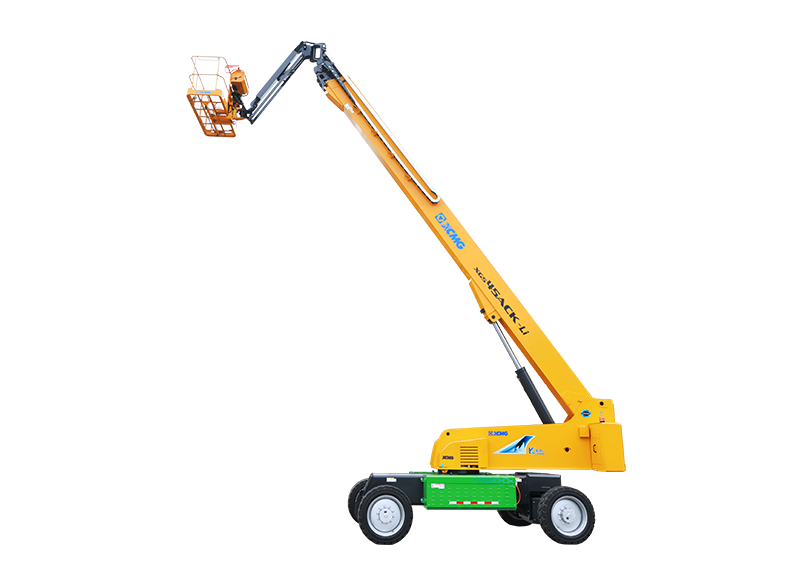

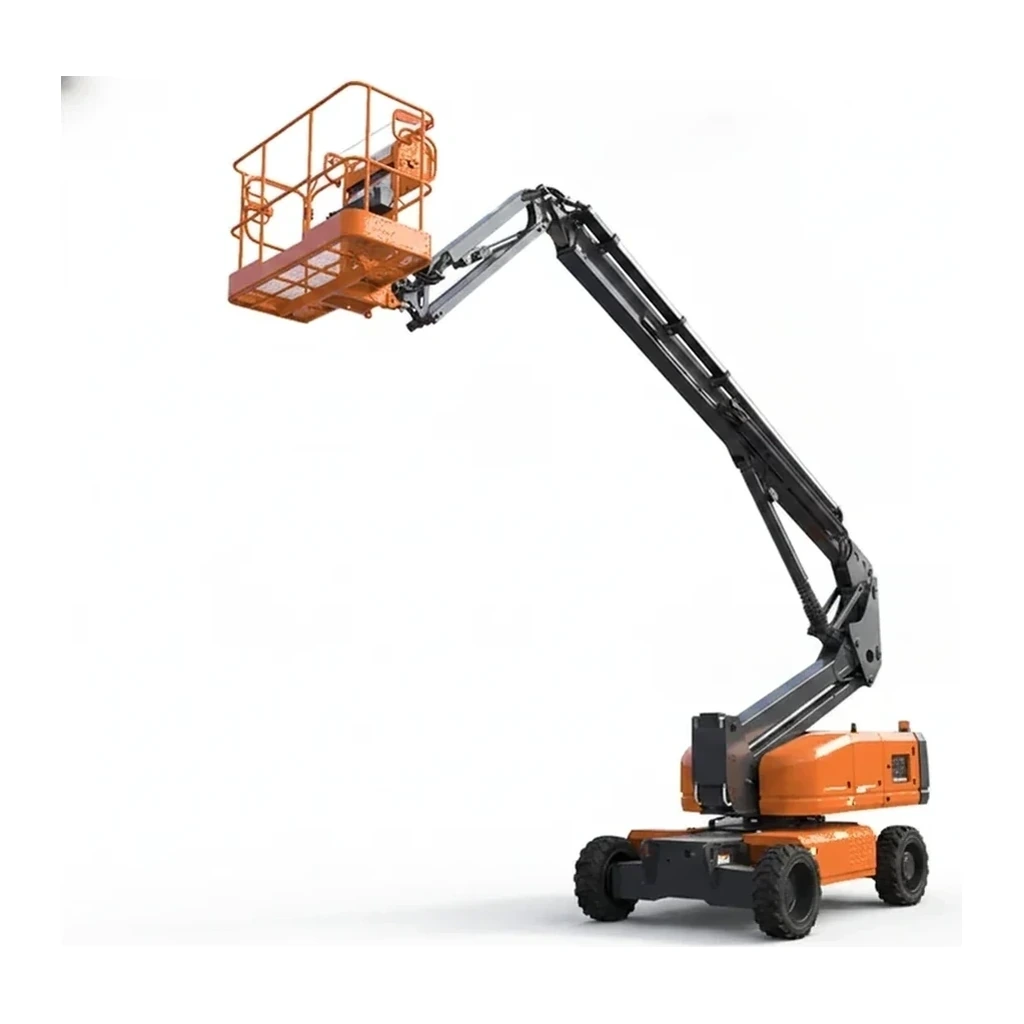
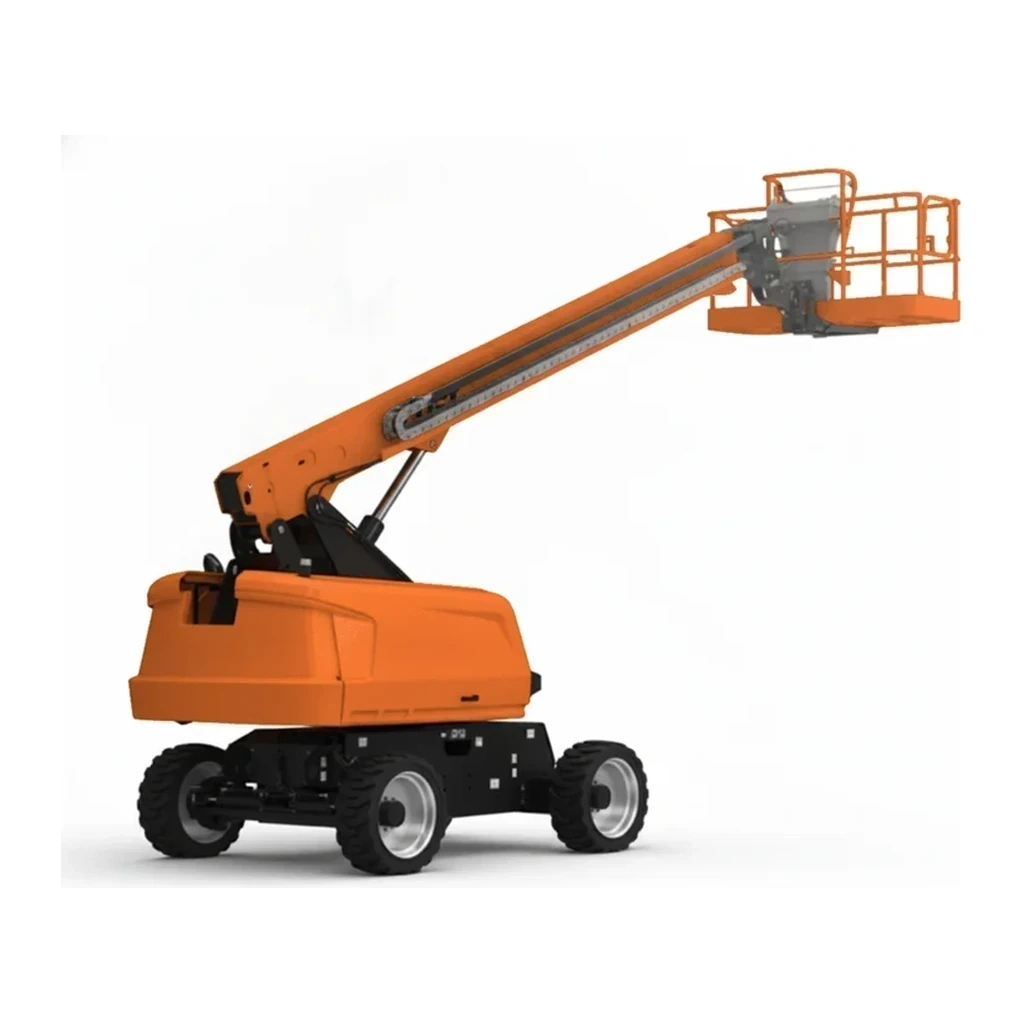
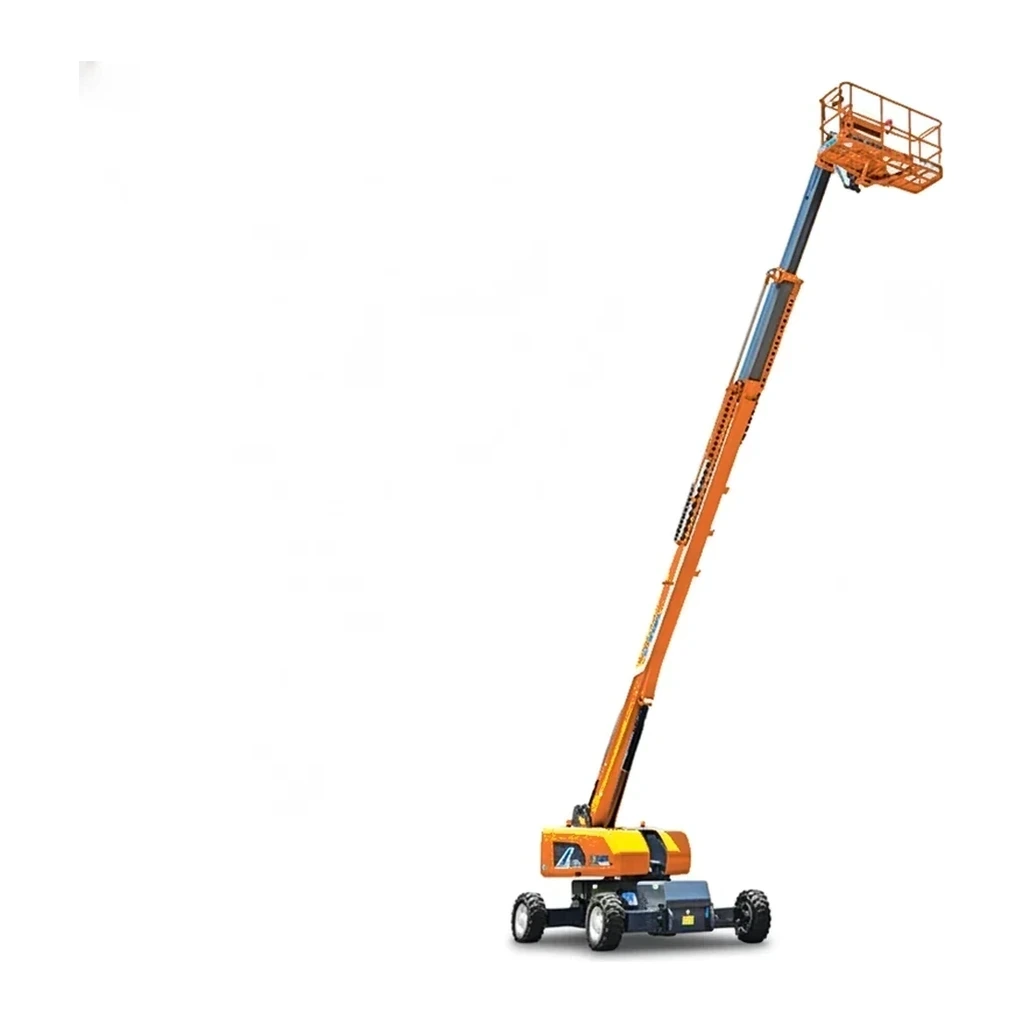
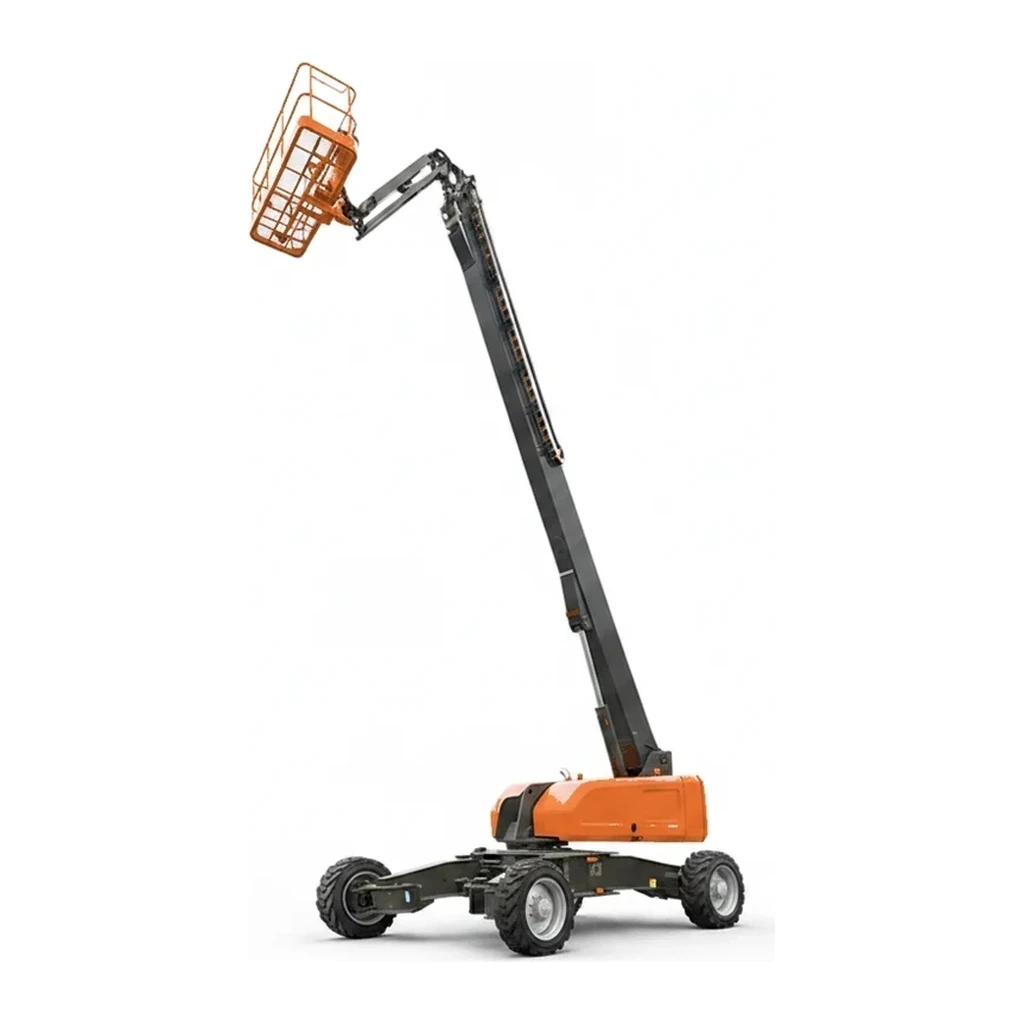
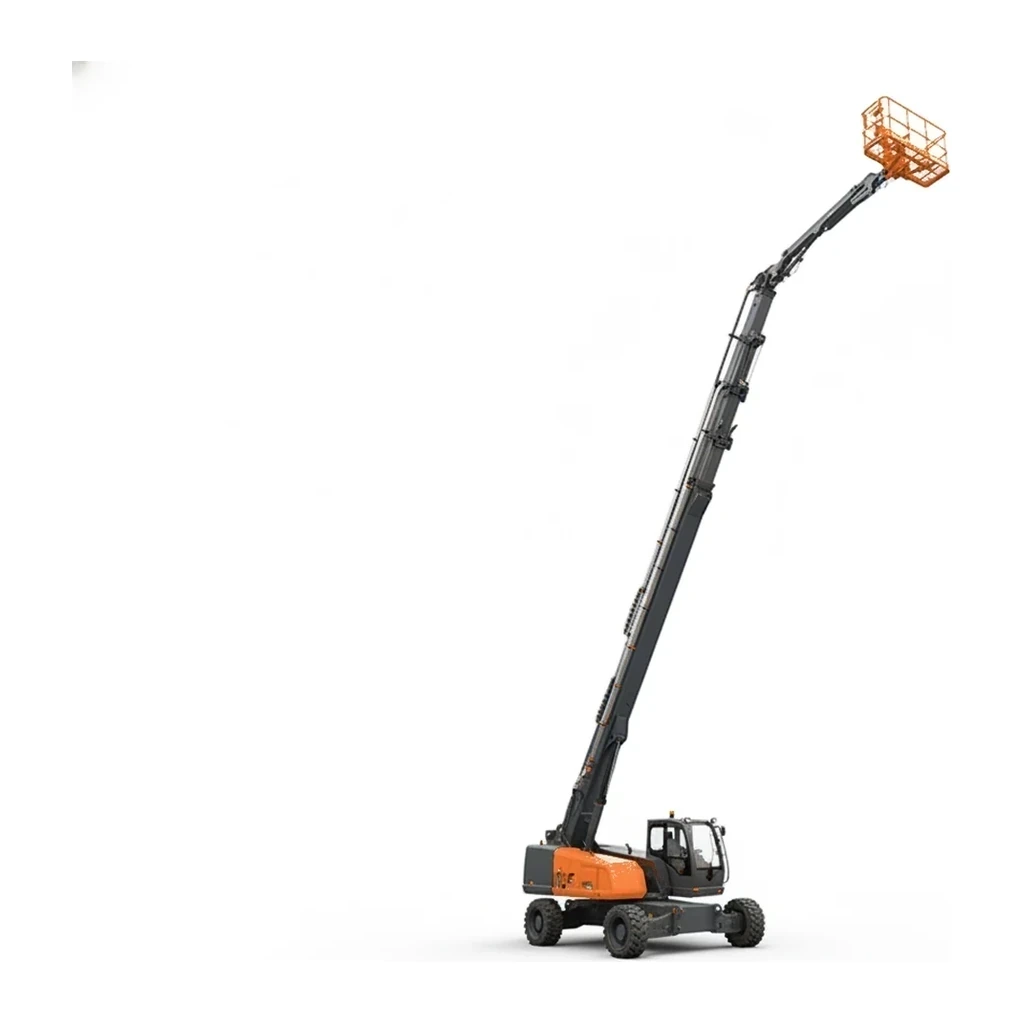
130-160 ft Telescopic Boom Lift
The 130-160 ft telescopic boom lift represents the tallest standard-production class in the industry, engineered for refinery columns, stacks, and tower work where vertical reach exceeds the capability of most aerial platforms. This size class sits at the top of the telescopic boom ladder, above the 90-130 ft class and below the specialized 160+ ft category. Machines in this band weigh 18,960-22,657 kg and deliver working heights up to 148 ft with platform capacities of 227-454 kg.
Cat classes
Elija una clase de tamaño: la capacidad y el alcance varían en la gama.
Especificaciones clave
| Especificación | Rango típico | Qué significa |
|---|---|---|
| Working height | 40–148 ft (12.2–45.1 m) | Maximum elevation from ground to platform workspace; defines the scale of structures this class can service. |
| Platform capacity | 500–1,001 lb (227–454 kg) | Weight limit for personnel, tools, and materials on the platform; varies by model and outreach configuration. |
| Operating weight | 41,800–49,950 lb (18,960–22,657 kg) | Machine weight determines ground bearing pressure, transport requirements, and foundation loading. |
| Engine power | 55-65 hp | Diesel power drives hydraulics and propulsion; sized for heavy boom extension and retraction cycles. |
| Max reach | 24–25 ft (7.3–7.6 m) | Horizontal outreach from chassis centerline at maximum height; critical for clearing obstacles and setbacks. |
Cómo elegir
This size class is the correct choice when working heights exceed 130 ft on refineries, industrial stacks, transmission towers, or similar structures where the 90-130 ft Telescopic Boom Lift cannot reach. The 90-130 ft class offers easier transport, lower operating weight, and reduced site preparation for work under 130 ft, making it preferable unless the extra height is essential. For the rare jobs requiring working heights above 160 ft, the 160+ ft Telescopic Boom Lift category includes specialized and custom-built machines with significantly greater complexity and mobilization requirements.
Lo que maneja este tamaño
- Inspection and maintenance of 140 ft refinery distillation columns
- Painting and surface prep on 150 ft industrial exhaust stacks
- Instrumentation work on tall fractionation towers in petrochemical plants
- Structural steel inspection on high-rise steel frames during erection
- Antenna and cabling installation on communication towers at 130-145 ft elevation
- Lighting and signage installation on stadium floodlight towers
Seguridad y operación
- Ground bearing pressure and stability require hard, level surfaces; outrigger pads and timber cribbing necessary on soft or uneven terrain
- Wind speed restrictions become critical at full extension; manufacturers specify maximum allowable wind for safe operation at height
- Fall protection, harness anchorage, and platform gate interlocks are standard; pre-operation inspections verify all systems functional
- Communication protocols essential when operating near overhead power lines, process equipment, or active refinery operations; exclusion zones must be maintained
Transporte y logística
- Requires heavy-duty lowboy or multi-axle trailer rated for 19,000-23,000 kg loads; permit loads in many jurisdictions
- Transport height and width typically exceed standard limits; route planning and escort vehicles often required
- Loading and unloading demand reinforced ramps or dock facilities; ground conditions must support combined trailer and machine weight
Alimentación
- Diesel fuel tanks hold 117-189 liters; consumption rates depend on duty cycle and boom extension frequency
- Daily fuel consumption on active jobs typically requires on-site refueling or multiple fuel runs for extended operations
- Cold-weather operation may require fuel additives and block heaters for reliable engine starts
Preguntas frecuentes
What site preparation does the 130-160 ft class require?
How does platform capacity change with height and reach?
What distinguishes this class from the 160+ ft category?
Comparar modelos populares
Buscar por especificación →Normalizado a las mismas unidades. Un guion significa que el valor no fue publicado.
| Modelo | Altura de trabajo | Capacidad de plataforma |
|---|---|---|
| Haulotte HT43 RTJ PRO | - | 507 lb (230 kg) |
| JLG 1350SJP | 135 ft (41.1 m) | - |
| JLG 1500SJ | 150 ft (45.7 m) | - |
| Snorkel TB126J | - | 500 lb (227 kg) |
| Genie S-125 | 132 ft (40.1 m) | - |
| Genie SX-150 | 159 ft (48.3 m) | - |
Equipos relacionados
Explorar por fabricante
Fuentes
Cada especificación se verifica con los datos publicados por el fabricante, con la fuente enlazada como referencia.
130-160 ft Telescopic Boom Lift
13 modelos · Cada especificación citada a la fuente