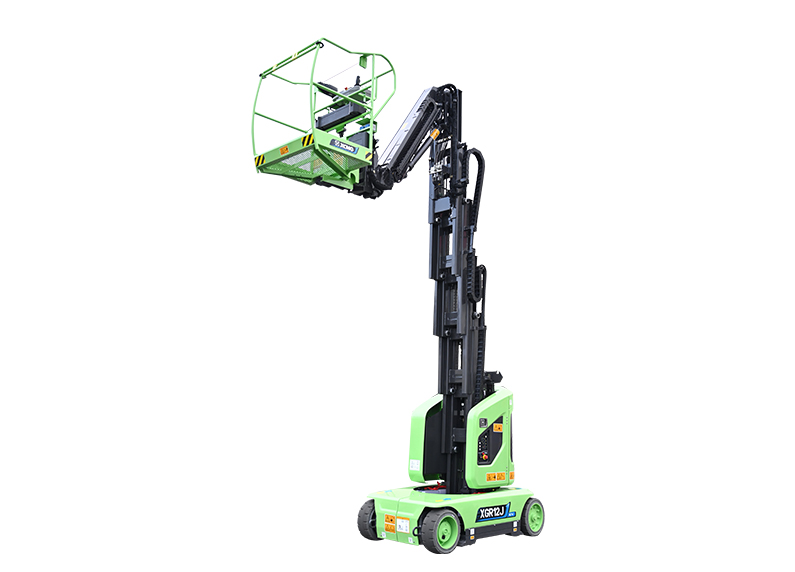

Self-Propelled Mast Lift
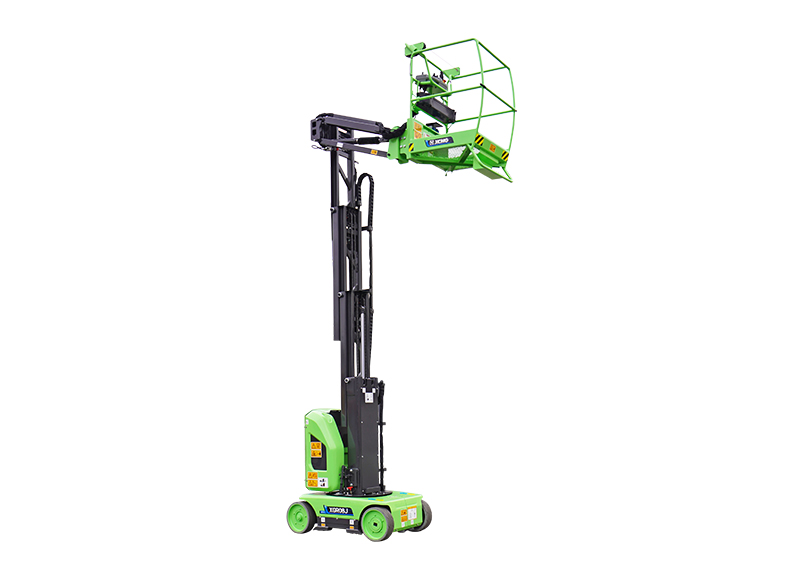
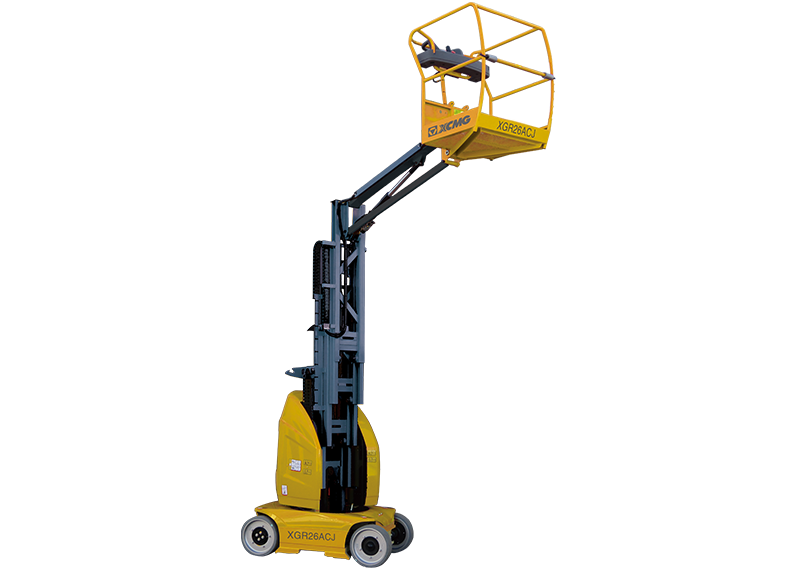
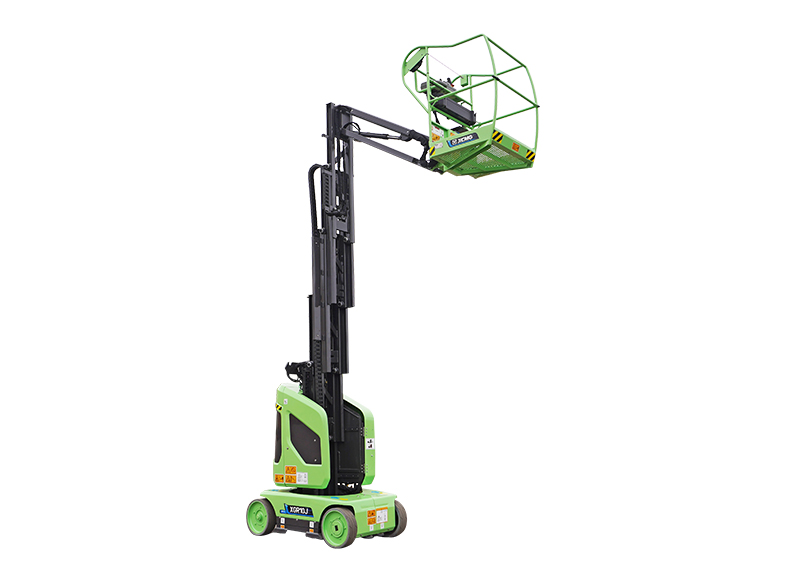
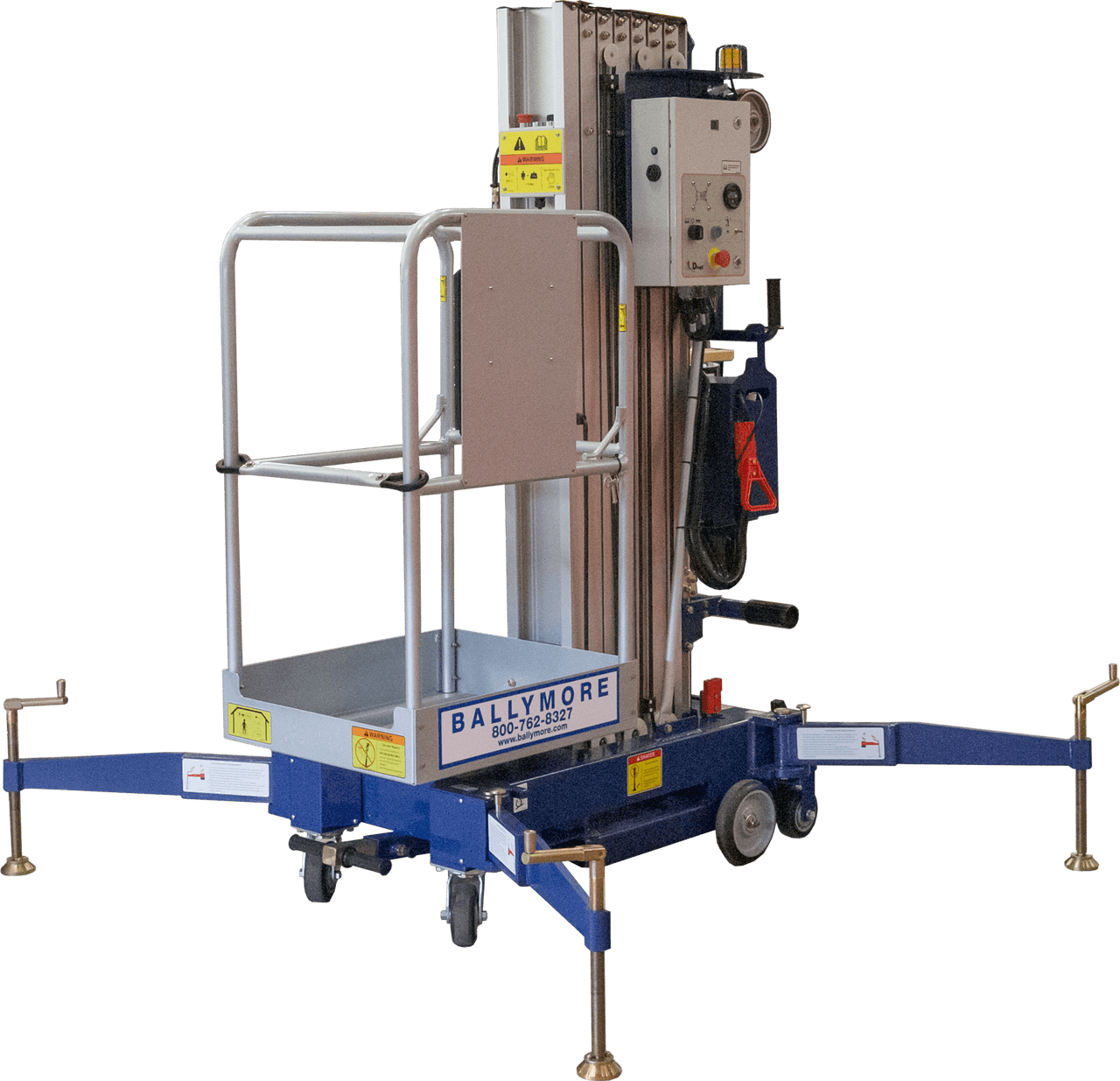
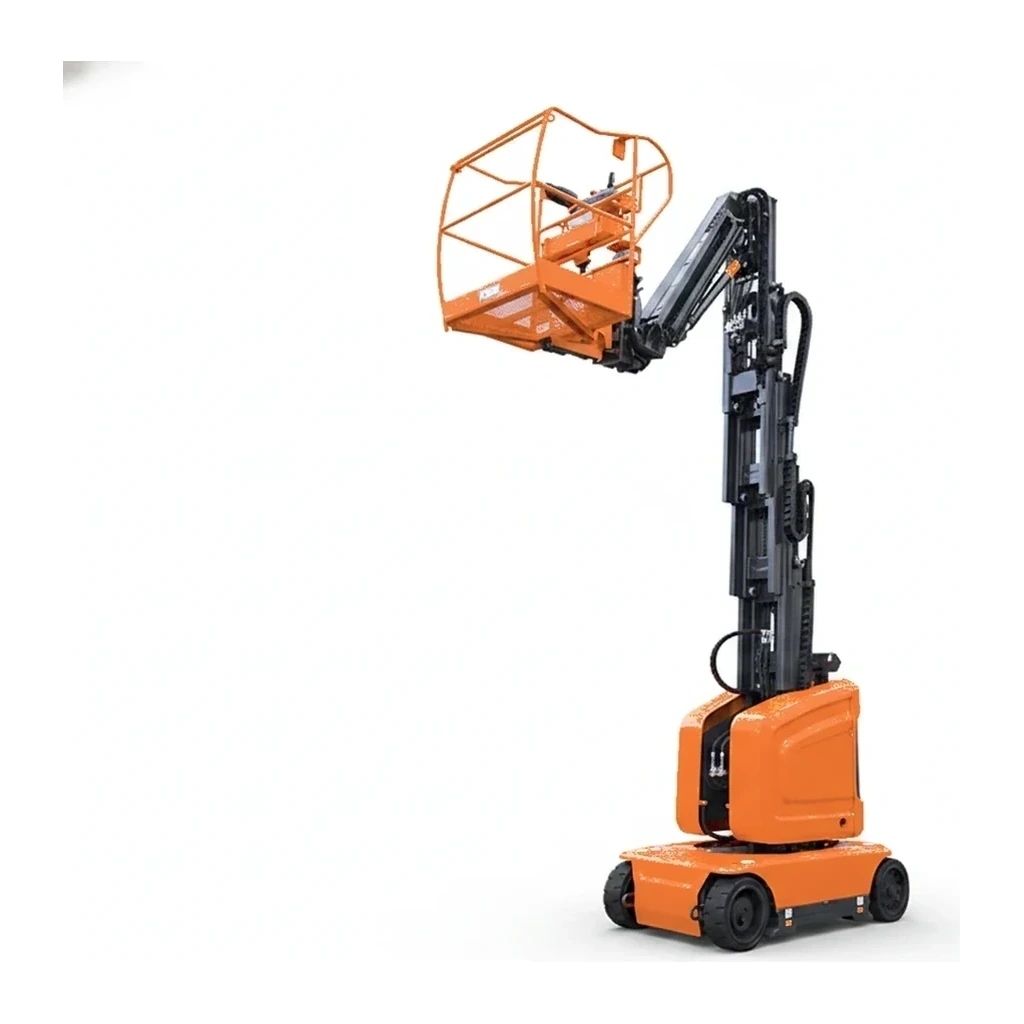
A self-propelled mast lift is a mobile elevated work platform featuring a vertical telescoping or articulating mast system with an integrated drive mechanism that allows the operator to move the machine while elevated. These compact, narrow-profile lifts provide vertical access in confined indoor spaces where larger scissor lifts or boom lifts cannot maneuver. The equipment class is characterized by its ability to fit through standard doorways and navigate tight aisles while providing working heights typically ranging from 3.3 to 44.9 ft.
Cat classes
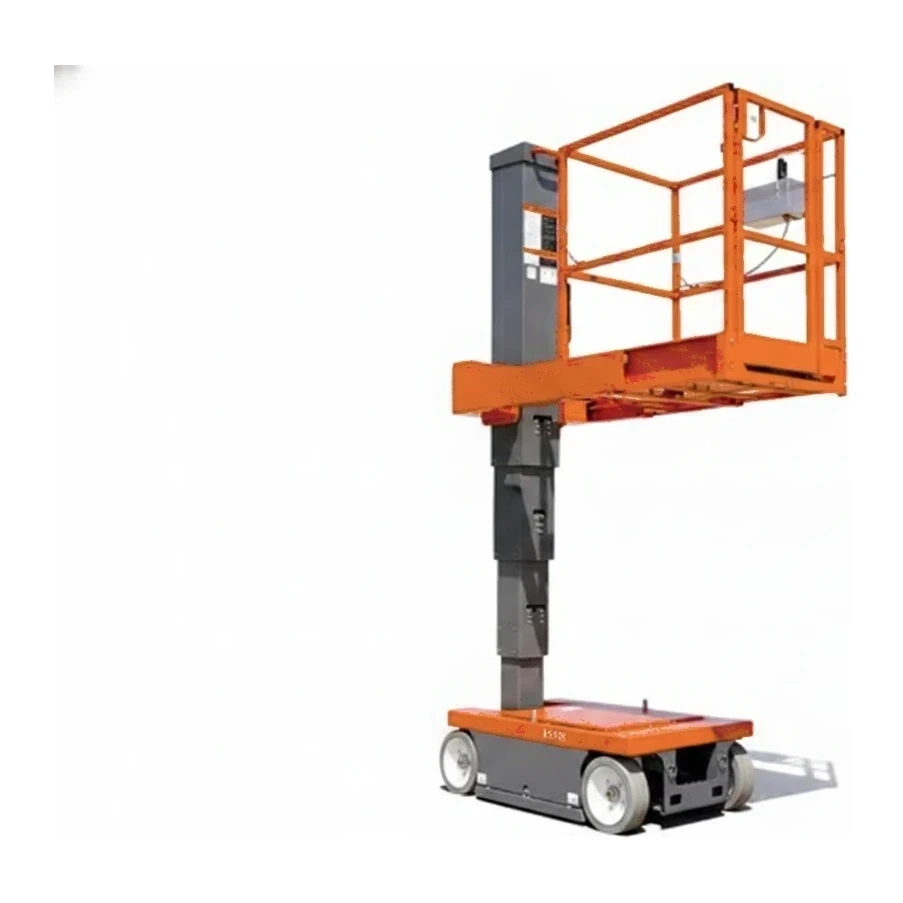
Elija una clase de tamaño — la capacidad y el alcance varían en la gama.
Cómo funciona
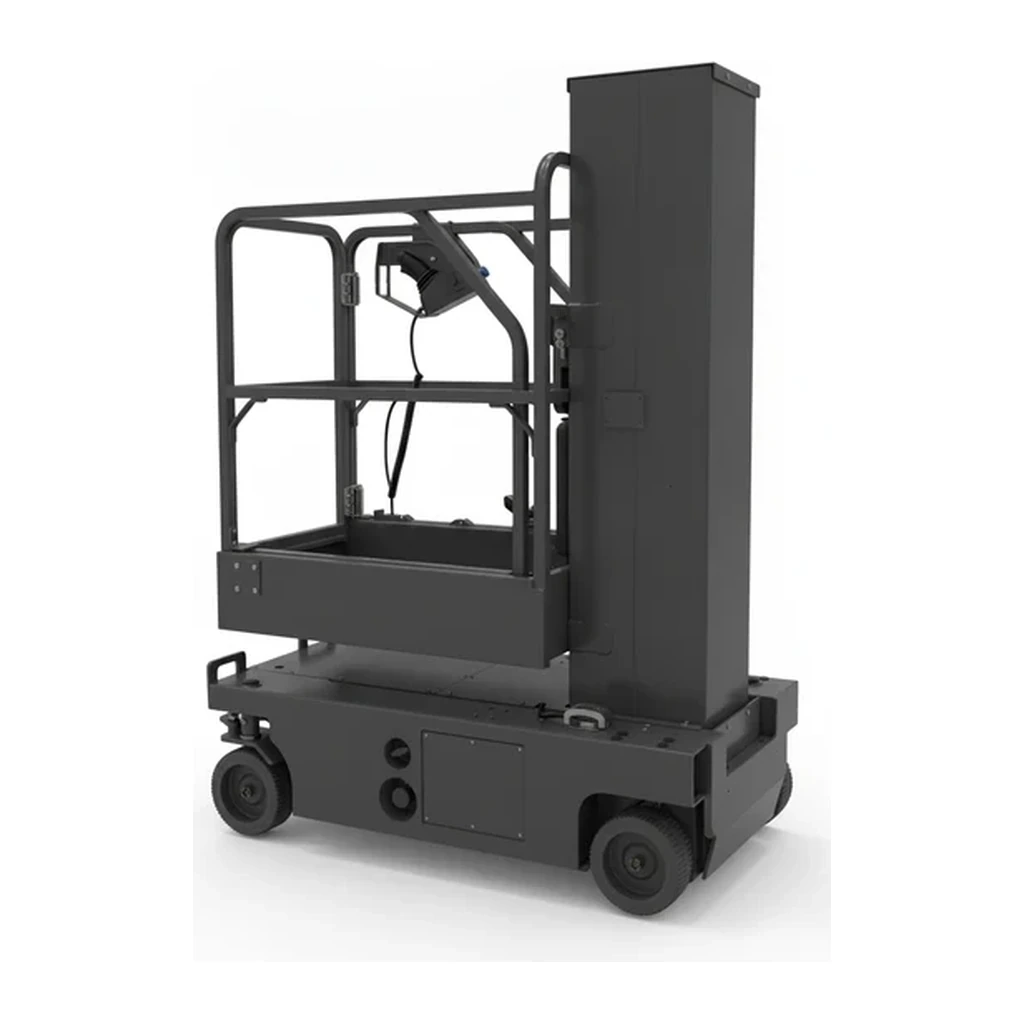
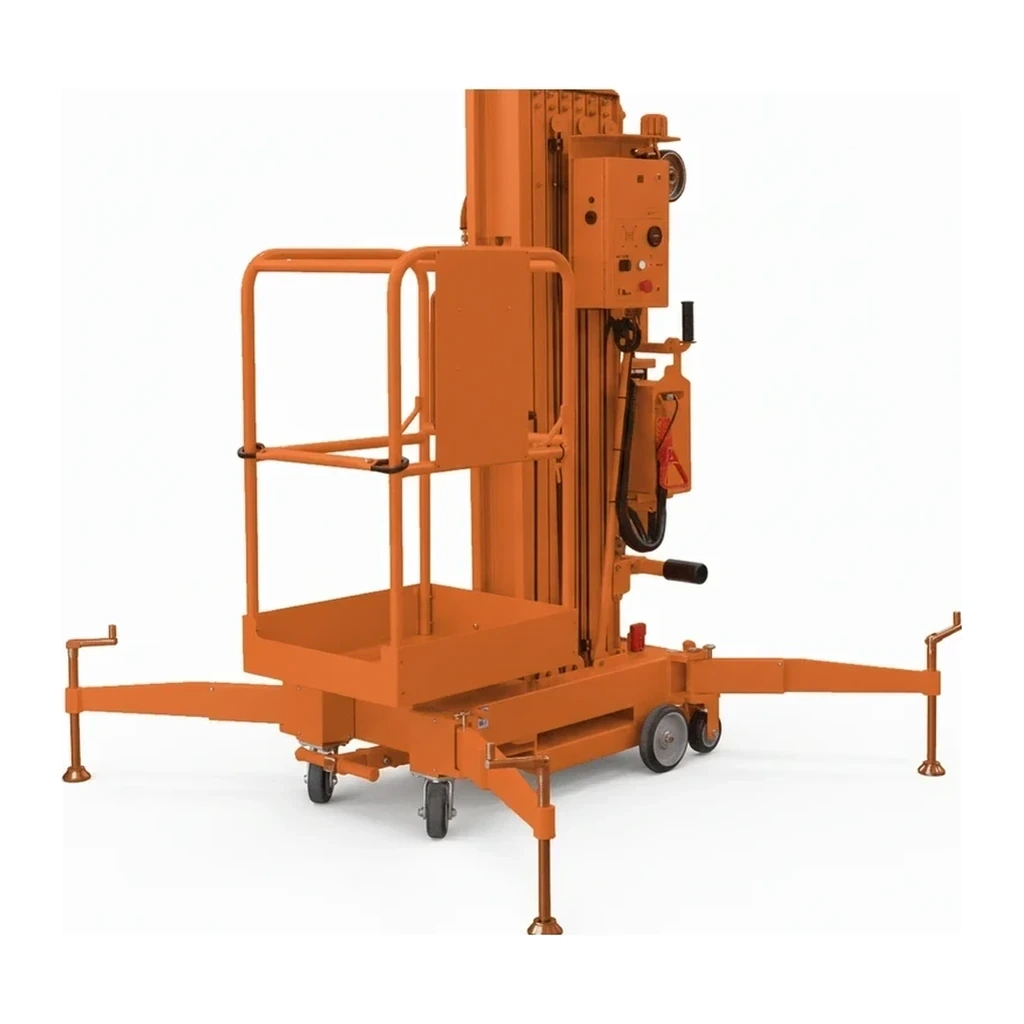
The mast assembly consists of nested sections that extend vertically using hydraulic cylinders, raising the platform in a straight line or with minimal outreach. The operator controls both elevation and travel from the platform itself, using hand controls or a console mounted at the work level. Electric motors power both the hydraulic system and the drive wheels, with most models featuring non-marking tires suitable for finished floors. Drive capability while elevated distinguishes self-propelled mast lifts from push-around models. The machine's low center of gravity and outrigger-free design enable movement at platform heights up to the manufacturer's specified limit, though travel speeds are reduced when elevated compared to stowed travel speeds of 3.0–5.0 mph. Automatic pothole protection and tilt sensors prevent operation on excessive grades or unstable surfaces.
Tipos y variantes
- Single-Mast Vertical
- The most compact configuration with a single telescoping column providing purely vertical lift; narrowest footprint for navigating store aisles and retail environments.
- Dual-Mast Vertical
- Two parallel mast columns providing increased stability and higher lift capacity; common in warehouse and industrial maintenance applications requiring heavier tool loads.
- Mast Boom
- Combines a vertical mast with an articulating or telescoping jib section that provides limited horizontal outreach; enables positioning over shelving or obstacles while maintaining compact stowed dimensions.
- Runabout
- Compact, lightweight models with minimal platform size designed for quick-access tasks; often under 20 ft working height with extremely tight turning radius.
- Personnel Mast
- General-purpose designation for single-person capacity models with standard platform dimensions; balances height capability with maneuverability in controlled indoor environments.
Especificaciones clave
| Especificación | Rango típico | Qué significa |
|---|---|---|
| Working Height | 3.3–44.9 ft (1.0–13.7 m) | Maximum height at which work can be performed, calculated as platform height plus assumed operator reach. |
| Platform Capacity | 136–500 kg (300–1,100 lbs) | Maximum combined weight of personnel, tools, and materials the platform can safely support. |
| Stowed Height | 1.6–2.0 m (5.2–6.6 ft) | Overall height when fully lowered, determining ability to pass under doorways, mezzanines, and ceiling obstructions. |
| Width | 0.8 m (2.6 ft) | Overall machine width, critical for navigating standard doorways and narrow aisles in retail and warehouse settings. |
| Drive Speed (Elevated) | 1.3–1.4 mph | Maximum travel speed while platform is raised, enabling repositioning without lowering for productivity. |
| Gradeability | 20–30% | Maximum slope the machine can safely traverse, though operation on grades is typically restricted when elevated. |
Cómo la industria lo dimensiona
The industry sizes self-propelled mast lifts by working height in feet, grouped into three primary bands: models under 26 ft fit standard doorways and drive on finished floors for drop ceiling and light fixture work; 26–36 ft platform heights handle retail and warehouse maintenance, accessing high-bay lighting from machines that fit down aisles; and 36+ ft platform heights reach sprinkler mains and high-bay racking where scissor lifts prove too wide. Platform capacity becomes a secondary consideration, with most models in the 136–500 kg range for single-operator use with hand tools. Width and stowed height specifications determine suitability for specific facilities, with approximately 0.8 m width being standard for passage through 36-inch commercial doorways.
Aplicaciones
- Retail store maintenance including lighting replacement, signage installation, and fixture adjustment in active shopping environments
- Warehouse inventory management and order picking in narrow aisles between high-density racking systems
- Facility maintenance tasks such as HVAC filter changes, sprinkler head servicing, and ceiling tile replacement
- Manufacturing plant work on overhead conveyors, piping, and electrical systems where floor space is limited by production equipment
- Commercial building interior finishing including drywall installation, painting, and trim work in confined spaces
- Data center and telecommunications infrastructure installation requiring access above raised floors and between equipment rows
Seguridad y operación
- Operators must maintain awareness of overhead clearances and obstacles when elevating, as mast lifts provide minimal horizontal reach for obstacle avoidance
- Travel with platform elevated requires smooth, level surfaces free of potholes, debris, and grade changes that could cause tipping
- Platform capacity limits include the combined weight of all personnel, tools, and materials; overloading compromises stability
- Guardrail systems and restraint requirements vary by jurisdiction, with some standards mandating personal fall arrest systems even on fully enclosed platforms
- Indoor use on finished floors requires non-marking tires and attention to floor load ratings, particularly in elevated or raised-floor areas
Normas y certificaciones
- ANSI · A92.20
- Design, testing, and safety requirements for self-propelled elevating work platforms including mast-type lifts
- CSA · B354.6
- Canadian standards for self-propelled elevating work platforms, harmonized with ANSI requirements for North American market
- OSHA · 1926.453
- Fall protection and safe operation requirements for aerial lifts in construction applications
Preguntas frecuentes
What distinguishes a self-propelled mast lift from a push-around personnel lift?
Why are mast lifts preferred over scissor lifts in many indoor applications?
What is the typical platform capacity range and how does it affect application suitability?
How do platform height classifications correlate with typical applications?
Comparar modelos populares
Buscar por especificación →Normalizado a las mismas unidades. Un guion significa que el valor no fue publicado.
| Modelo | Altura de trabajo | Capacidad de plataforma |
|---|---|---|
| Dingli AMWP13-9200 | 12.4 ft (3.8 m) | 441 lb (200 kg) |
| Dingli AMWP7-8100L | 6.7 ft (2.0 m) | 441 lb (200 kg) |
| Dingli AMWP9.5-1200 | 31.2 ft (9.5 m) | 300 lb (136 kg) |
| Haulotte Star 6 CRAWLER | 19 ft (5.8 m) | 441 lb (200 kg) |
| Haulotte Star 6 PICKING | 19 ft (5.8 m) | 463 lb (210 kg) |
| JLG 25AM | 31 ft (9.4 m) | 351 lb (159 kg) |
Equipos relacionados
Explorar por fabricante
Fuentes
Cada especificación se verifica con los datos publicados por el fabricante, con la fuente enlazada como referencia.
Todos los modelos
124 modelos · Página 3 de 3 · Cada especificación citada a la fuente