

Scaffolding and Ladders
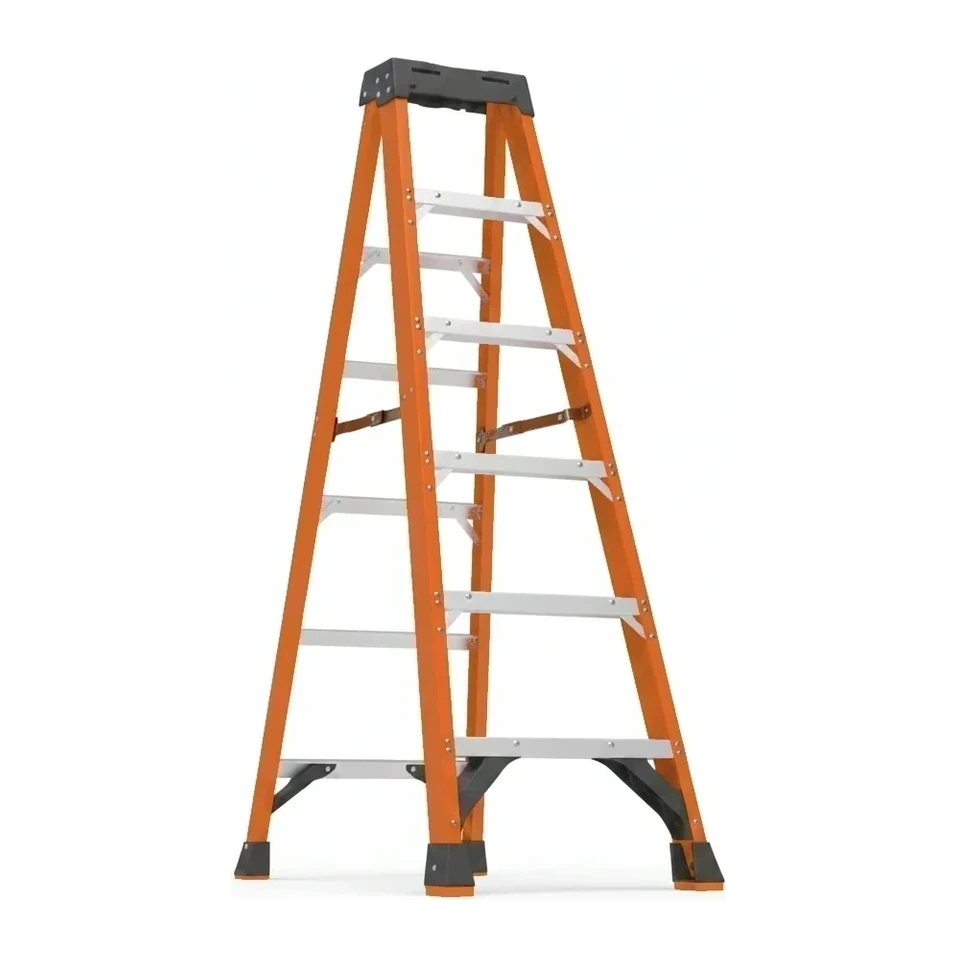
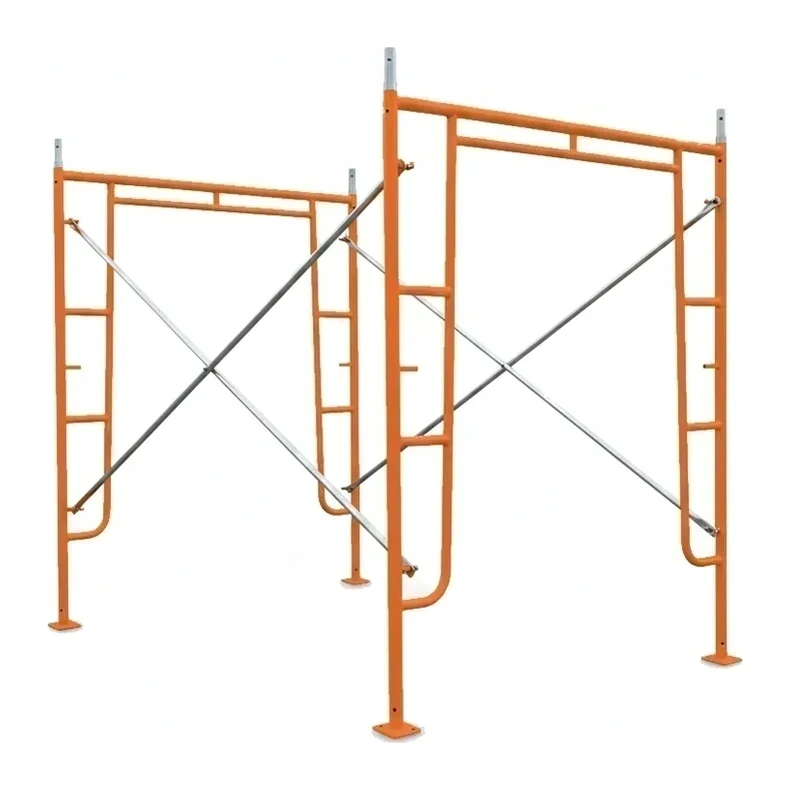
Scaffolding and ladders provide the working heights below where powered lifts take over. Step and extension ladders dominate the catalog classes, with frame and rolling scaffold systems for sustained elevated work.
Cómo funciona
Ladders transfer a climber's weight to ground and structure and suit short-duration, light-load access; scaffolds build rated platforms that hold crews, tools, and materials for sustained work. Duty ratings, setup geometry, and — on scaffolds — competent-person erection and inspection are the operating framework.
Tipos y variantes
- Ladder
- Step, extension, multi-purpose, and trestle ladders with jack sets.
- Scaffolding
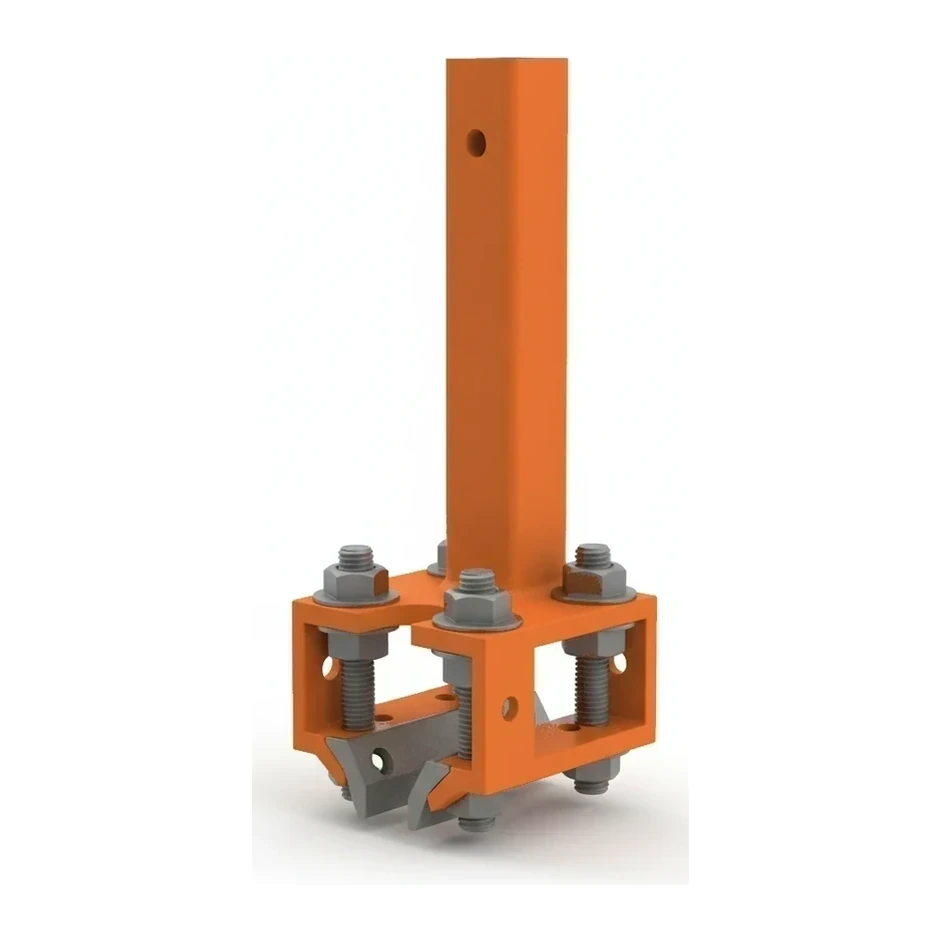
- Frame, baker, and formwork scaffold systems for elevated platforms.
Cómo elegir
Duration and load make the call: minutes of access with light tools suits a ladder of the right type, duty rating, and material; hours of work, two hands occupied, or staged materials call for scaffold. Height thresholds bring guardrail and fall-protection requirements on the scaffold side.
Normas y certificaciones
- OSHA · 29 CFR 1926.1053
- Ladder strength, use, and inspection requirements for construction.
- ANSI-ASC · A14 series
- Ladder design, duty ratings, and labeling requirements.
- OSHA · 29 CFR 1926.451
- Capacity, platform, access, and fall-protection requirements for supported scaffolds.