

Scaffold Planks and Accessories
Cómo funciona
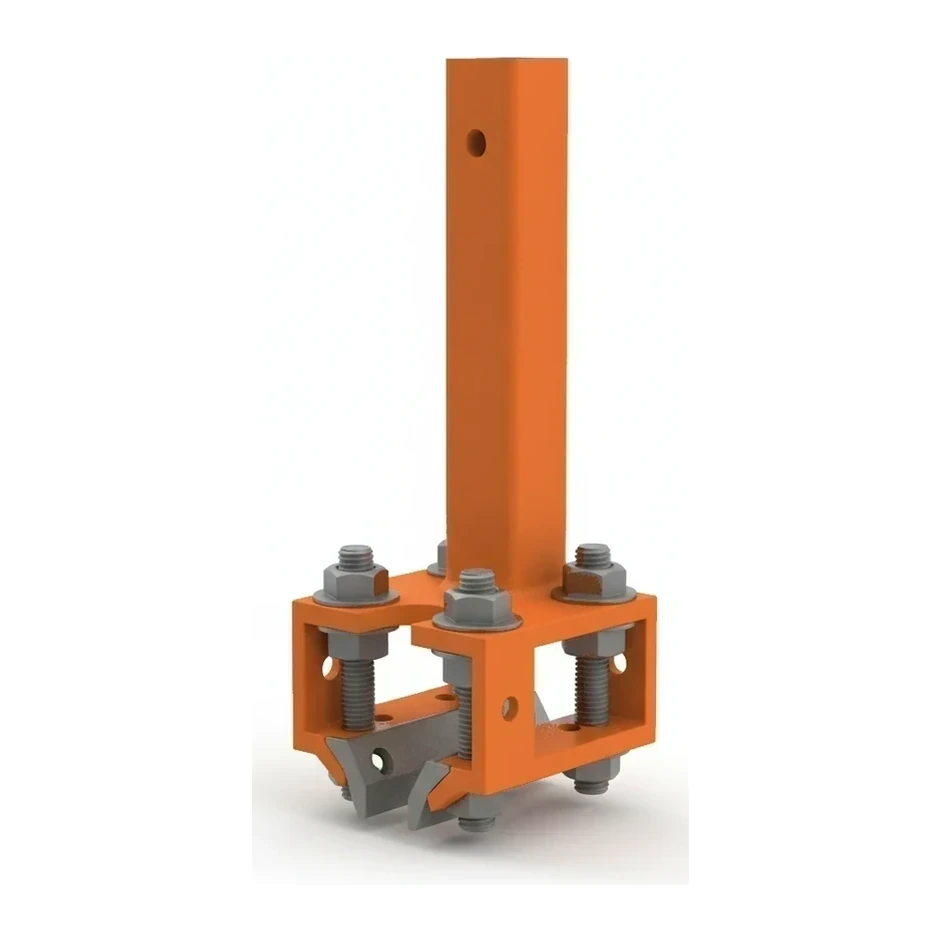
Scaffold planks form the horizontal walking and working surfaces that span between scaffold frames or ledgers, creating stable platforms for personnel, tools, and materials at various heights. Accessories such as guardrails, toe boards, and outriggers attach to the scaffold structure to provide fall protection, secure loads, and extend or stabilize the system. Couplers and brackets connect scaffold components and allow for modular configuration, while end caps, braces, and stabilizers ensure structural integrity throughout the assembled scaffold system.
Tipos y variantes
- Scaffold Accessories
- Couplers, brackets, guardrails, toe boards, base plates, outriggers, braces, end caps, and other hardware components that connect, stabilize, and complete scaffold assemblies for safe operation
Normas y certificaciones
- OSHA · 29 CFR 1926 Subpart L
- Regulations for scaffolds including planking, guardrails, and platform requirements
- ANSI · A10.8
- Safety requirements for scaffolding construction, alteration, and use
- EN · EN 12811
- European standards for temporary works equipment including scaffold components and accessories
Preguntas frecuentes
What materials are scaffold planks typically made from?
Scaffold planks are primarily manufactured from solid sawn wood (typically Southern Yellow Pine or Douglas Fir meeting grading standards), laminated veneer lumber (LVL), or aluminum. Wood planks are common for general construction, while aluminum planks offer lighter weight and resistance to weathering for industrial and long-term installations.
What is the standard width and length of scaffold planks?
Standard scaffold planks are typically 10 inches wide and range from 7 to 16 feet in length, with common sizes being 7, 10, 13, and 16 feet. Planks must meet minimum thickness requirements—usually 2 inches nominal for wood planks—and comply with load capacity ratings based on span and material specifications.
What scaffold accessories are required for fall protection?
Fall protection accessories include guardrails (top rails, mid-rails, and toe boards), which are required on all open sides and ends of platforms more than 10 feet above lower levels. Other protective accessories include end frames with integrated guardrails, mesh or netting panels, and personal fall arrest system anchor points.
How do scaffold couplers differ from other connection methods?
Scaffold couplers are mechanical fasteners that join tubular scaffold components at various angles, including fixed right-angle couplers, swivel couplers, and sleeve couplers. They provide adjustable connections in tube-and-coupler systems, whereas frame scaffolds typically use fixed pins, braces with hook connections, or gravity locks depending on the manufacturer's system design.