

Wastewater and Waste Holding Tank
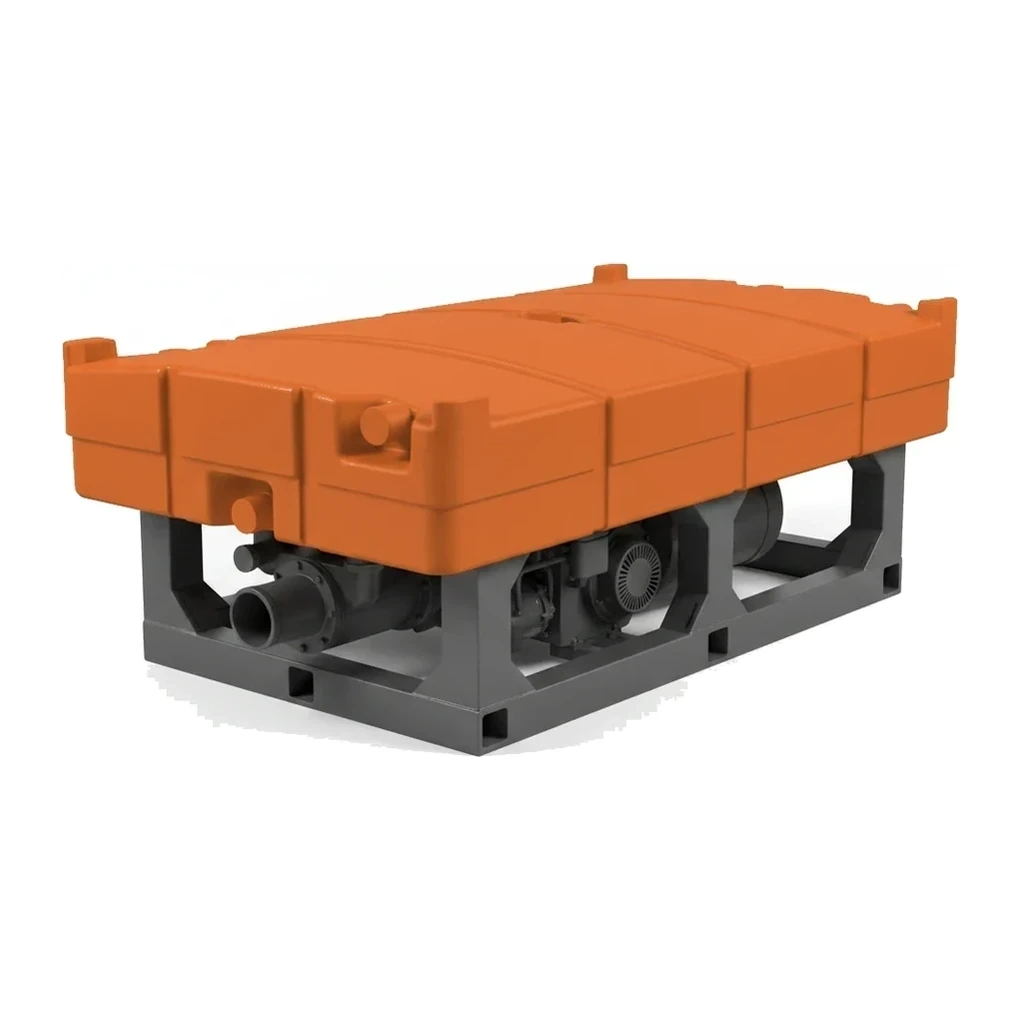
A wastewater and waste holding tank is a sealed, stationary or portable storage vessel designed to temporarily contain grey water, sewage, washout water, and other liquid waste generated at construction sites, events, or facilities lacking permanent sanitary connections. These tanks provide interim containment until waste can be removed by vacuum truck or other pumping equipment. The equipment class is fundamental to maintaining sanitary conditions and environmental compliance on remote or temporary worksites.
Cómo funciona
Wastewater and waste holding tanks receive liquid waste through gravity-fed or pumped inlet connections from restroom trailers, wash stations, or site drainage systems. The sealed tank design prevents leakage and odor release while waste accumulates. Most tanks are constructed from corrosion-resistant materials such as fiberglass or polyethylene and feature vent systems to manage internal pressure and gases. When the tank reaches capacity or on a scheduled basis, a vacuum truck connects to the tank's pump-out port to extract the contents for off-site treatment or disposal. Tanks typically include level indicators or alarms to signal when pump-out service is needed, preventing overflow and ensuring continuous site operation.
Tipos y variantes
- Portable Holding Tank
- Skid-mounted or towable units designed for temporary placement at events, construction trailers, or remote sites with limited access to sanitary infrastructure.
- Below-Grade Holding Tank
- Installed underground for permanent or semi-permanent applications where surface space is limited or aesthetic considerations require concealment.
- Restroom Trailer Holding Tank
- Compact tanks specifically sized and configured to collect waste directly from portable restroom trailers, often integrated into the trailer system or placed immediately adjacent.
- Washout and Grey Water Tank
- Designed for non-sewage waste streams such as concrete washout, equipment cleaning water, or sink/shower drainage, often featuring different venting or filtration configurations.
- Remediation Holding Tank
- High-capacity tanks used in environmental cleanup and spill response to temporarily store contaminated liquids or industrial effluent pending treatment or disposal.
Especificaciones clave
| Especificación | Rango típico | Qué significa |
|---|---|---|
| Capacity | 500-10,000 gal | Total liquid volume the tank can safely hold, determining service interval and site compatibility. |
| Material Construction | Fiberglass, polyethylene, or steel | Tank shell material selected for chemical resistance, durability, and weight considerations. |
| Inlet/Outlet Configuration | 2-4 in. ports | Connection sizes for waste intake and vacuum truck pump-out operations. |
| Venting System | Passive or mechanical vent | Manages internal pressure and gas release to prevent tank collapse or excessive odor. |
| Level Monitoring | Visual gauge, float switch, or electronic sensor | Indicates fill level to schedule pump-out service and prevent overflow. |
Cómo la industria lo dimensiona
Wastewater and waste holding tanks are sized by liquid capacity measured in gallons. The industry commonly segments the class into small tanks (under 1,000 gallons) for single restroom trailers or limited washout operations, mid-range tanks (1,000-5,000 gallons) for multi-fixture facilities or jobsites with regular but moderate waste generation, and large tanks (over 5,000 gallons) for bulk waste storage, remediation projects, or high-traffic events requiring extended service intervals. Selection depends on daily waste volume, site access for pump-out service, and regulatory requirements for containment.
Aplicaciones
- Temporary sanitary holding for construction site restroom trailers and portable toilet clusters
- Concrete washout containment at jobsites to prevent environmental runoff and comply with stormwater regulations
- Grey water collection from mobile kitchens, shower trailers, and hand-wash stations at events or disaster response sites
- Effluent storage for facilities with failing or non-existent sewer connections pending infrastructure repair
- Environmental remediation and spill response temporary containment of contaminated liquids
- Industrial wastewater holding at manufacturing or processing sites between treatment cycles
Seguridad y operación
- Proper tank placement on level, stable ground to prevent tipping or structural stress during filling and pump-out operations
- Regular inspection of vents and seals to prevent dangerous gas accumulation or environmental release
- Adherence to maximum fill levels to avoid overflow, spillage, or exceeding the tank's structural capacity
- Clear labeling of tank contents and hazards, particularly when storing industrial waste or chemically contaminated liquids
- Coordination with licensed waste haulers to ensure proper handling, transport, and disposal in compliance with local and federal regulations
Normas y certificaciones
- EPA · Clean Water Act
- Regulates discharge and containment of wastewater to protect surface and groundwater quality.
- IAPMO · PS 1-2018
- Plastic wastewater collection tank standard covering design, testing, and performance requirements.
- NSF International · NSF/ANSI 40
- Standard for residential wastewater treatment systems, applicable to certain holding tank configurations.
- OSHA · 29 CFR 1926.51
- Mandates sanitation facilities on construction sites, driving demand for wastewater holding solutions.
Preguntas frecuentes
What is the difference between a holding tank and a septic tank?
How is holding tank capacity determined for a jobsite?
Can wastewater holding tanks store all types of liquid waste?
What maintenance do wastewater holding tanks require?
Equipos relacionados
Explorar por fabricante
Fuentes
Cada especificación se verifica con los datos publicados por el fabricante, con la fuente enlazada como referencia.
Todos los modelos
2 modelos · Cada especificación citada a la fuente