

Tanks and Liquid Storage
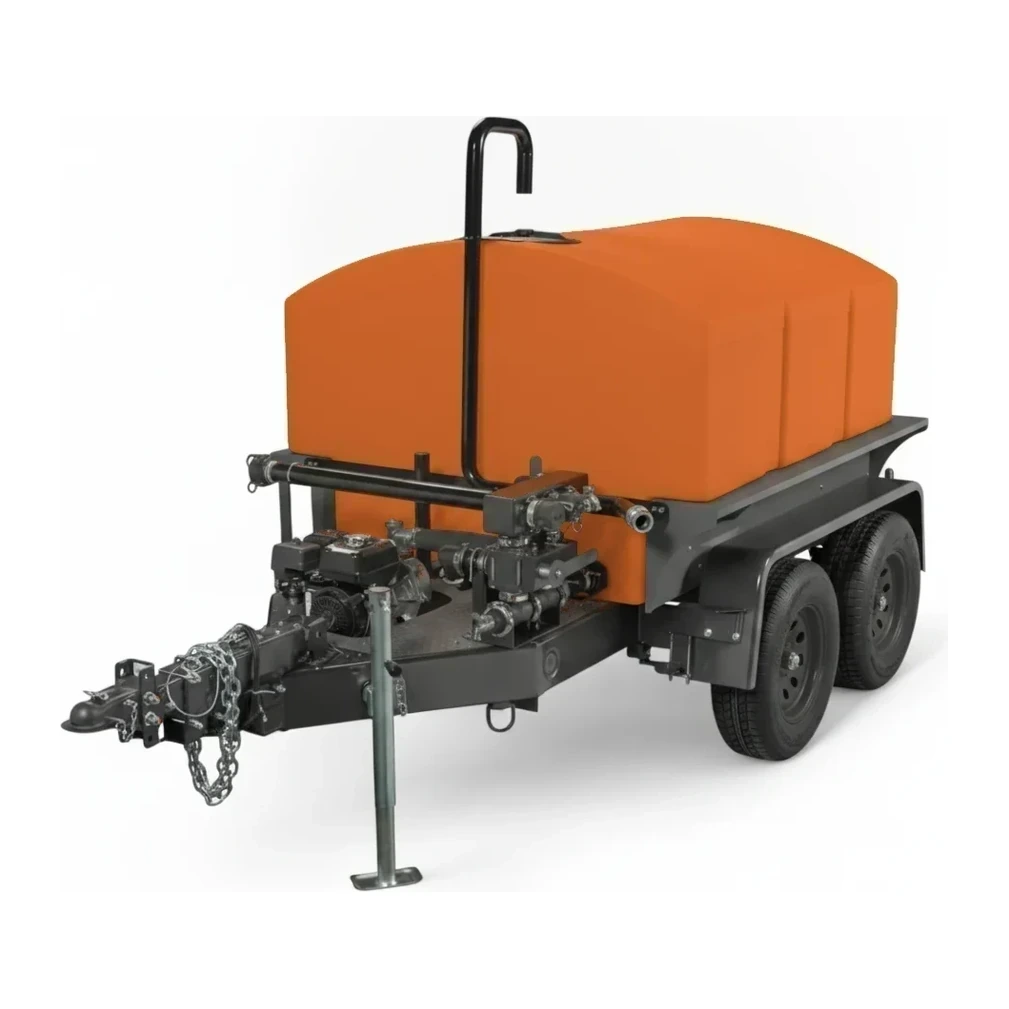
Water Tank
521 modelos
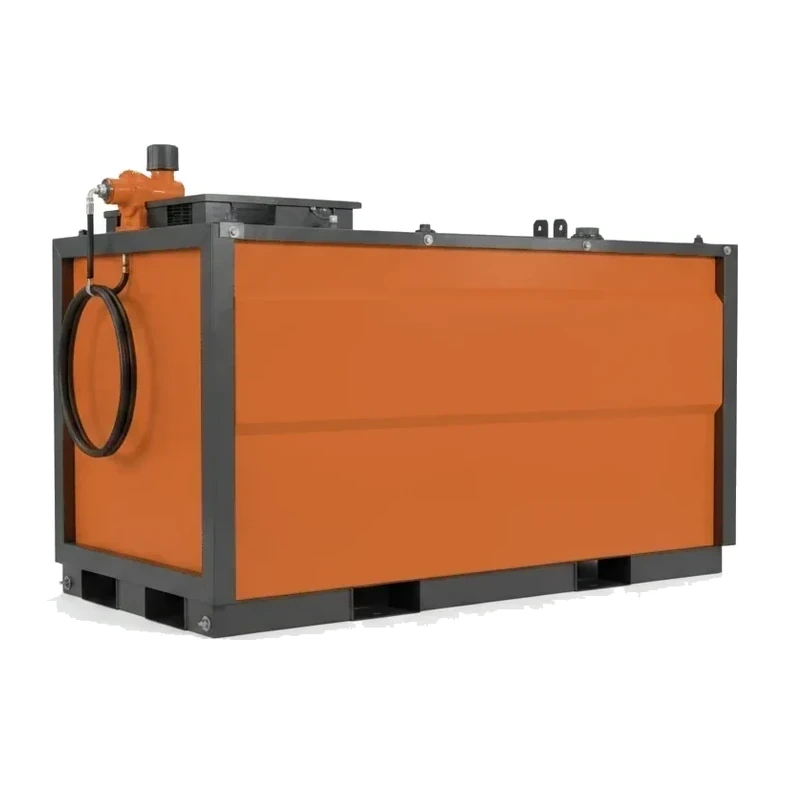
Fuel Tank
120 modelos
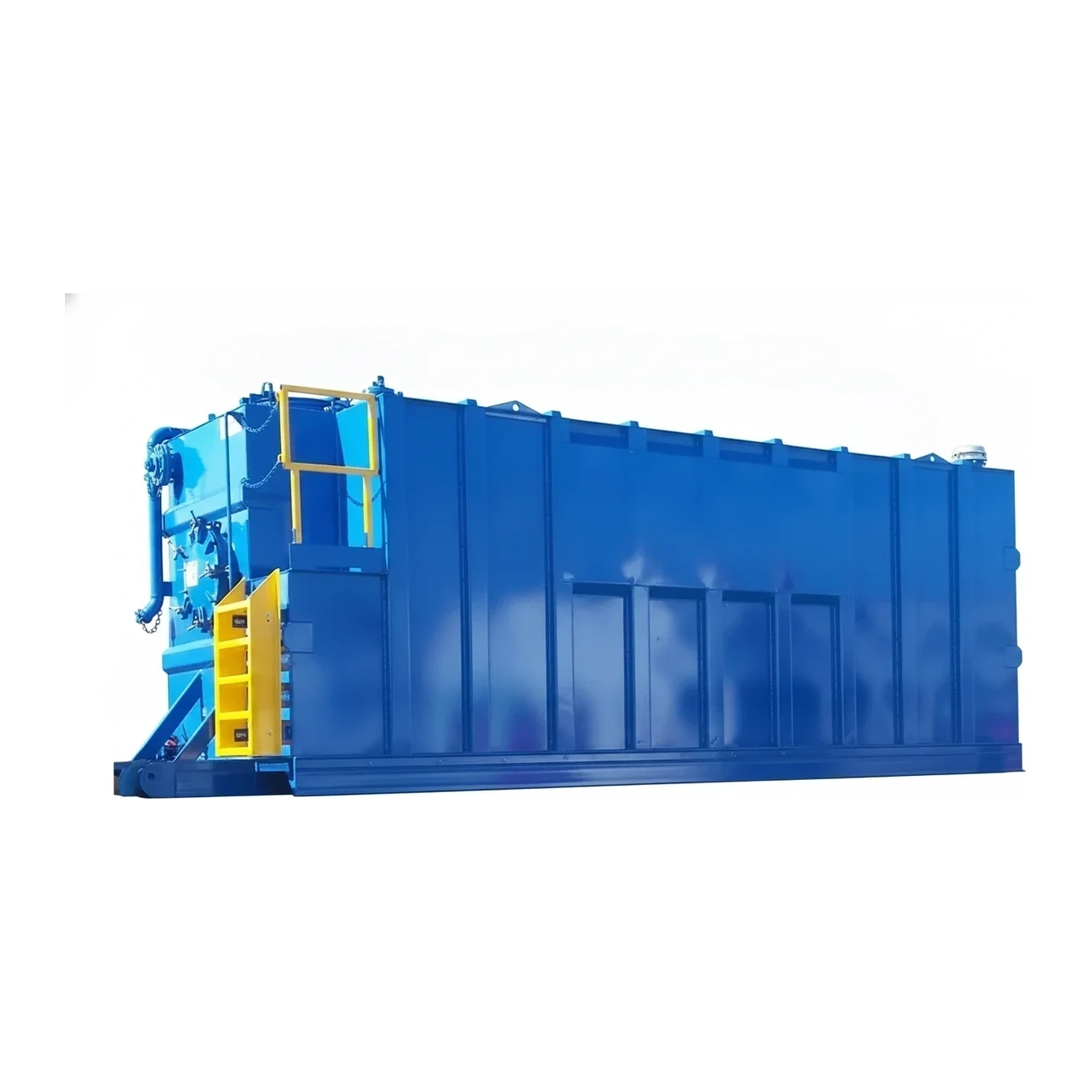
Frac / Steel Storage Tank
9 modelos
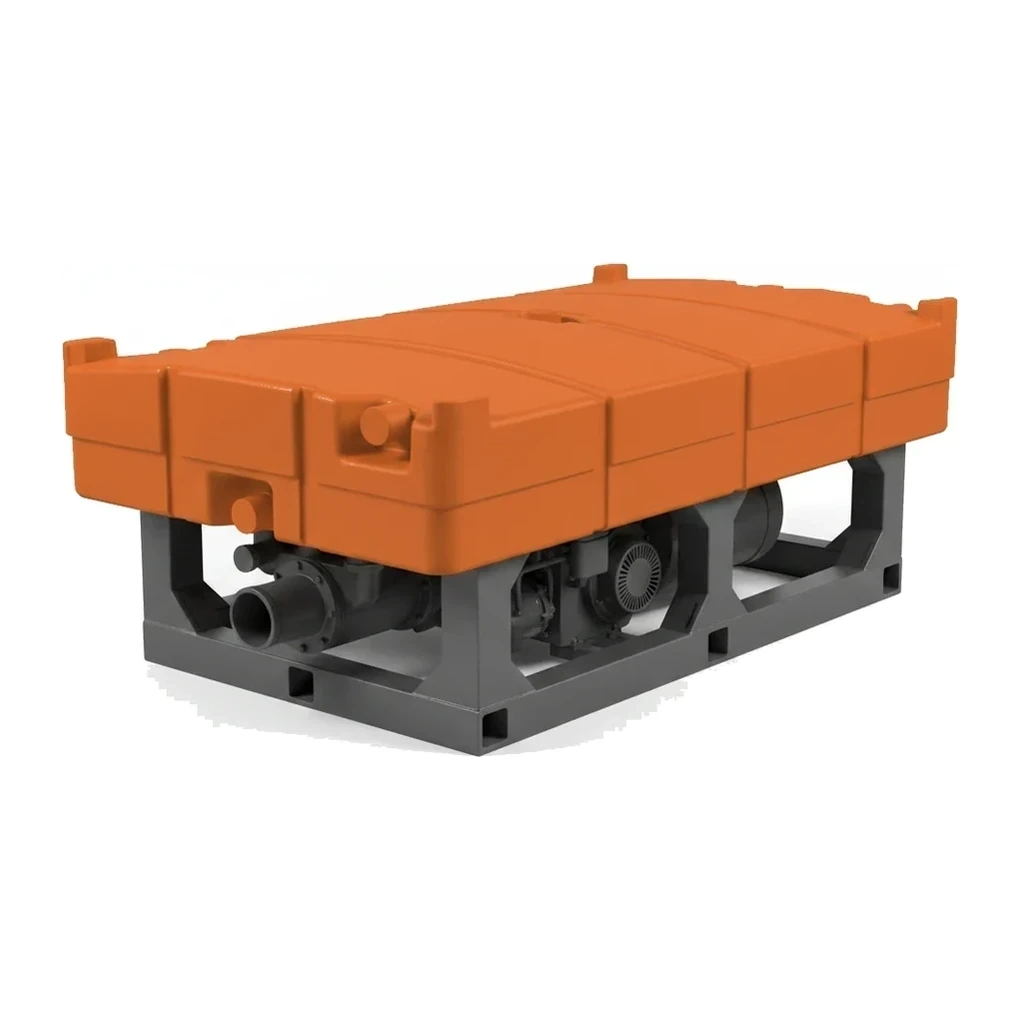
Wastewater and Waste Holding Tank
2 modelos

Secondary Containment Berm
1 modelos
Cómo funciona
These storage systems provide controlled containment through purpose-built vessels constructed from materials compatible with their intended contents—typically polyethylene for water and chemicals, steel for fuel and high-volume applications. Tanks feature inlet and outlet connections, venting systems to manage pressure and vapor, and often include secondary containment, level indicators, and dispensing equipment. Capacity, material compatibility, and compliance features determine suitability for specific liquids and regulatory environments.
Tipos y variantes
- Fuel Tank
- Double-walled or secondary-contained tanks designed for diesel, gasoline, and other petroleum products, featuring dispensing pumps, filtration, and compliance with fuel storage regulations
- Water Tank
- Potable and non-potable water storage vessels ranging from small poly tanks to large-capacity bladder or rigid tanks for drinking water supply, dust control, and general site water needs
- Specialty Storage Tank
- Application-specific tanks engineered for chemicals, oils, fertilizers, and other specialized liquids requiring particular material compatibility, venting, or handling features
- Frac / Steel Storage Tank
- Large-capacity steel tanks, typically 400-500 barrels, originally developed for hydraulic fracturing operations but widely used for bulk liquid storage across industries
- Wastewater and Waste Holding Tank
- Containment vessels for sewage, industrial wastewater, and liquid waste requiring secure holding, transport, or treatment, often with pump-out connections and odor control
Normas y certificaciones
- EPA · 40 CFR 112 (SPCC)
- Spill Prevention, Control, and Countermeasure requirements for oil and petroleum product storage
- UL · UL 142 / UL 2085
- Safety standards for steel aboveground tanks for flammable and combustible liquids
- STI · STI F921 / F922
- Steel Tank Institute standards for aboveground storage tank installation and design
Preguntas frecuentes
What determines whether a tank requires secondary containment?
Secondary containment requirements depend on the stored substance, capacity, proximity to waterways, and applicable EPA, state, and local regulations. Fuel and oil storage typically requires 110% containment capacity of the largest tank, while water and some non-hazardous liquids may have different requirements.
How are tank capacities sized across different applications?
Tanks are sized by gallons, liters, or barrels depending on application and region. Water tanks commonly range from small portable units to multi-thousand-gallon capacities, fuel tanks from several hundred to several thousand gallons for mobile applications, and frac tanks typically hold 400-500 barrels for bulk storage needs.
What are the primary material differences between poly and steel tanks?
Polyethylene tanks offer corrosion resistance, lighter weight, and cost advantages for water and many chemicals but have temperature and pressure limitations. Steel tanks provide greater structural strength, higher capacity options, fire resistance, and are required for many fuel applications, but require corrosion protection and are significantly heavier.
What inspection and maintenance protocols apply to temporary storage tanks?
Inspection requirements vary by contents and regulations but typically include visual checks for leaks, damage, and proper labeling; verification of venting and overfill prevention systems; testing of dispensing equipment; and documentation of secondary containment integrity. Fuel tanks often require more frequent inspection under environmental regulations.