
Crash Protection
Cómo funciona
Crash protection equipment functions through controlled energy absorption and vehicle redirection during impact events. These devices typically incorporate engineered materials and structures that compress, deform, or yield under collision forces to decelerate errant vehicles gradually while minimizing rebound and occupant injury. Deployed at work zone perimeters, bridge abutments, toll plazas, and other high-risk locations, crash protection systems are positioned according to traffic engineering principles to shield hazardous areas and provide forgiving roadside environments. Installation follows manufacturer specifications and regulatory guidelines to ensure proper performance characteristics during impact scenarios.
Tipos y variantes
- Crash Cushion
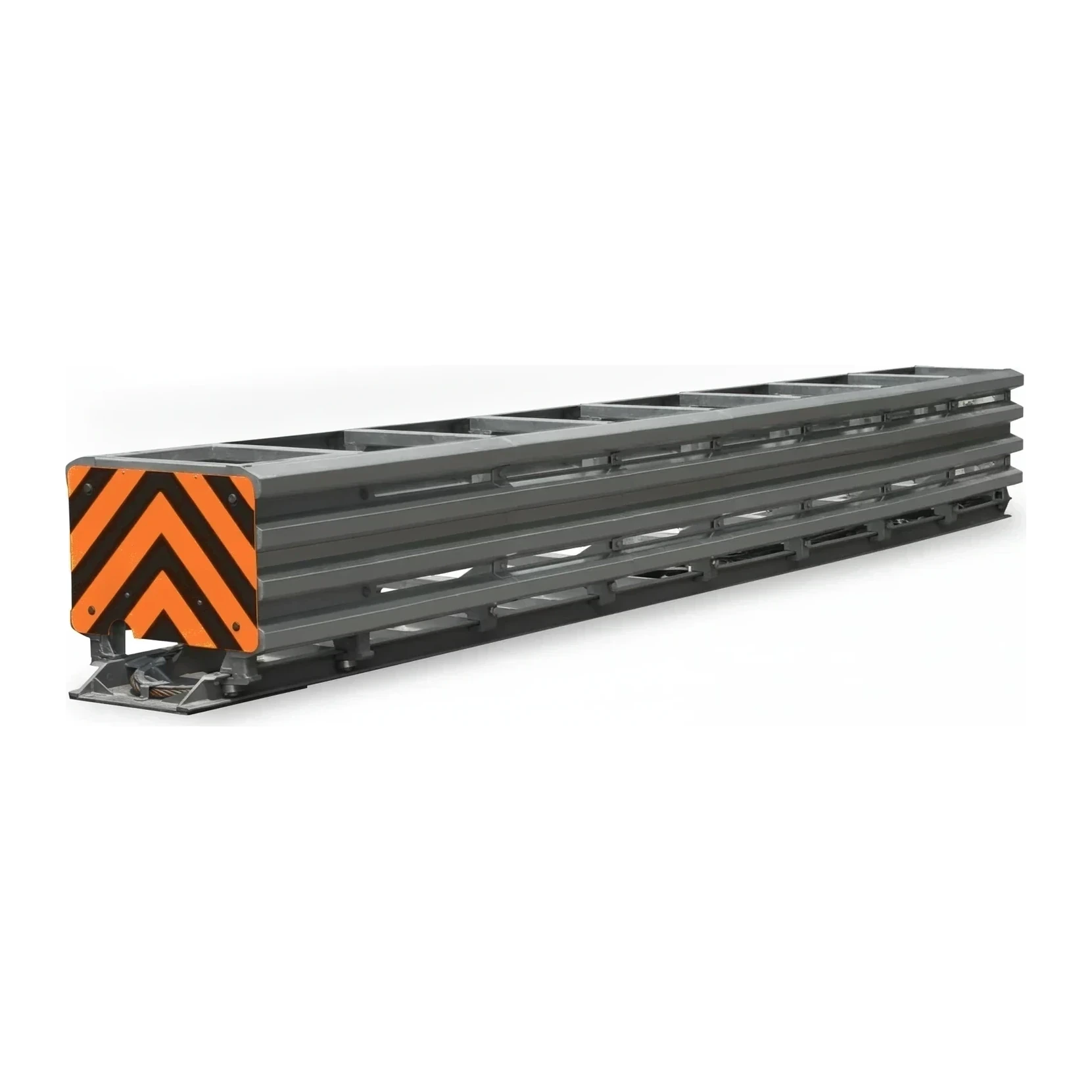
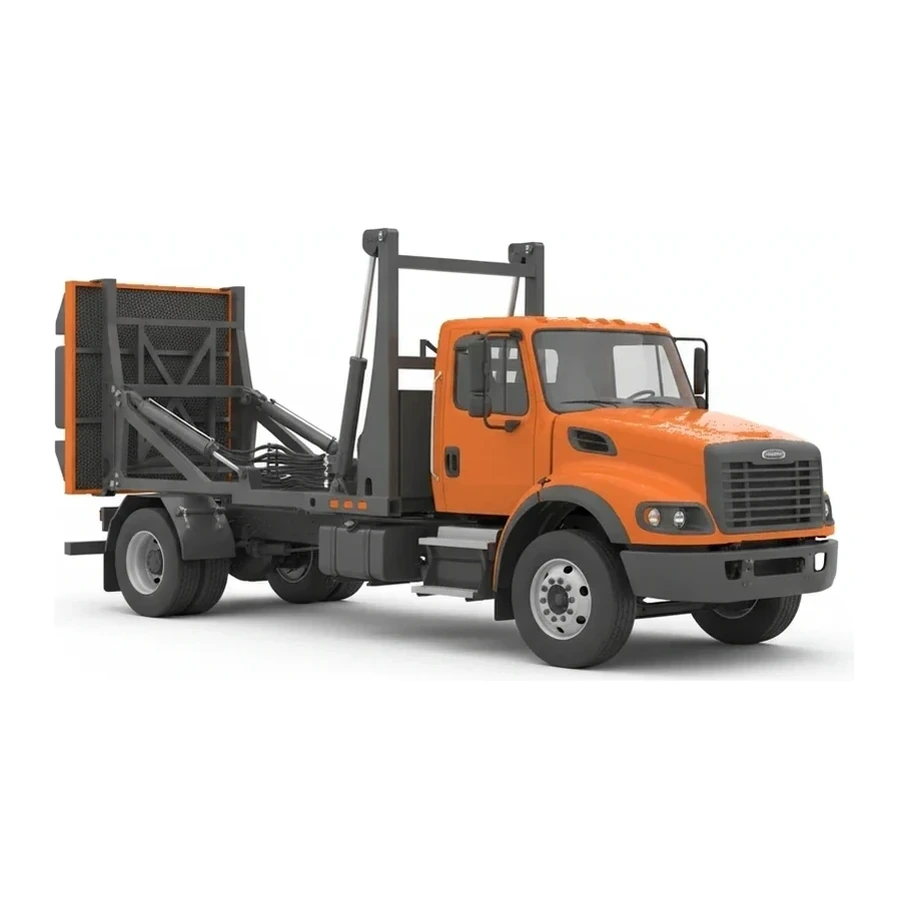
- Impact attenuators positioned in front of fixed objects or work zones to gradually decelerate errant vehicles through energy-absorbing materials and collapsible structures, available in truck-mounted and stationary configurations
Normas y certificaciones
- MASH · Manual for Assessing Safety Hardware
- Establishes crash testing criteria and performance standards for roadside safety devices including crash cushions
- MUTCD · Manual on Uniform Traffic Control Devices
- Provides guidance on proper deployment and application of crash protection devices in work zones and permanent installations
- NCHRP · National Cooperative Highway Research Program Report 350
- Legacy crash testing standard for longitudinal barriers and crash cushions, superseded by MASH but still referenced for existing installations
Preguntas frecuentes
What is the difference between truck-mounted and stationary crash cushions?
Truck-mounted attenuators (TMAs) attach to shadow vehicles that follow moving work operations, providing portable protection that travels with the crew. Stationary crash cushions are installed at fixed locations such as bridge piers, gore areas, and work zone entrances where hazards remain in one position for extended periods.
What determines the appropriate crash cushion test level for a given application?
Test levels are determined by roadway speed limits, traffic volumes, approach geometry, and the severity of the hazard being shielded. MASH defines specific impact conditions (vehicle weight, speed, and angle) that devices must withstand, with higher test levels required for higher-speed roadways and more critical protection scenarios.
How does crash protection equipment integrate with broader work zone safety plans?
Crash protection devices serve as physical barriers within comprehensive traffic control plans that include advance warning signage, channelizing devices, and speed management strategies. These systems are positioned based on site-specific risk assessments, approach speeds, and clear zone requirements to create layered protection between traffic and work activities.
What maintenance and inspection requirements apply to crash protection equipment?
Regular inspections verify structural integrity, proper positioning, and readiness of energy-absorbing components. Following any impact event, crash cushions require assessment and often replacement of damaged elements, as their protective capacity depends on uncompromised materials and geometry meeting original design specifications.