

Truck-Mounted Attenuator
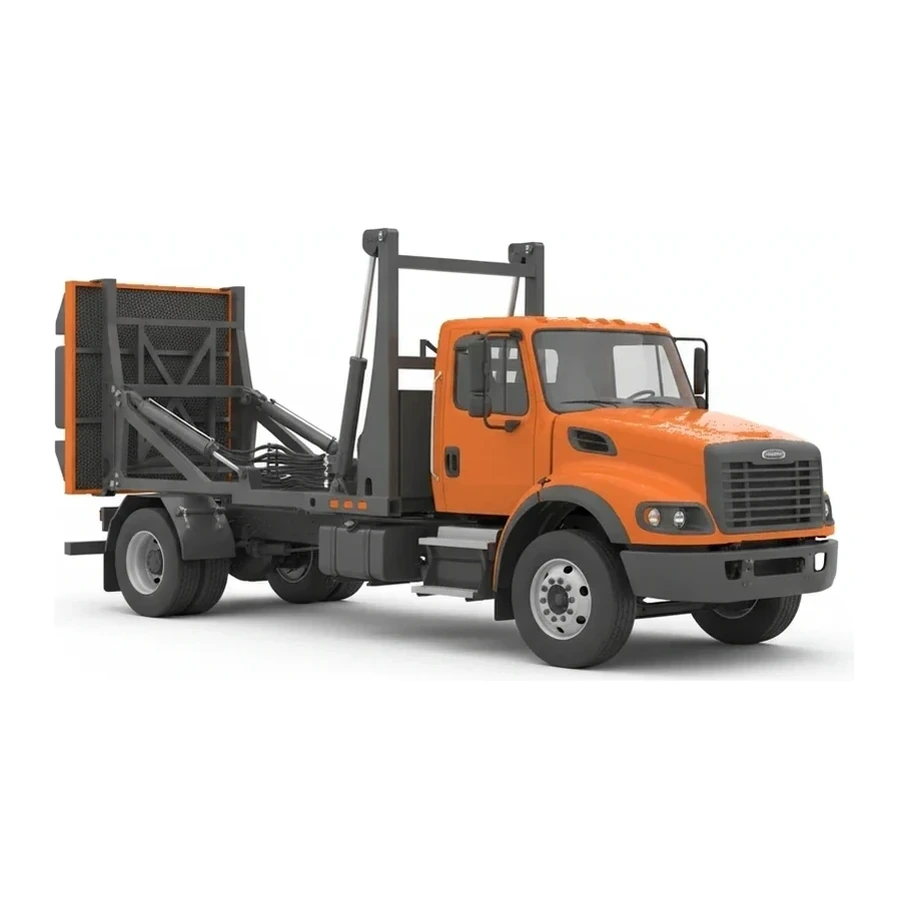
A truck-mounted attenuator (TMA) is a crash-cushion device mounted on the rear of a truck to absorb the kinetic energy of errant vehicles that strike work zone equipment or personnel. The system uses crushable cartridges or energy-absorbing structures to decelerate impacting vehicles, protecting workers downstream of the shadow vehicle. TMAs are rated by MASH test levels that correspond to impact speeds and vehicle types.
Cómo funciona
The attenuator consists of energy-absorbing cartridges or honeycomb aluminum structures mounted on a frame attached to the host truck's chassis. When an errant vehicle strikes the attenuator, the cartridges collapse progressively, converting kinetic energy into controlled deformation and decelerating the impacting vehicle over a managed distance. The host truck may move forward during impact, further extending the deceleration zone. The attenuator is positioned at the trailing edge of moving operations or behind stationary work zones. The host vehicle typically travels at the speed of the work convoy or parks with appropriate advanced warning signage. After an impact, damaged cartridges are replaced and the system is recertified before returning to service.
Tipos y variantes
- TL-2 Attenuators
- Designed for moderate-speed roadways, tested for impacts up to approximately 45 mph; commonly used on arterials and collector roads with lower posted speeds.
- TL-3 Attenuators
- Highway-speed systems tested for impacts up to 62 mph; required on interstate highways and high-speed expressways; most common specification for freeway work zones.
- Trailer-Mounted Attenuators
- Energy-absorbing systems mounted on trailers rather than trucks, offering similar protection with different deployment logistics and mobility characteristics.
- Stationary Positioned Units
- TMAs deployed in parked configuration to protect fixed work zones, often with stabilizing jacks or ballast to prevent movement during impact.
- Mobile Operation Units
- Systems used in moving operations such as striping, sweeping, or lane closures, traveling at the speed of the work activity with flashing arrow boards.
Especificaciones clave
| Especificación | Rango típico | Qué significa |
|---|---|---|
| MASH Test Level | TL-2 or TL-3 | Indicates maximum tested impact speed and vehicle size; TL-2 for arterials (~45 mph), TL-3 for freeways (62 mph). |
| Tested Impact Speed | 62 mph (TL-3) | Maximum vehicle speed for which the attenuator has passed crash testing under MASH protocols. |
| Host Vehicle Requirements | Class 6-8 truck | Minimum truck size and weight needed to support the attenuator system and withstand impact forces. |
| Cartridge Replacement | After each impact | Energy-absorbing elements are single-use and must be replaced following any collision event. |
Cómo la industria lo dimensiona
Truck-mounted attenuators are sized by MASH test level, which correlates to roadway speed and vehicle impact characteristics. TL-2 units are rated for roads posted to approximately 45 mph and protect against passenger vehicle impacts at moderate speeds. TL-3 attenuators are designed for freeway speeds, tested to withstand a 62 mph impact from a 5,000-pound pickup truck, and are required on most interstate and high-speed highway work zones. Selection depends on the posted speed limit, traffic volume, and agency specifications for the project.
Aplicaciones
- Mobile pavement marking and striping operations on highways and interstates
- Lane closure tapers and work zone transitions on high-speed roadways
- Stationary protection for construction equipment and material staging areas in active travel lanes
- Utility work and maintenance operations in live traffic on arterials and freeways
- Bridge repair and inspection activities requiring lane occupancy
- Road sweeping and debris removal operations in travel lanes
Seguridad y operación
- Requires trained operators familiar with work zone traffic control plans and proper positioning distances
- Must be inspected before each deployment to verify cartridge integrity and mounting hardware condition
- Positioning distance from protected workers and equipment must follow MUTCD and agency-specific guidelines
- Arrow boards, warning lights, and retroreflective markings must be functional and visible from required approach distances
- After any impact, the unit must be removed from service, cartridges replaced, and system recertified before redeployment
Normas y certificaciones
- AASHTO MASH · Manual for Assessing Safety Hardware
- Defines crash test criteria and performance standards for truck-mounted attenuators at TL-2 and TL-3 levels.
- MUTCD · Manual on Uniform Traffic Control Devices
- Establishes work zone traffic control requirements, including when TMAs are required and proper deployment procedures.
- NCHRP 350 · Report 350 (predecessor to MASH)
- Earlier crash testing standard; many legacy attenuators were tested under NCHRP 350 before MASH adoption.
- FHWA
- Maintains eligibility lists of accepted crash cushions and attenuators for use on federal-aid highway projects.
Preguntas frecuentes
What is the difference between TL-2 and TL-3 attenuators?
Can a truck-mounted attenuator be reused after an impact?
What type of truck is required to mount an attenuator?
When is a truck-mounted attenuator required in work zones?
Equipos relacionados
Explorar por fabricante
Todos los modelos
1 modelos · Cada especificación citada a la fuente