

Trailers
Trailers move equipment, material, and liquids behind trucks. Equipment trailers are the largest class, with dump, utility, water, vacuum, and tilt deck trailers filling the specialized roles.
Cómo funciona
The trailer's rated capacity is its GVWR minus empty weight; loading centers the payload over the axles with 10-15 percent of trailer weight on the tongue for stable towing. Brakes are required above common state thresholds, and coupler, chain, and lighting standards tie the combination together.
Tipos y variantes
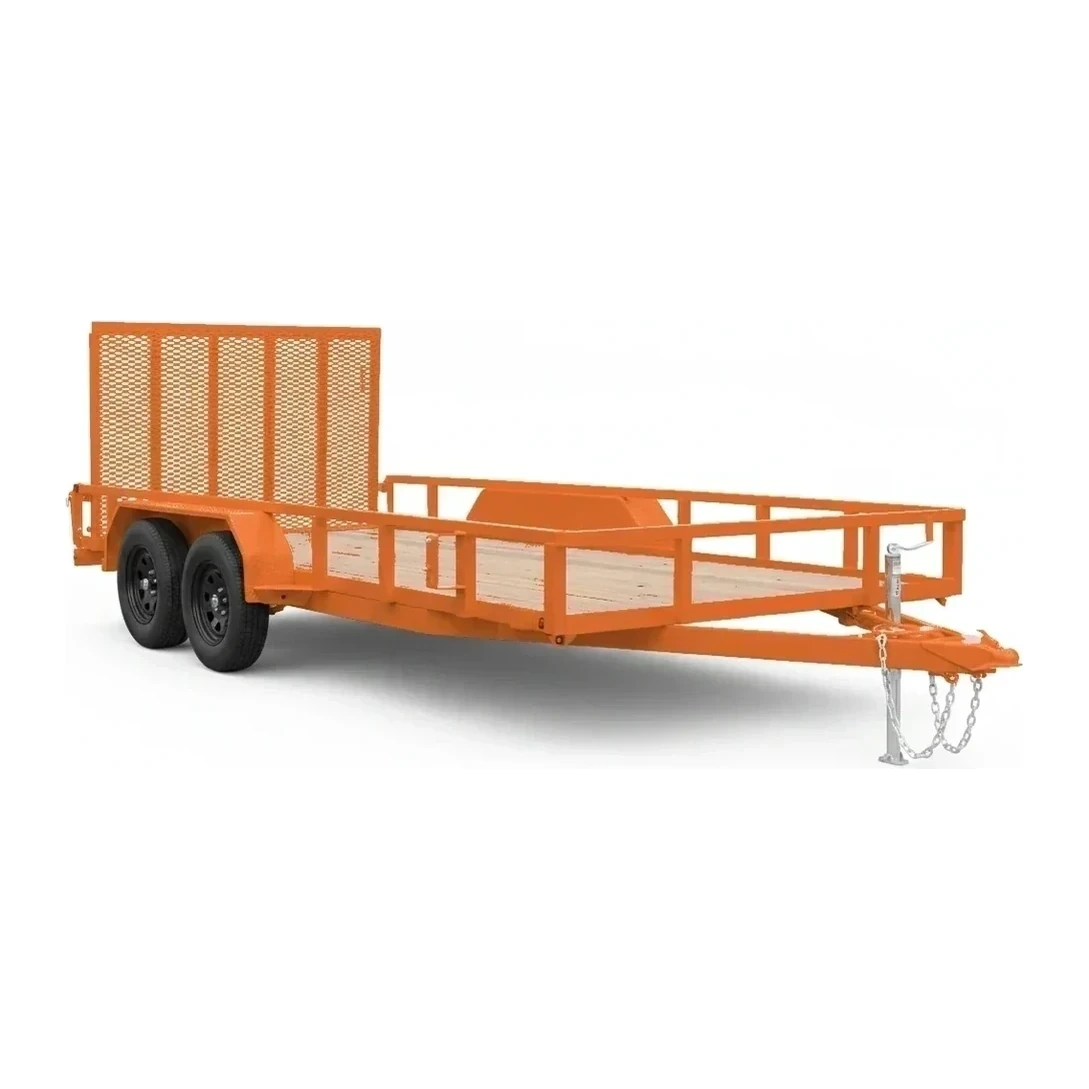
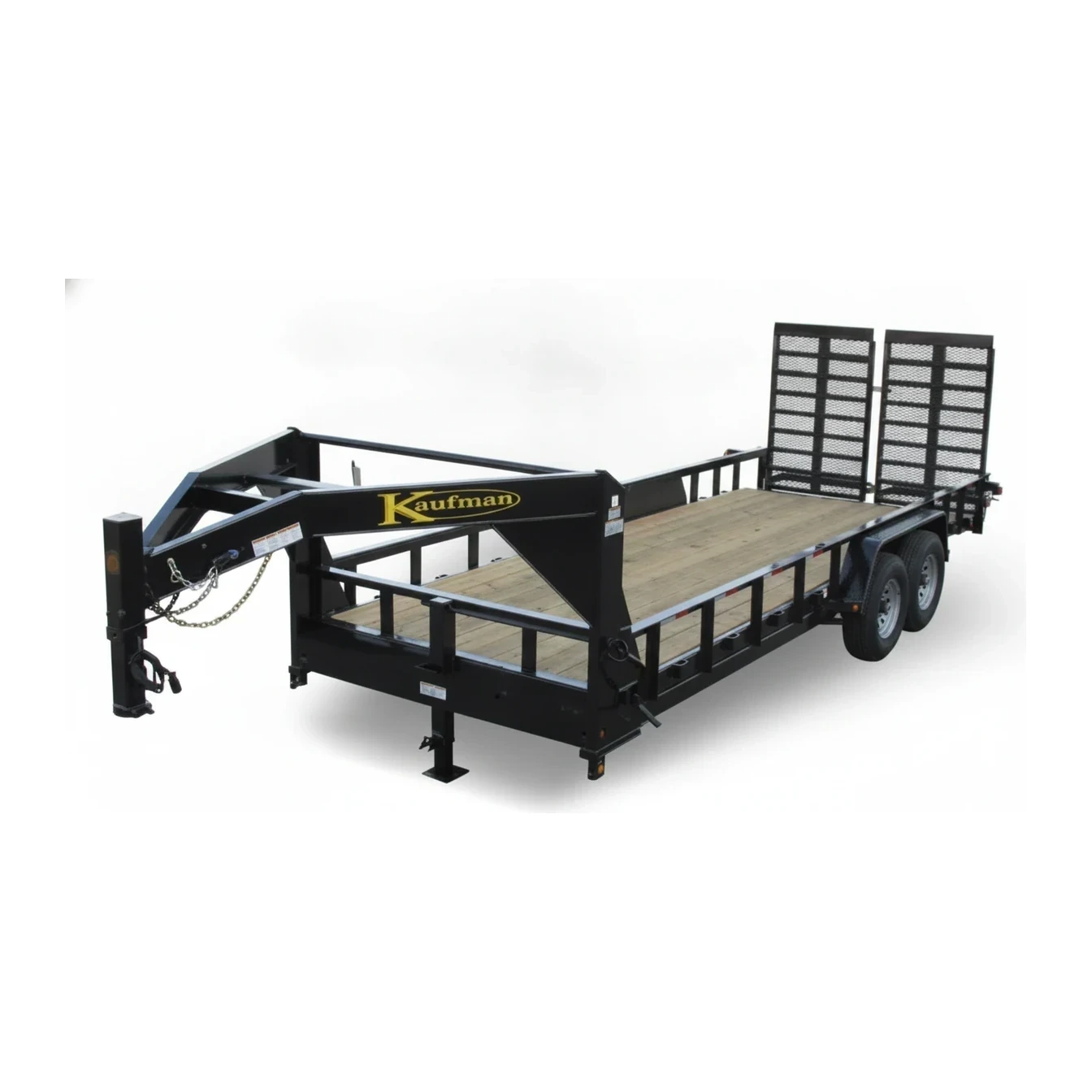
- Equipment Trailer
- Deck-over or tag trailer with ramps for hauling machines.
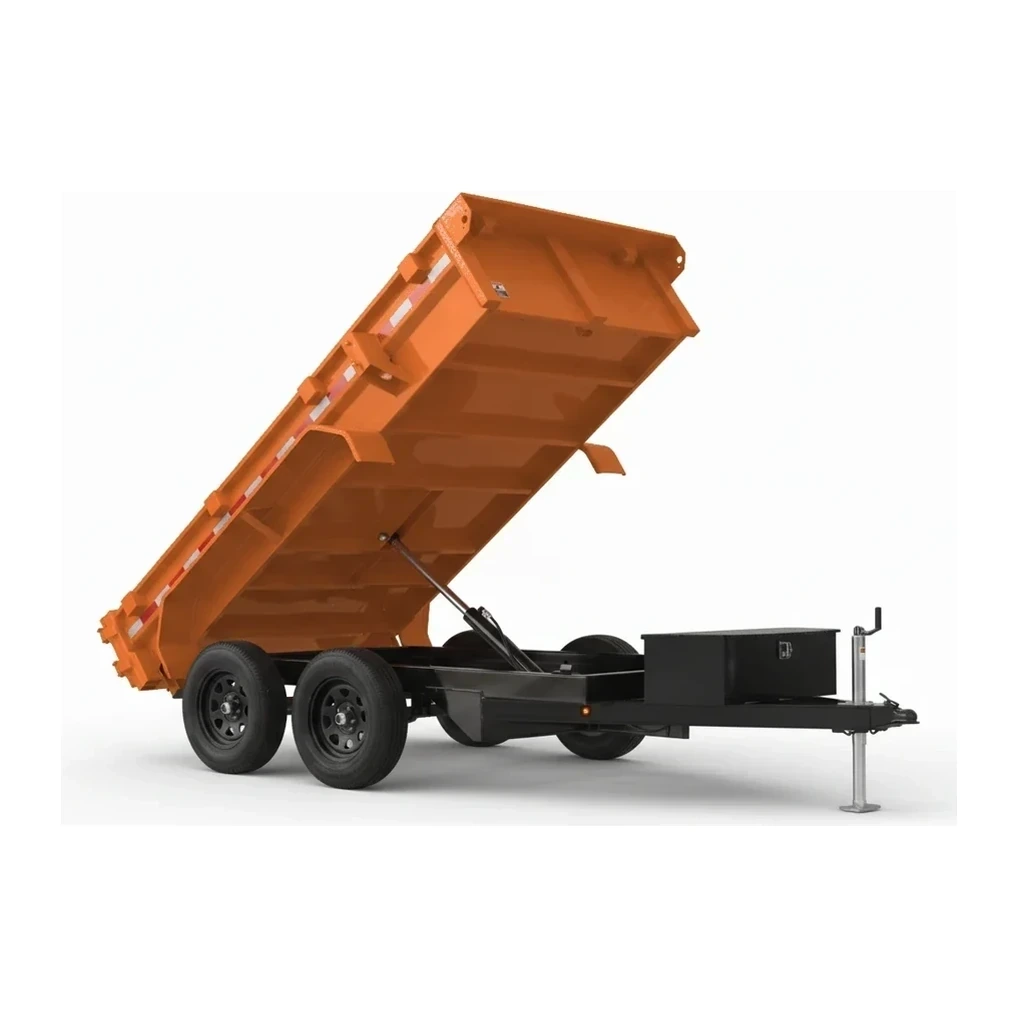
- Dump Trailer
- Hydraulic tipping trailer for hauling and dumping debris and aggregate.
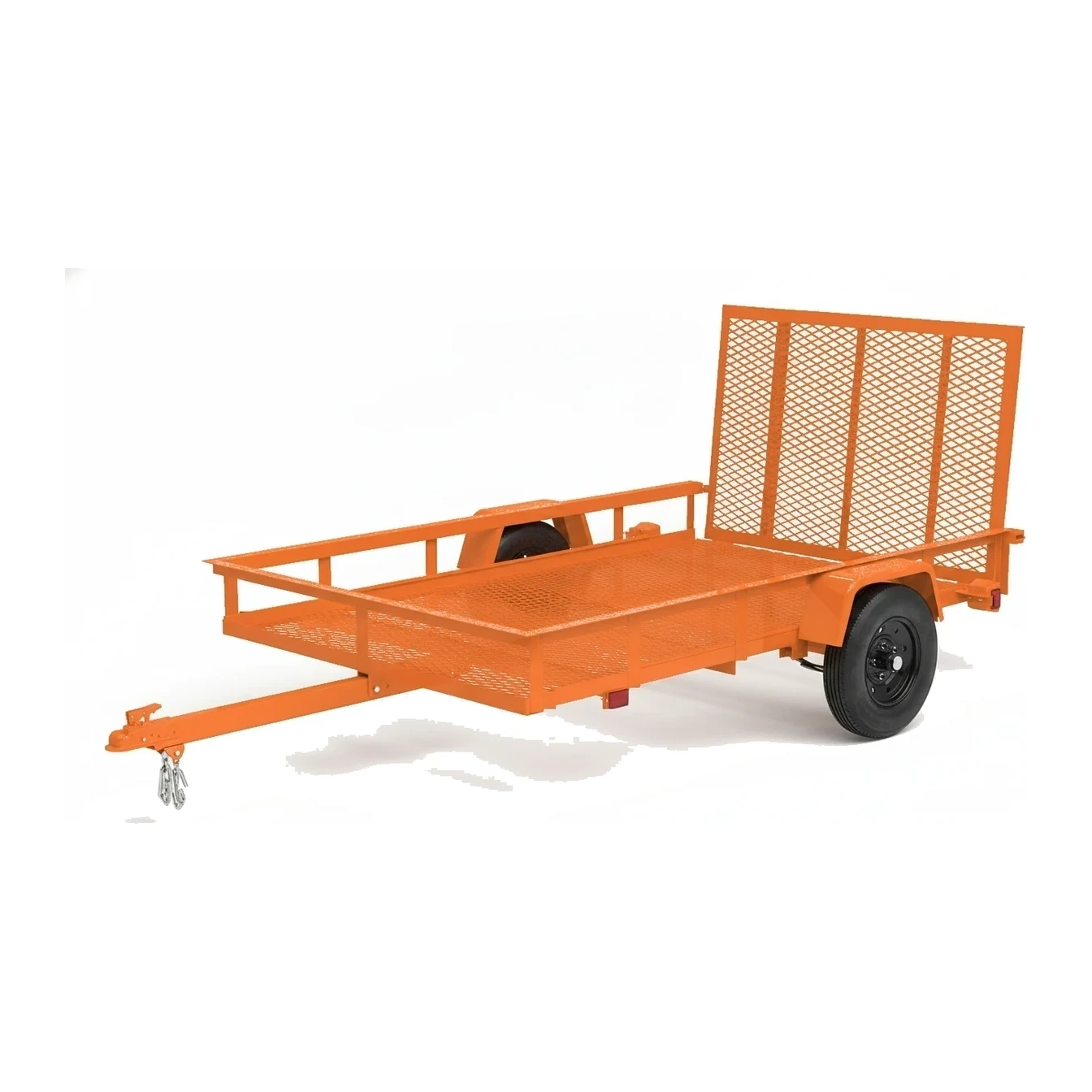
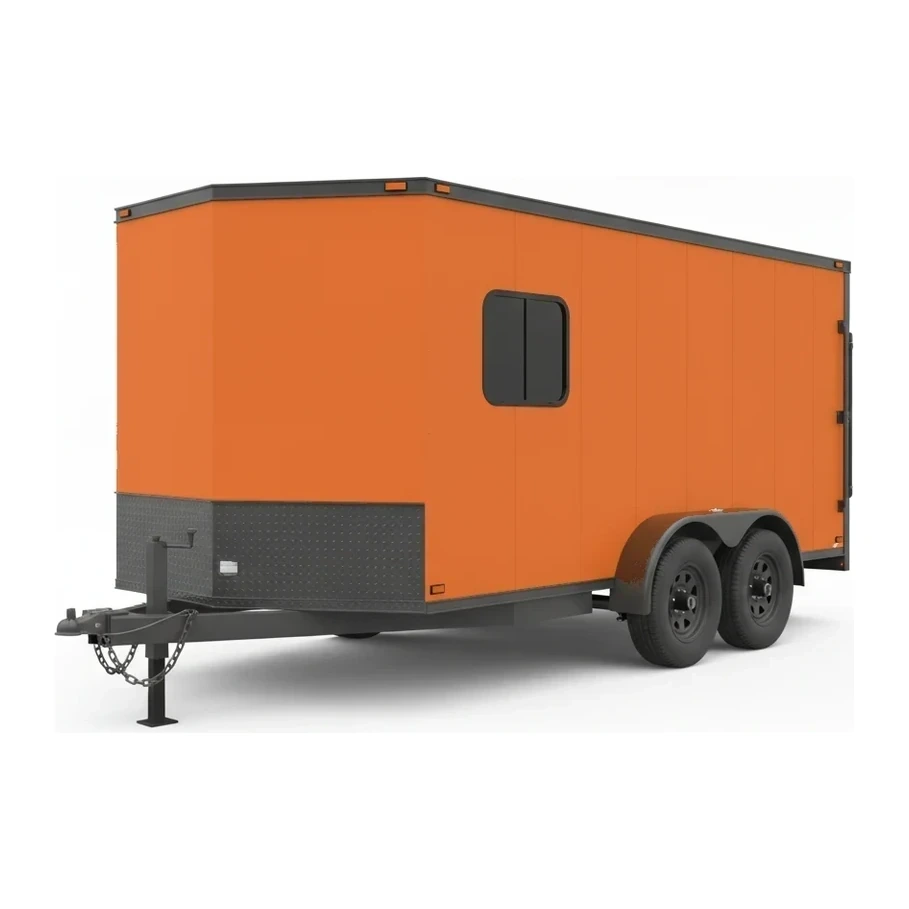
- Utility Trailer
- Open general-purpose trailer for tools and materials.
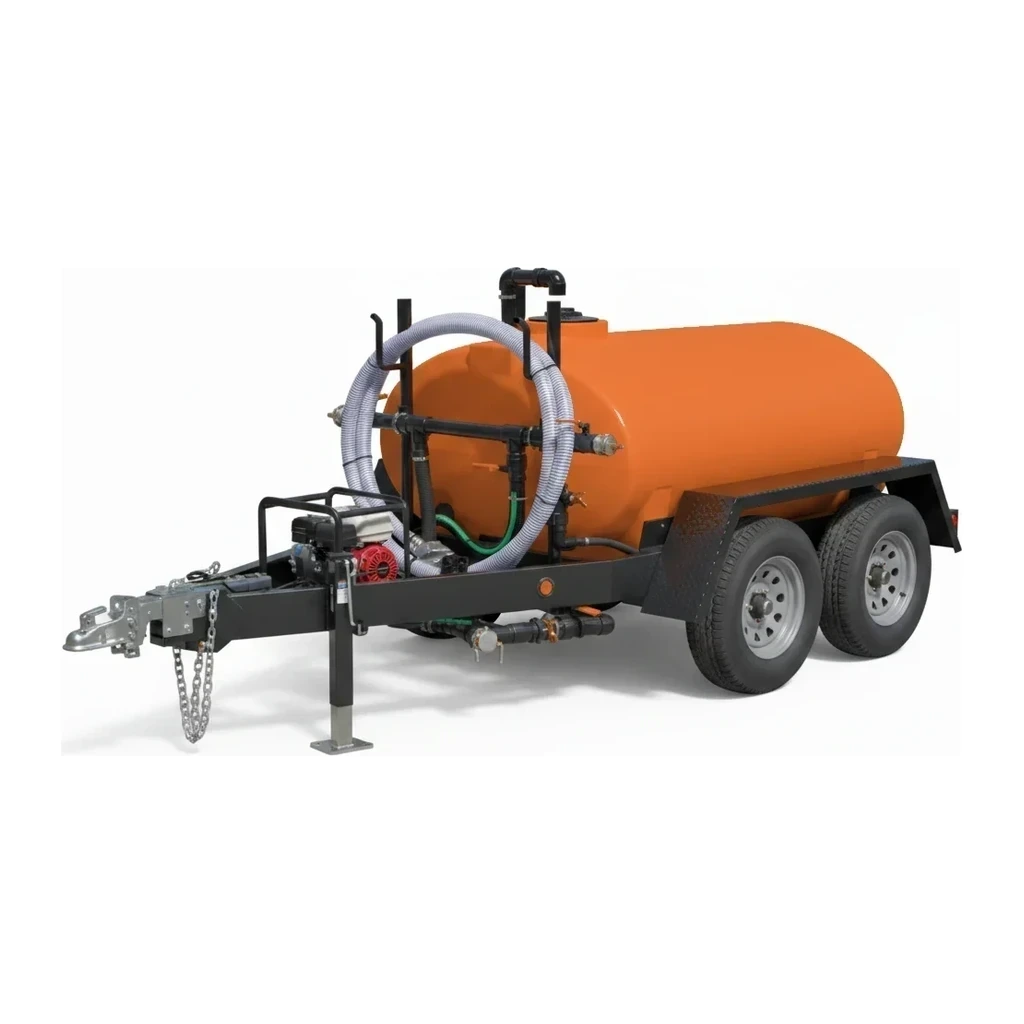
- Water Trailer
- Towable tank with pump and spray bar for water distribution.
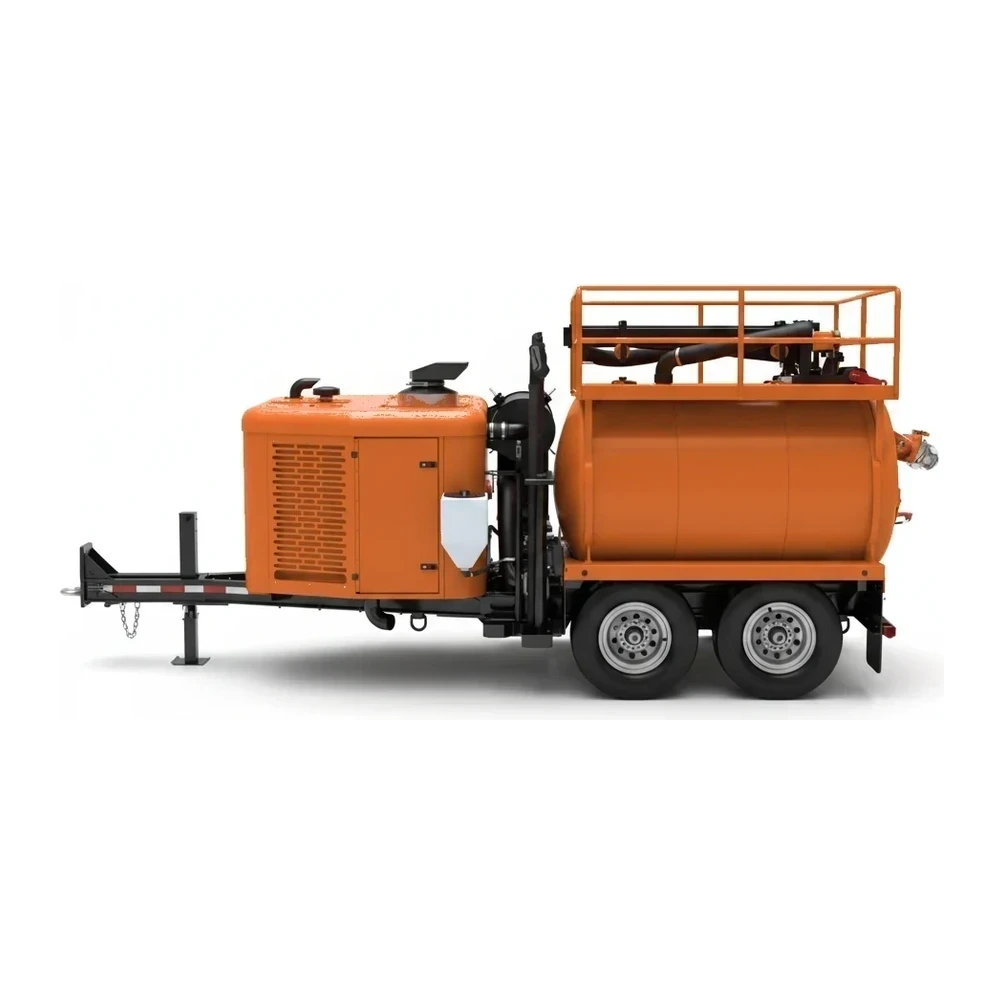
- Vacuum Trailer
- Towable vacuum tank for liquid waste collection.
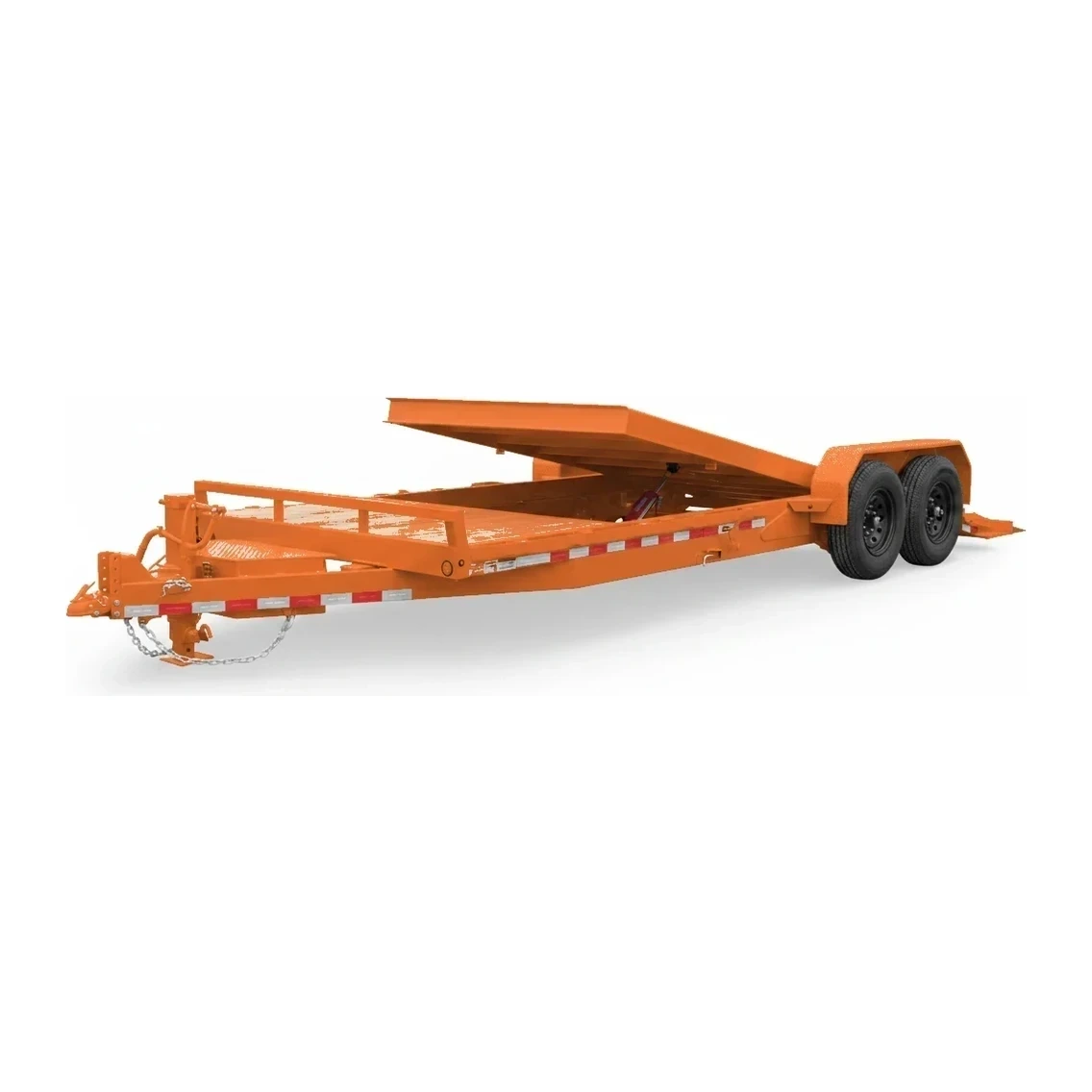
- Tilt Deck Trailer
- Trailer whose deck tilts for ramp-free equipment loading.
Cómo elegir
Load and tow vehicle decide together: machine weight against deck rating and ramp angle, debris volume against dump capacity, and the whole combination against the truck's tow rating and the driver's licensing. Tilt decks earn their place with low-clearance machines that would high-center on ramps.
Normas y certificaciones
- NHTSA · FMVSS (49 CFR 571)
- Federal motor vehicle safety standards for on-road vehicles and trailers.
- SAE · J684
- Standard for trailer couplings, hitches, and safety chains.
- FMCSA
- Federal motor-carrier regulations that apply to commercial trucks and towed trailers.