

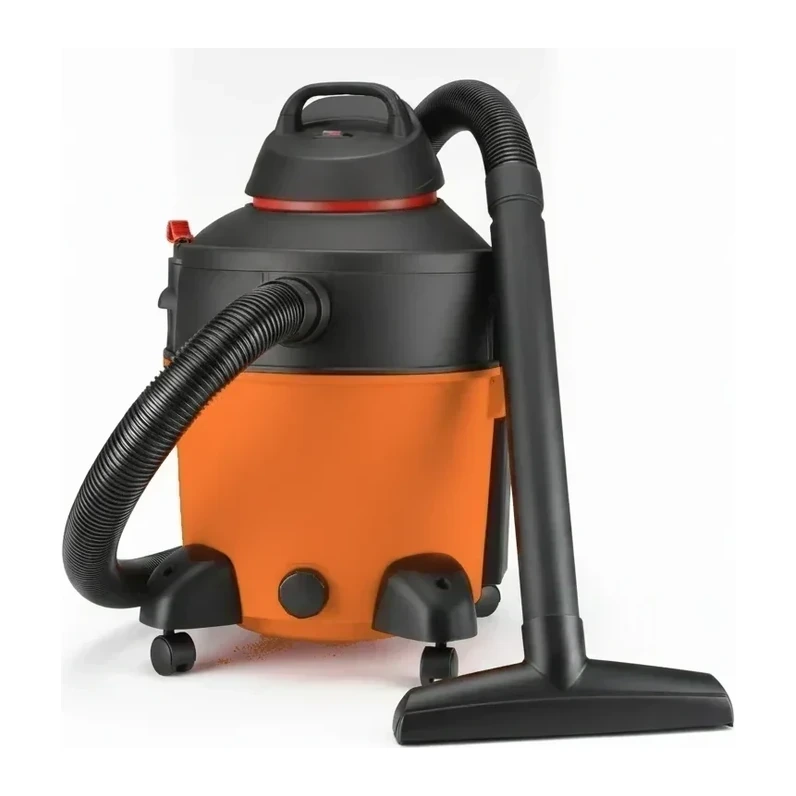
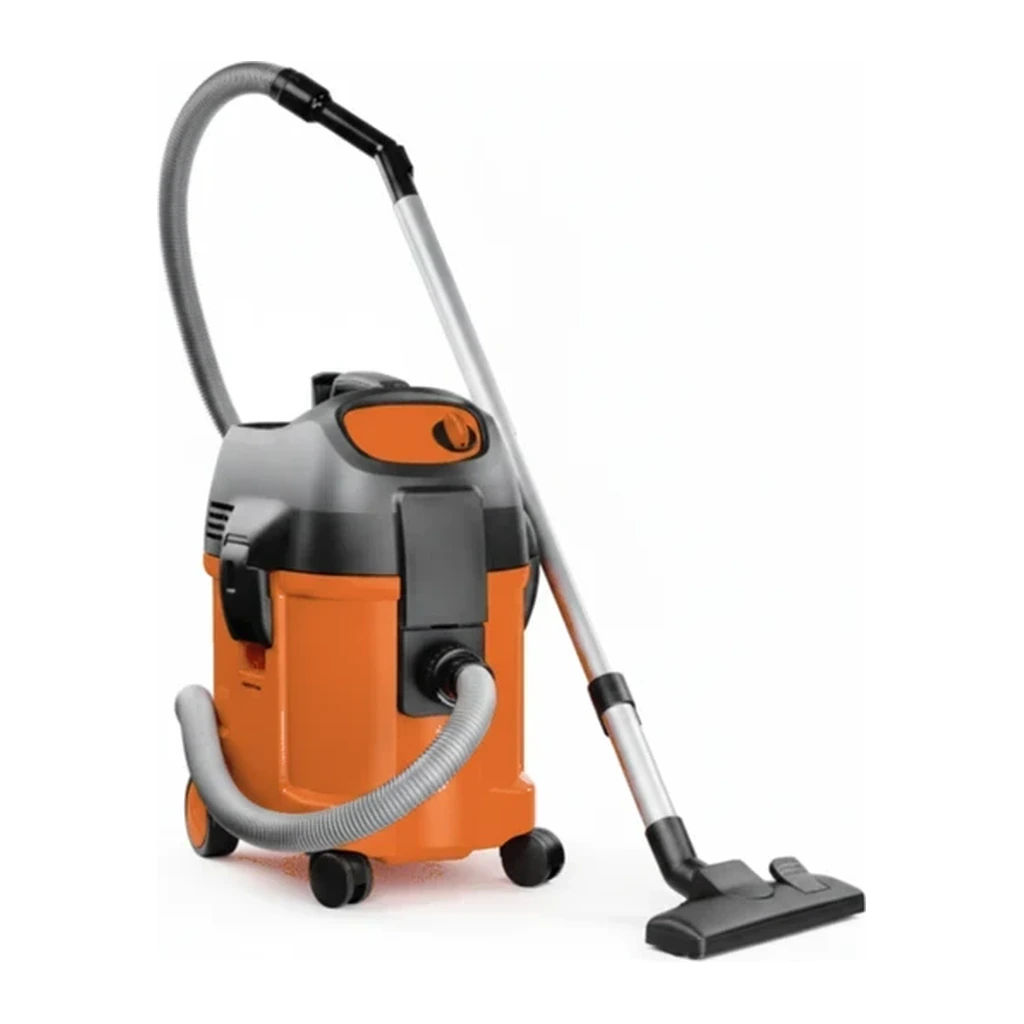
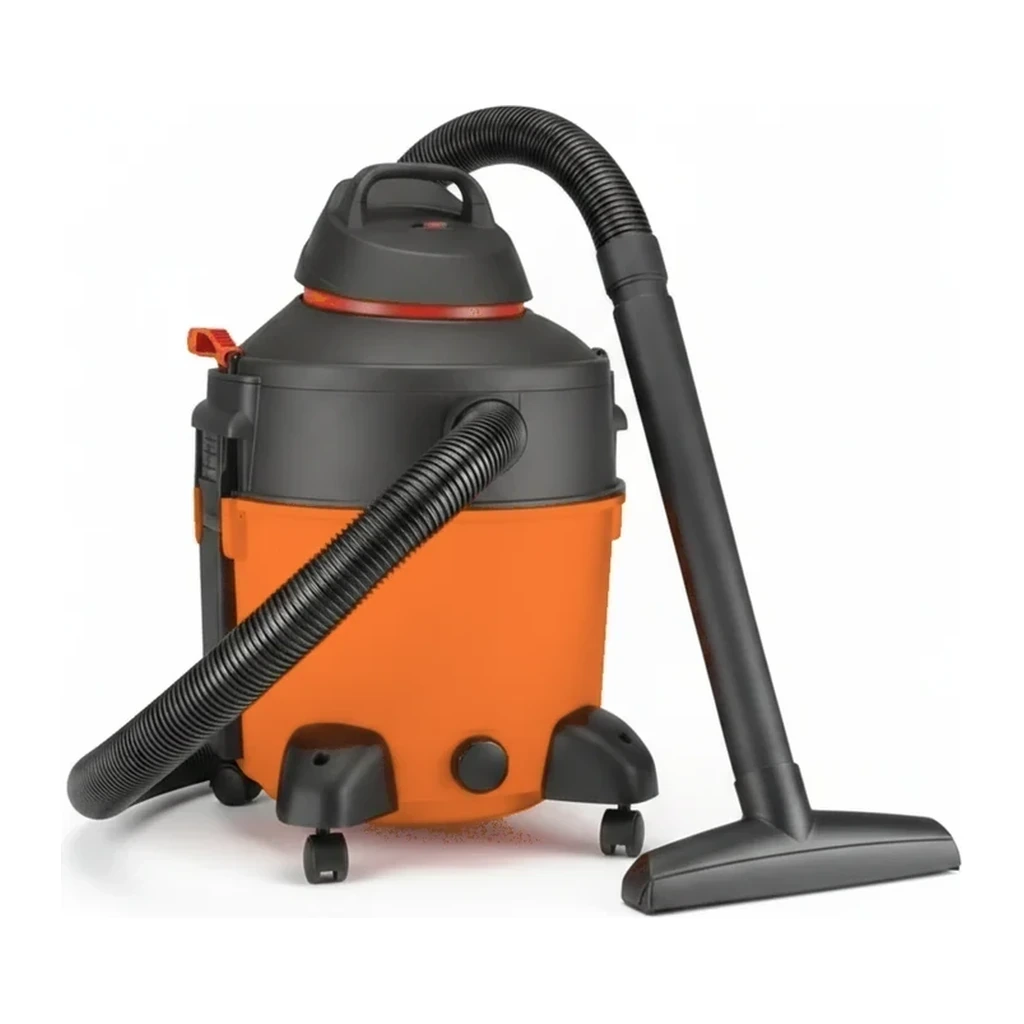
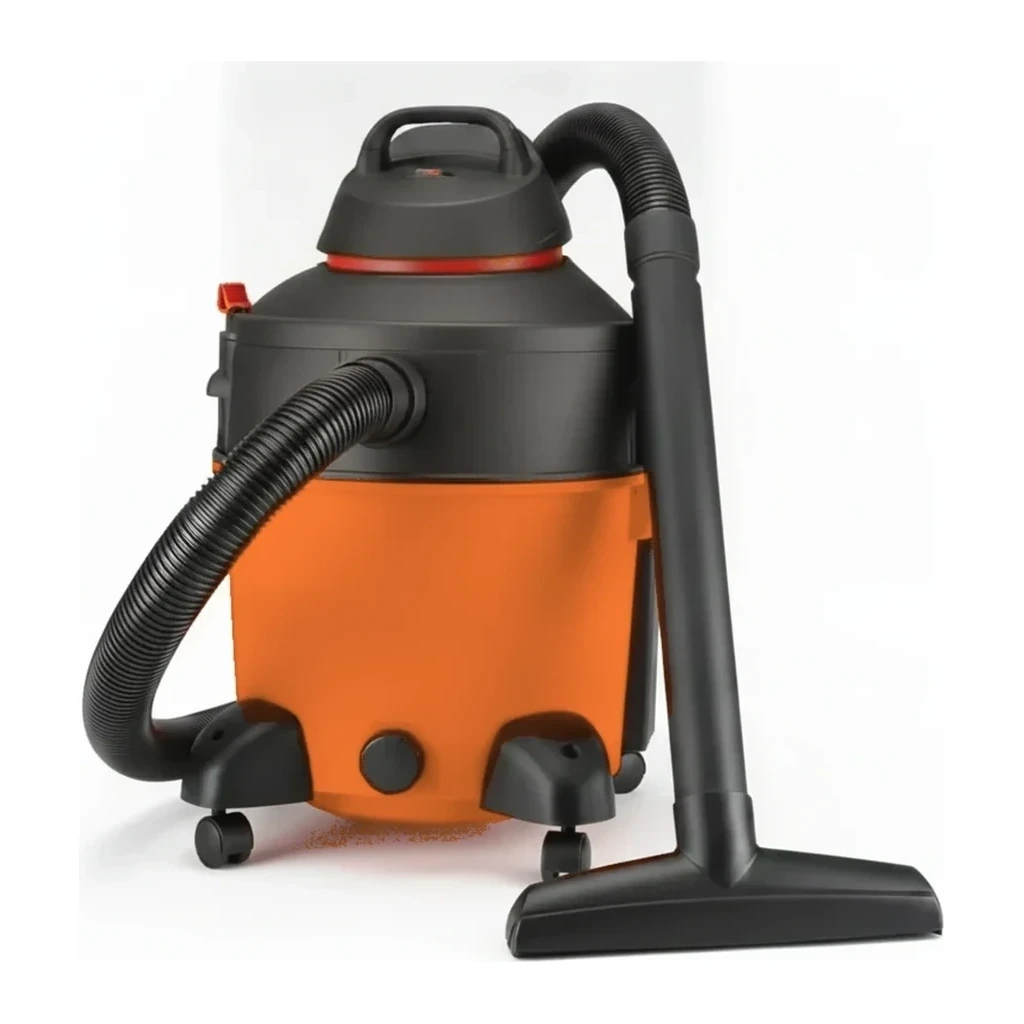
20+ gal Wet/Dry Vacuum
The 20+ gallon wet/dry vacuum is the largest capacity class in the wet/dry vacuum ladder, engineered for standing water removal and continuous cleanup operations where emptying frequency would otherwise halt productivity. This size typically incorporates pump-out systems that discharge collected material through a hose, eliminating the need to tip or remove the drum. Positioned above the 10-20 gallon class, these units support extended operation in flood restoration, large-scale trades cleanup, and industrial maintenance.
Cat classes
Elija una clase de tamaño: la capacidad y el alcance varían en la gama.
Especificaciones clave
| Especificación | Rango típico | Qué significa |
|---|---|---|
| Tank capacity | 20-55 gal | Larger drums extend operating time between service cycles and justify the added weight and footprint. |
| Pump-out feature | Common on this size | Discharge pump moves slurry through a hose to a remote dump point, removing the need to move or tip the drum. |
| Applications | Flood extraction, continuous trades cleanup | Designed for jobs where stopping to empty a smaller drum would interrupt critical work. |
Cómo elegir
The 20+ gallon class is appropriate when standing water volumes or continuous debris generation make frequent emptying impractical, and when the work site can accommodate the larger footprint and weight of a full drum. Pump-out capability becomes essential in basement flooding, water-damage restoration, and multi-trade construction zones where uninterrupted cleanup maintains safety and schedule. For intermittent cleanup or smaller debris volumes where portability and manual emptying are acceptable, the 10-20 gallon wet/dry vacuum offers easier handling and quicker repositioning. No larger size class exists; applications requiring still greater capacity typically move to dedicated water extractors or trash pumps.
Lo que maneja este tamaño
- Basement flood water extraction with continuous pump-out to exterior drainage
- Multi-story interior demolition where debris is vacuumed and pumped to ground-level dumpster
- Industrial facility maintenance with ongoing coolant and metal chip removal
- Water-damage restoration in commercial buildings requiring extended runtime
- Large concrete-cutting operations where slurry volume overwhelms smaller tanks
- Post-fire cleanup involving heavy ash and standing water mixtures
Seguridad y operación
- Pump discharge hose must terminate at an approved drainage point; verify local codes for slurry disposal
- Full drums are top-heavy and difficult to move; engage wheel locks and use pump-out rather than attempting to tip
- GFCI-protected power is mandatory when vacuuming standing water or conductive liquids
- Filter selection must match the material, liquid, fine dust, or slurry, to prevent motor damage and maintain suction
Transporte y logística
- Full drums may exceed 400 lb; wheeled base and pump-out reduce need to lift or tip the unit
- Typically loaded into vans or truck beds using ramps or liftgates; drained before transport when possible
Alimentación
- Standard 120 V 15 A or 120 V 20 A circuits for motor and pump; some models require dedicated outlets
- Cord length and GFCI protection are critical when working around standing water
Preguntas frecuentes
Why choose a pump-out model over a larger drum that tips to empty?
Can a 20+ gallon wet/dry vacuum handle both water and dry debris in the same job?
When does standing water require a dedicated extractor instead of a large wet/dry vacuum?
Equipos relacionados
Explorar por fabricante
Fuentes
Cada especificación se verifica con los datos publicados por el fabricante, con la fuente enlazada como referencia.
20+ gal Wet/Dry Vacuum
2 modelos · Cada especificación citada a la fuente