

100-185 cfm Towable Diesel Air Compressor
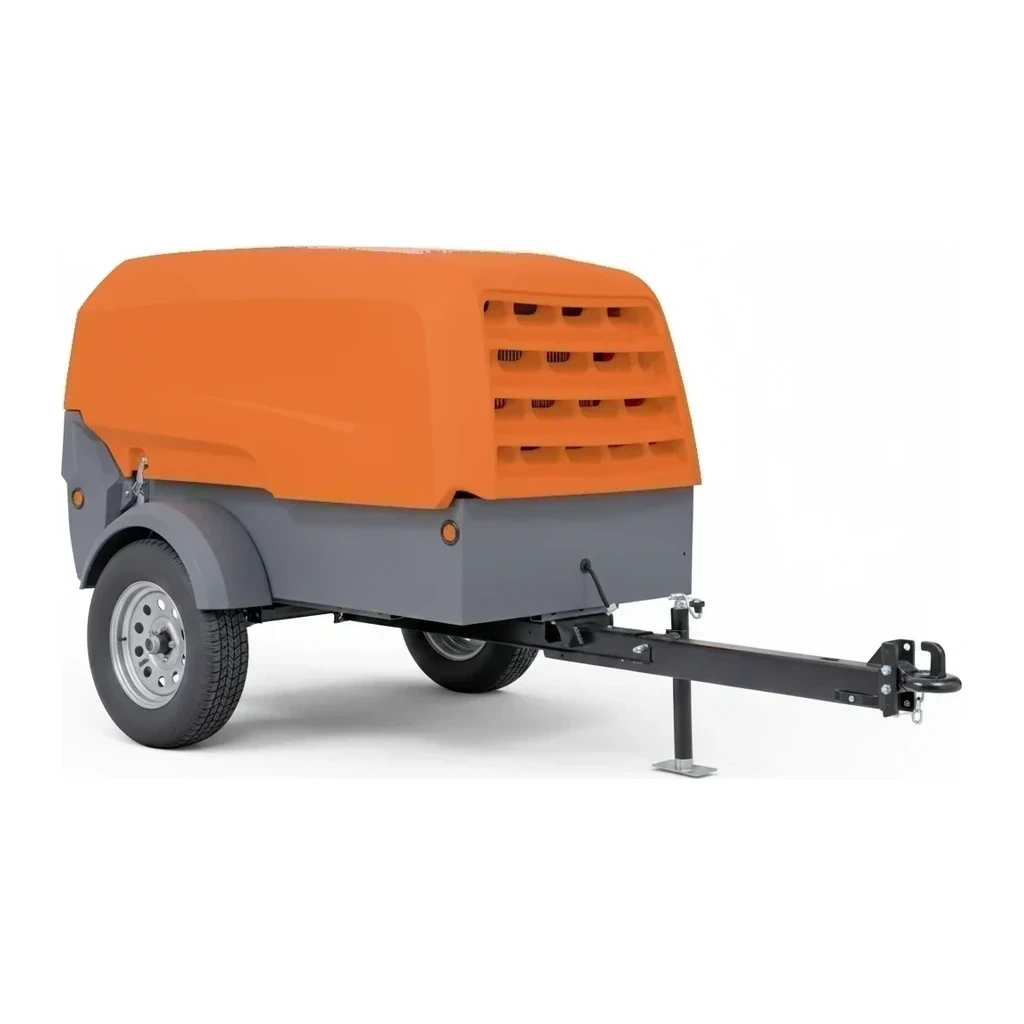
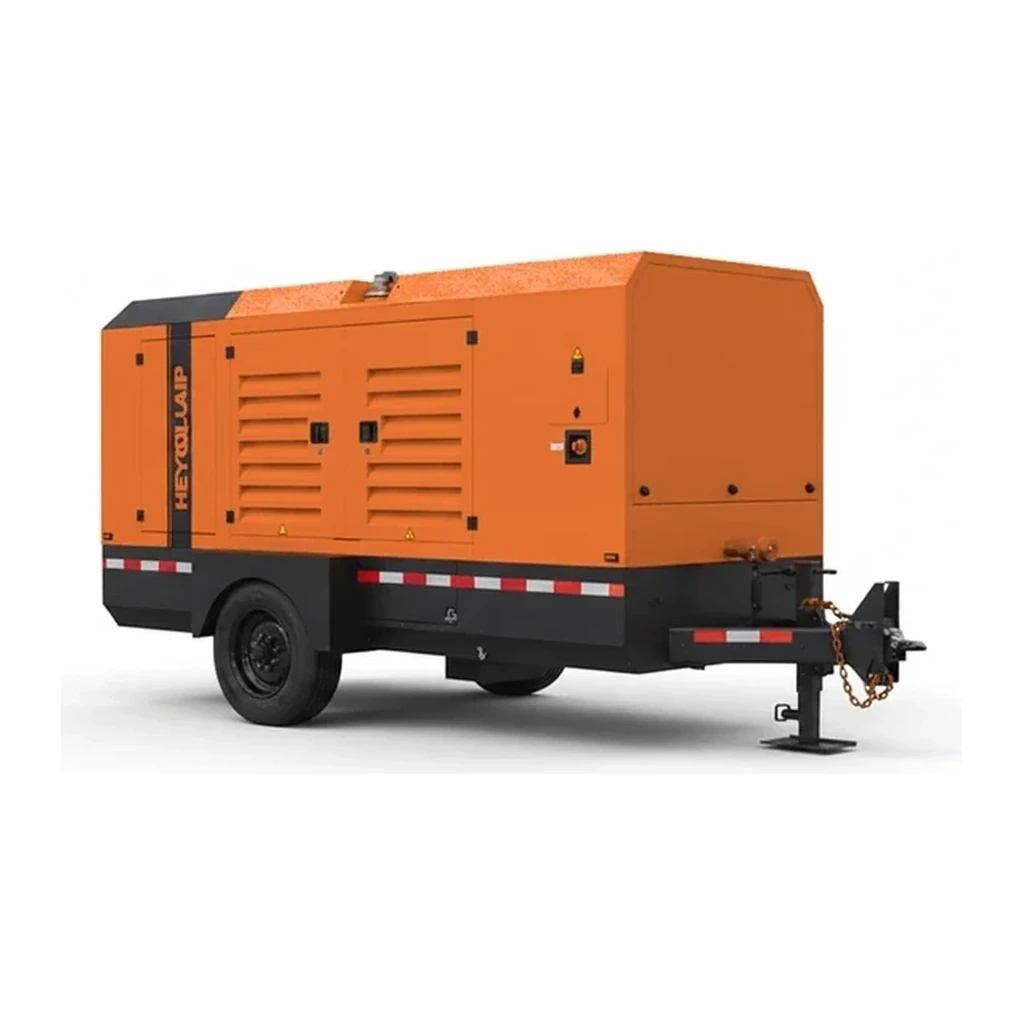
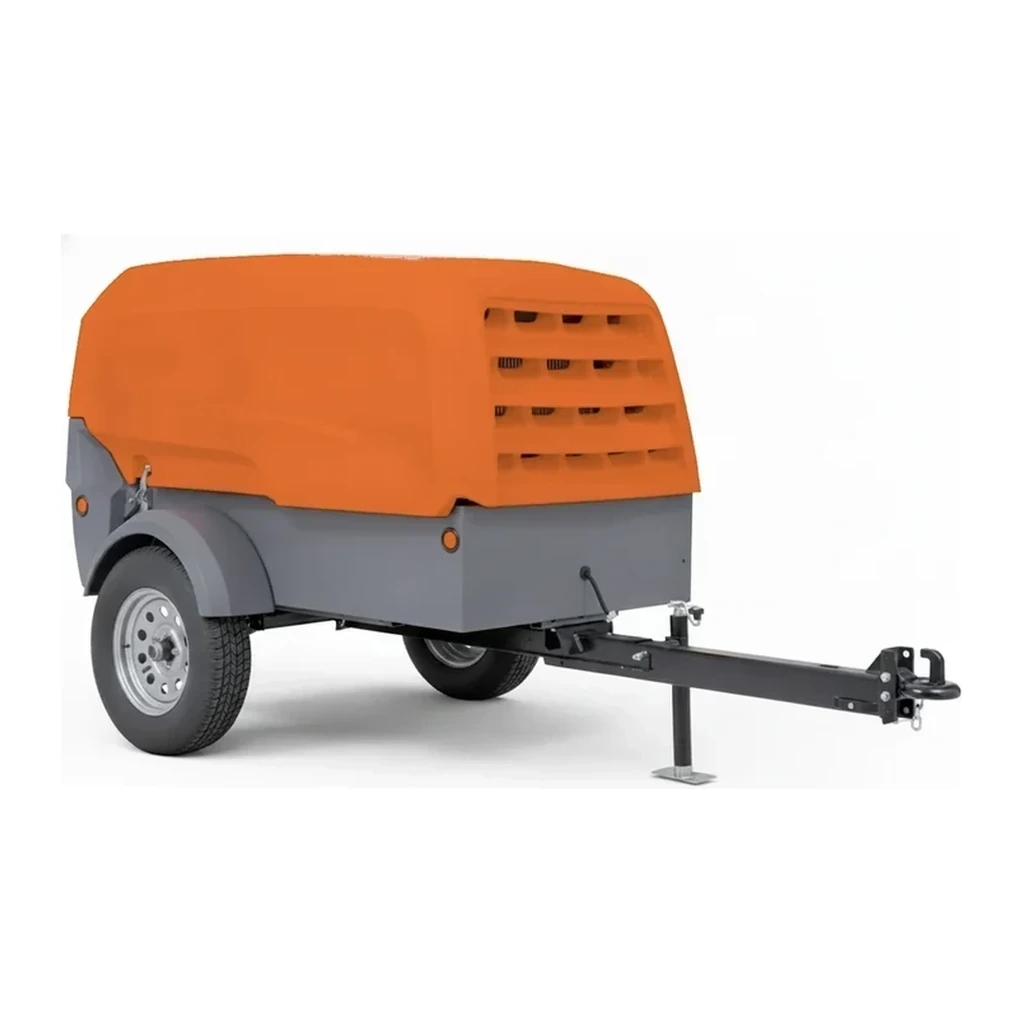
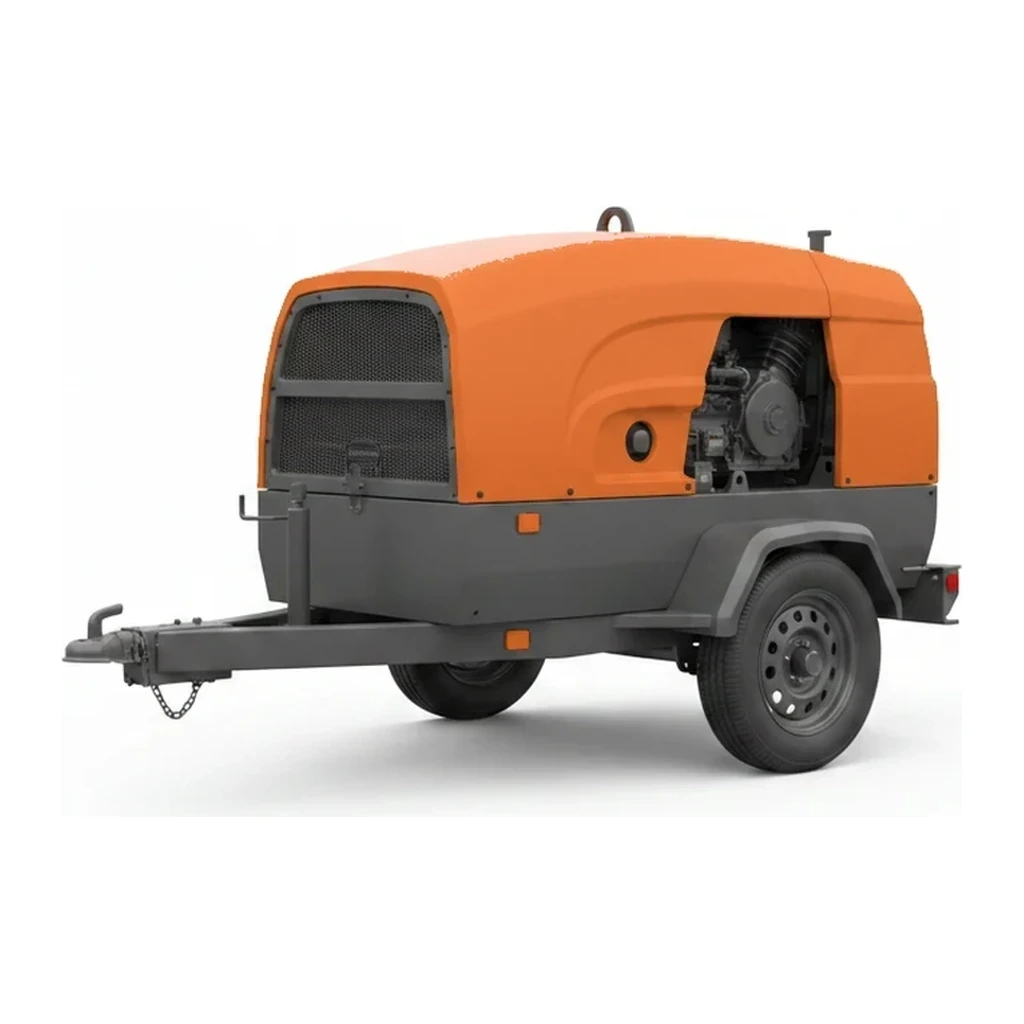
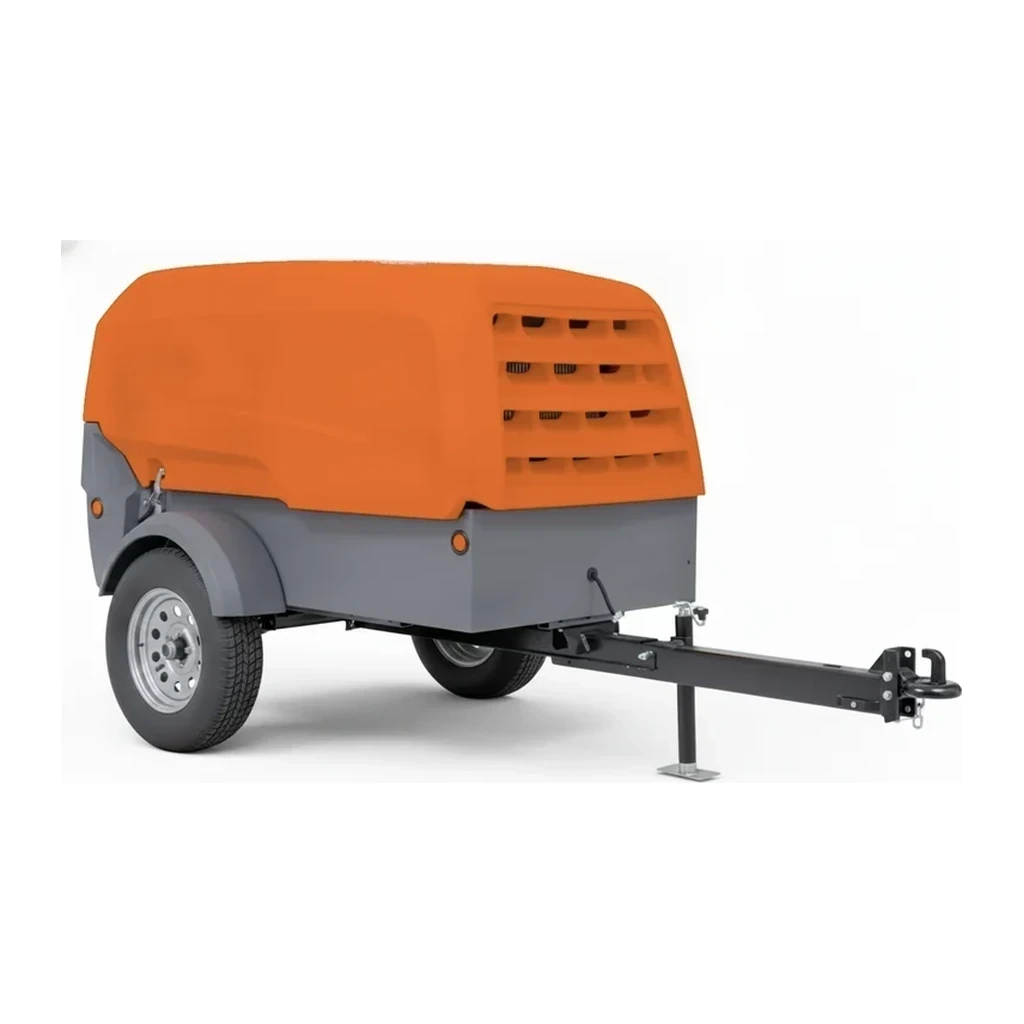
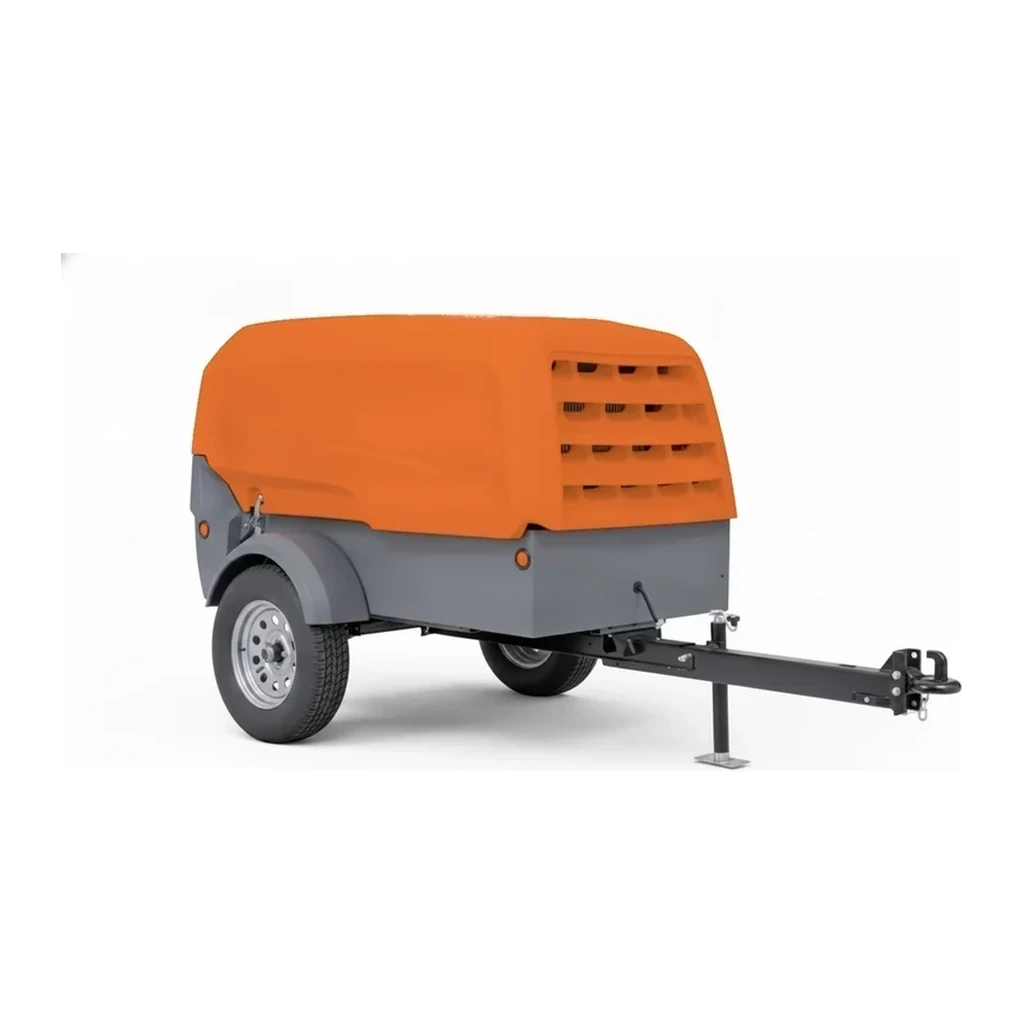
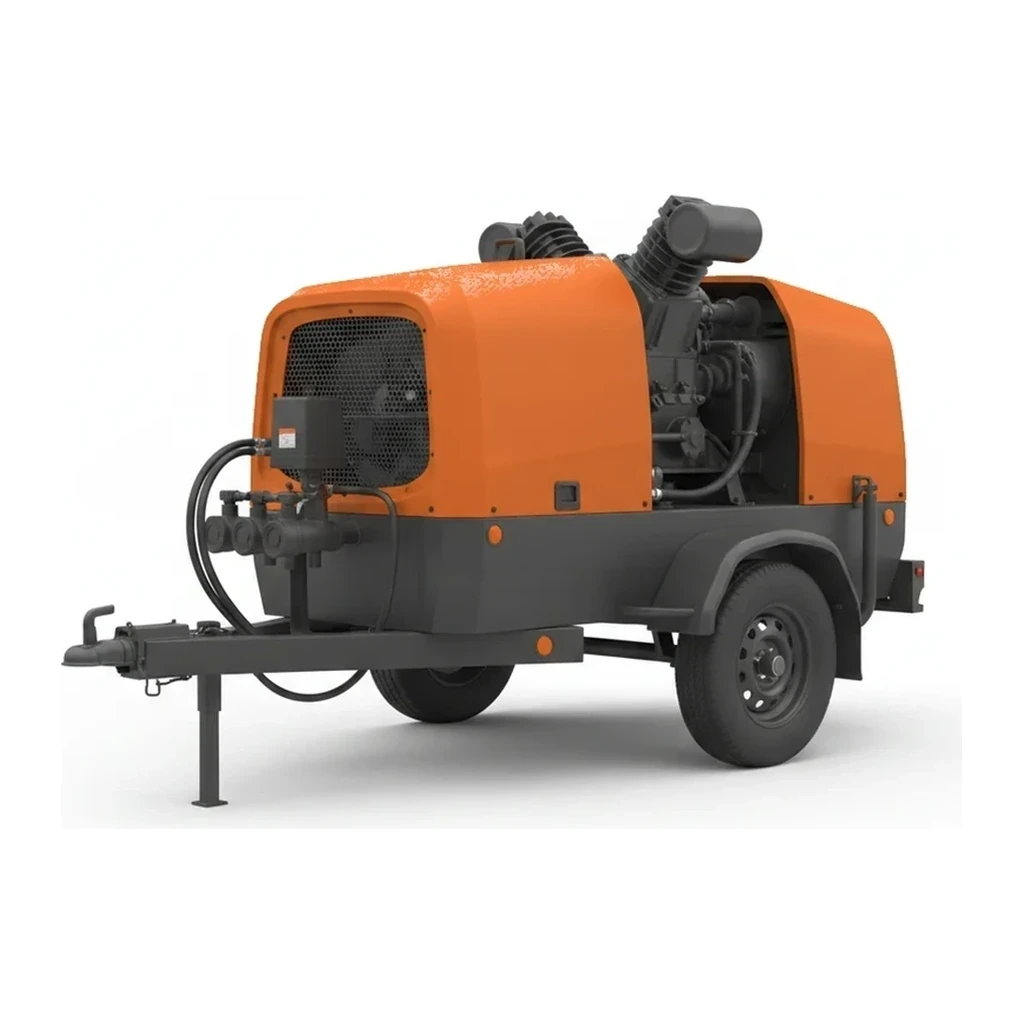
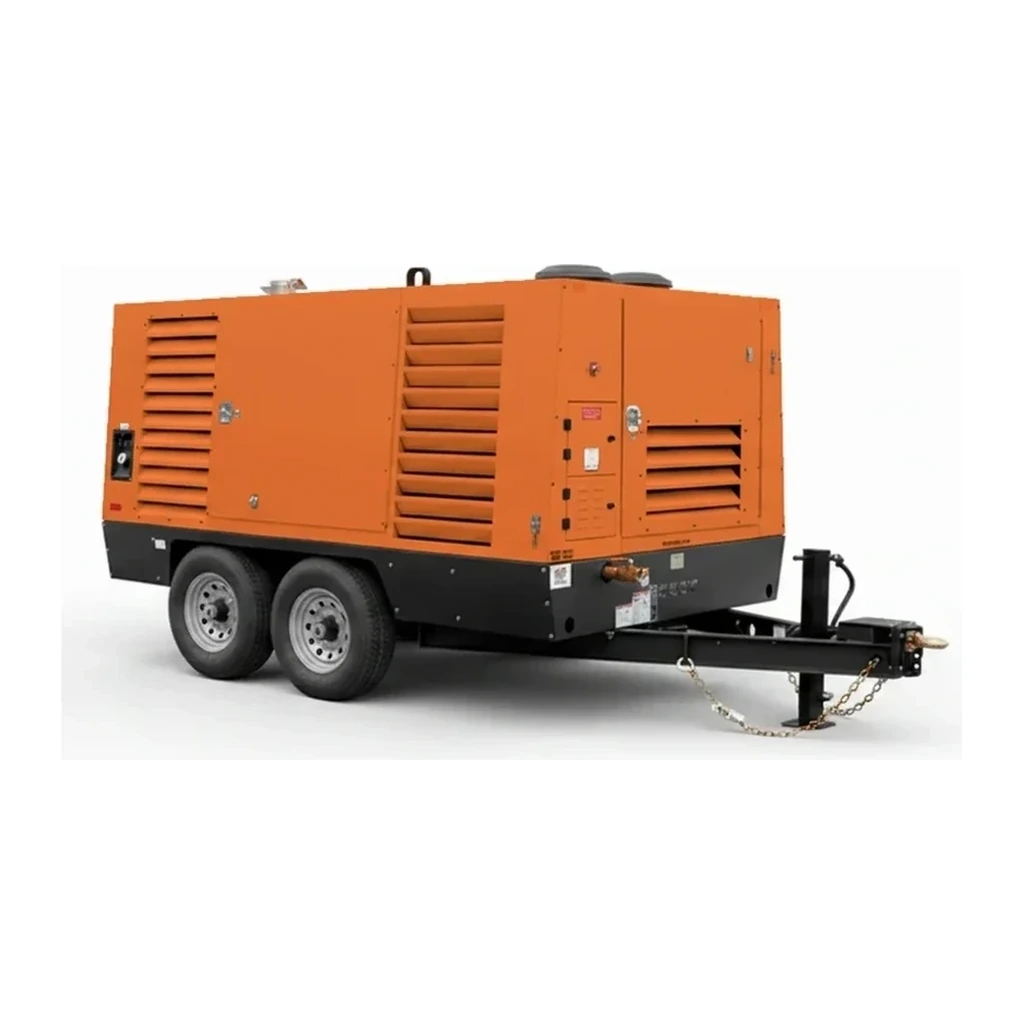
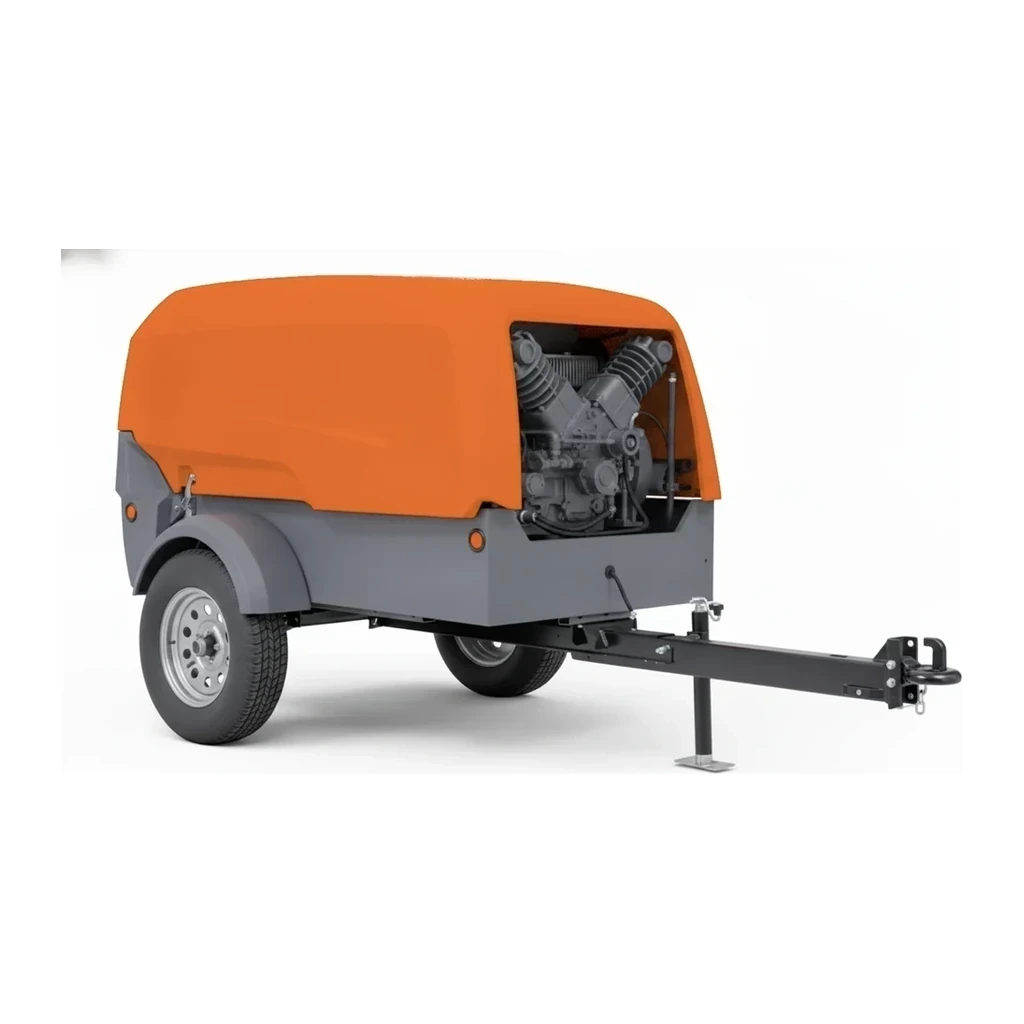
The 100-185 cfm towable diesel air compressor is a mid-range class designed to power one breaker plus a second pneumatic tool running at the same time. This size sits above the <100 cfm single-tool units and below the 185-260 cfm class that supports three-tool operations. Brands in this segment include Chicago Pneumatic and Atlas Copco.
Cat classes
Choisissez une classe de taille : la capacité et la portée varient selon la gamme.
Spécifications clés
| Spécification | Plage typique | Signification |
|---|---|---|
| Air delivery | 100-185 cfm | Cubic feet per minute output at rated pressure, defining the simultaneous tool capacity. |
| Operating pressure | 100-150 psi | Standard working pressure range for pneumatic breakers and impact tools. |
| Fuel tank | 12-25 gallons | Diesel capacity determines hours of autonomous operation before refueling. |
| Trailer class | Single-axle, pintle or ball hitch | Road-towable chassis typically under 3,000 lb for maneuvering on confined sites. |
Comment choisir
This size class is appropriate when the work requires one pneumatic breaker and a second tool, such as a tamper, impact wrench, or rotary drill, operating concurrently. For single-tool applications or intermittent use of a second hand tool, the Up to 100 cfm Towable Diesel Air Compressor may be sufficient and more economical to transport. When the job calls for two breakers or three tools at once, or when sustained higher-volume applications like sandblasting are planned, the 185-260 cfm Towable Diesel Air Compressor becomes the better choice to maintain pressure and avoid compressor cycling.
Ce que cette taille peut gérer
- Pavement breaking with a 60 lb breaker while operating a clay spade or chipping hammer
- Trenching and backfilling where a breaker and pneumatic tamper run in sequence or simultaneously
- Light demolition on commercial remodels requiring intermittent use of two impact tools
- Foundation prep with one breaker active and a backup tool ready without shut-down cycles
- Small site utilities work where multiple crew members share the air supply
- Road repair with one jackhammer and a handheld grinder or scaler
Sécurité et opération
- Shutdown sensors for low oil pressure and high coolant temperature protect the engine under load
- Enclosed canopy or roll cage protects rotating and hot components; verify all guards are in place before starting
- Ensure tow vehicle and hitch are rated for the compressor's gross weight and tongue load
- Grounding and bonding may be required when compressed air is used near flammable atmospheres or coatings
Transport et logistique
- Single-axle towable chassis designed for hookup to pickup trucks or service vehicles with standard hitch receivers
- Typical gross weight under 3,000 lb permits maneuvering in residential or confined commercial sites
- Rigid tow bar or lunette ring configurations available depending on manufacturer and model year
Alimentation
- Diesel-fueled engine runs independently; no external electrical connection required on site
- Fuel consumption typically 0.5-1.5 gallons per hour under load, depending on tool demand and duty cycle
- On-board fuel tank supports 8-16 hours of operation between refills at typical usage rates
Questions fréquentes
Can this size run two 60 lb breakers at the same time?
What distinguishes this class from the smaller <100 cfm units?
Does this size require a CDL or special trailer endorsement to tow?
Comparer les modèles populaires
Chercher par spécification →Normalisé aux mêmes unités. Un tiret signifie que la valeur n'a pas été publiée.
| Modèle | Débit d’air libre | Pression max | Puissance moteur |
|---|---|---|---|
| Atlas Copco XAS 110 | 110 cfm | - | - |
| Doosan C185 | 184 cfm | - | 49 hp |
| Chicago Pneumatic CPS 175-100 | 170 cfm | 100 psi | - |
Équipements connexes
Parcourir par fabricant
Sources
Chaque spécification est vérifiée par rapport aux données publiées par le fabricant, avec la source liée pour référence.
100-185 cfm Towable Diesel Air Compressor
4 modèles · Chaque spécification citée à la source