

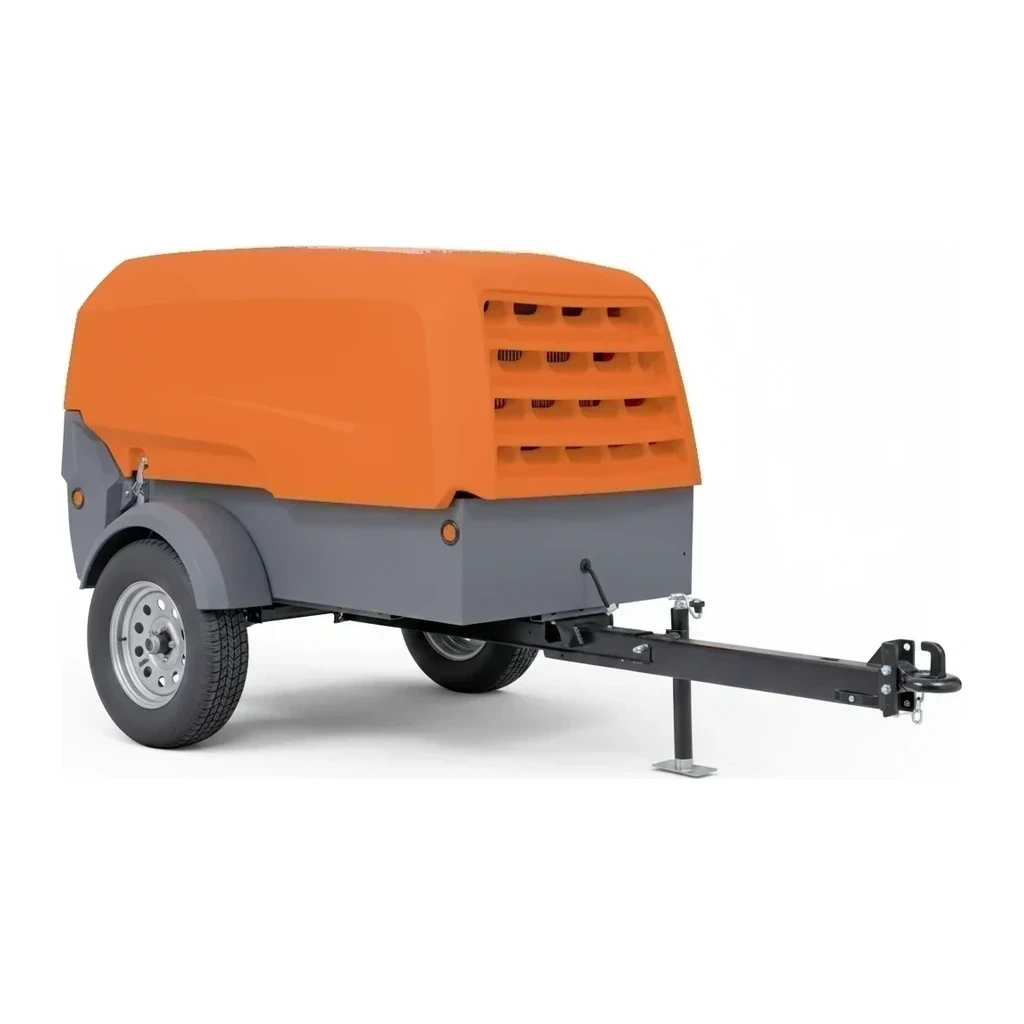
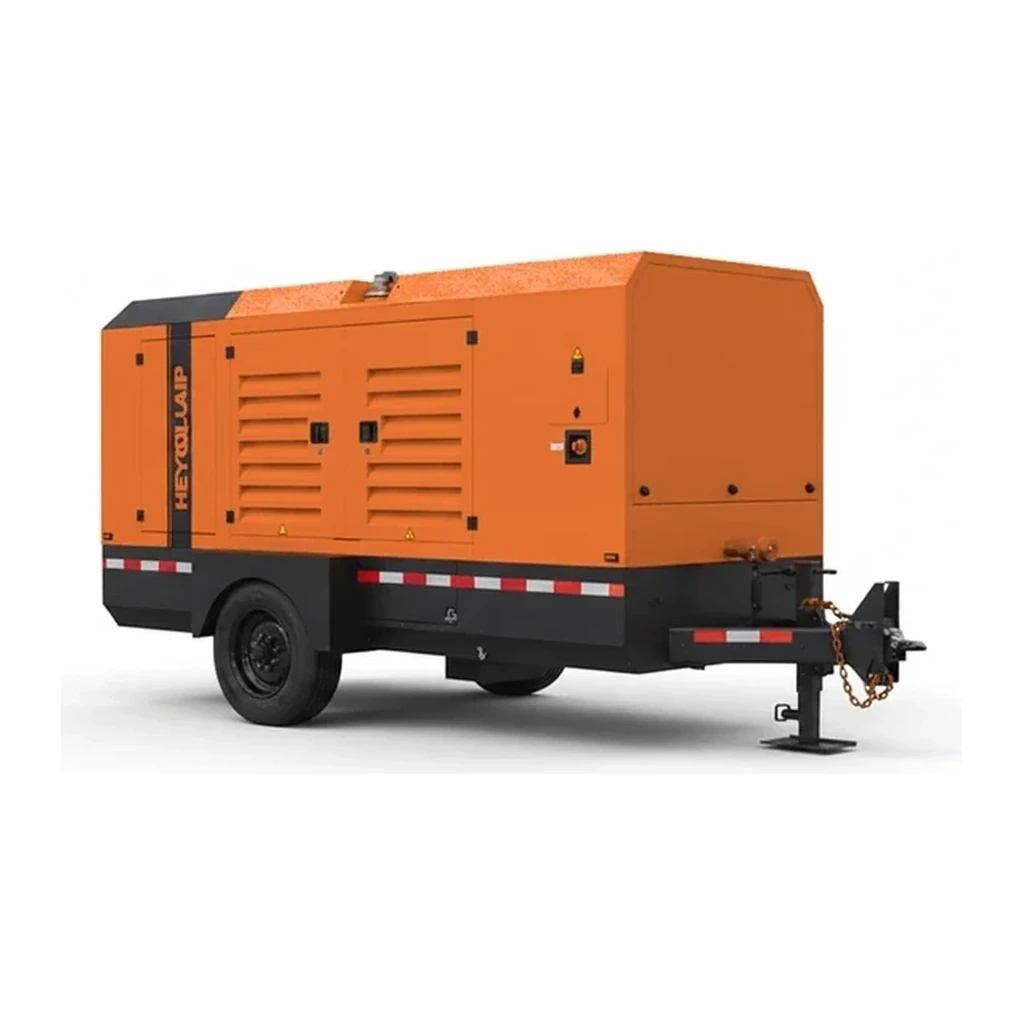
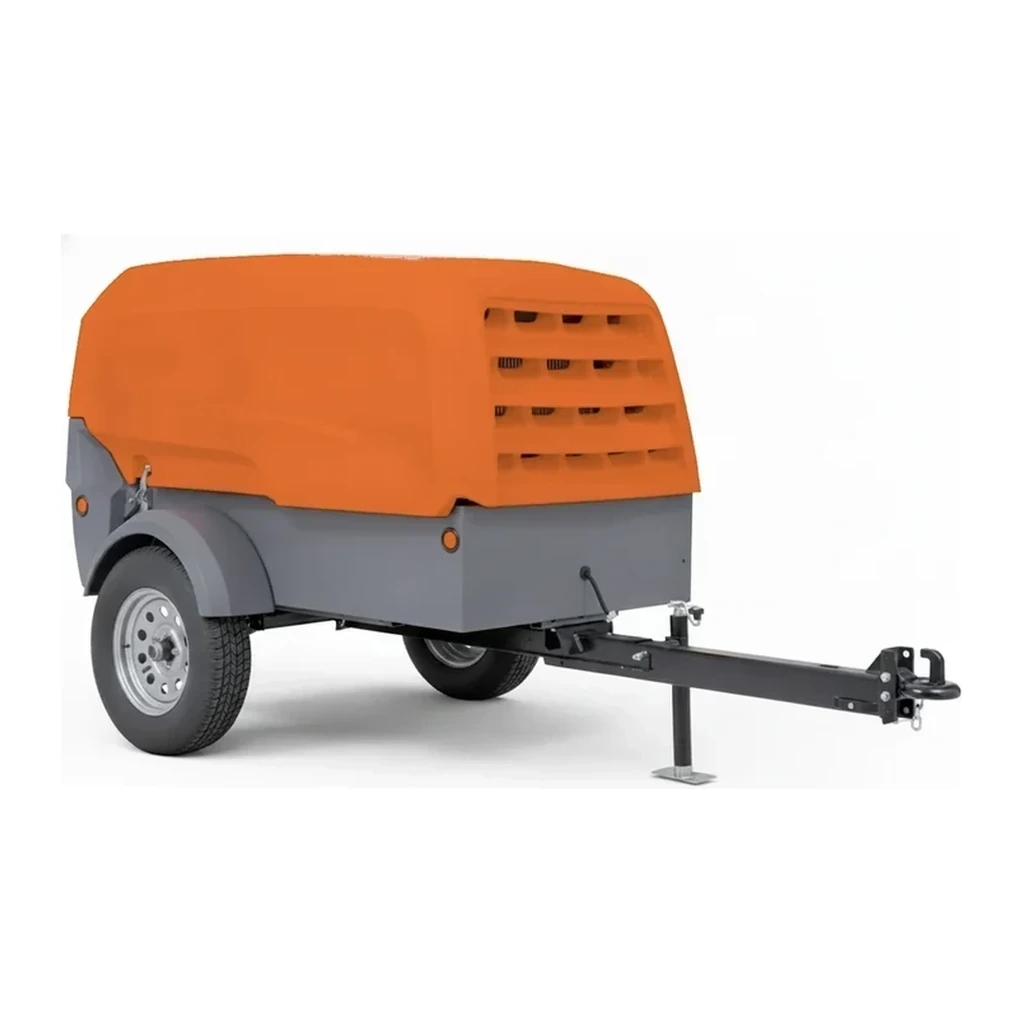
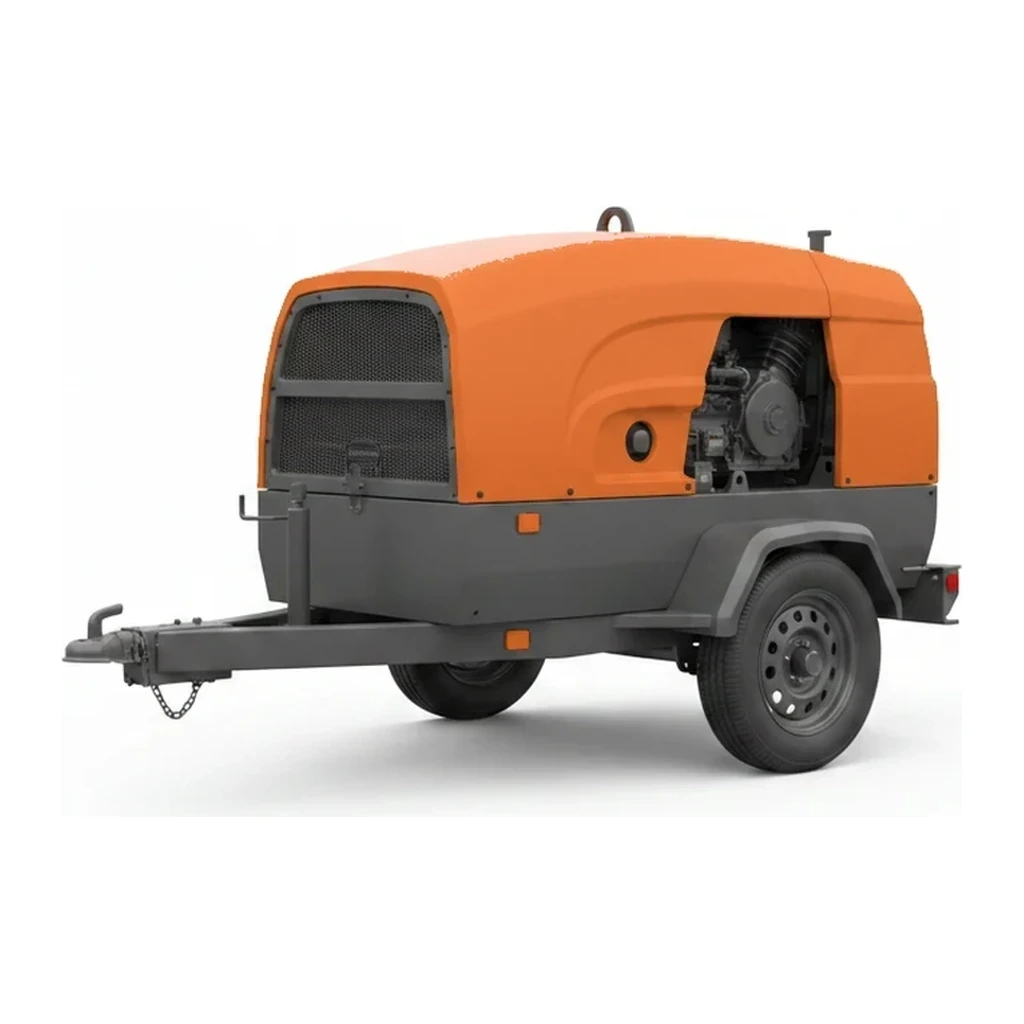
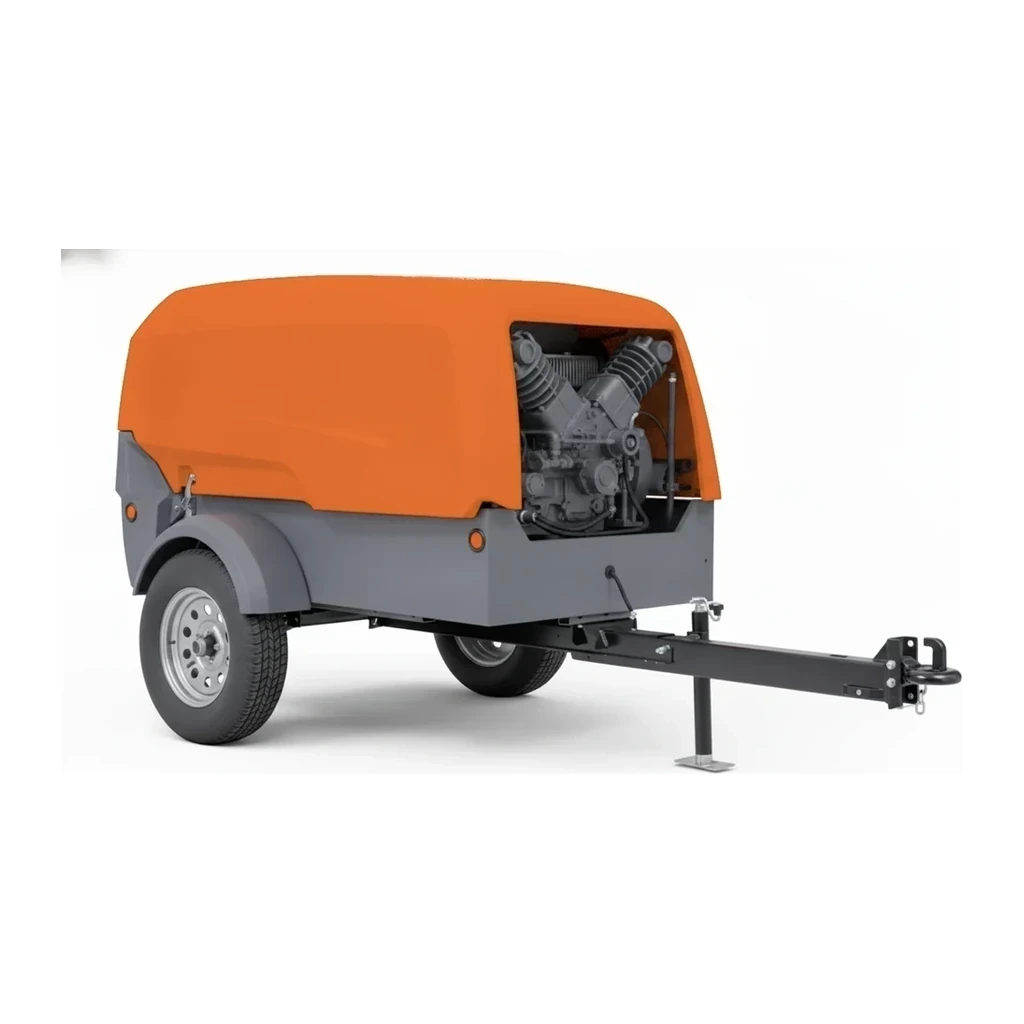
400-600 cfm Towable Diesel Air Compressor
The 400-600 cfm towable diesel air compressor sits in the medium-high output tier, bridging single-operation support and multi-tool demand. Units in this class deliver 405-492 cfm of free air, powered by engines in the 93-127 hp range, suitable for sandblasting operations that require sustained pressure alongside multiple pneumatic tools or small crews working continuously. This band represents a step above 260-400 cfm models and below the 600-900 cfm heavy-duty tier.
Cat classes
Choisissez une classe de taille : la capacité et la portée varient selon la gamme.
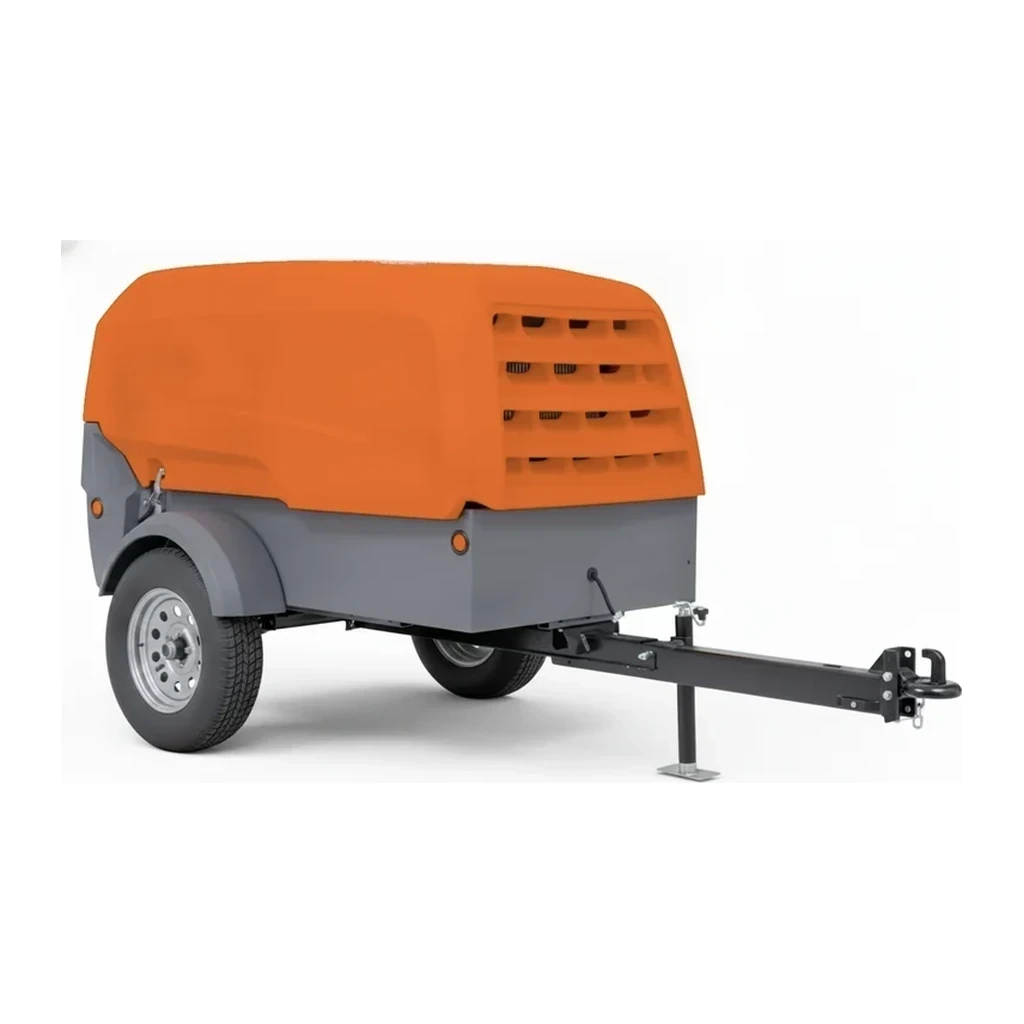
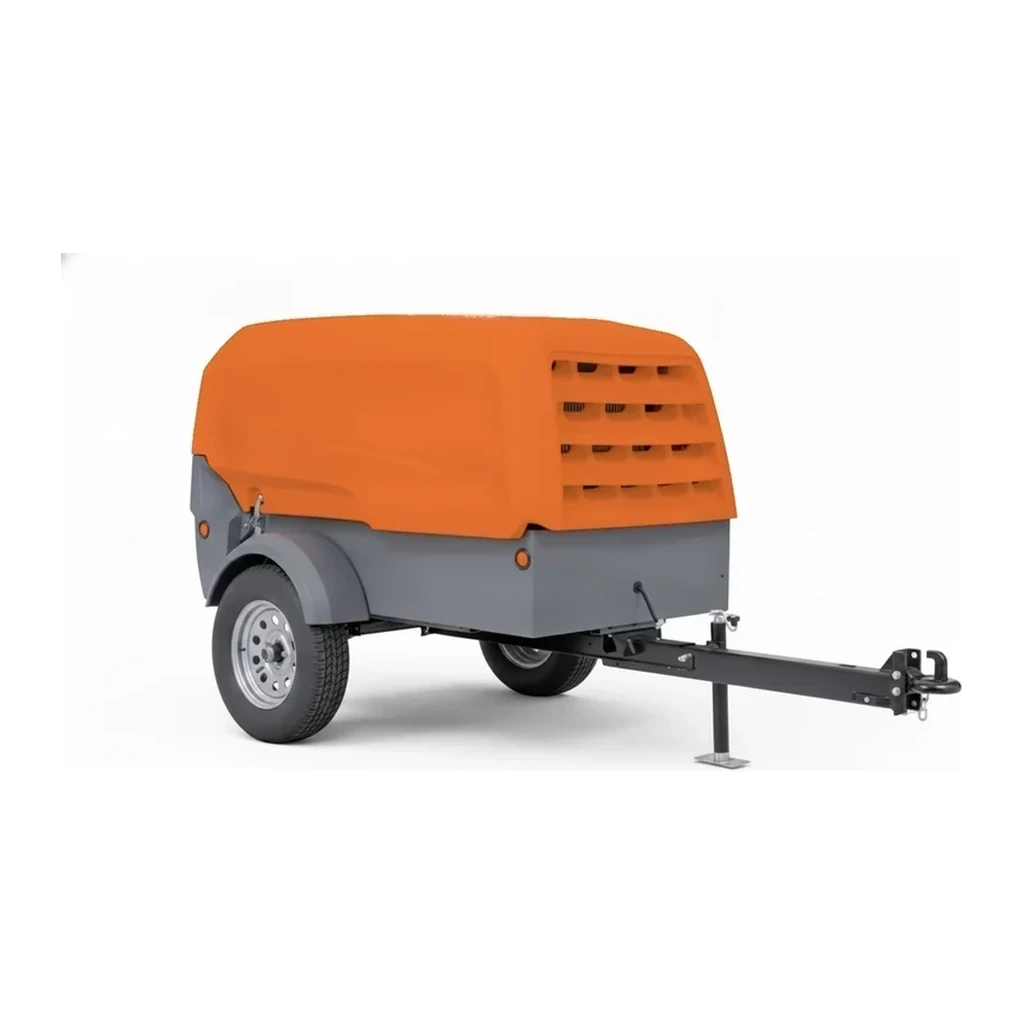
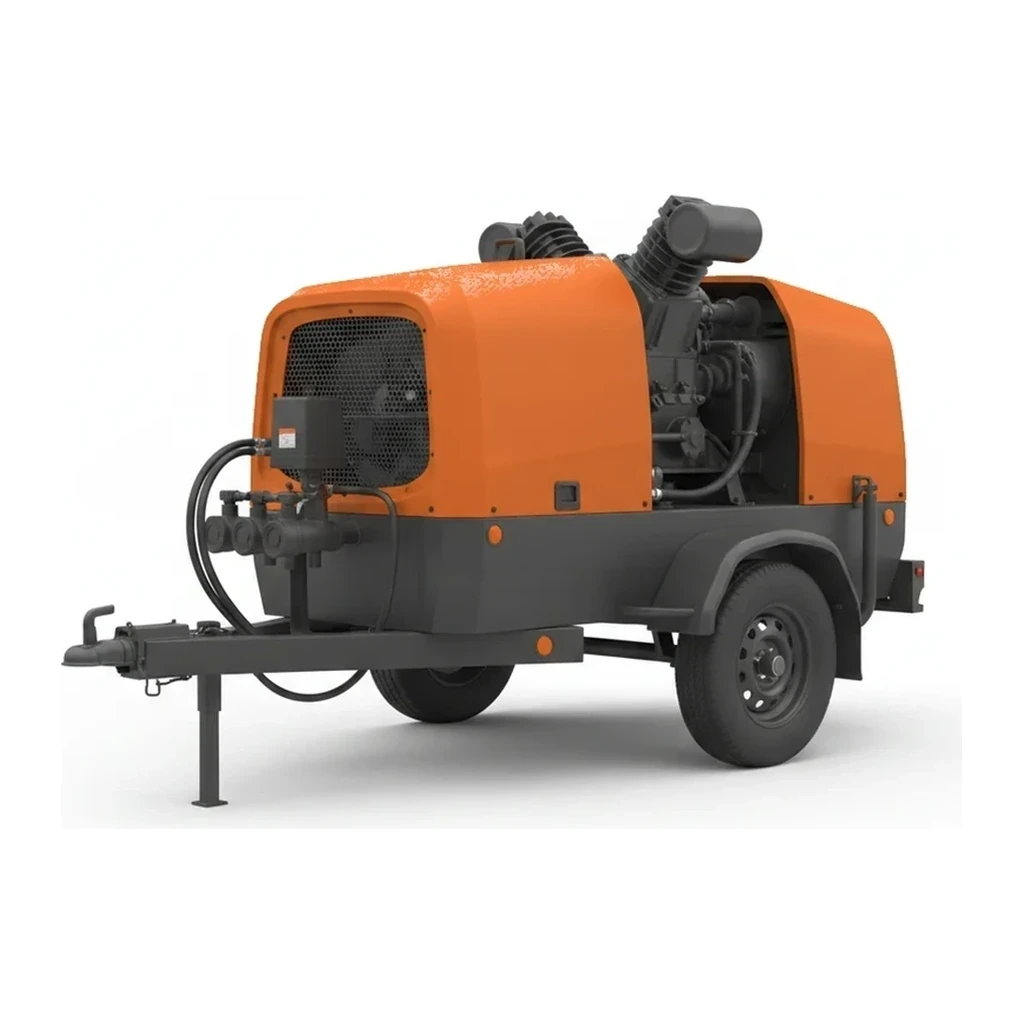
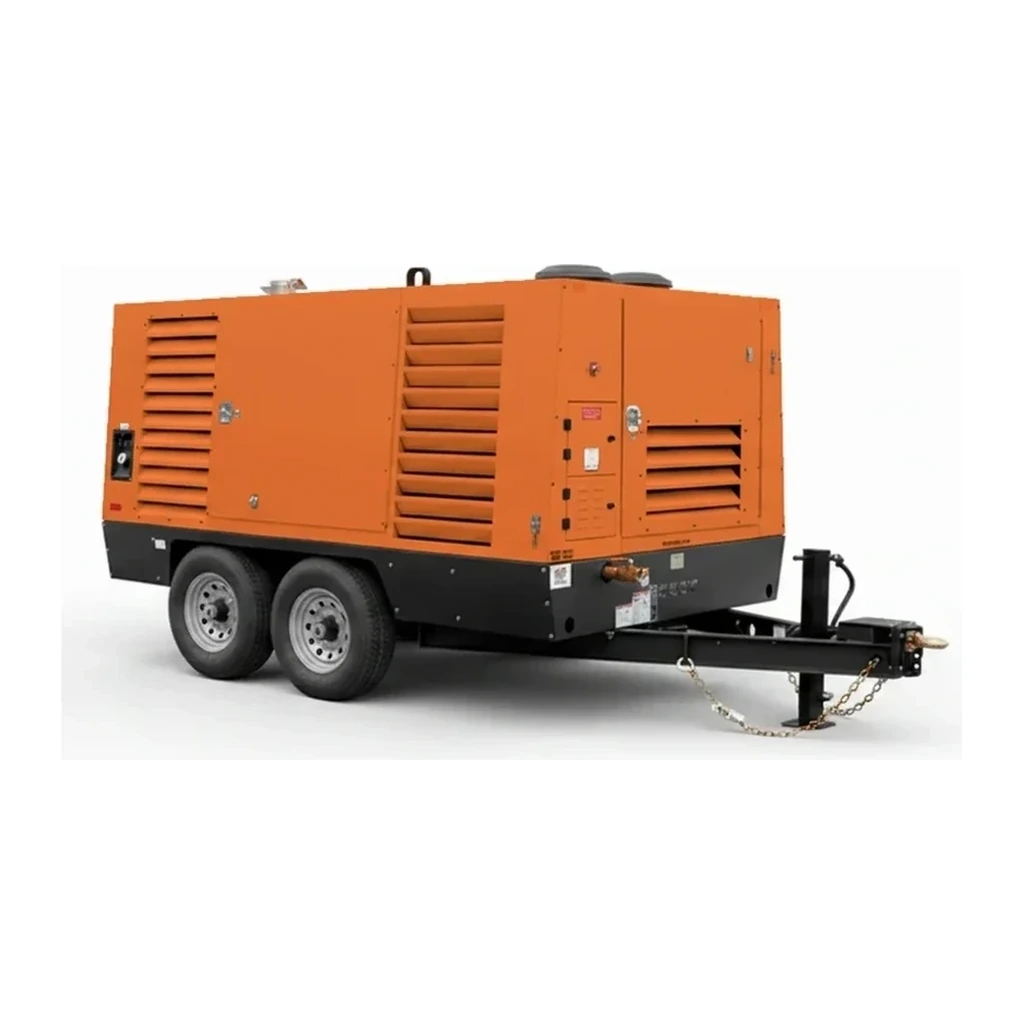
Spécifications clés
| Spécification | Plage typique | Signification |
|---|---|---|
| Free air delivery | 405-492 cfm | Volumetric output at atmospheric pressure; determines how many tools or processes the compressor can supply simultaneously. |
| Engine power | 93-127 hp | Diesel engine horsepower required to drive the compression cycle and maintain rated cfm under load. |
| Brand representation | Ingersoll Rand, Kaeser, Atlas Copco | Manufacturers offering models in this output class, reflecting industrial-grade construction and service networks. |
Comment choisir
This class is appropriate for sandblasting operations that require continuous air supply alongside multiple supporting tools, or for small crews operating several pneumatic tools simultaneously without interruption. When a single blast pot or two to three jackhammers represent the full load, the 260-400 cfm Towable Diesel Air Compressor provides adequate capacity with lower fuel consumption and transport weight. For larger abrasive blasting spreads, concrete demolition gangs, or high-demand production environments where downtime is costly, the 600-900 cfm Towable Diesel Air Compressor delivers greater headroom and redundancy.
Ce que cette taille peut gérer
- Sandblasting structural steel or storage tanks with one pot while running grinders and needle scalers
- Small pipeline crew operating multiple rock drills and tampers along a trench line
- Bridge maintenance work supporting abrasive blasting and pneumatic chipping hammers
- Industrial facility turnaround with concurrent surface prep and tool usage across nearby stations
- Concrete demolition crew running two breakers and a concrete vibrator continuously
- Quarry or rock excavation site powering pneumatic drills and dust suppression equipment
Sécurité et opération
- Air receiver and pressure relief valves must be inspected per ASME and local jurisdiction codes; pressure vessels require periodic certification in many areas
- Exhaust positioning and ventilation matter in confined or enclosed staging areas due to diesel emissions
- Condensate drains require regular purging to prevent moisture carryover into pneumatic tools and blast equipment
- Hearing protection mandatory within proximity of operating compressor; noise levels typically exceed 85 dBA at operator position
Transport et logistique
- Single-axle or tandem-axle trailer design with DOT-compliant lighting and braking; tow vehicle must meet GVWR and tongue weight specifications
- Pintle hitch or ball hitch coupling depending on manufacturer; typically requires 3/4-ton or larger truck for highway towing
- Compact footprint relative to output allows positioning in staging areas with standard access routes
Alimentation
- Self-contained diesel fuel system; tank capacity supports multi-hour or full-shift operation depending on load factor
- On-site refueling from bulk fuel tanks or service trucks; fuel consumption scales with air demand and engine load
- No external electrical connection required for compressor operation; auxiliary power outlets may be present on some models
Questions fréquentes
How many pneumatic tools can this class support at once?
What differentiates this class from the 600-900 cfm range?
Is this output class sufficient for SCBA breathing air systems?
Comparer les modèles populaires
Chercher par spécification →Normalisé aux mêmes unités. Un tiret signifie que la valeur n'a pas été publiée.
| Modèle | Débit d’air libre | Pression max | Puissance moteur |
|---|---|---|---|
| Atlas Copco E-Air T500 | 232 l | 150 psi | 121 hp |
| Ingersoll Rand P425WIR | 425 cfm | - | 125 hp |
| Ingersoll Rand HP450WIR | 450 cfm | - | 170 hp |
| Kaeser MOBILAIR M118 | 405 cfm | 205 psi | - |
Équipements connexes
Parcourir par fabricant
Sources
Chaque spécification est vérifiée par rapport aux données publiées par le fabricant, avec la source liée pour référence.
400-600 cfm Towable Diesel Air Compressor
4 modèles · Chaque spécification citée à la source