

40-52 in Double Drum Roller
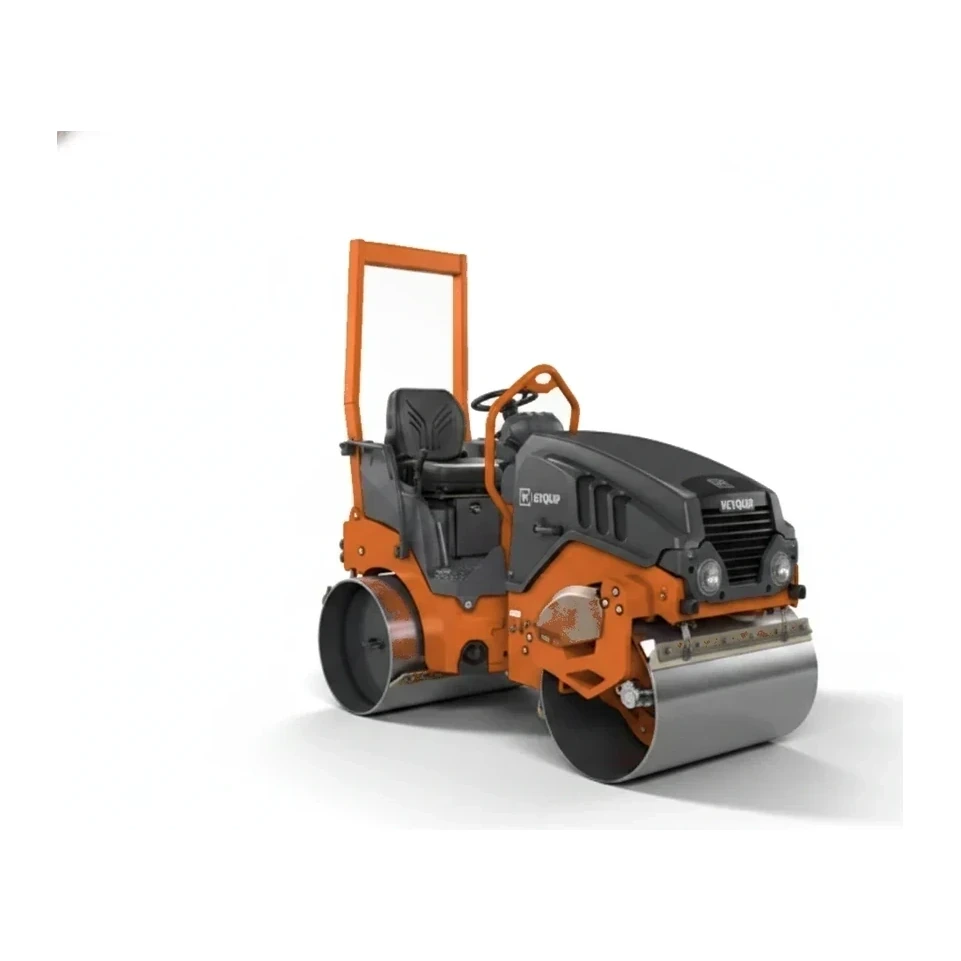
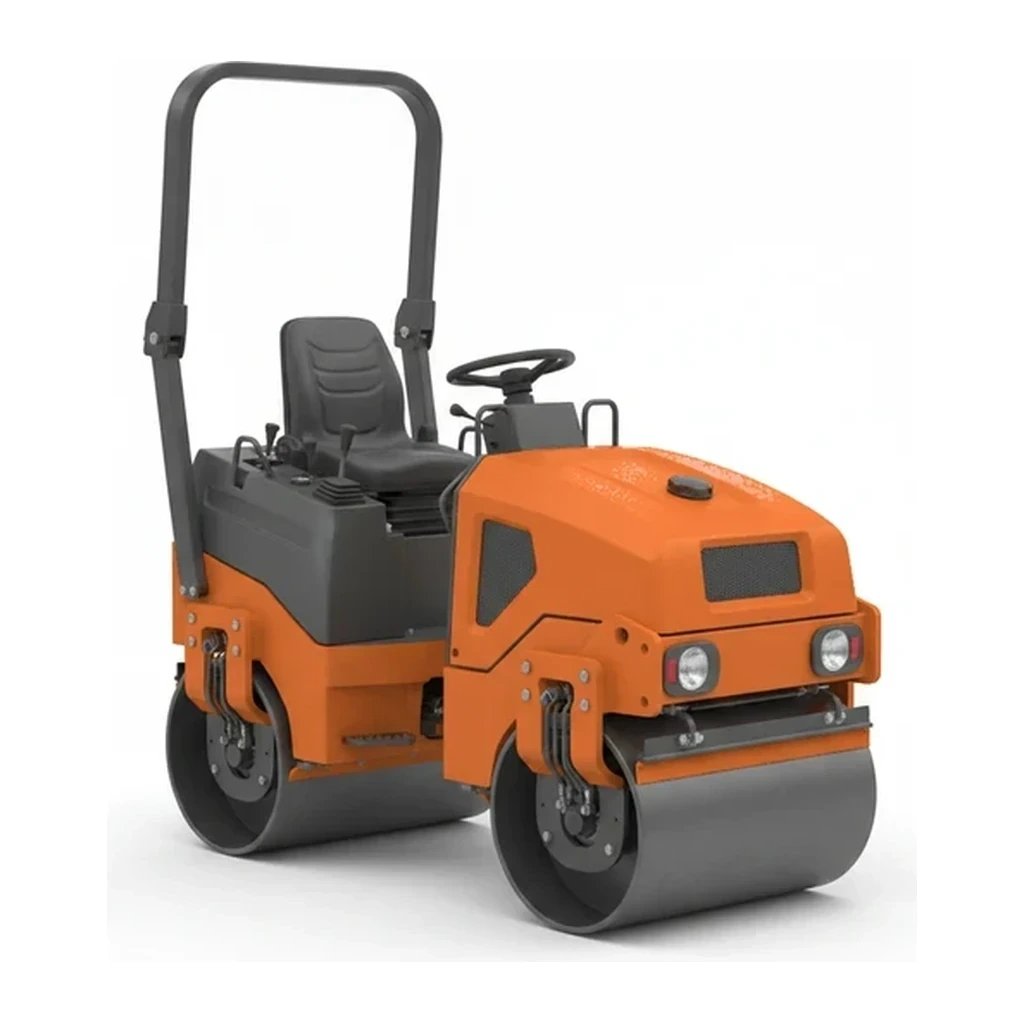
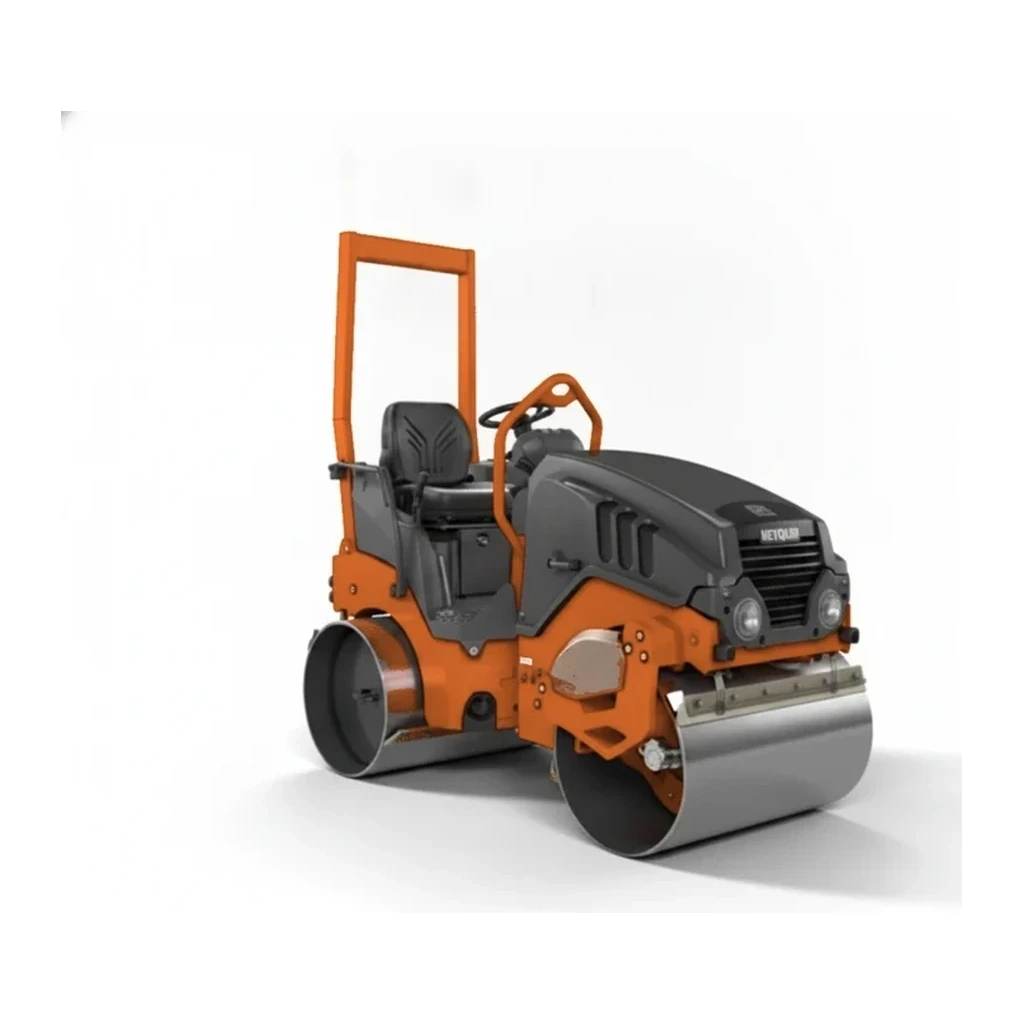
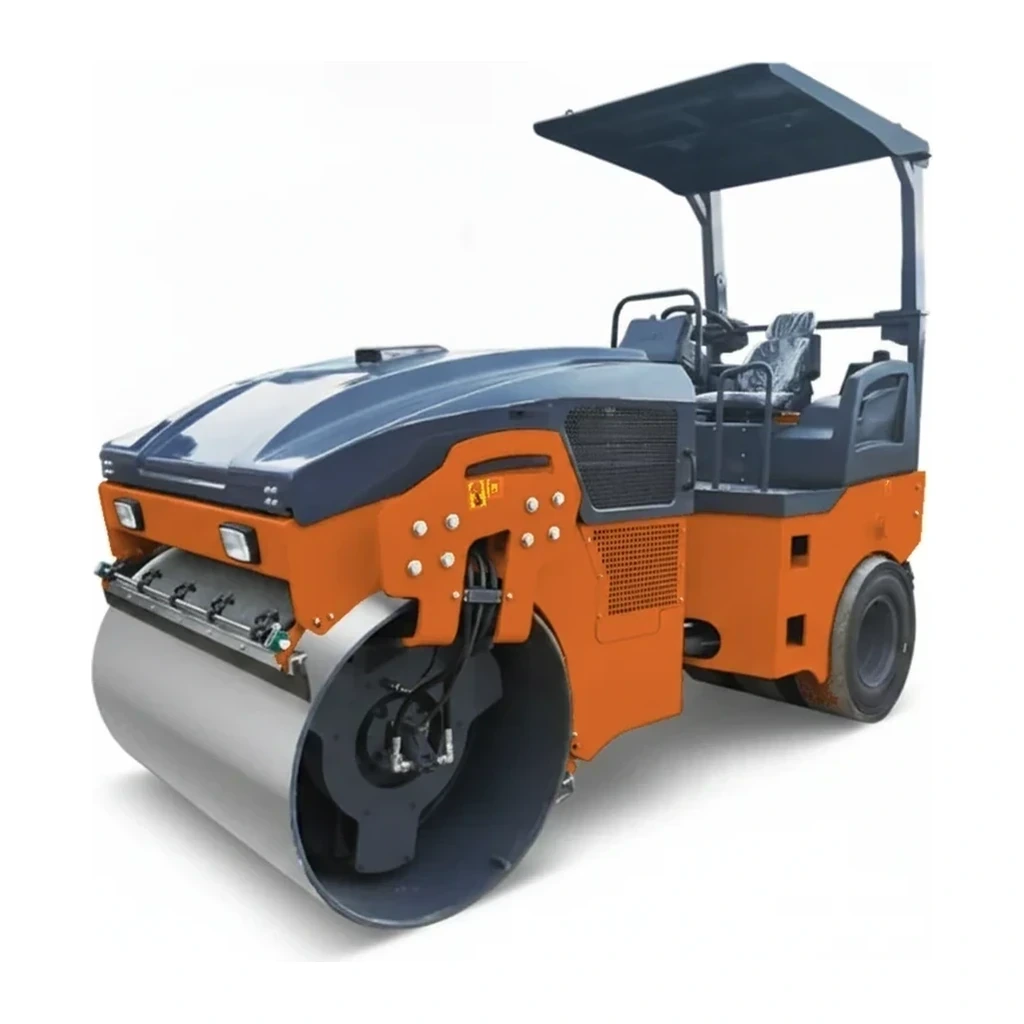
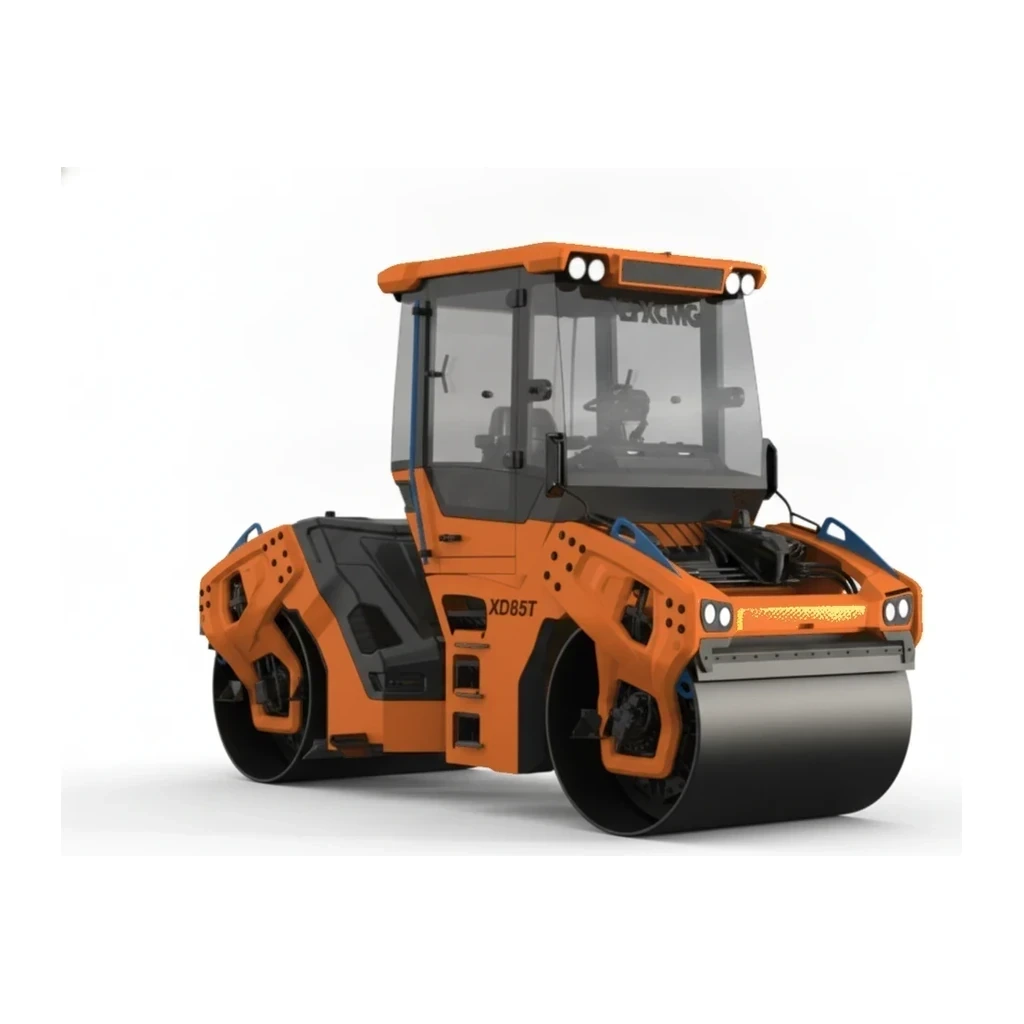
The 40-52 in double drum roller is the utility-crew tandem, built for parking lots, road patches, and shoulder work where narrow widths and tight maneuvering matter. With drum widths of 1,070-1,300 mm and operating weights from 2,300 to 37,100 kg, this class balances compaction force with access in confined paving zones. It sits between the Up to 40 in models used for trail and pathway work and the 52-66 in rollers deployed on wider municipal and highway projects.
Cat classes
Choisissez une classe de taille : la capacité et la portée varient selon la gamme.
Spécifications clés
| Spécification | Plage typique | Signification |
|---|---|---|
| Drum width | 1,070-1,300 mm (42-51 in) | The compaction footprint; defines lane coverage and determines access through gates and narrow site corridors. |
| Operating weight | 2,300-37,100 kg (5,070-81,800 lb) | Directly influences compaction depth and density; heavier models achieve greater lift thicknesses in asphalt and base. |
| Compaction force | 42.8-51.9 kN | The dynamic force applied through amplitude and frequency settings; higher values suit granular base and thick asphalt lifts. |
| Engine power | 18.5-340 hp | Drives hydraulics for drum vibration, propulsion, and water spray; larger engines support continuous operation on slopes. |
| Water tank capacity | 190-340 L | Prevents asphalt adhesion to drums; capacity determines refill intervals on remote sites. |
Comment choisir
This size class fits parking lot resurfacing, municipal street patches, and rural road shoulder repair where drum widths of 40-52 inches match lane sections and site access constraints. Projects requiring narrower drums for pathway work, courtyard paving, or pedestrian plaza compaction call for the Up to 40 in Double Drum Roller, which offers tighter turning radii and reduced footprint. When coverage demands exceed 52 inches, highway lane widening, arterial road construction, or large commercial parking fields, the 52-66 in Double Drum Roller delivers higher production rates and fewer passes per area.
Ce que cette taille peut gérer
- Asphalt overlay and patching on two-lane municipal streets and collector roads
- Parking lot mill-and-fill projects for retail centers and office parks
- Road shoulder reconstruction and edge repair along rural highways
- Base course compaction for residential subdivision streets and cul-de-sacs
- Bike path and multi-use trail paving in parks and greenway corridors
- Private road and driveway resurfacing on commercial and industrial campuses
Sécurité et opération
- Operators must maintain clear sightlines to drum edges and use spotters when compacting near curbs, utilities, or pedestrian zones
- Vibration amplitude and frequency settings require adjustment for base, binder, and surface lifts to prevent over-compaction or mat shoving
- Water spray systems demand daily inspection to prevent asphalt pickup and drum buildup that compromises surface finish
- Slopes and grades beyond manufacturer specifications increase rollover risk; consult operating manuals for maximum safe working angles
Transport et logistique
- Most models in the 2,300-5,000 kg range load onto tandem-axle tagalong trailers with 3,500-7,000 kg capacity and tow behind ¾-ton pickups
- Mid-weight units (5,000-15,000 kg) require gooseneck or tilt-deck trailers and one-ton dually trucks for legal road transport
- Heavier models approaching 37,100 kg move on tri-axle lowboy trailers or float equipment haulers, often requiring commercial DOT permits
Alimentation
- Diesel-fueled engines; fuel tank capacities of 35-650 L support four to ten hours of continuous operation depending on model and workload
- Onboard water tanks (190-340 L) require periodic refilling from water trucks, hydrants, or portable nurse tanks to maintain drum lubrication
- No external electrical or hydraulic connections; all power and auxiliary systems are self-contained within the machine
Questions fréquentes
What drum width within this class suits residential subdivision streets?
How does operating weight affect lift thickness in asphalt compaction?
What travel speed range do these rollers maintain during compaction?
Comparer les modèles populaires
Chercher par spécification →Normalisé aux mêmes unités. Un tiret signifie que la valeur n'a pas été publiée.
| Modèle | Poids en service | Puissance moteur |
|---|---|---|
| Bomag BW 100 SC-5 | 3,748 lb (1,700 kg) | 20 hp |
| Bomag BW 115 AC-5 | 5,732 lb (2,600 kg) | 25 hp |
| Bomag BW 120 AC-5 | 5,401 lb (2,450 kg) | 33 hp |
| Bomag BW 120 AD-5 | 5,952 lb (2,700 kg) | 31 hp |
| Bomag BW 120 SL-5 | 5,622 lb (2,550 kg) | 25 hp |
| Bomag BW 120 SLC-5 | 4,960 lb (2,250 kg) | 25 hp |
Équipements connexes
Parcourir par fabricant
Sources
Chaque spécification est vérifiée par rapport aux données publiées par le fabricant, avec la source liée pour référence.
40-52 in Double Drum Roller
21 modèles · Chaque spécification citée à la source