

Concrete Drilling and Wall Cutting
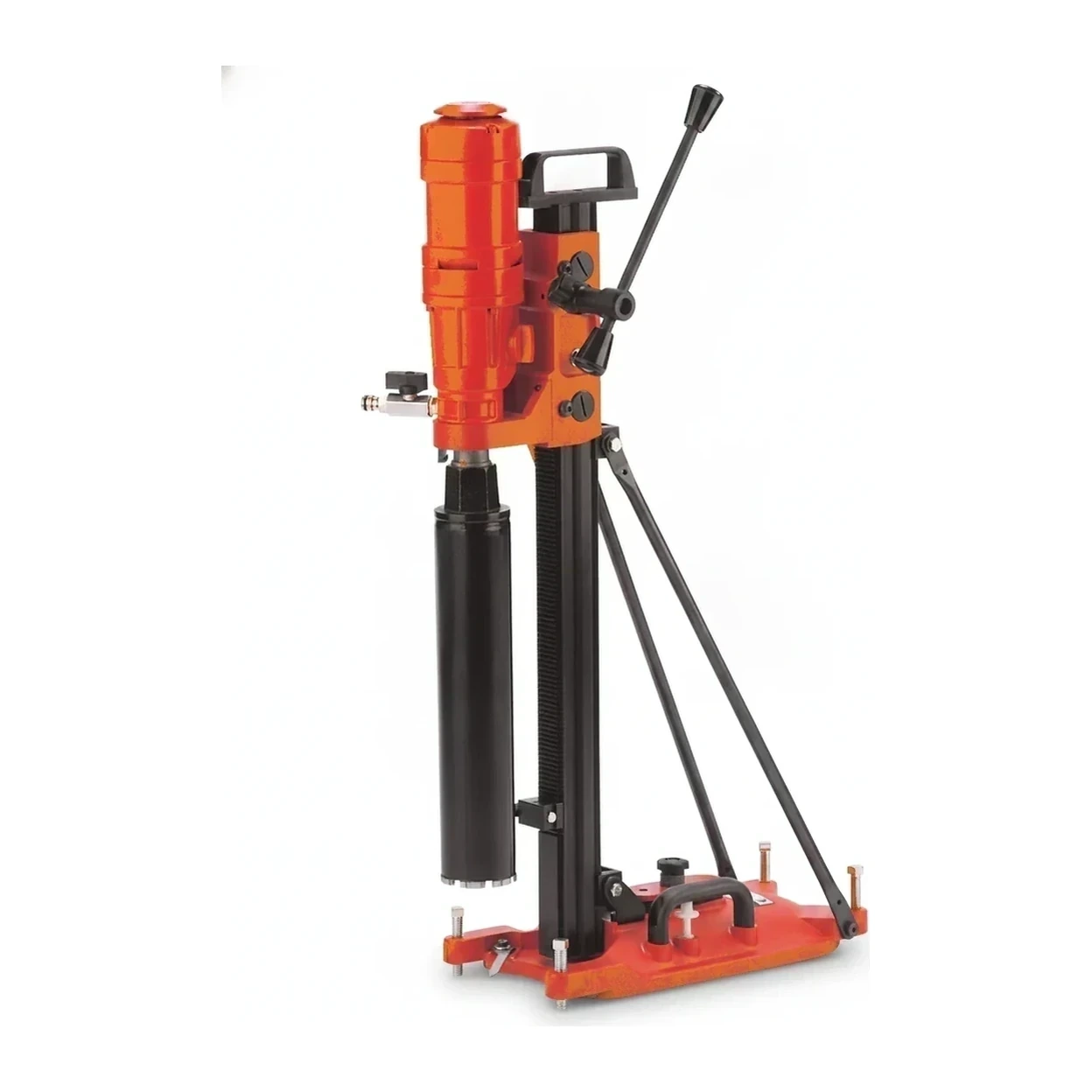
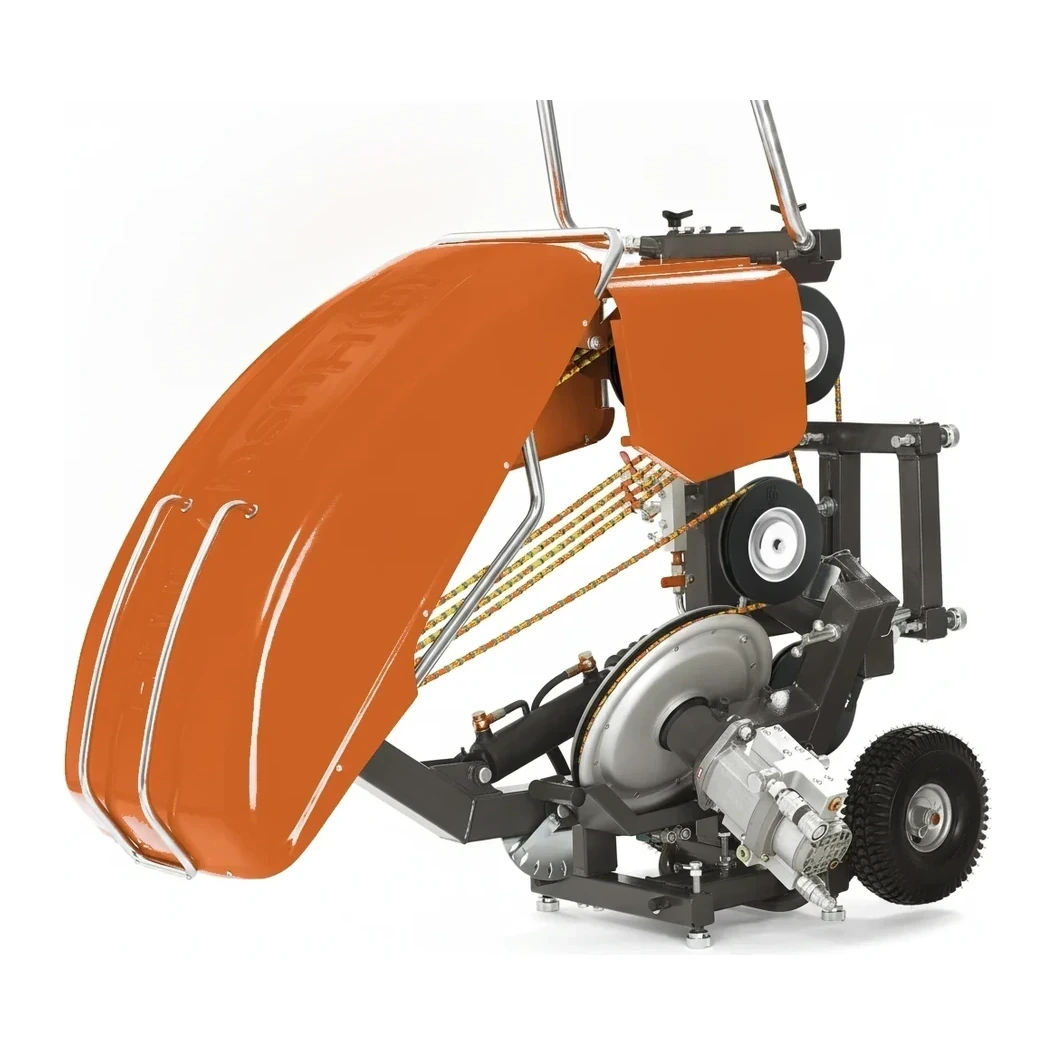
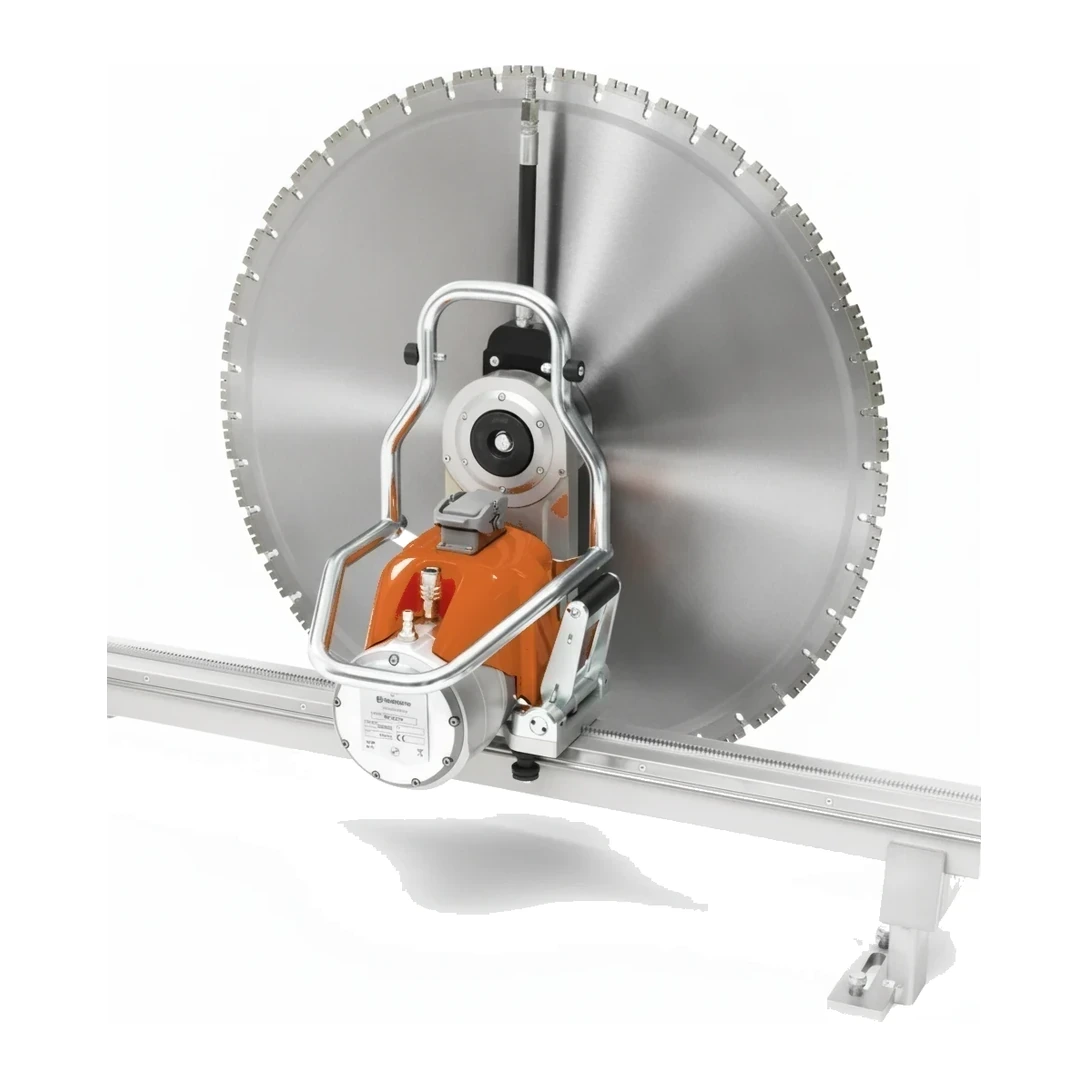
Drilling and cutting equipment makes precise penetrations in structural concrete. Core drills anchor the family, joined by track-mounted wall saws, diamond wire saws, and crack chasers for repair work.
Fonctionnement
All of it cuts with diamonds. A core drill rotates a hollow diamond-rimmed barrel, extracting an intact cylinder; a wall saw runs a large blade along a bolted track for straight, plumb cuts; a wire saw loops a diamond-beaded cable around the section and draws it through under tension. Water cooling manages heat and dust throughout.
Types et variantes
- Core Drills
- Rigs and motors that bore precise round holes in concrete for penetrations and testing.
- Wall Saws
- Track-mounted saws that make deep, straight cuts in vertical concrete surfaces.
- Wire Saws
- Diamond-wire systems that cut heavily reinforced or oversized concrete sections.
- Crack Chasers
- Small saws that rout out cracks in concrete to prepare them for sealing.
- Masonry Accessories
- Blades, bits, and support items used with masonry cutting and drilling equipment.
Comment choisir
Opening geometry decides the method: round penetrations up to common pipe sizes go to core drilling; straight structural cuts in walls to a track saw; and oversized, thick, or awkward sections to wire sawing, which has no depth limit. Crack chasers are repair tools for preparing cracks to accept sealant.
Normes et certifications
- OSHA · 29 CFR 1926.1153
- Respirable crystalline silica rule; requires dust controls when cutting, grinding, or drilling concrete and masonry.
- OSHA · 29 CFR 1926 Subpart Q
- Concrete and masonry construction requirements, including formwork and shoring.