

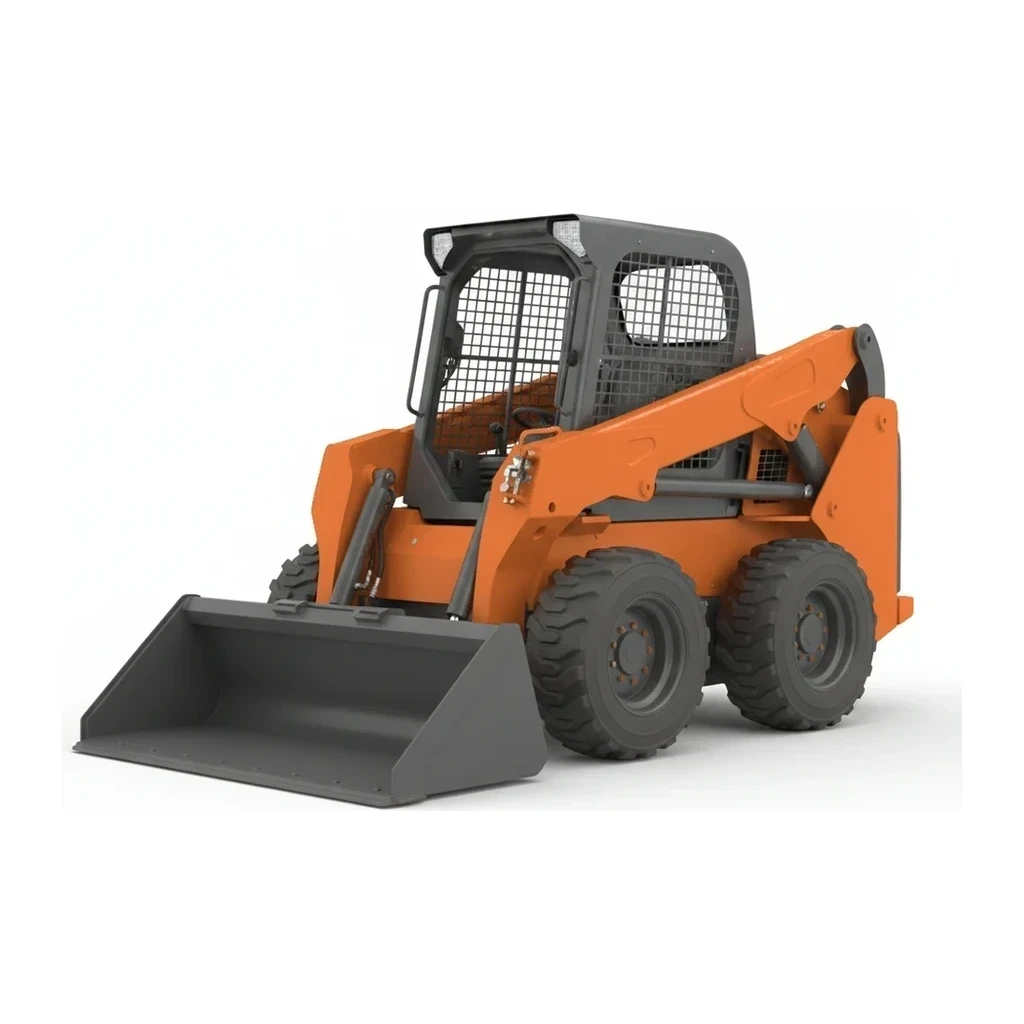
3,000+ lb Skid Steer Loader
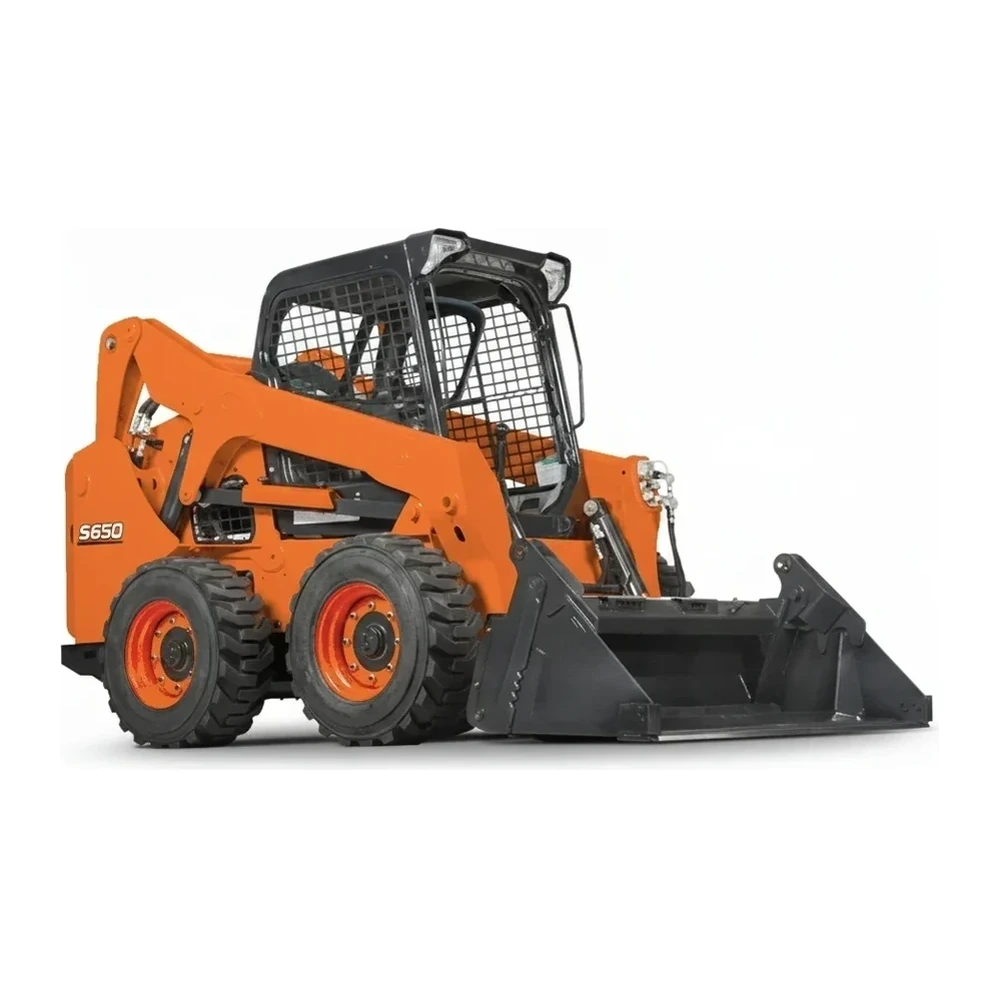
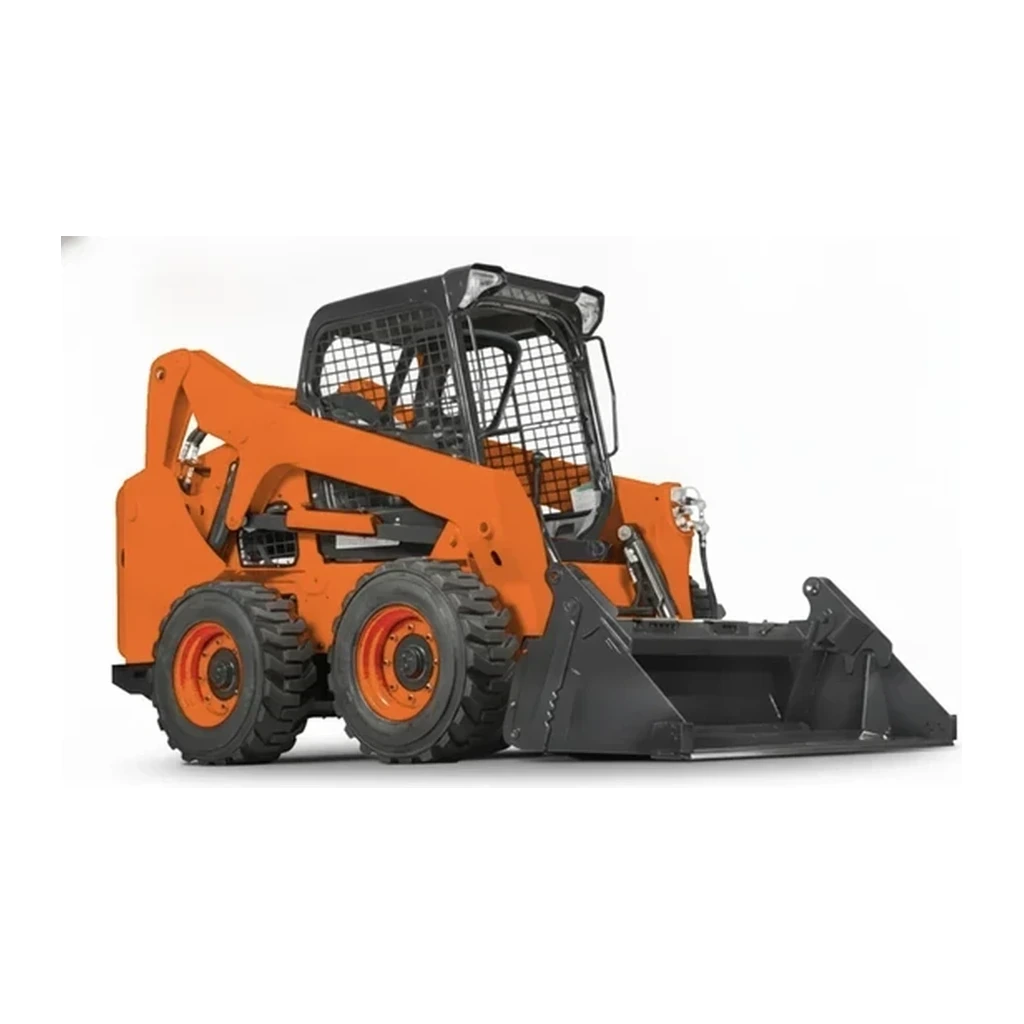
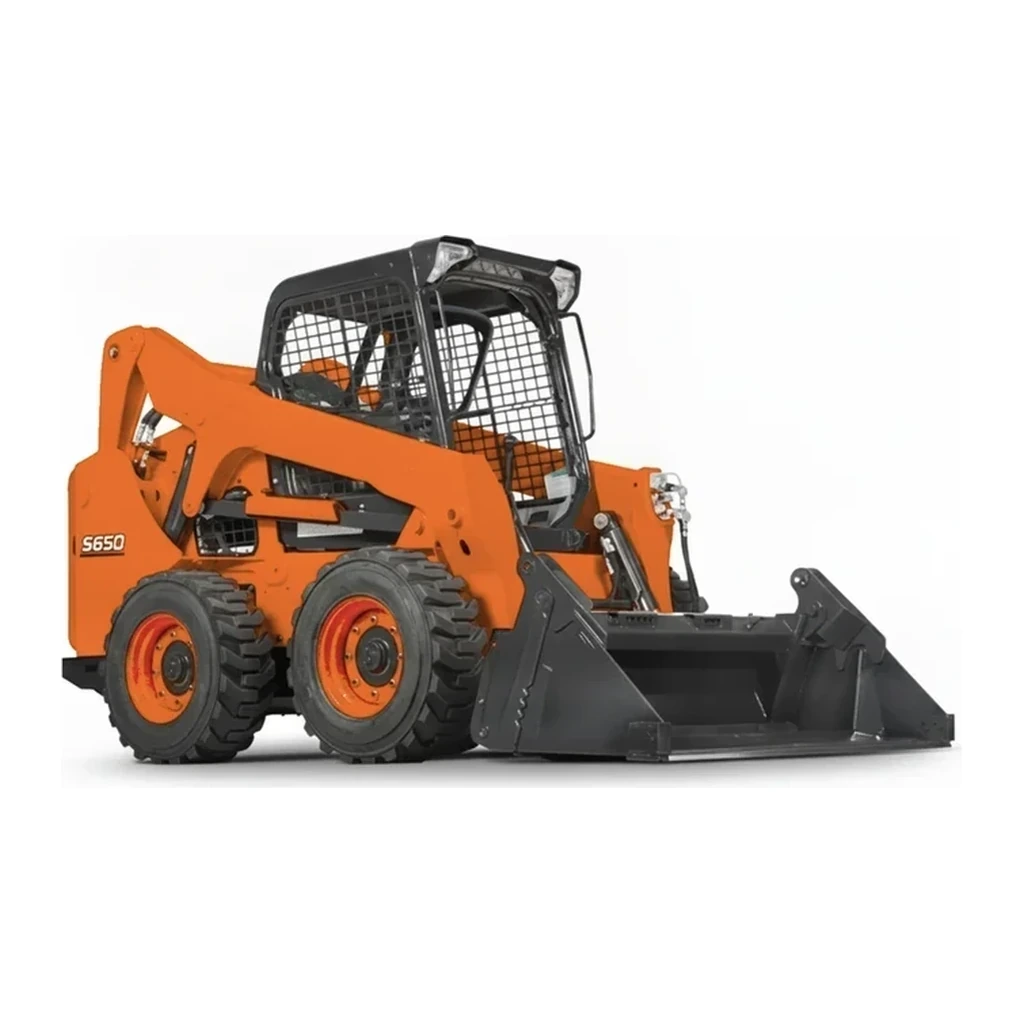
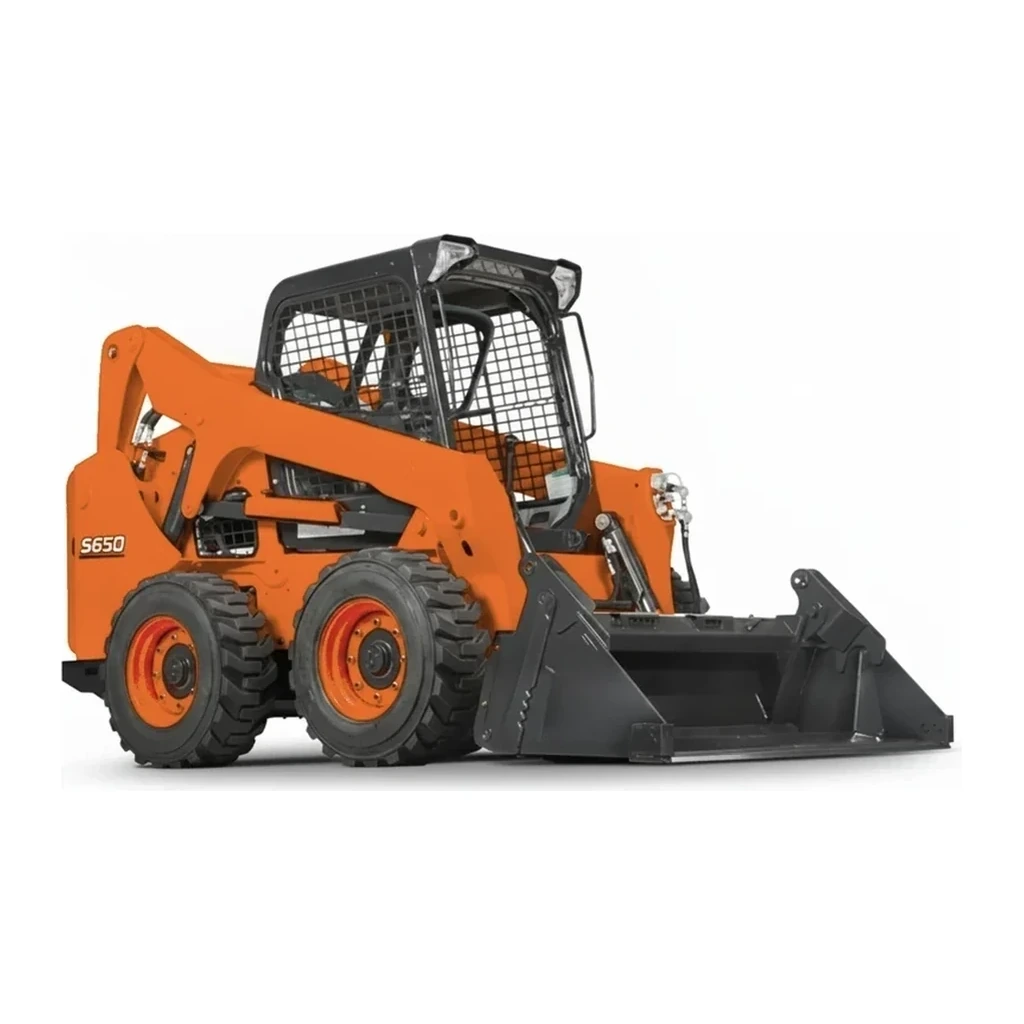
The 3,000+ lb skid steer loader represents the top tier of skid steer capacity, built for production loading and the heaviest attachments available. With lift capacities reaching 3,100 lb and operating weights from 4,136 to 8,794 kg, these machines deliver maximum hydraulic power and frame strength. This size class sits at the peak of the four-rung skid steer ladder, offering capabilities beyond the 2,200-3,000 lb class.
Cat classes
Choisissez une classe de taille : la capacité et la portée varient selon la gamme.
Spécifications clés
| Spécification | Plage typique | Signification |
|---|---|---|
| Lift capacity | 1,545–3,100 lb (701–1,406 kg) | Rated capacity at 50% tipping load; top-tier models exceed 3,000 lb for heavy material handling and large-capacity attachments |
| Operating weight | 9,100-19,400 lb (4,136-8,794 kg) | Heaviest skid steer frames provide stability for high-capacity buckets and production work cycles |
| Engine power | 55-74.5 hp | Maximum horsepower in the skid steer segment supports hydraulic flow for high-demand attachments |
| Tipping load | 2,889–6,200 lb (1,310–2,812 kg) | Static tipping capacity at full lift height; rated operating capacity is 50% of this figure |
| Fuel tank capacity | 23.9-103.3 gal | Large-capacity tanks support extended production shifts without refueling |
Comment choisir
The 3,000+ lb skid steer loader is specified when lift capacity above 2,200 lb is required for production-volume material handling, large demolition attachments, or continuous heavy-duty cycles. This size handles grapples, cold planers, high-flow forestry mulchers, and other attachments that exceed the hydraulic and structural limits of smaller frames. For general excavation, grading, and landscape work where lift demands stay below 2,200 lb, the 2,200-3,000 lb skid steer loader offers adequate capacity with lower operating weight and better maneuverability in confined spaces. Choose this top tier when attachment specifications or daily tonnage volumes justify the additional machine weight and footprint.
Ce que cette taille peut gérer
- High-volume loading of aggregate, soil, or demolition debris into tandem-axle trucks
- Operating cold planers, large-drum forestry mulchers, and high-flow hydraulic attachments
- Demolition work with heavy-duty grapples, concrete processors, or breaker attachments
- Feeding screeners, crushers, or batch plants in aggregate production
- Placing large quantities of base material, rip-rap, or heavy landscaping stone
- Production grading and site preparation on large commercial or industrial projects
Sécurité et opération
- Rollover protective structure (ROPS) and falling object protective structure (FOPS) certified cab or canopy required for operator protection
- Seat bar or restraint system must remain closed during operation; operator must remain seated to prevent ejection during tip or rollover events
- High operating weight and lift capacity increase tip risk when traveling with elevated loads or operating on slopes; consult manufacturer load charts and grade limits
- Attachment changes require positive hydraulic lockout and support stands; heavy attachments in this class demand mechanical lifting assistance or two-person procedure
Transport et logistique
- Requires tandem-axle equipment trailer rated 14,000-22,000 lb GVWR; top models exceed legal limits for single-axle trailers
- Loading via walk-on ramps or tilt-deck trailers; ensure deck rating accommodates upper-weight models approaching 10 tons
- Towing vehicle must meet trailer GCWR; many configurations require commercial-grade truck or tractor for legal highway transport
Alimentation
- Diesel fuel; tank capacities range from 23.9 to 103.3 gallons supporting full-shift or multi-shift operation depending on model and load cycles
- High-flow hydraulic systems on many models support attachments requiring 30+ GPM auxiliary flow
- DEF (diesel exhaust fluid) required on Tier 4 Final emissions-compliant engines; consumption proportional to fuel burn
Questions fréquentes
What distinguishes the 3,000+ lb class from smaller skid steers?
What trailer rating is required for transport?
When does a track loader become a better choice than a 3,000+ lb skid steer?
Comparer les modèles populaires
Chercher par spécification →Normalisé aux mêmes unités. Un tiret signifie que la valeur n'a pas été publiée.
| Modèle | Poids en service | Profondeur d’excavation max | Portée max | Puissance moteur |
|---|---|---|---|---|
| Bobcat S740 | 8,794 lb (3,989 kg) | - | - | 74 hp |
| Bobcat B700 | 14,551 lb (6,600 kg) | - | - | 100 hp |
| JCB 300 | 9,288 lb (4,213 kg) | - | - | 74 hp |
| Case SV340B | 9,118 lb (4,136 kg) | - | - | 90 hp |
Équipements connexes
Parcourir par fabricant
Sources
Chaque spécification est vérifiée par rapport aux données publiées par le fabricant, avec la source liée pour référence.
3,000+ lb Skid Steer Loader
4 modèles · Chaque spécification citée à la source