
Dozer
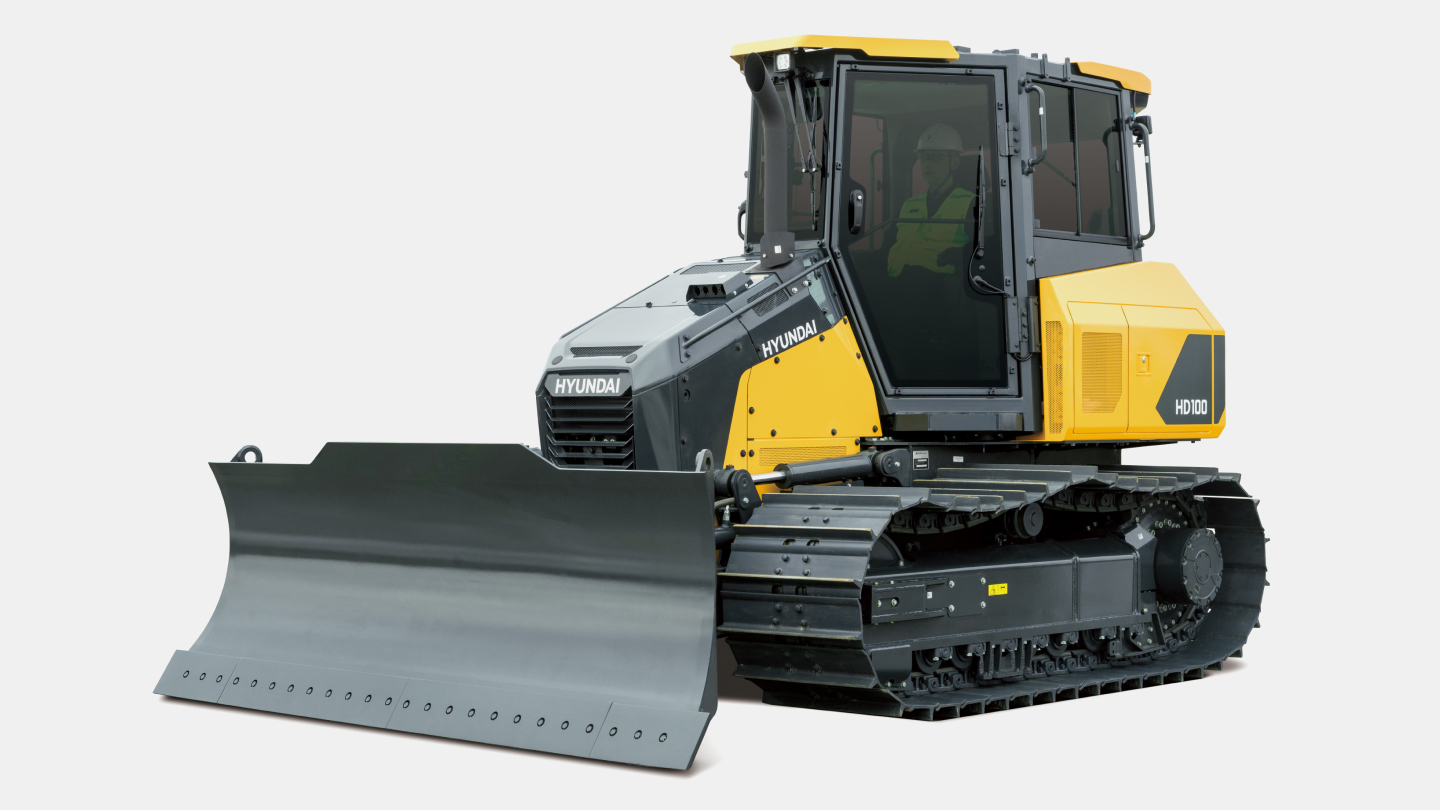
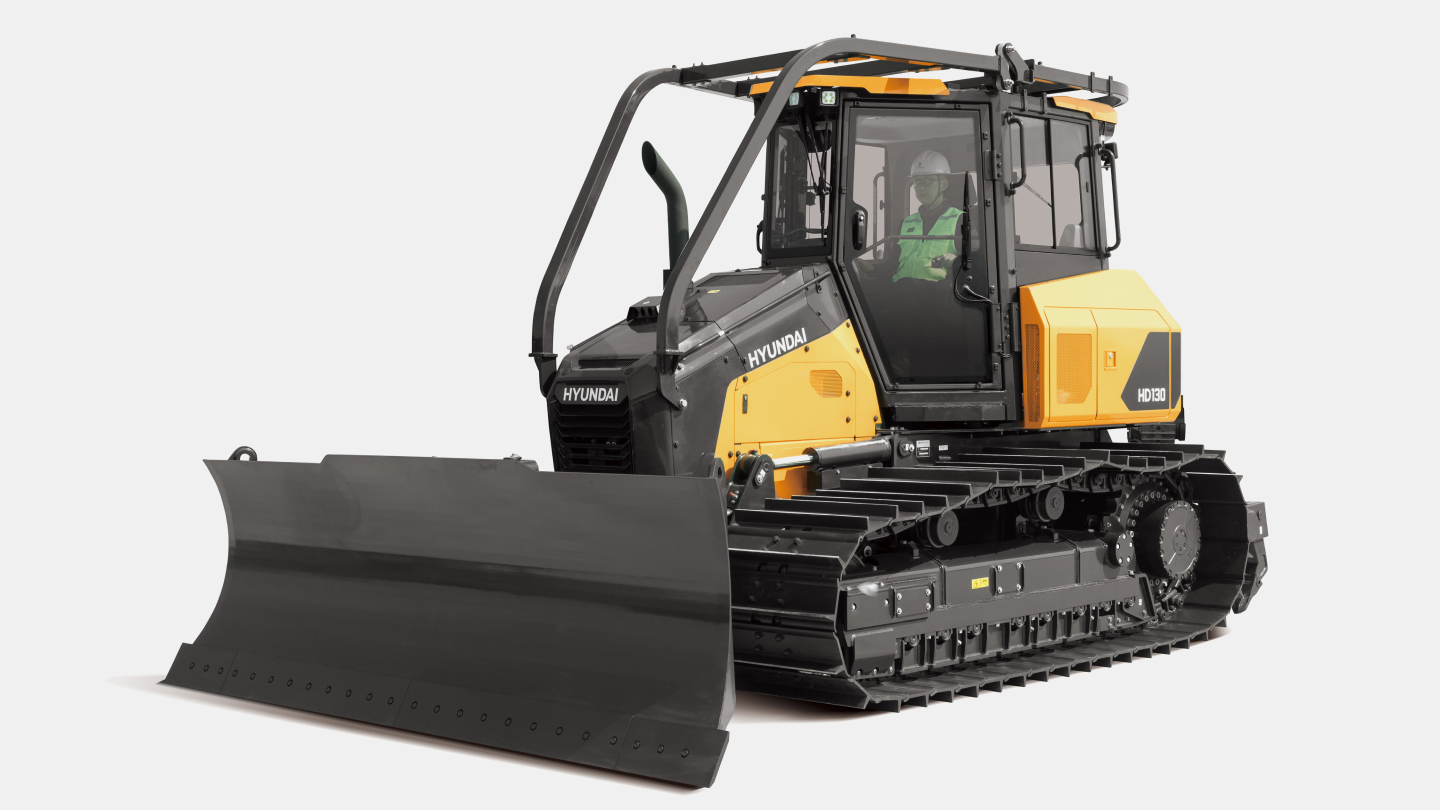
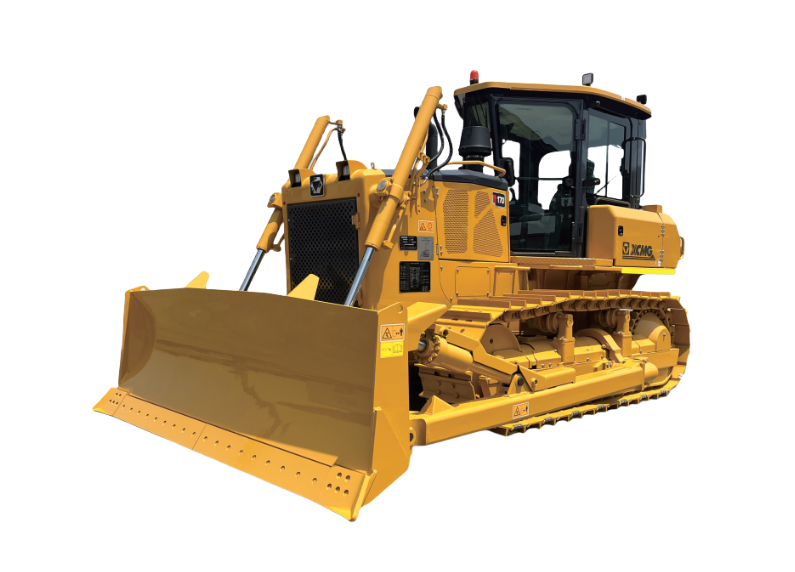
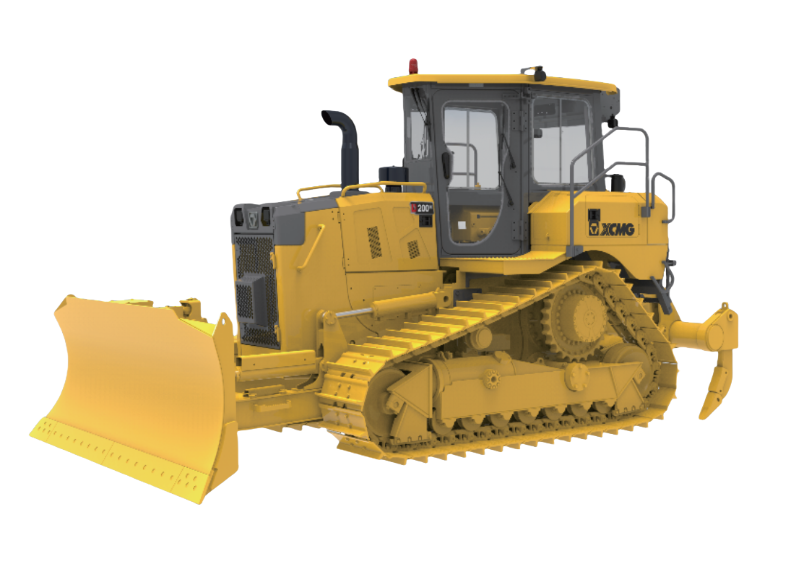
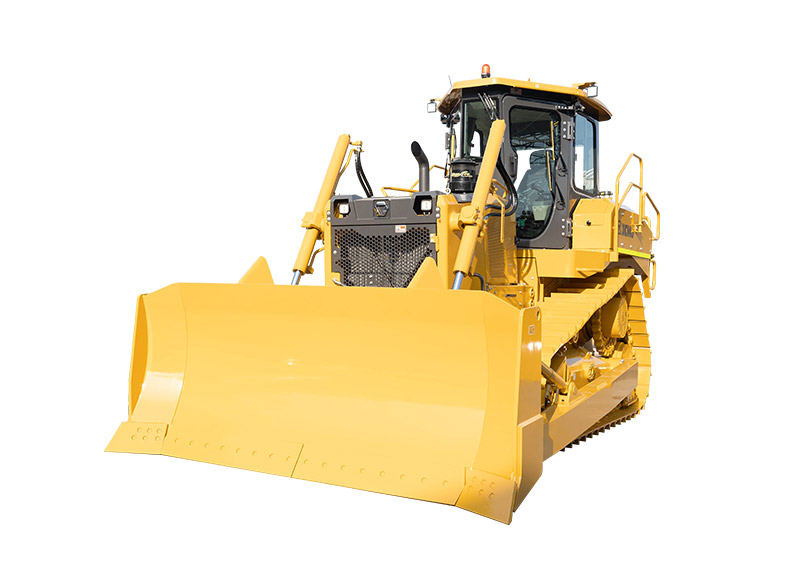
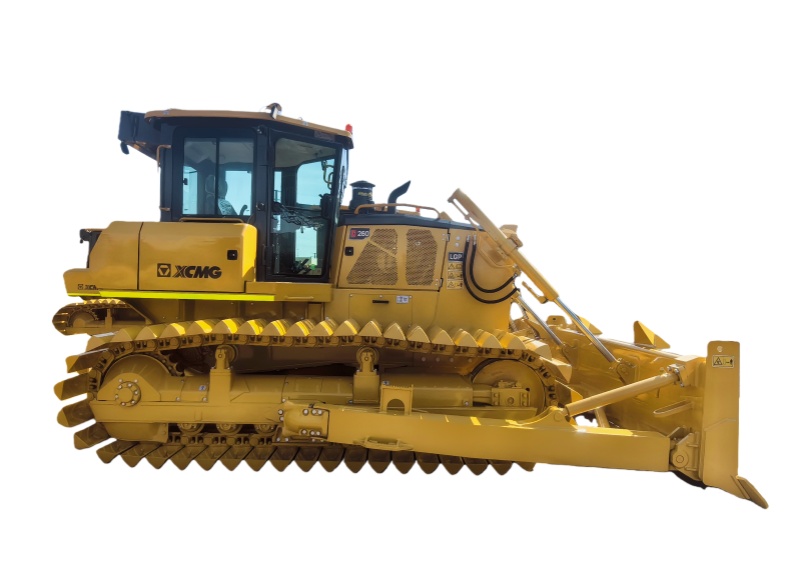
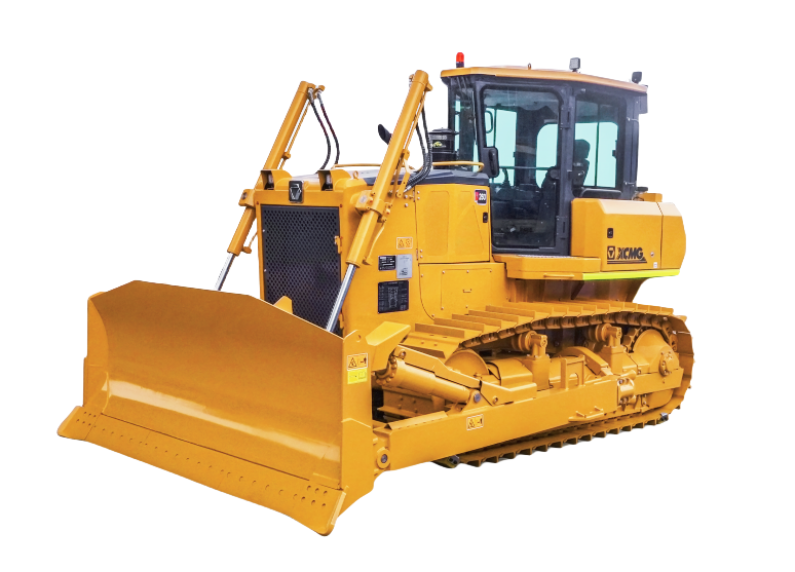
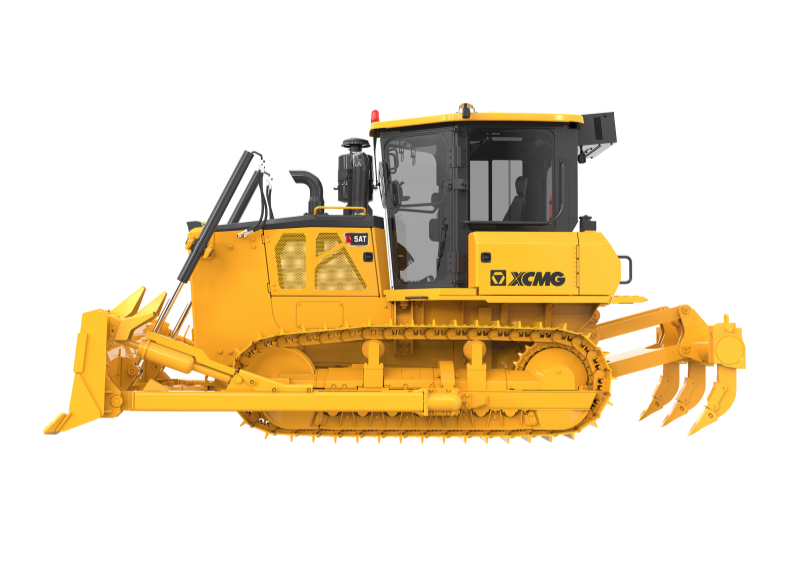
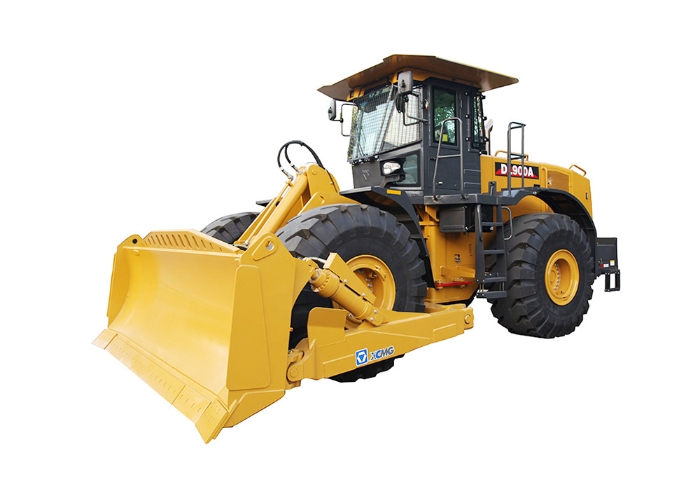
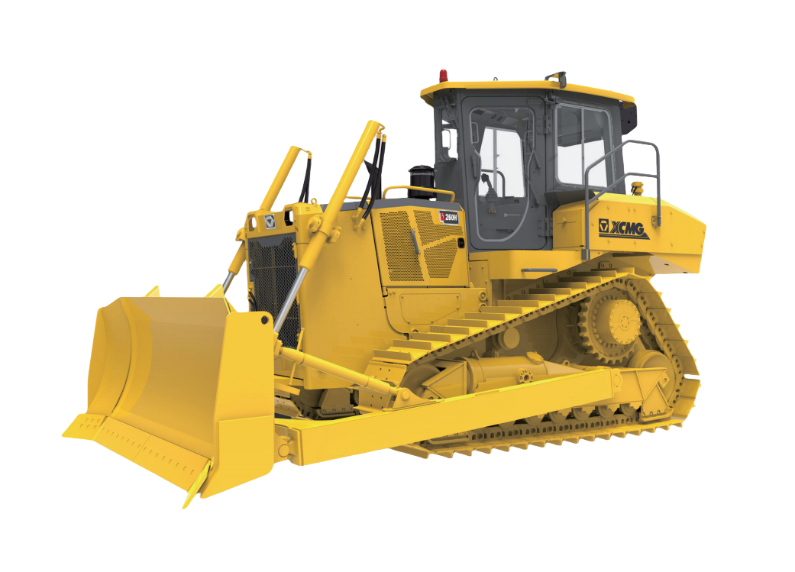
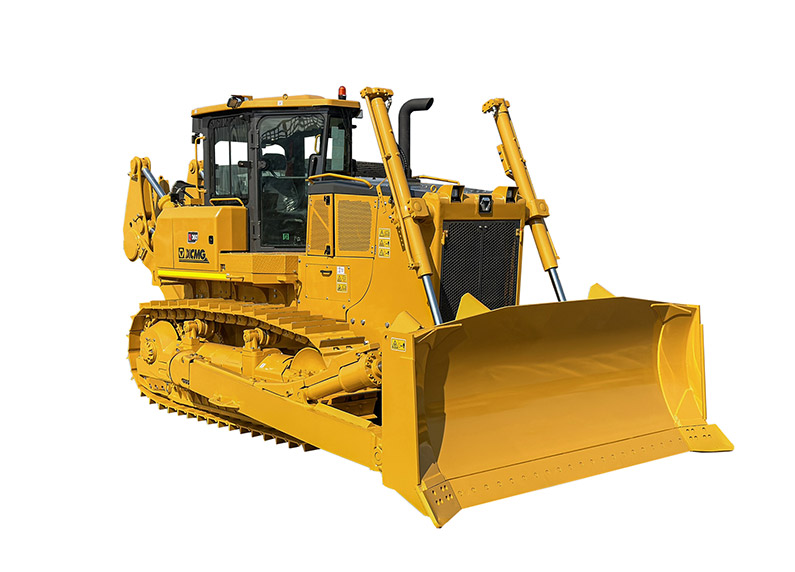
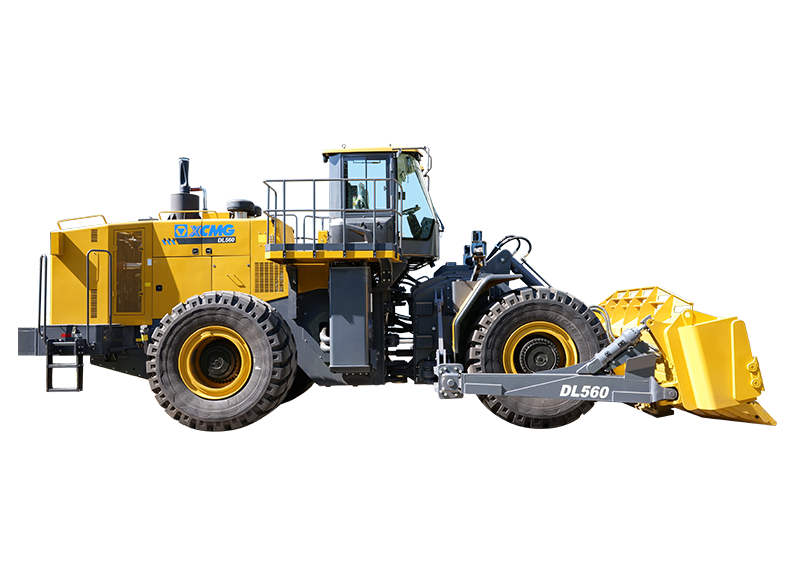
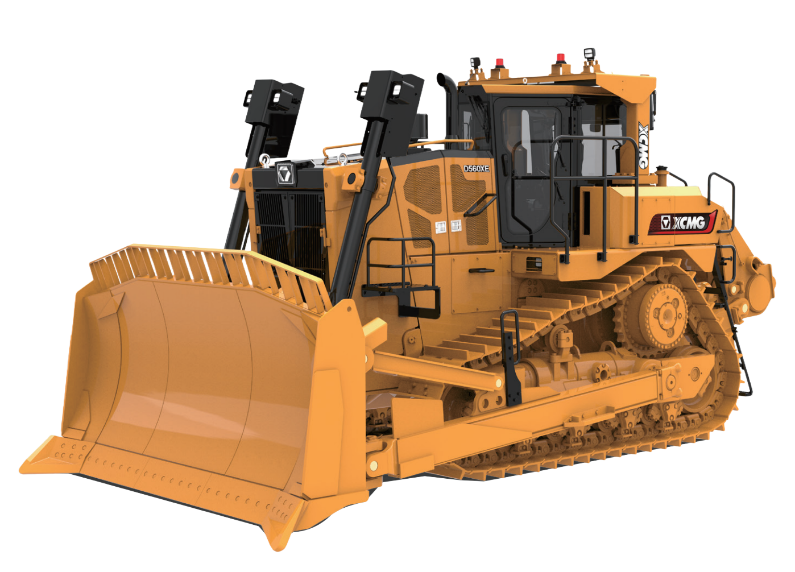
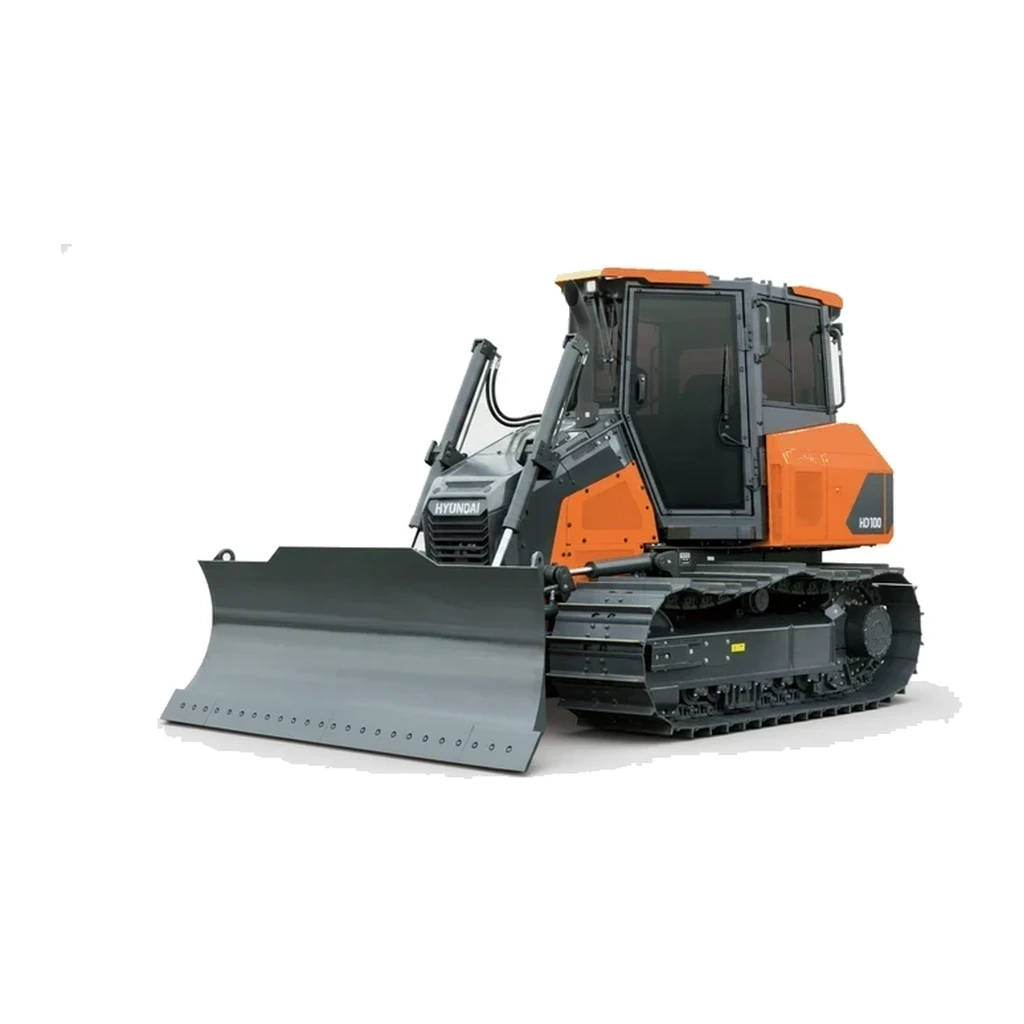
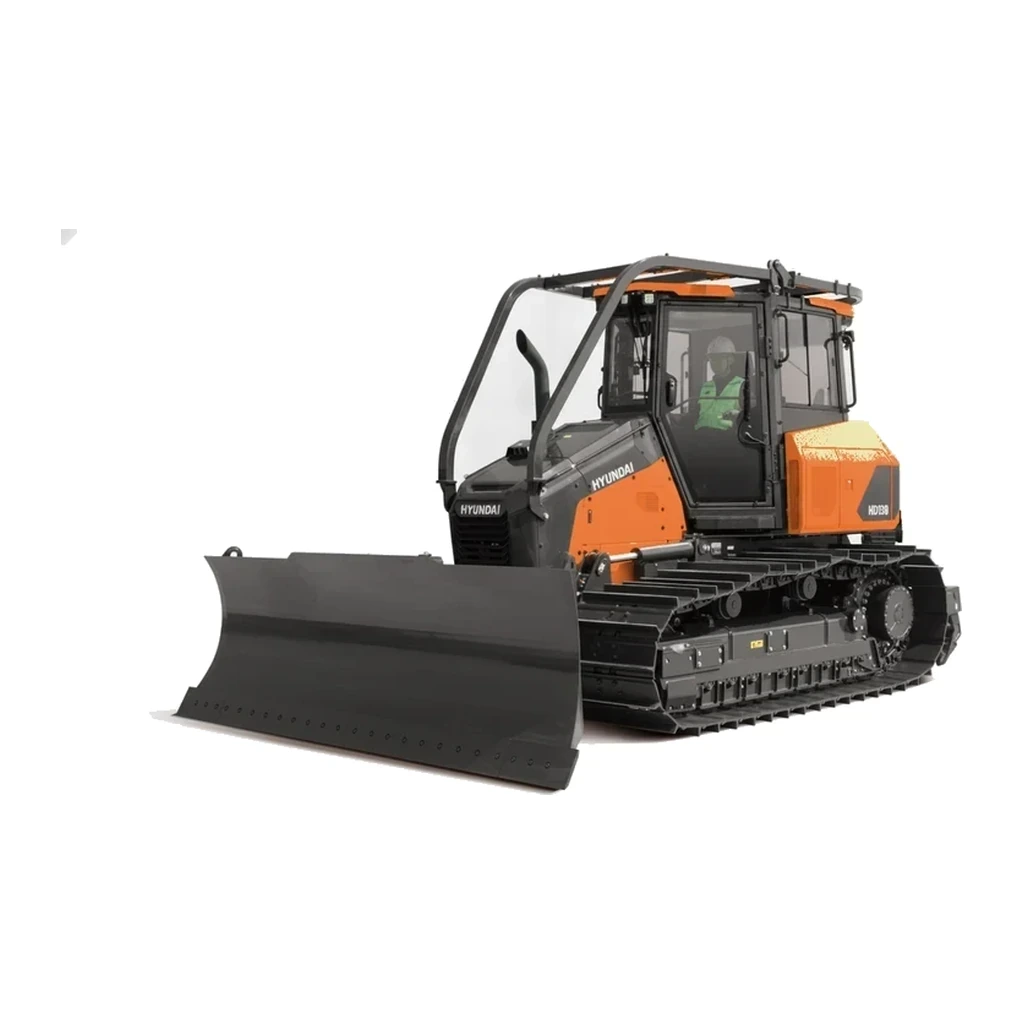
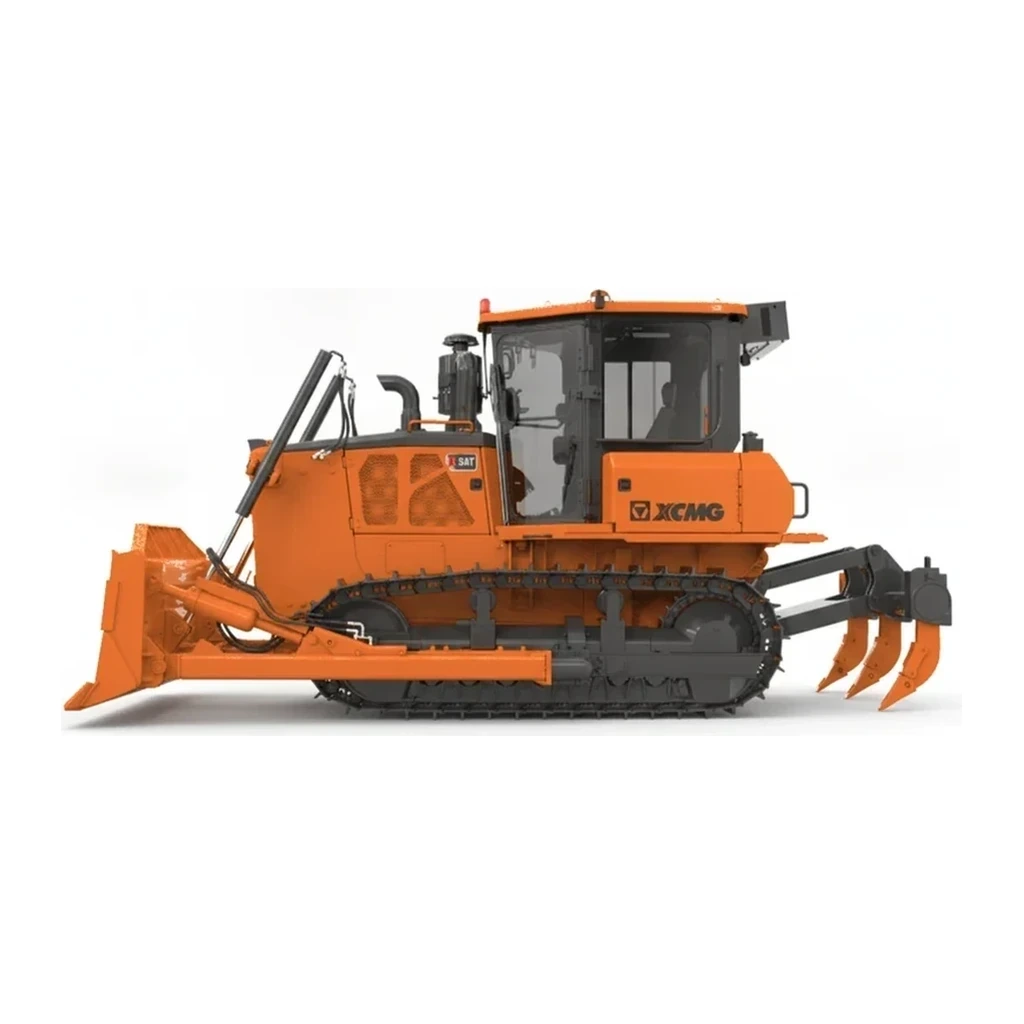
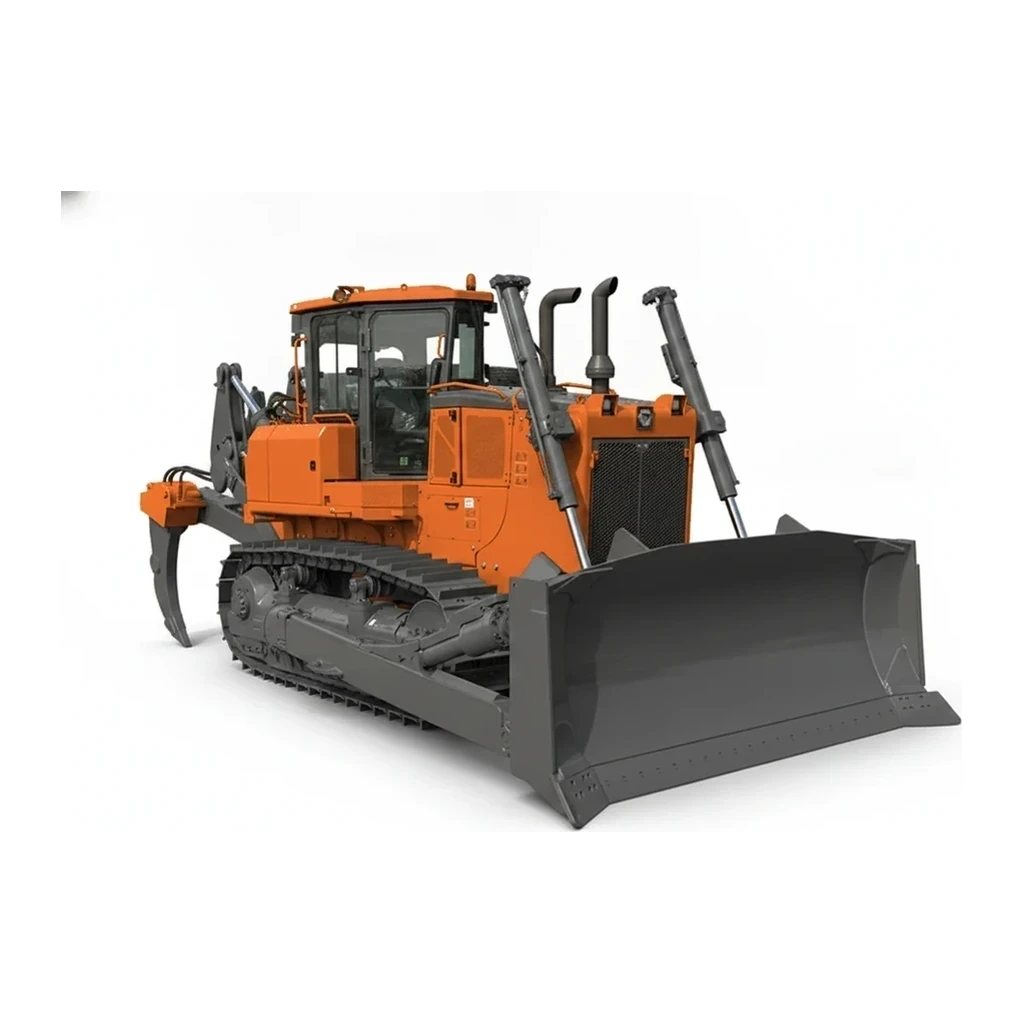
A dozer (bulldozer, crawler dozer) is a tracked machine that pushes material with a wide front-mounted blade. It is the industry's primary tool for bulk pushing, stripping, rough and finish grading, and land clearing, with a class range that runs from small utility machines to mining-scale tractors.
Cat classes
Choisissez une classe de taille — la capacité et la portée varient selon la gamme.
Fonctionnement
A diesel engine drives the tracks through a hydrostatic transmission on smaller machines or a torque-divider powershift on larger ones, putting engine power into drawbar pull through a long track-on-grade footprint. The blade is raised, lowered, angled and tilted by hydraulic cylinders; material is cut on the forward pass, rolled in front of the blade, and drifted to the fill. Grade control has become integral to the class: GPS/GNSS or laser systems drive the blade automatically to design surface, enabling finish grade directly. Rear-mounted rippers on larger machines fracture rock and hardpan so it can be dozed rather than blasted or hammered.
Types et variantes
- Small / utility dozers
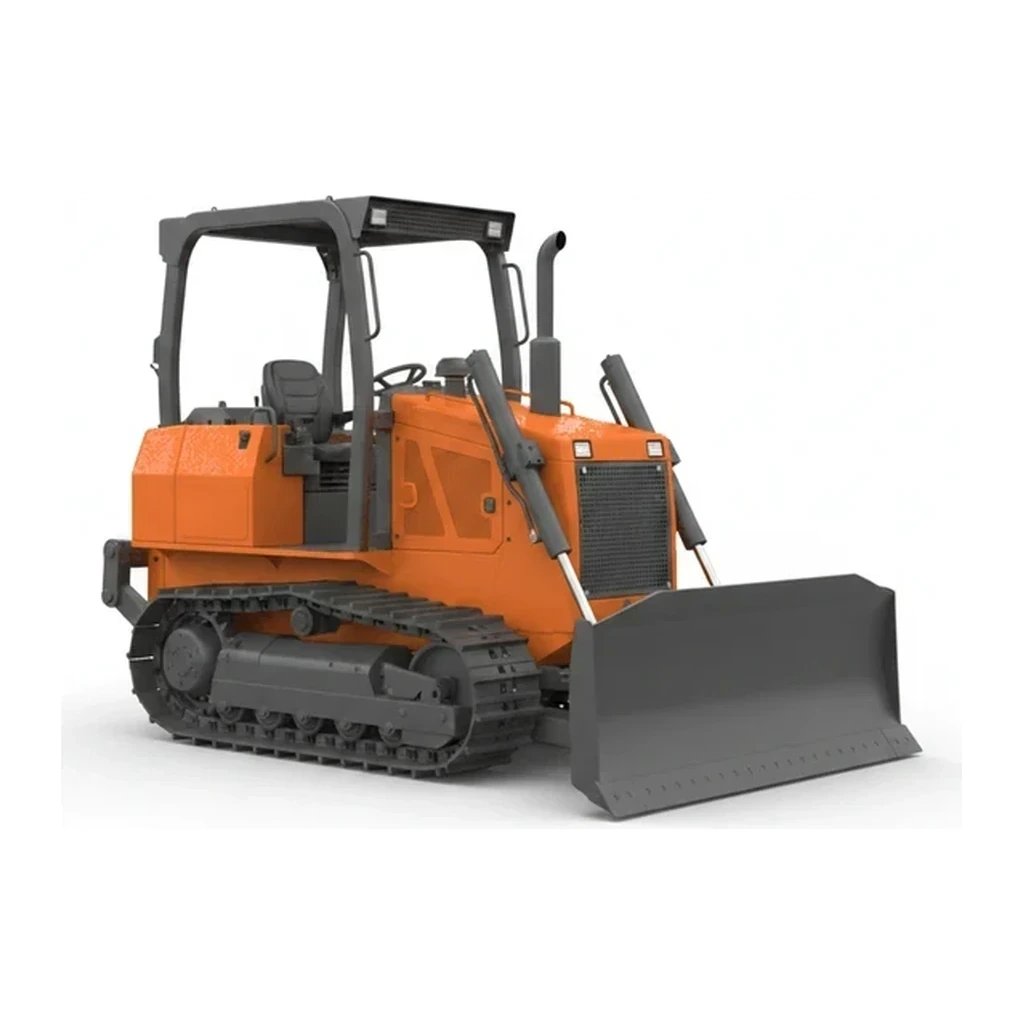
- Up to 90 hp — residential pads, backfilling and finish work with light ground pressure.
- Mid-size dozers
- 90–200 hp core of the class for site development, road building and bulk grading.
- Large / mining-class dozers
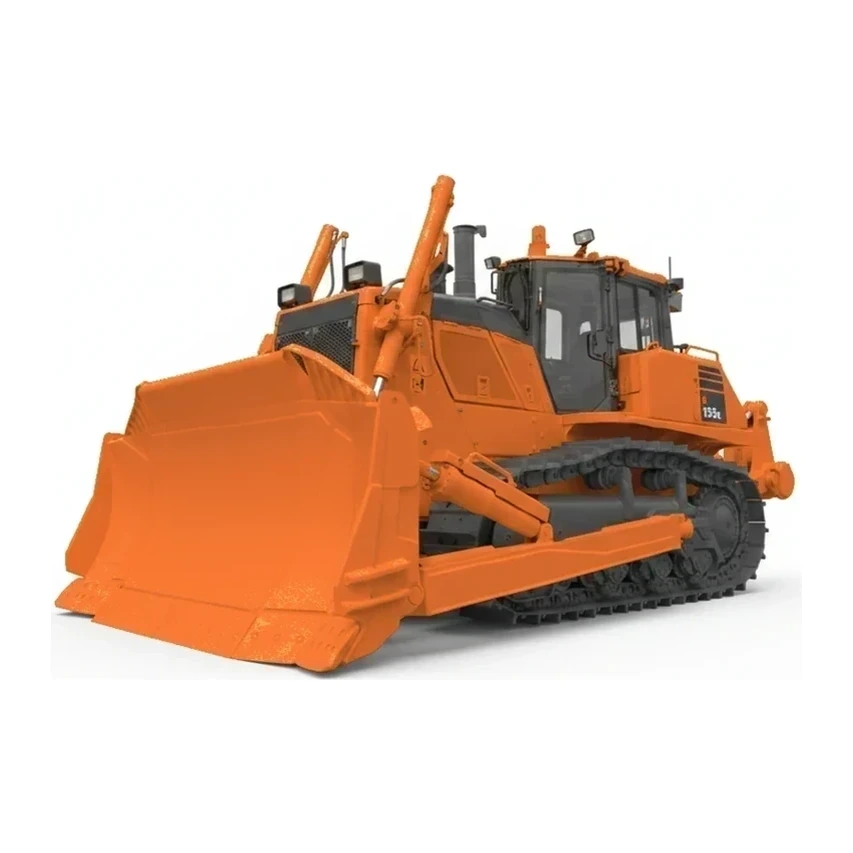
- 200 hp and above, pushing high volumes, ripping rock and supporting production fleets.
- LGP (low ground pressure) configurations
- Wide tracks and gauge for soft ground, wetlands and finished-subgrade work.
- Waste-handling configurations
- Sealed, guarded machines with trash racks for landfill duty.
- Winch and ripper configurations
- Rear implements for forestry recovery and rock/hardpan fracturing.
Spécifications clés
| Spécification | Plage typique | Signification |
|---|---|---|
| Engine power | 77.6–1019.2 hp | The class's primary sizing dimension; the rental industry bands machines at up to 90, 90–130, 130–200, 200–300 and 300+ hp. |
| Fuel tank capacity | 117.3–405.0 L | Sized for full-shift high-load duty across the catalog reporting data. |
| Operating weight | 15,633–254,195 lb (7,091–115,301 kg) | Tracks engine power closely; heavier machines carry larger blades and deliver higher drawbar pull. |
Comment l'industrie le dimensionne
Dozers are sized by engine horsepower, with operating weight and blade capacity tracking it closely. The rental industry bands the class at up to 90, 90–130, 130–200, 200–300 and 300+ hp. Selection is a production calculation: blade capacity times cycle speed must meet the required volume, while ground pressure and transport class set the practical limits. Small machines move on tag trailers; mid-size and larger are lowboy freight, with the largest requiring permits and partial disassembly.
Applications
- Bulk earthmoving: stripping, cut-to-fill pushing and pad building
- Rough and finish grading with GPS/laser blade control
- Land clearing and grubbing ahead of development
- Road, highway and haul-road construction and maintenance
- Ripping rock, hardpan and frost with rear rippers
- Landfill spreading and compaction support in waste configurations
Sécurité et opération
- Work slopes up-and-down rather than across where possible, and know the machine's slope limits — sidehill rollover is the class's defining hazard.
- Keep ground personnel out of the blind arc; the blade and ripper hide close-in visibility front and rear.
- Use ROPS seat belts without exception — an unbelted operator does not survive the rollover the structure is built for.
- Control dust on dry pushes; visibility loss at the fill edge precedes over-the-edge incidents.
- On steep fills and dumps, push to a windrow edge rather than the crest, and keep tracks square to the edge.
Normes et certifications
- ISO · ISO 3471
- Roll-over protective structure performance requirements for crawler machines.
- OSHA · 29 CFR 1926.602
- Material handling equipment rules covering dozers on construction sites.
- EPA · Tier 4 Final (40 CFR Part 1039)
- Nonroad diesel emissions certification for current-production engines.
- SAE · SAE J1040
- Performance criteria for ROPS on construction machines, referenced alongside ISO 3471.
Questions fréquentes
What horsepower dozer fits typical site work?
What does LGP mean?
What is a ripper for?
How are dozers transported?
Comparer les modèles populaires
Chercher par spécification →Normalisé aux mêmes unités. Un tiret signifie que la valeur n'a pas été publiée.
| Modèle | Poids en service | Profondeur d’excavation max | Portée max | Puissance moteur |
|---|---|---|---|---|
| John Deere 850P | 29,064 lb (13,183 kg) | 58.7 ft (17.9 m) | - | 145 hp |
| Case 2050M | 44,562 lb (20,213 kg) | - | - | 215 hp |
| Case 750M | 105,299 lb (47,763 kg) | - | - | 362 hp |
| Case 1150M | 31,134 lb (14,122 kg) | - | - | 138 hp |
| Komatsu D155AX-8 | 92,819 lb (42,102 kg) | - | - | 354 hp |
| John Deere 450P | 15,633 lb (7,091 kg) | 44.2 ft (13.5 m) | - | 57 hp |
Parcourir par fabricant
Sources
Chaque spécification est vérifiée par rapport aux données publiées par le fabricant, avec la source liée pour référence.
Tous les modèles
98 modèles · Page 2 sur 3 · Chaque spécification citée à la source