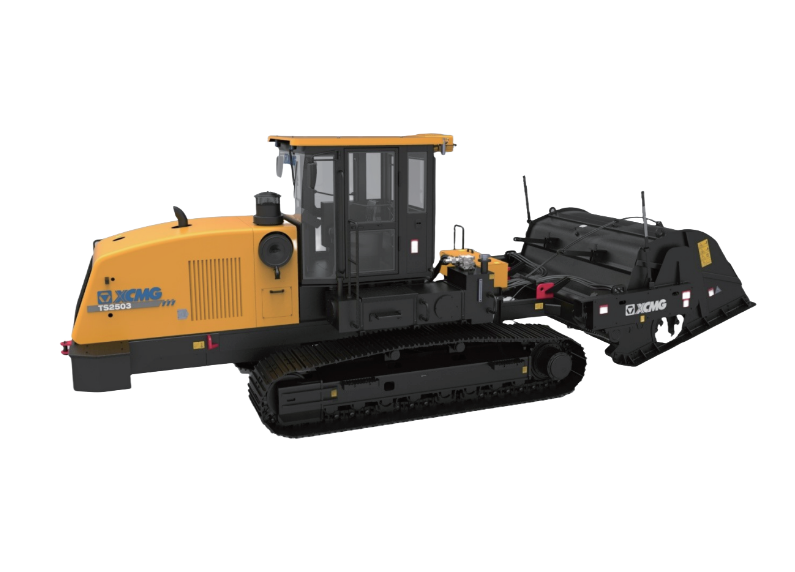

Motor Grader
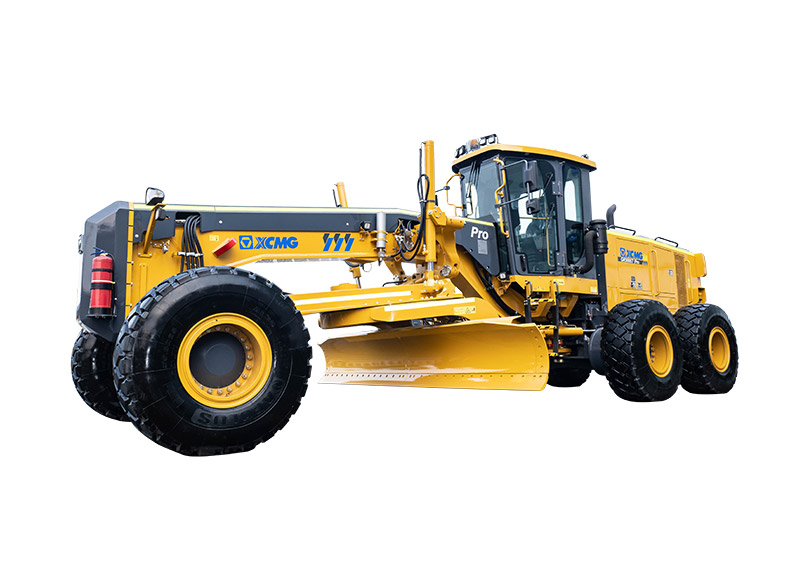
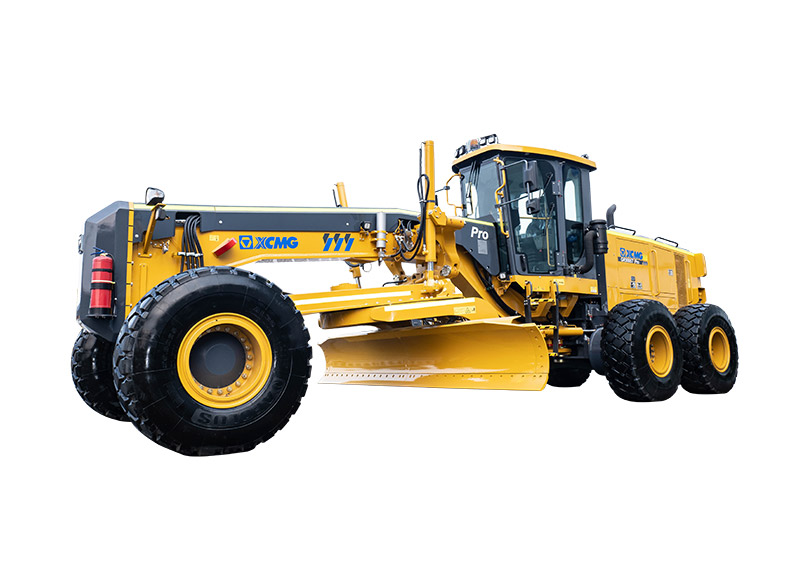
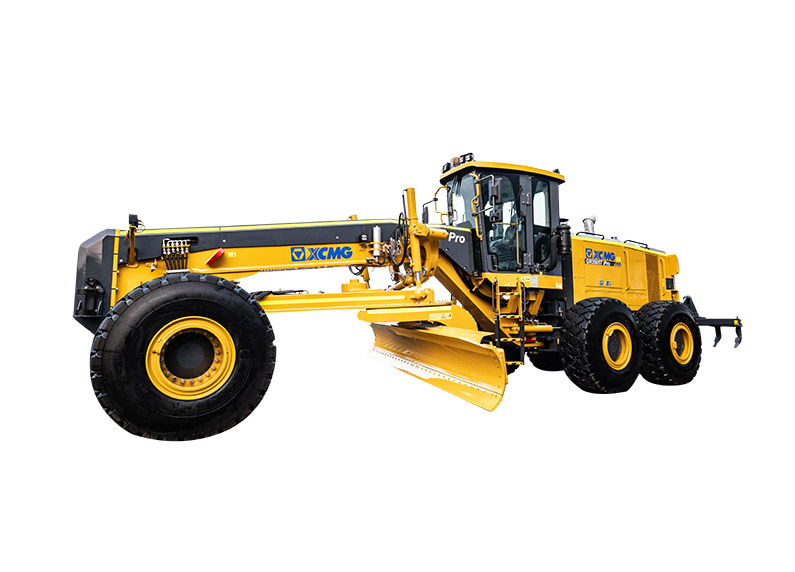
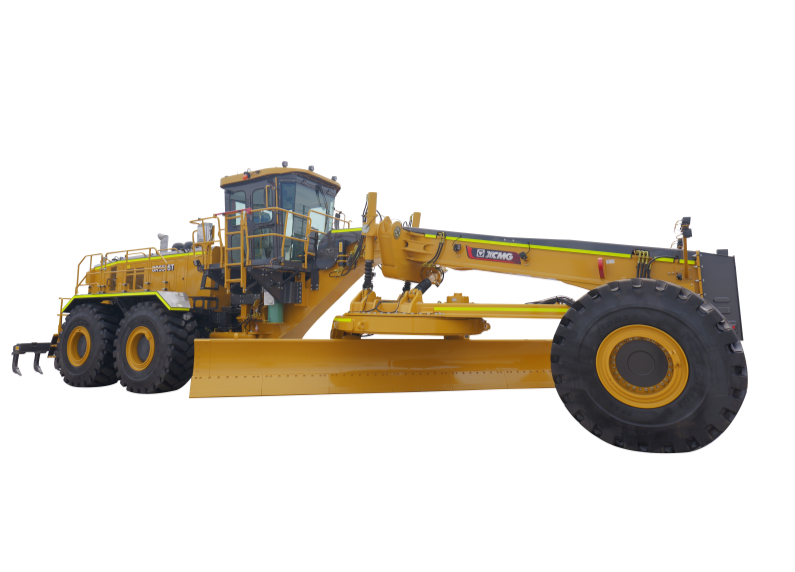
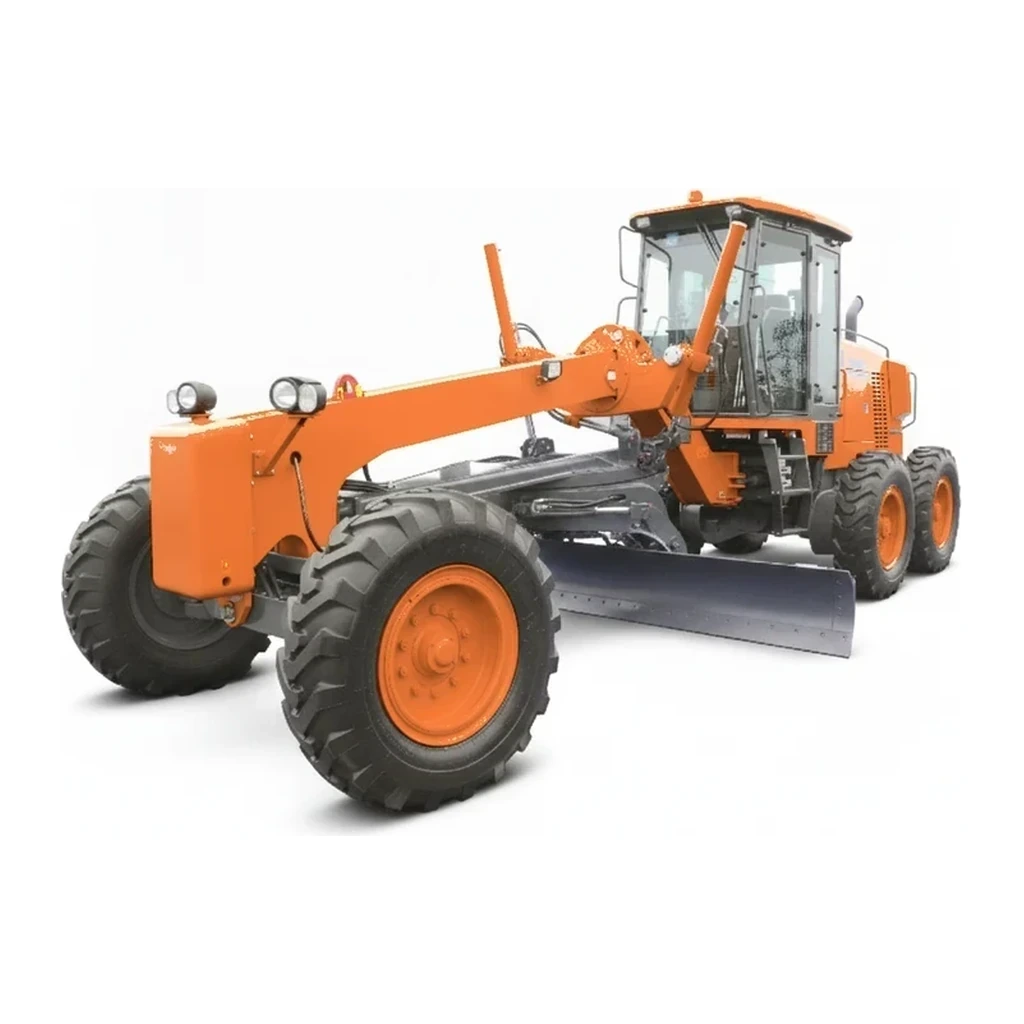
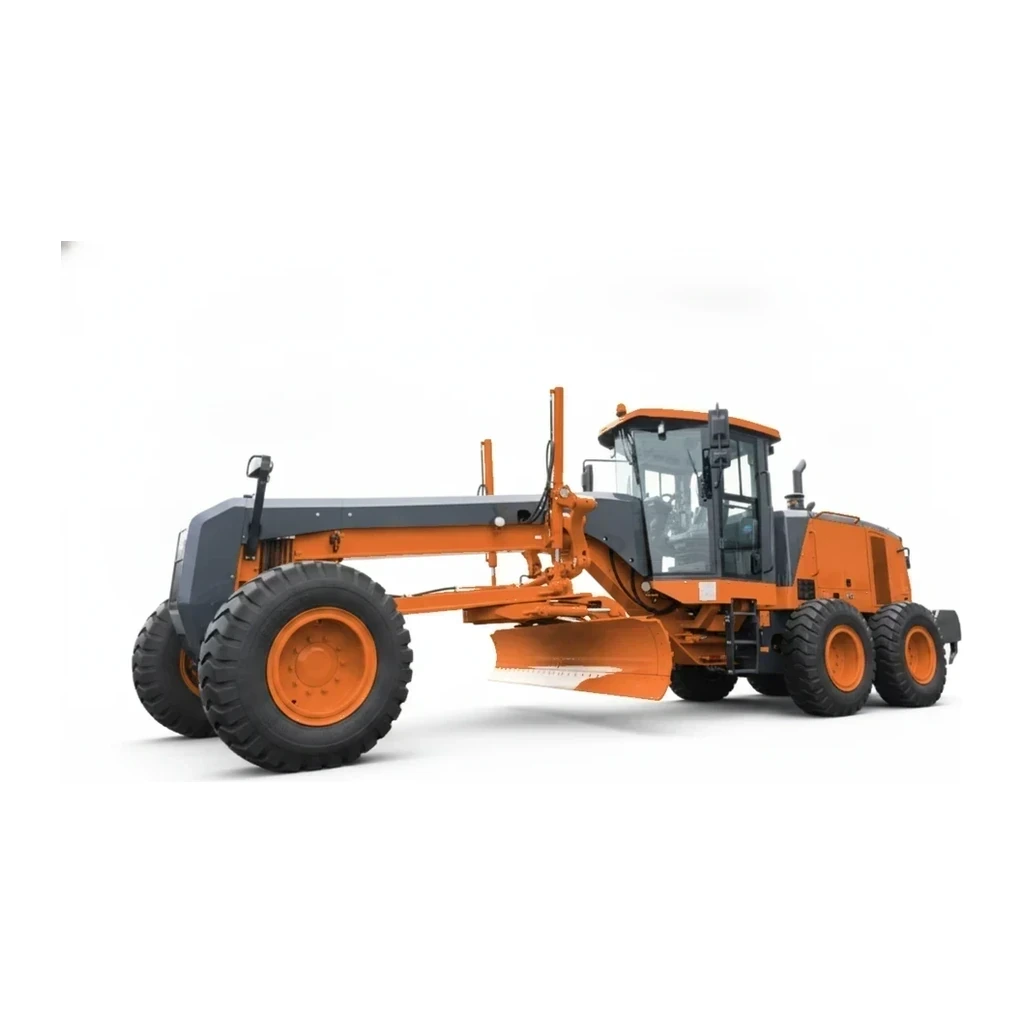
A motor grader is a long-wheelbase machine carrying a rotating blade (moldboard) slung between its front and rear axles, built to cut, spread and finish surfaces to precise grade. It is the definitive machine for road building and maintenance — establishing crown and cross-slope, mixing and spreading gravel, and holding tolerances no dozer blade can match.
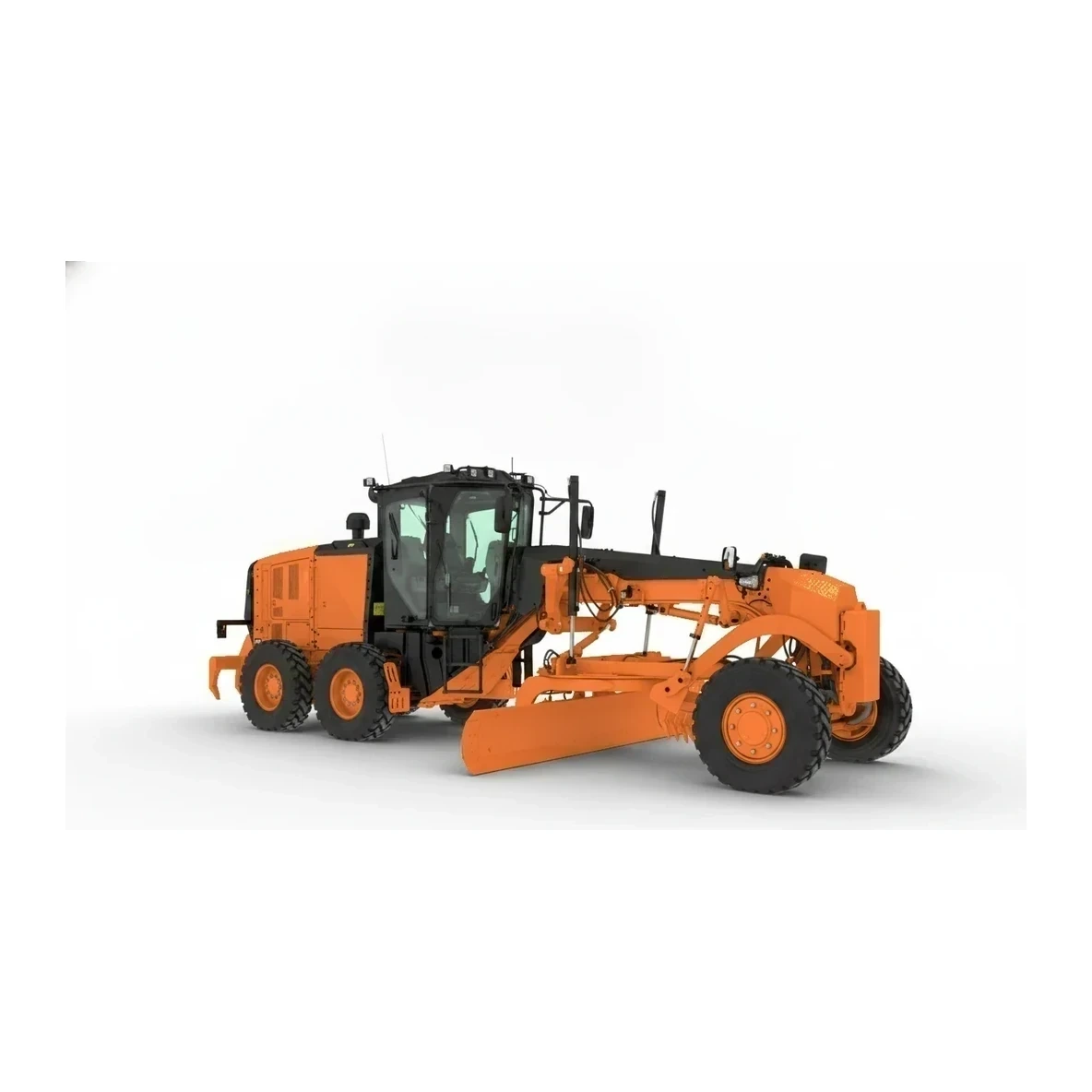
Cat classes
Choisissez une classe de taille — la capacité et la portée varient selon la gamme.
Fonctionnement
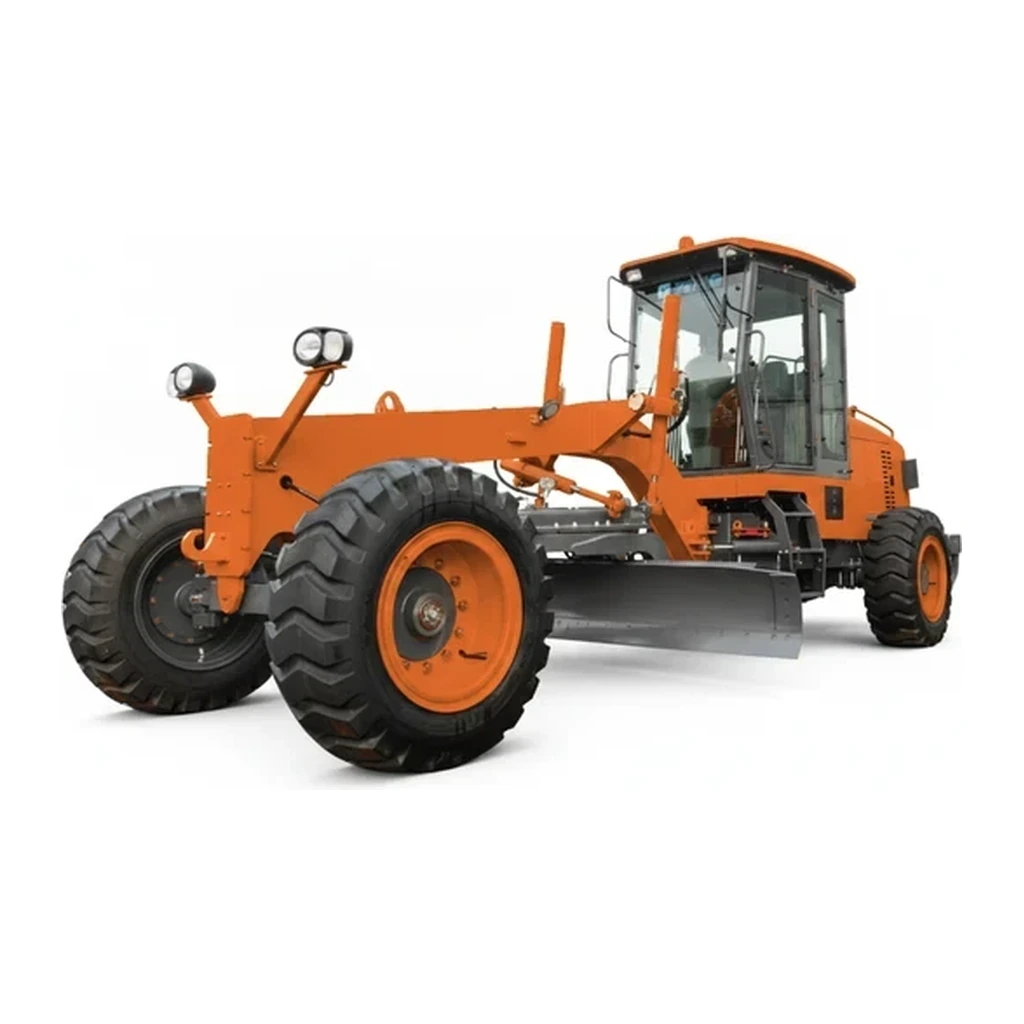
The moldboard hangs from a circle assembly under the main frame, positioned by hydraulic cylinders through rotation, side-shift, tilt and lift — the geometry that lets the blade work at nearly any angle, including outside the wheel line and up bank slopes. The long wheelbase is the machine's precision instrument: with the blade midway between distant axles, surface irregularities under the wheels translate to only a fraction of their height at the cutting edge. An articulated frame (on most modern machines) lets the operator crab-steer, offsetting the front axle to keep tires out of the cut, while tandem rear axles put four driven wheels on the ground through bounce and load changes. As with dozers, GPS/GNSS and laser grade control now drive the blade automatically to design surface on much of the class.
Types et variantes
- Articulated-frame graders
- The modern standard — frame articulation adds crab steering and a tighter turning circle.
- Rigid-frame graders
- Simpler machines at the small end of the class, common in lower power bands.
- All-wheel-drive (6×6) machines
- Driven front axles for traction in soft material, snow and fine finishing at creep speeds.
- Production-class graders
- Heavy machines built to maintain wide haul roads; catalog weights reach 29,900 kg.
Spécifications clés
| Spécification | Plage typique | Signification |
|---|---|---|
| Engine power | 27.0–599.4 hp | Catalog spans from light models to mining production graders; the industry bands machines as 0–150 hp, 150–200 hp, and 200+ hp. |
| Operating weight | 163–65,918 lb (74–29,900 kg) | Catalog range across all power bands; heavier frames hold grade in harder material. |
| Working width (max) | 13.5–44.3 ft (4.1–13.5 m) | Maximum blade reach with side-shift and circle rotation; determines the width of cut and overlap capability. |
Comment l'industrie le dimensionne
Motor graders are sized by engine power, with the industry banding machines as 0–150 hp, 150–200 hp, and 200+ hp. The 0–150 hp band covers 12 ft blade graders for gravel roads, subdivision streets and site maintenance. The 150–200 hp band is the 14 ft blade standard for highway subgrade and fine grading to tolerance, usually with GPS. The 200+ hp band serves heavy graders for mine haul roads and large-scale earthworks. Weight matters as much as power — a heavier frame holds the blade in the cut in dense material.
Applications
- Fine grading of subgrades, base courses and building pads to design tolerance
- Gravel-road construction, resurfacing and routine maintenance blading
- Establishing and re-cutting crown, cross-slope and drainage ditches
- Haul-road maintenance in quarries and mines
- Snow removal with moldboard, front plow and wing configurations
- Scarifying and mixing surface material with ripper/scarifier attachments
Sécurité et opération
- Watch blade overhang — the moldboard routinely extends beyond the wheel line into traffic lanes, ditches and fixed objects.
- Follow work-zone traffic control when blading active roads; graders spend more time in live traffic than nearly any other earthmover.
- Ballast and speed must match the cut — a blade digging in at transport speed can slew the machine off line.
- Use the ROPS seat belt and keep riders off; the long frame and high station tempt unauthorized riding.
- On sidehills, keep the blade on the uphill side of the cut and travel with care — the tall, narrow machine has firm slope limits.
Normes et certifications
- ISO · ISO 3471
- ROPS performance requirements for earthmoving machinery.
- EPA · Tier 4 Final (40 CFR Part 1039)
- Emissions certification for current nonroad diesel engines.
Questions fréquentes
Why use a grader instead of a dozer for grading?
What size grader does road maintenance need?
What is crab steering for?
How do graders hold exact grade?
Comparer les modèles populaires
Chercher par spécification →Normalisé aux mêmes unités. Un tiret signifie que la valeur n'a pas été publiée.
| Modèle | Poids en service | Profondeur d’excavation max | Portée max | Puissance moteur |
|---|---|---|---|---|
| Dynapac F2500W | 36,376 lb (16,500 kg) | - | - | 148 hp |
| Dynapac F2500C | 39,683 lb (18,000 kg) | - | - | 148 hp |
| Dynapac SD1800W | 22,708 lb (10,300 kg) | - | - | 74 hp |
| Case 865B 2 | 32,077 lb (14,550 kg) | - | - | 220 hp |
| Dynapac SD1800C | 24,251 lb (11,000 kg) | - | - | 74 hp |
| Dynapac SD2500C | 51,368 lb (23,300 kg) | - | - | 200 hp |
Équipements connexes
Parcourir par fabricant
Sources
Chaque spécification est vérifiée par rapport aux données publiées par le fabricant, avec la source liée pour référence.
Tous les modèles
202 modèles · Page 5 sur 5 · Chaque spécification citée à la source