

Up to 500 gal Vacuum Excavator
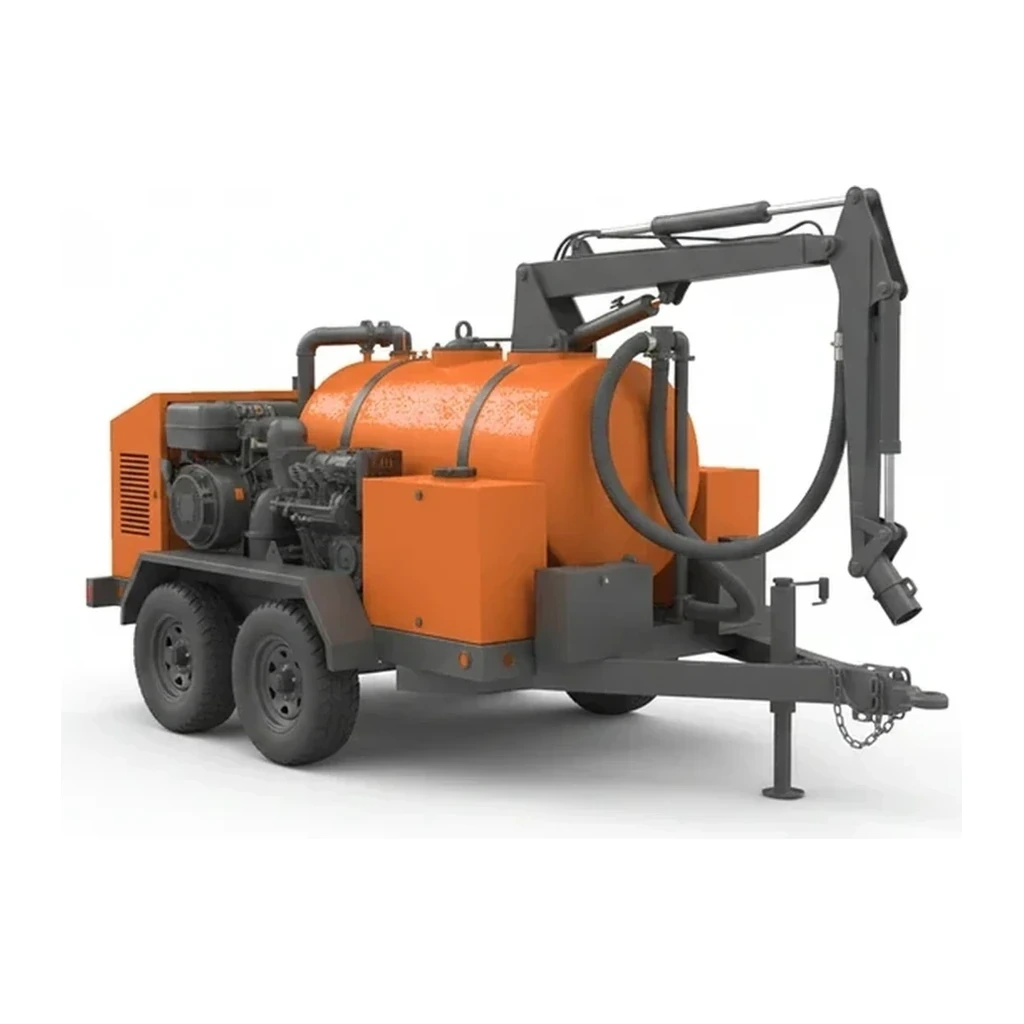
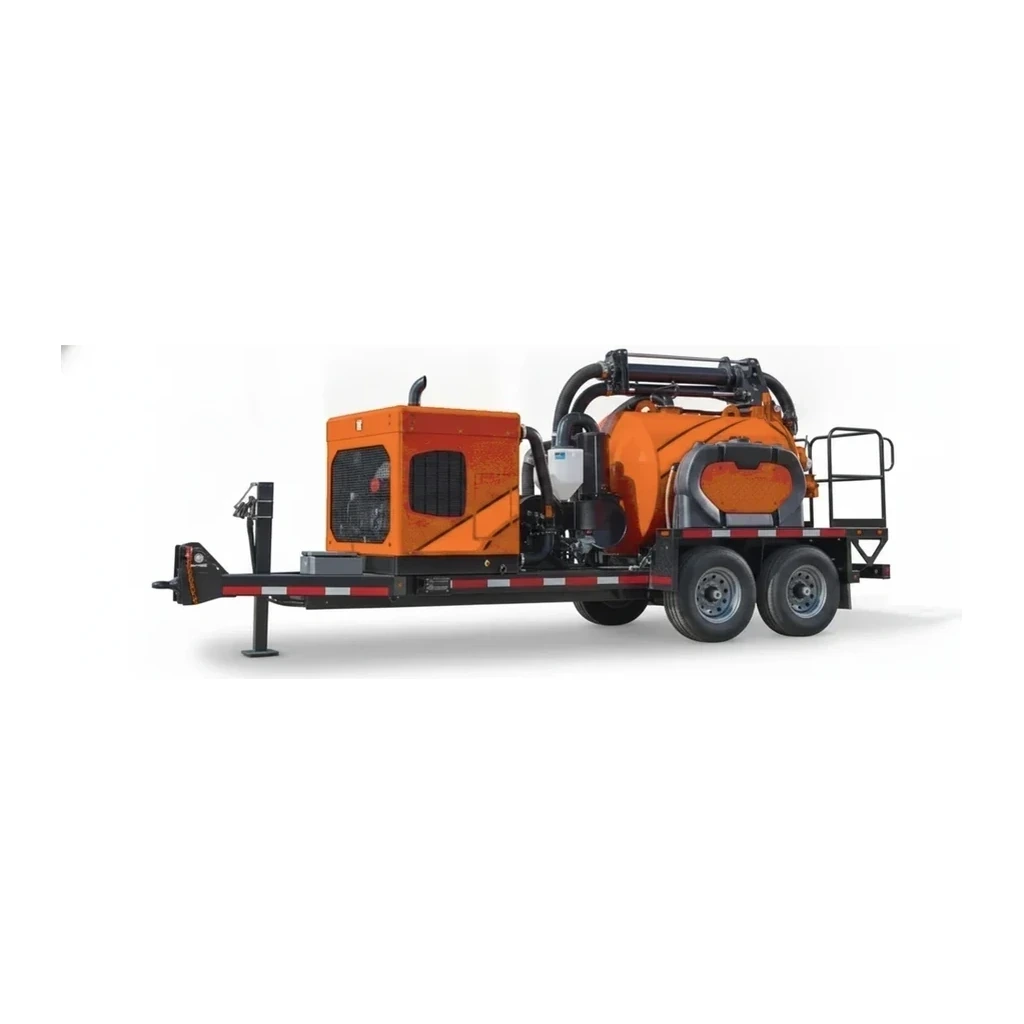
Up to 500 gallon vacuum excavators are trailer-mounted potholing units designed to expose underground utilities without hand digging. These compact systems serve locate-and-verify work where a crew would otherwise shovel test holes throughout the day. For projects requiring continuous excavation or larger volumes of spoil removal, the 500-1,200 gal size class offers greater capacity and productivity.
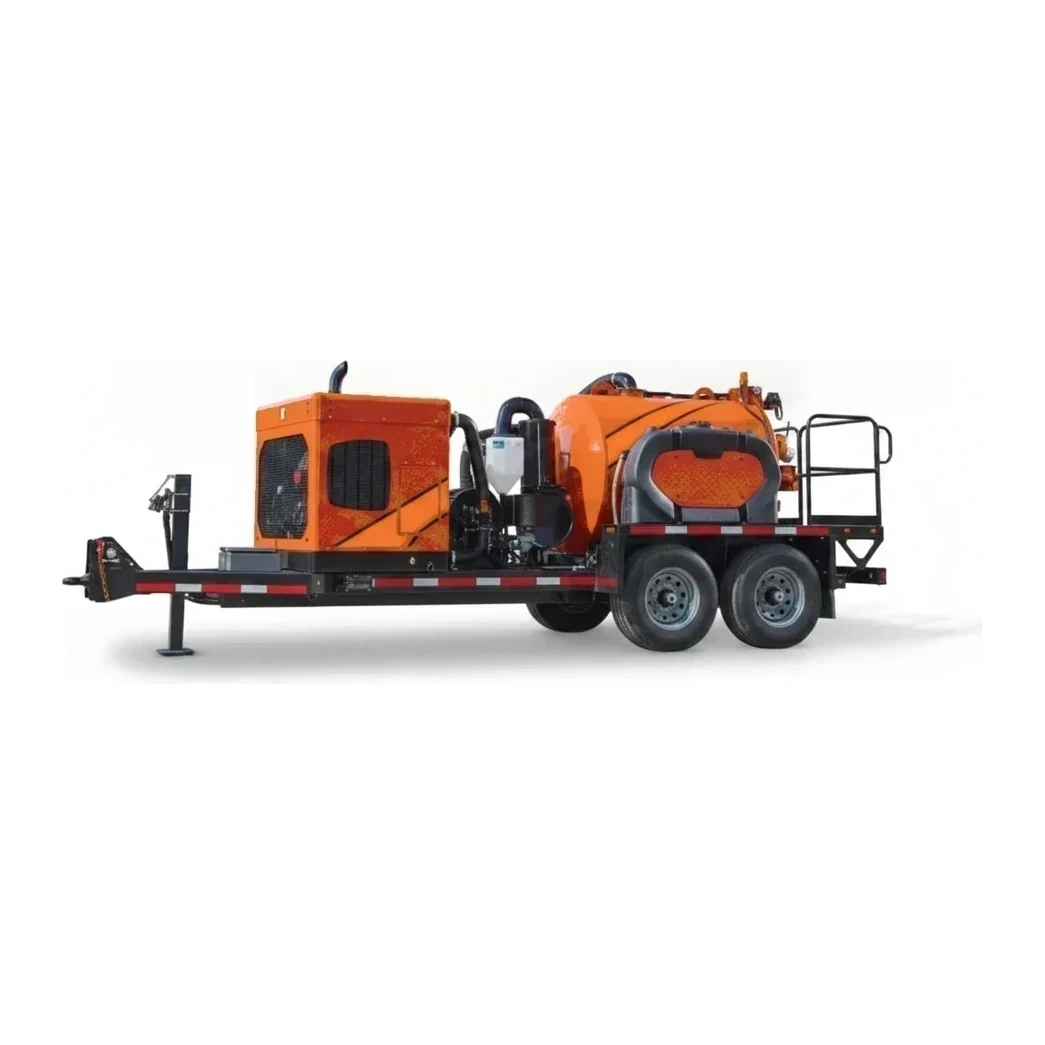
Cat classes
Choisissez une classe de taille : la capacité et la portée varient selon la gamme.
Spécifications clés
| Spécification | Plage typique | Signification |
|---|---|---|
| Spoil tank capacity | Up to 500 gal (1,900 L) | Defines the volume of excavated material the unit holds before requiring disposal. |
| Airflow | 42-4,131 CFM | Vacuum suction power; higher CFM moves heavier soils and debris more quickly. |
| Engine power | 17.9-380 hp | Drives the vacuum blower and high-pressure water pump; larger engines support continuous duty cycles. |
| Water tank capacity | 40-4,542 L | Supplies the hydro-excavation nozzle to loosen soil before vacuum extraction. |
| GVWR | 3,500-39,009 lb (1,588-17,695 kg) | Gross vehicle weight rating determines towing vehicle requirements and road legality. |
Comment choisir
Up to 500 gallon units suit potholing and utility locate work where the objective is to expose a handful of underground lines per day rather than move continuous volumes of soil. Operations that uncover three to six utility crossings in a shift, then backfill immediately, match this size's dump-and-return cycle. When the scope involves trenching, large-diameter pipe installation, or all-day excavation in a single location, the 500-1,200 gal Vacuum Excavator class provides the spoil capacity and water reserve to sustain production without frequent offloading trips.
Ce que cette taille peut gérer
- Locating fiber optic and telecom lines before horizontal boring
- Exposing gas mains and water services at marked crossings for depth verification
- Potholing around storm and sanitary laterals during site utility mapping
- Daylighting electrical conduit at pole bases and service entry points
- Uncovering valve boxes and cleanout access points in congested rights-of-way
- Test holes for subsurface investigation and soil sampling in urban corridors
Sécurité et opération
- High-pressure water systems (206.7-3,000 psi) require operator training to prevent hand and foot injuries from the cutting stream
- Vacuum hose recoil and whip hazards when suction breaks free from heavy debris or compacted soil
- Spoil tank pressurization and venting protocols prevent blowback during lid opening and material discharge
- Proximity to live utilities demands strict adherence to depth callouts and hand-digging the final approach to marked lines
Transport et logistique
- Trailer-mounted configuration tows behind pickup trucks or utility vehicles; GVWR from 3,500 to 39,009 lb
- Lightest models (under 7,000 lb GVWR) tow with standard 2-inch ball hitches; heavier units require pintle or gooseneck couplers
- Compact footprint permits maneuvering in residential streets, parking lots, and congested job sites
Alimentation
- Self-contained diesel or gasoline engines eliminate dependence on external power sources
- Fuel tank capacities from 5 to 114 gallons support multi-shift operation on potholing jobs
- Onboard water tanks hold 40 to 4,542 liters; larger reserves reduce refill interruptions during extended locate sequences
Questions fréquentes
What differentiates a sub-500 gallon unit from larger vacuum excavators?
How many utility locates can a 500-gallon unit complete per day?
What towing capacity is required for these vacuum excavators?
Comparer les modèles populaires
Chercher par spécification →Normalisé aux mêmes unités. Un tiret signifie que la valeur n'a pas été publiée.
| Modèle | Poids en service | Profondeur d’excavation max | Portée max | Puissance moteur |
|---|---|---|---|---|
| Vermeer EV150 Vacuum Excavator | 1,799 lb (816 kg) | - | - | 27 hp |
| Vermeer VXT600 Vacuum Truck | 40,001 lb (18,144 kg) | - | - | 510 hp |
| Vermeer LP Mini Vacuum Excavator | 5,201 lb (2,359 kg) | - | - | 27 hp |
| Vermeer VX75 Vacuum Excavator | 24,000 lb (10,886 kg) | - | - | 74 hp |
| Vermeer VXT300 Vacuum Truck | 30,501 lb (13,835 kg) | - | - | 350 hp |
| Vermeer VXT400 Vacuum Truck | 32,498 lb (14,741 kg) | - | - | 365 hp |
Équipements connexes
Parcourir par fabricant
Sources
Chaque spécification est vérifiée par rapport aux données publiées par le fabricant, avec la source liée pour référence.
Up to 500 gal Vacuum Excavator
7 modèles · Chaque spécification citée à la source