

Forklift and Material Handling
Forklift and material handling equipment moves loads horizontally and vertically around sites, plants, and warehouses. Forklifts and telehandlers dominate the category, backed by hoists, lifts, pallet trucks, rigging, and machinery-moving gear.
Fonctionnement
Each family solves a movement problem: trucks lift and carry unit loads, hoists and material lifts raise them in place, conveyors keep flow continuous, skates and jacks slide machinery, slings connect loads to hooks, and winches pull. Ratings — capacity, load center, hitch angle — are the shared language across the category.
Types et variantes
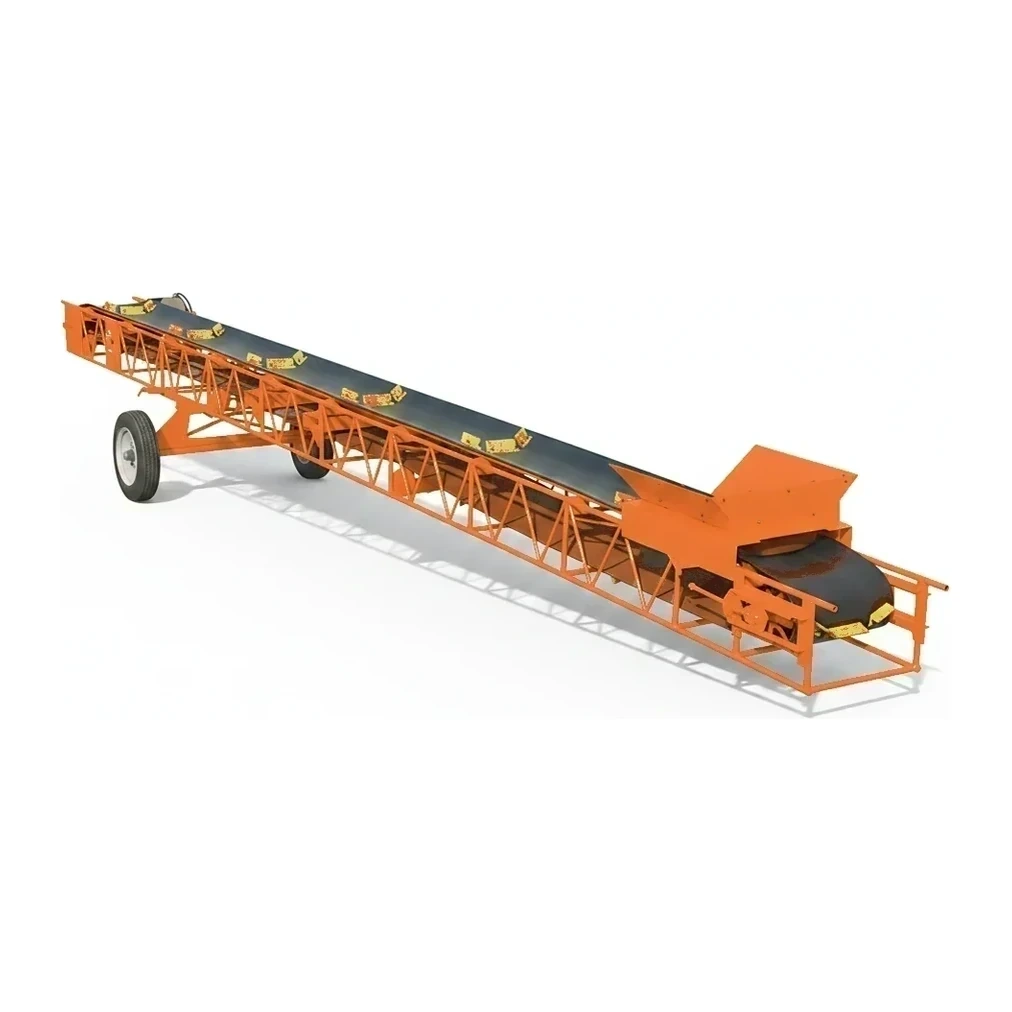
- Conveyors
- Powered belts that move material between levels and across sites.
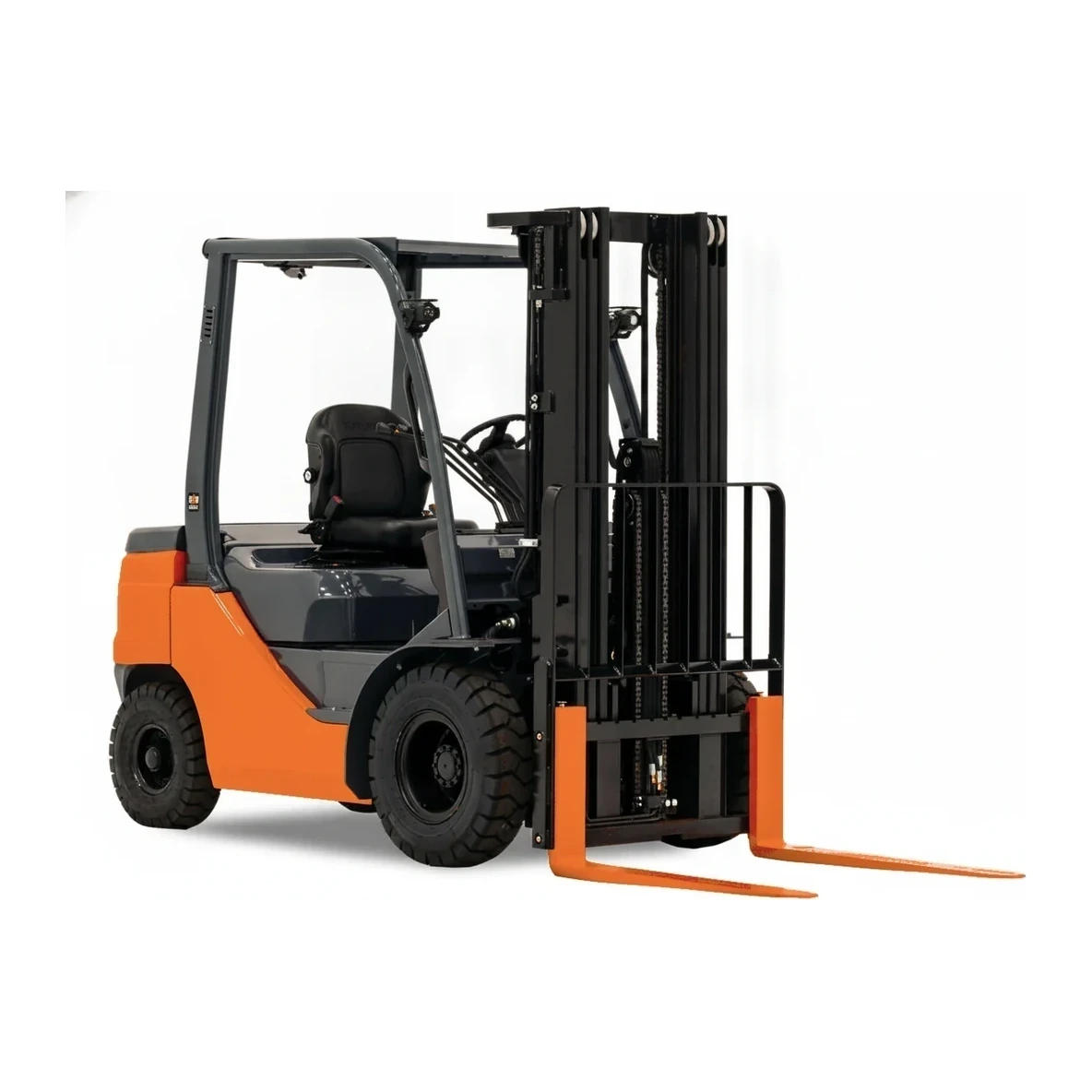
- Forklifts
- Counterbalance forklifts, telehandlers, and reach trucks with their attachments.
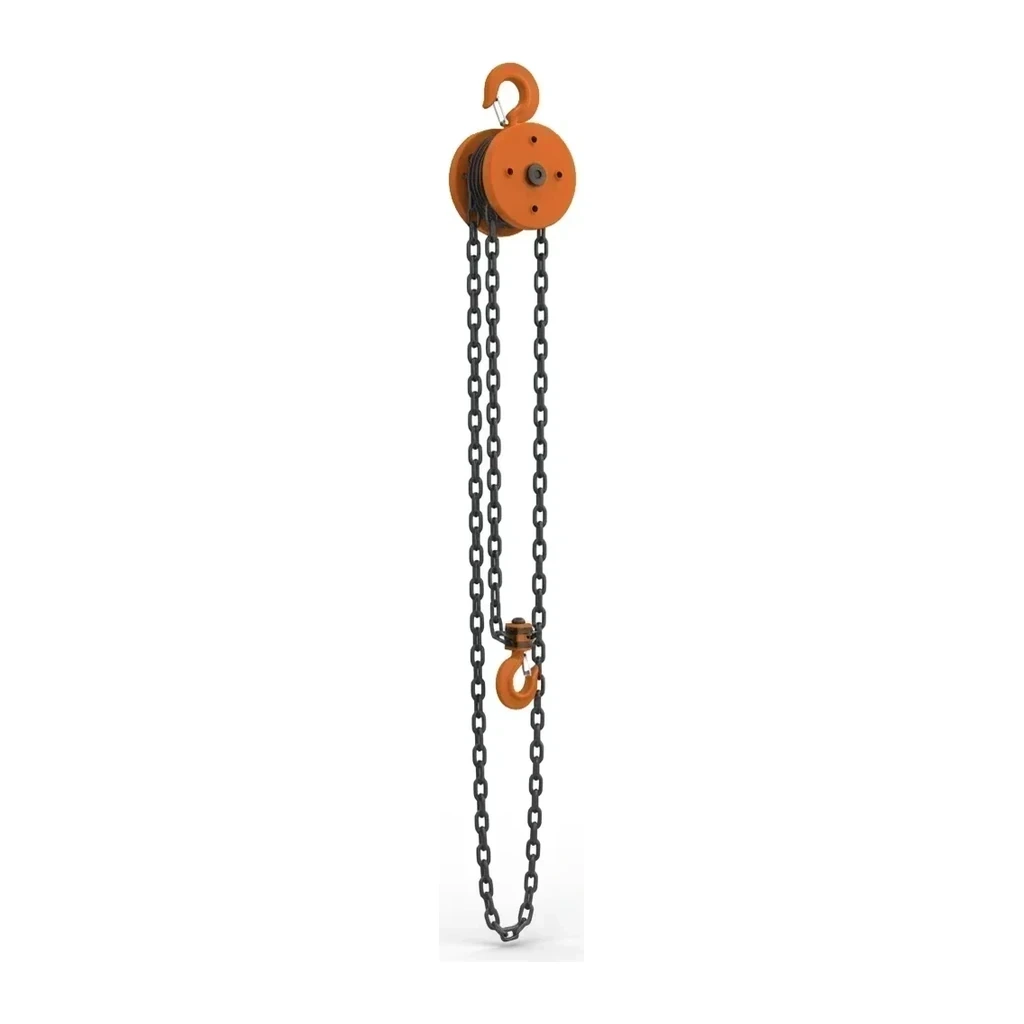
- Hoists
- Manual and powered chain hoists for vertical lifting.
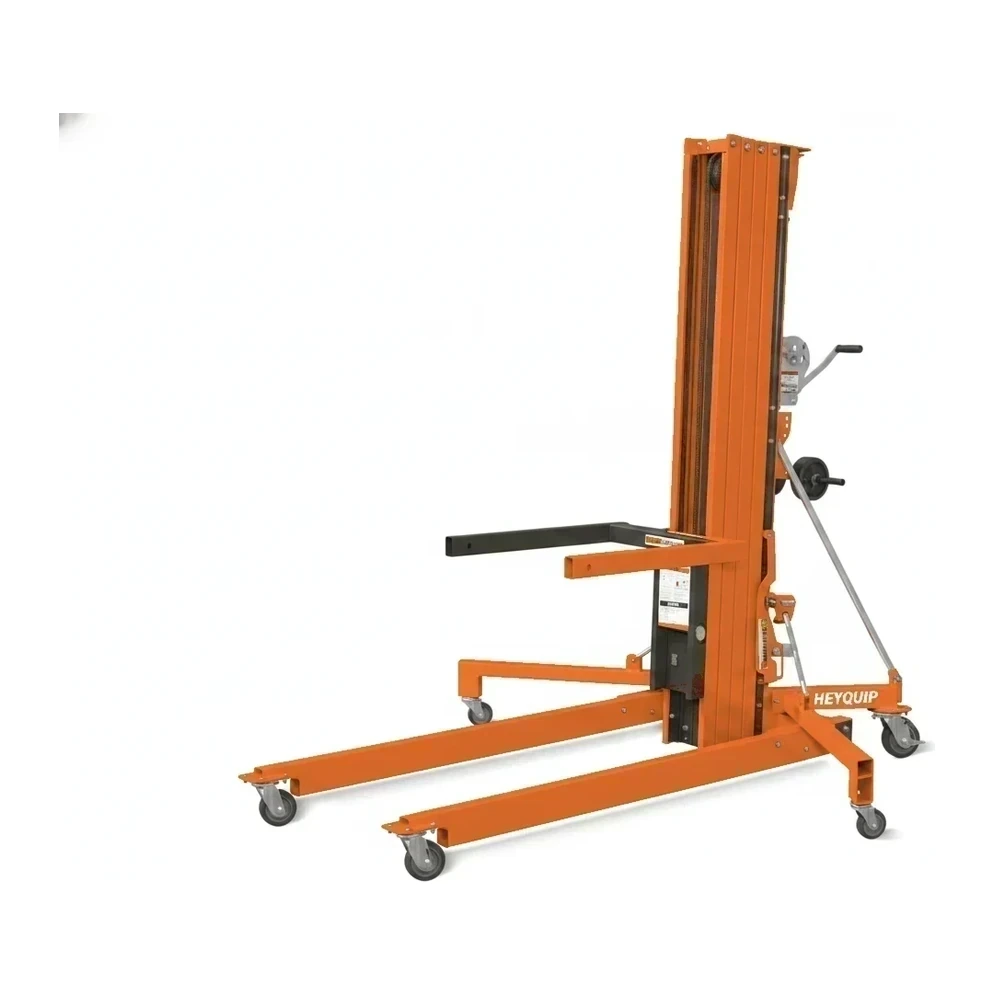
- Lifts
- Material, drywall, and glass lifts that position loads by hand power.
- Pallet Trucks and Jacks
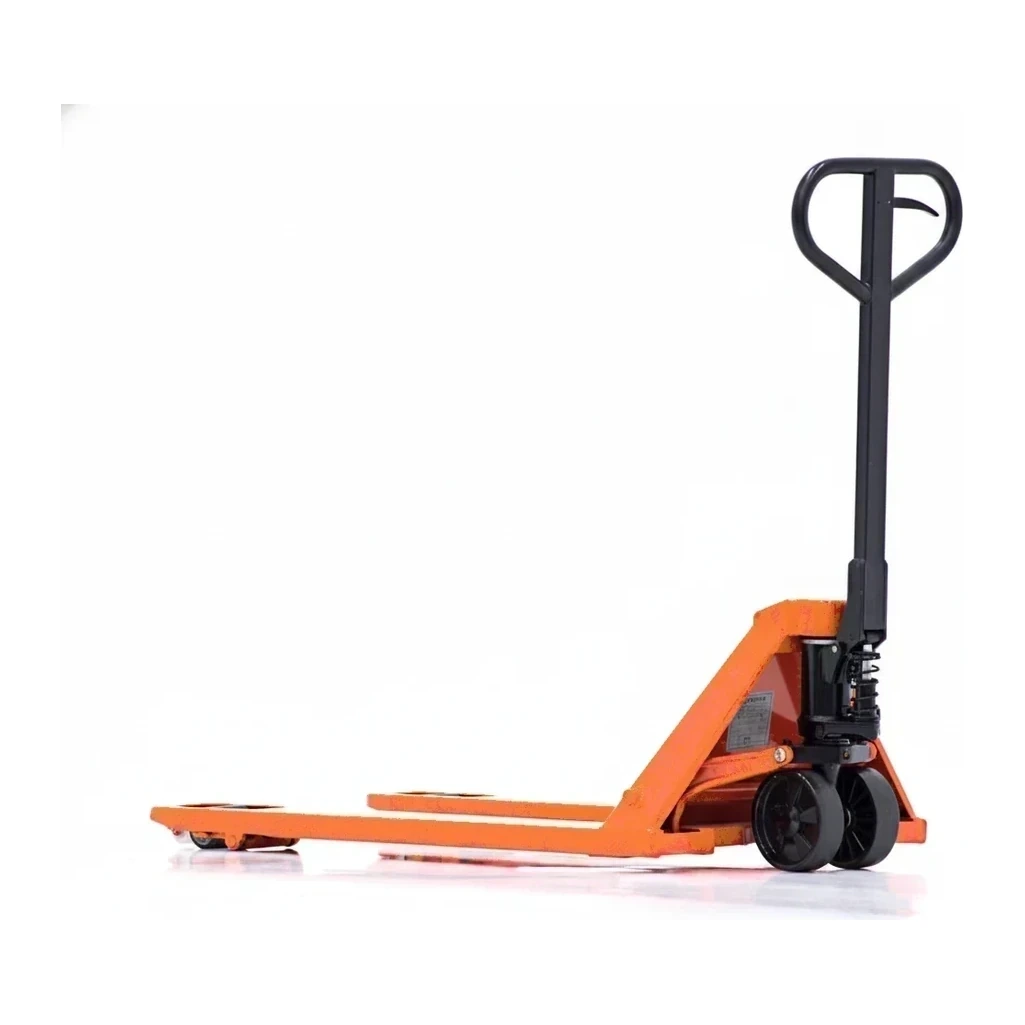
- Manual and electric pallet trucks for floor-level pallet moves.
- Tow Tractors
- Compact tugs that pull cart trains through plants and yards.
- Manual Material Handling
- Platform trucks and hand trucks for manual load transport.
- Machinery Moving
- Machinery skates and toe jacks for moving heavy equipment across floors.
- Rigging
- Slings, trolleys, and rigging hardware that connect loads to hooks.
- Winches
- Powered and manual drum winches for pulling and positioning loads.
Comment choisir
Load, path, and frequency select the equipment: palletized loads to trucks and jacks matched by surface and height, in-place lifting to hoists and material lifts on verified anchorage, machinery moves to skates with toe jacks, and every suspended lift through rated, inspected rigging. Operator training rules cover the powered classes.
Normes et certifications
- OSHA · 29 CFR 1910.178
- Powered industrial truck rules, including mandatory operator training and evaluation.
- ANSI/ITSDF · B56.1
- Safety standard for low-lift and high-lift powered industrial trucks.
- ASME · B30.9
- Sling selection, inspection, and removal-from-service criteria.