
Hoists, Winches and Jacking
Chain hoists raise and lower loads vertically on a loaded chain. The catalog class covers manual hand-chain and lever hoists through electric and air-powered units.
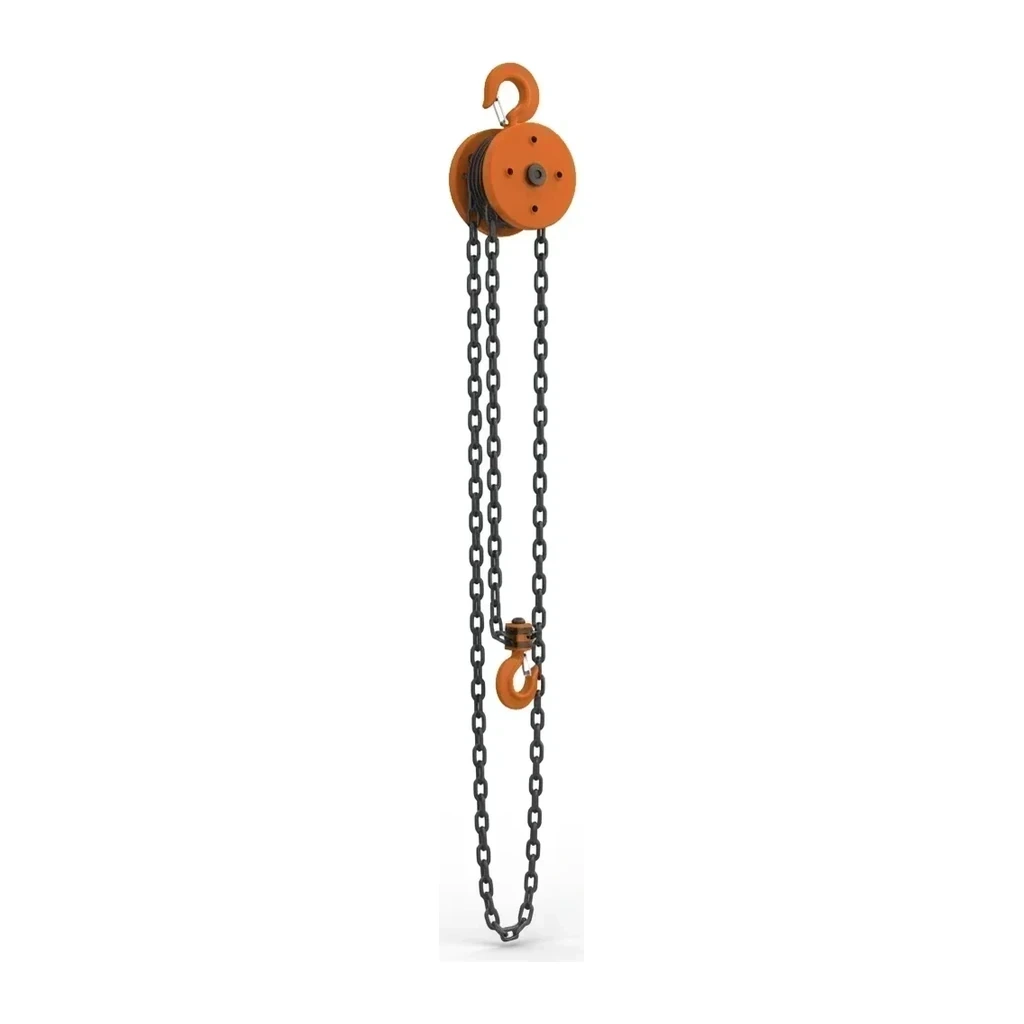
Chain Hoist
169 modèles
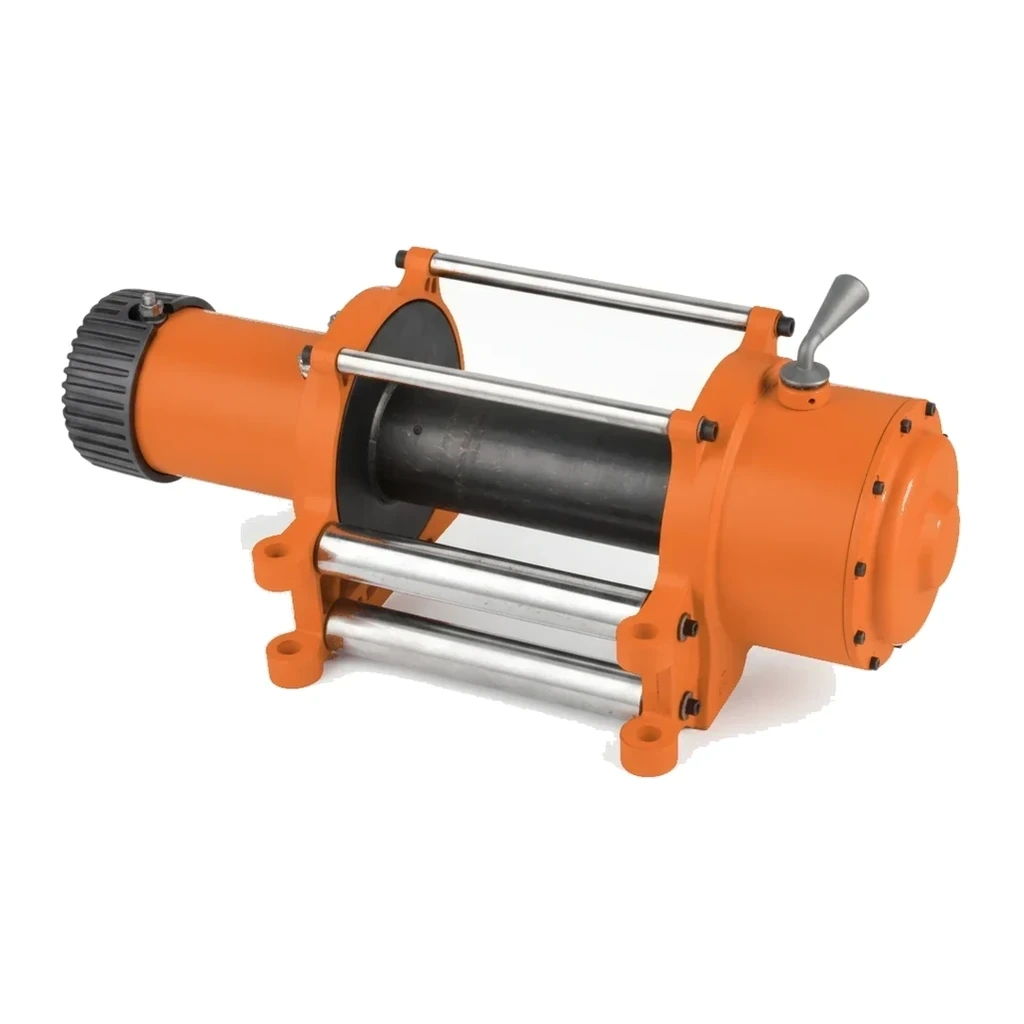
Winch
70 modèles
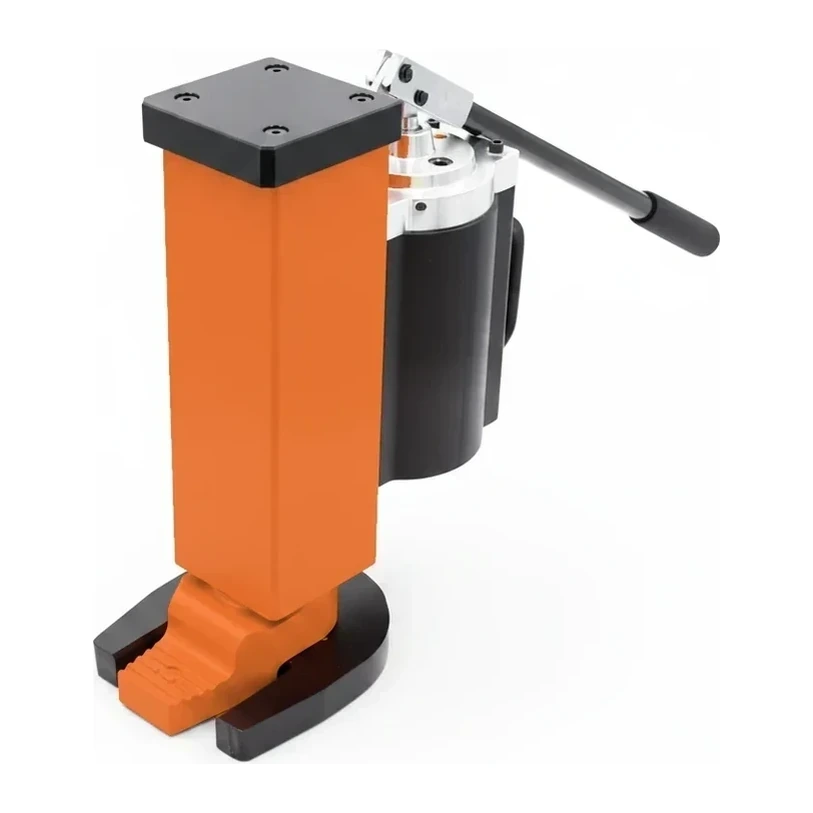
Toe Jack
20 modèles
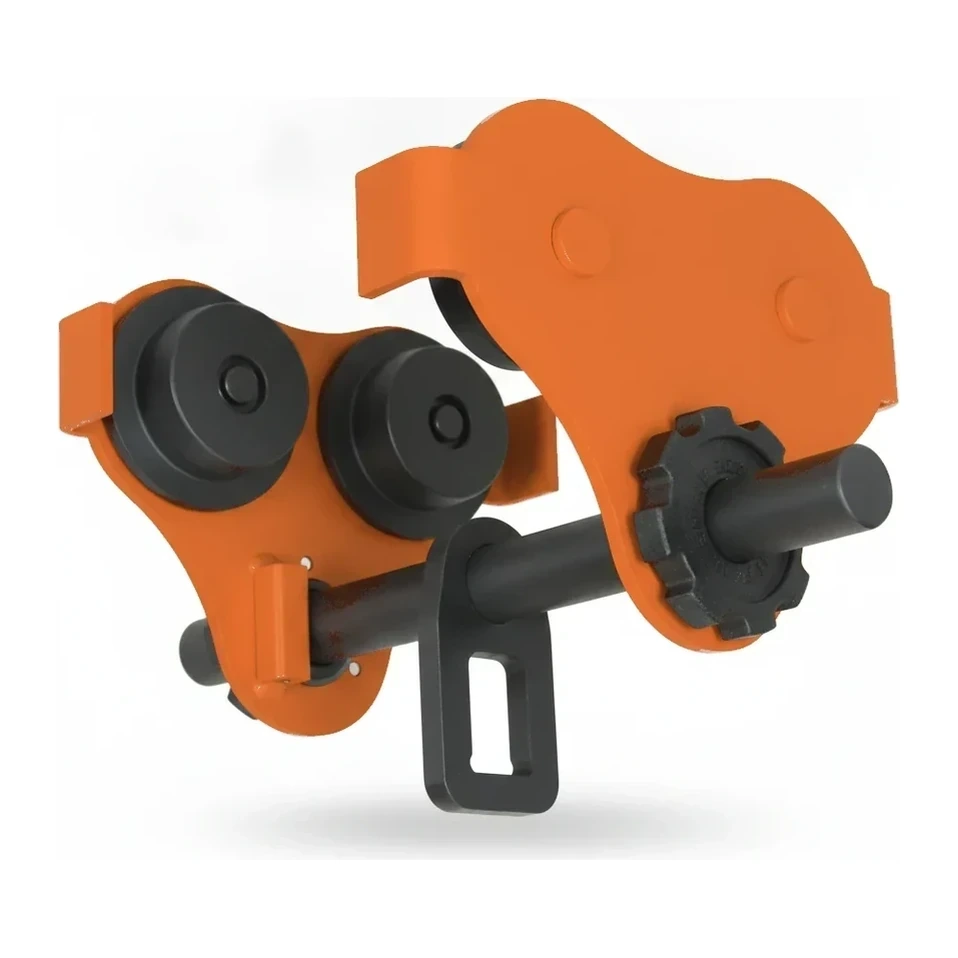
Beam Trolley
14 modèles
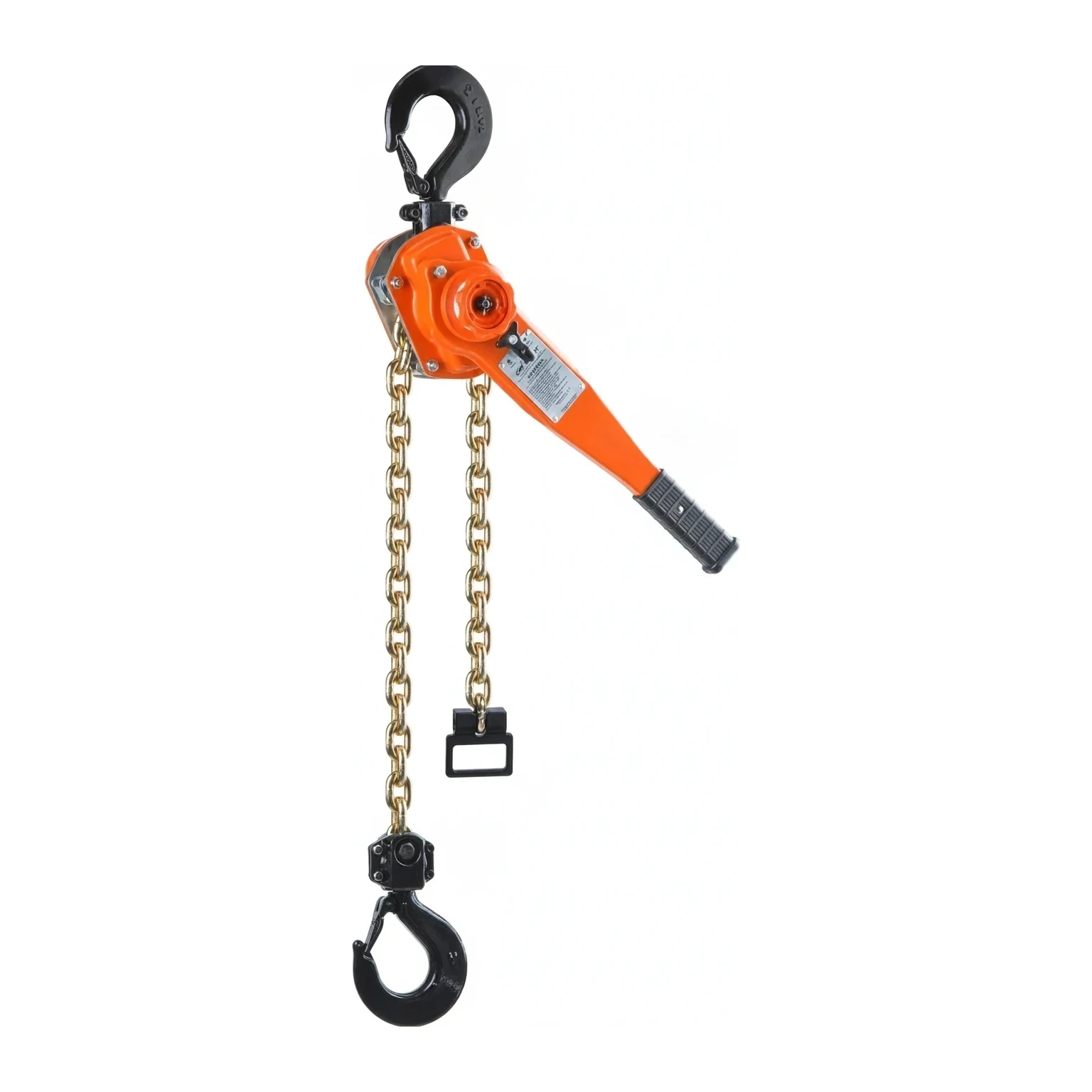
Lever Hoist (Come-Along)
12 modèles
Fonctionnement
A hand chain or motor turns a pocketed wheel through gearing that multiplies force, while a load brake holds the load at any point. Capacity, lift height (chain length), and headroom define each unit; the supporting structure must carry the full load plus dynamic allowance.
Types et variantes
- Chain Hoist
- Manual or powered hoist that lifts loads vertically on a chain.
Comment choisir
Capacity and duty set the type: manual hoists cover rigging, equipment setting, and maintenance lifts; electric units take over when lifts repeat all day. Lift height must match chain length, and the anchorage — beam, trolley, or gantry — needs verified capacity before anything hangs from it.
Normes et certifications
- ASME · B30.16
- Design, inspection, and operation of overhead underhung hoists.
Questions fréquentes
What is a chain hoist used for?
Setting equipment, tensioning and positioning steel, pulling shafts and motors during maintenance, and any controlled vertical lift where a crane is unavailable or oversized.
How is hoist capacity chosen?
From the heaviest load plus rigging weight, at or below the hoist's rated capacity — never upgraded by side-loading or doubling chains outside the manufacturer's instructions.
What inspection do hoists need?
A functional check before each shift — hooks, chain condition, brake hold — plus periodic documented inspections per ASME B30.16 and the manufacturer's schedule.