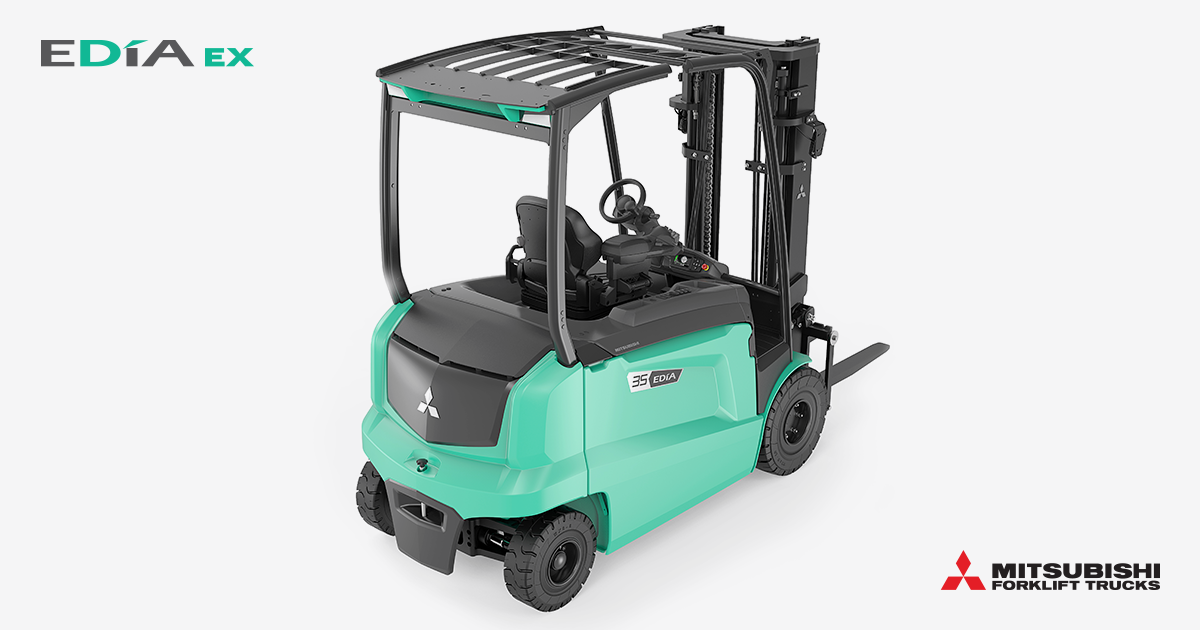
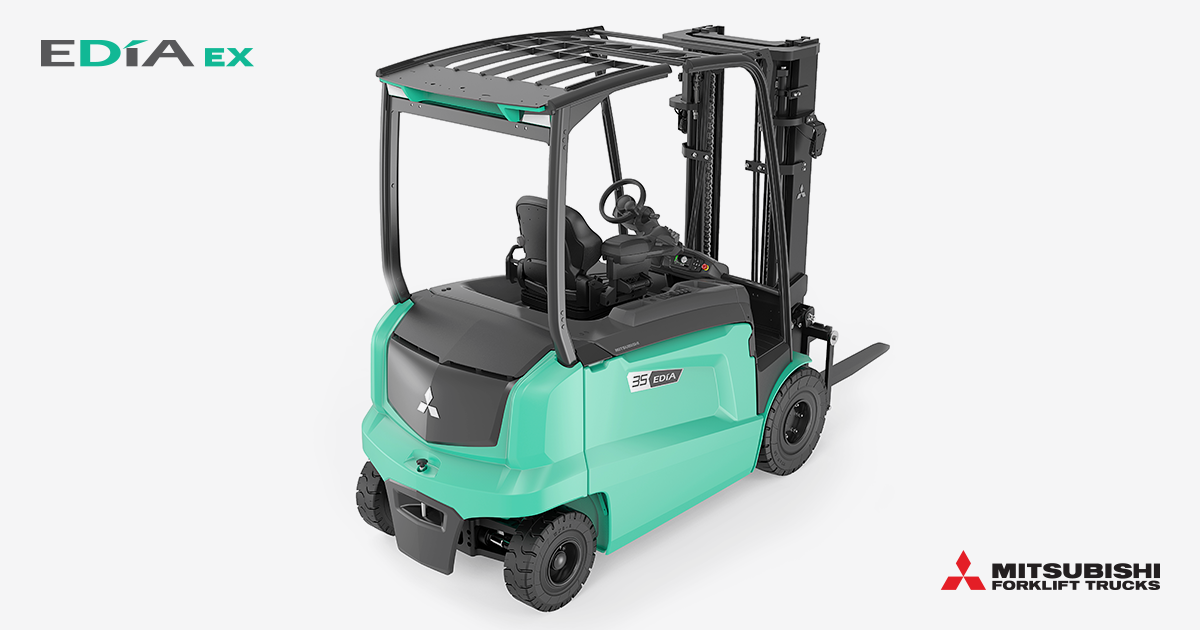
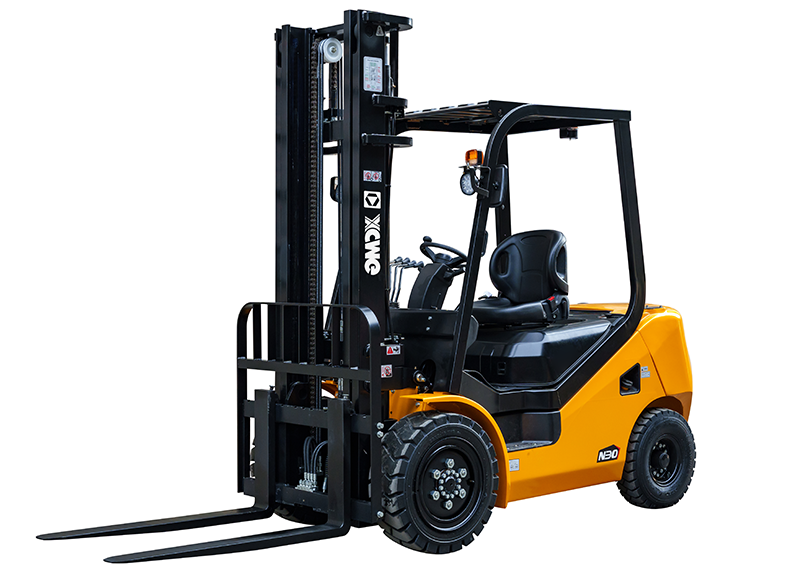
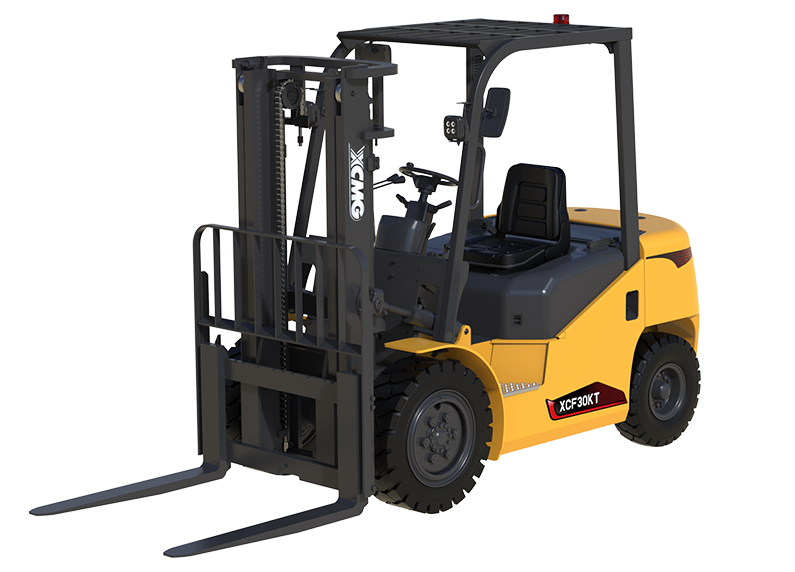
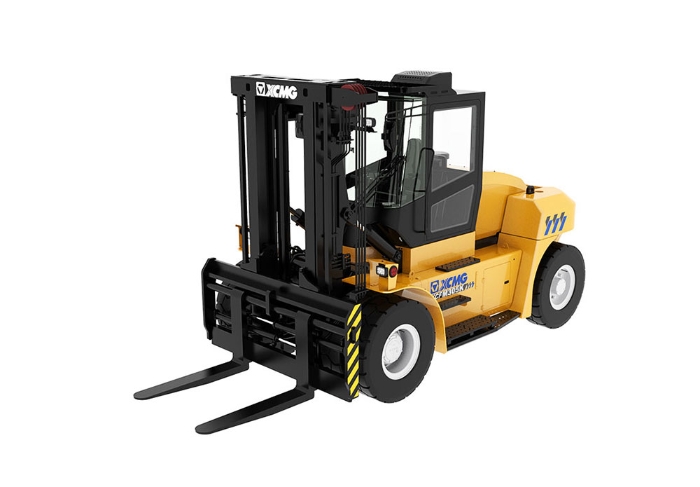
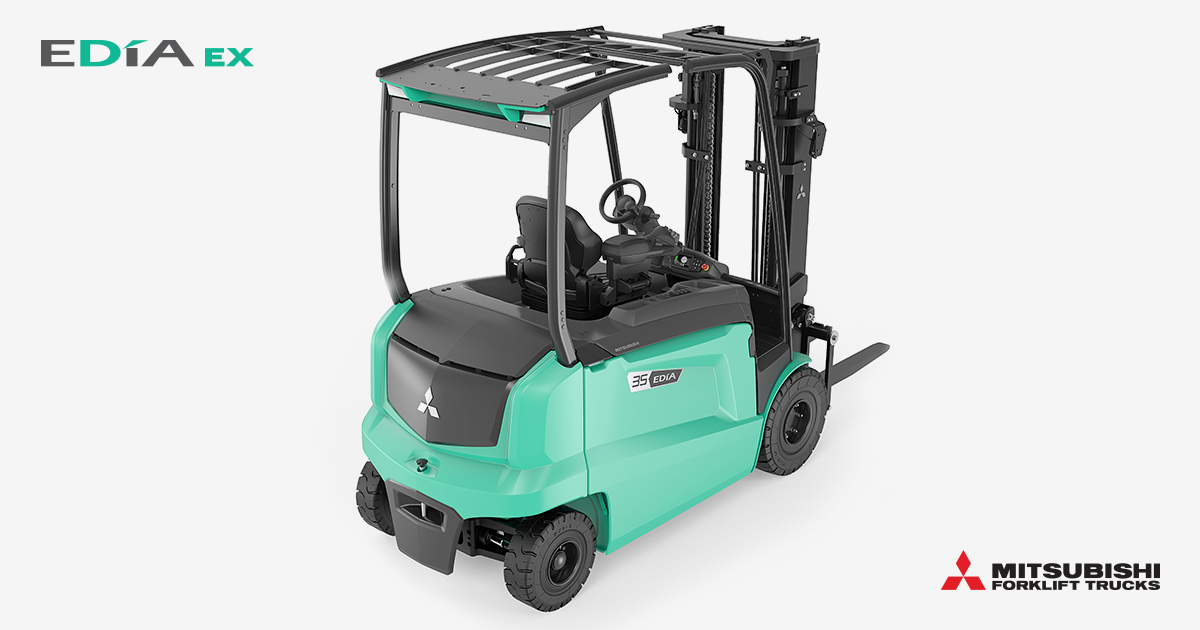
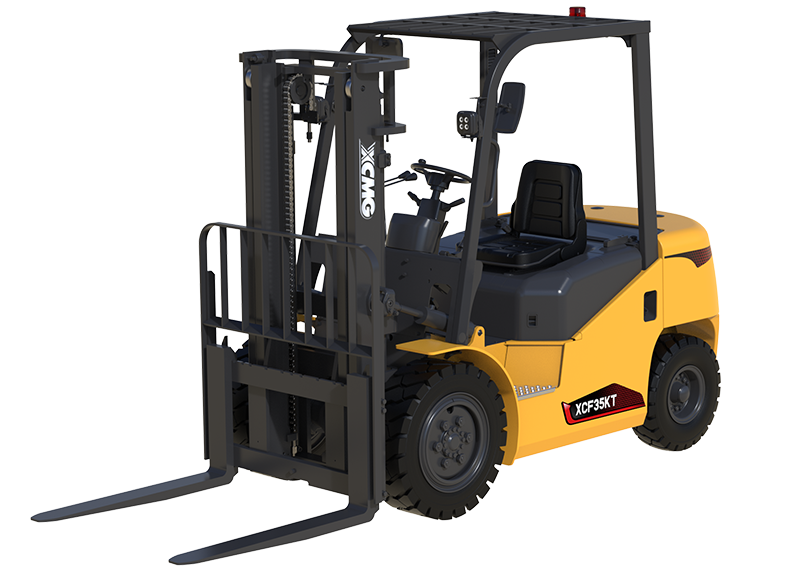
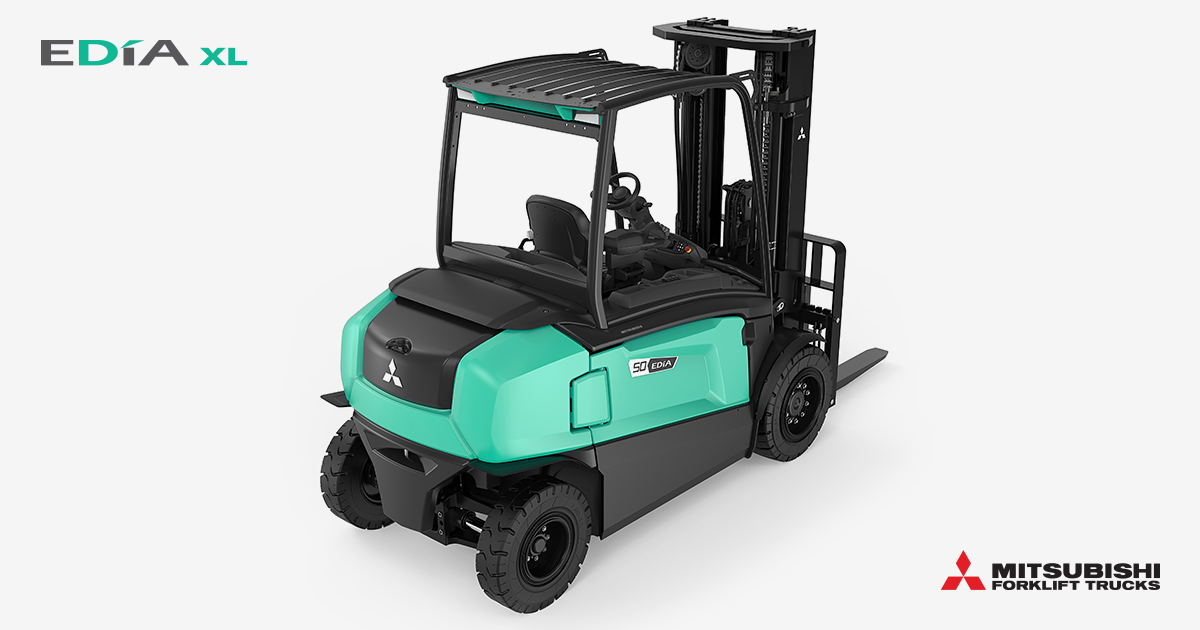
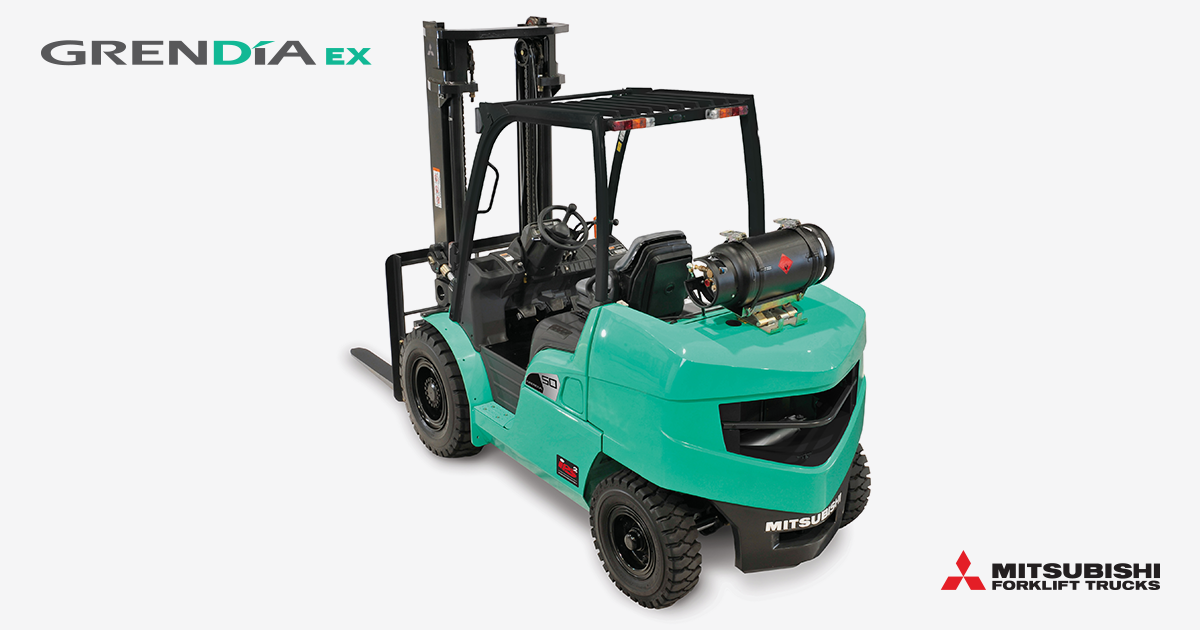
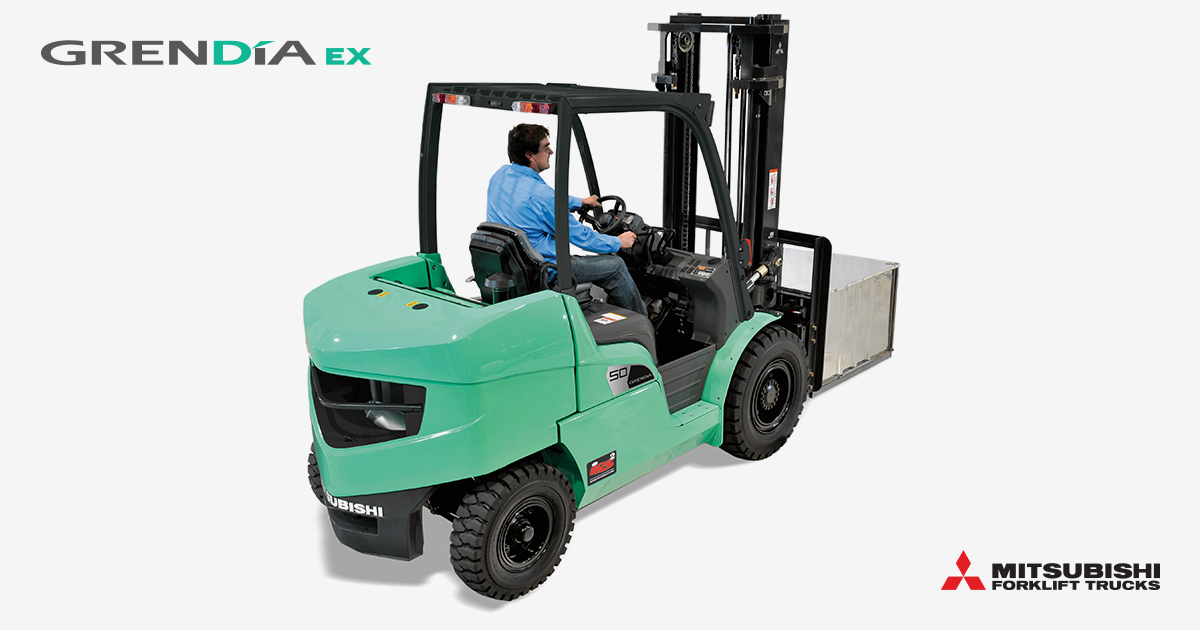
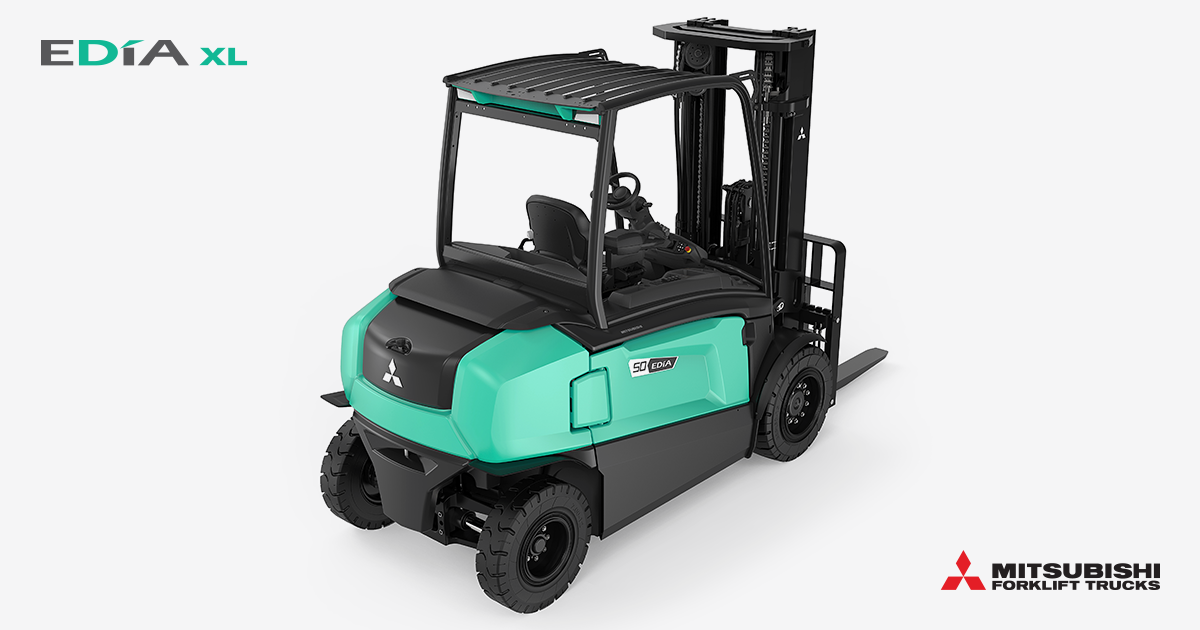
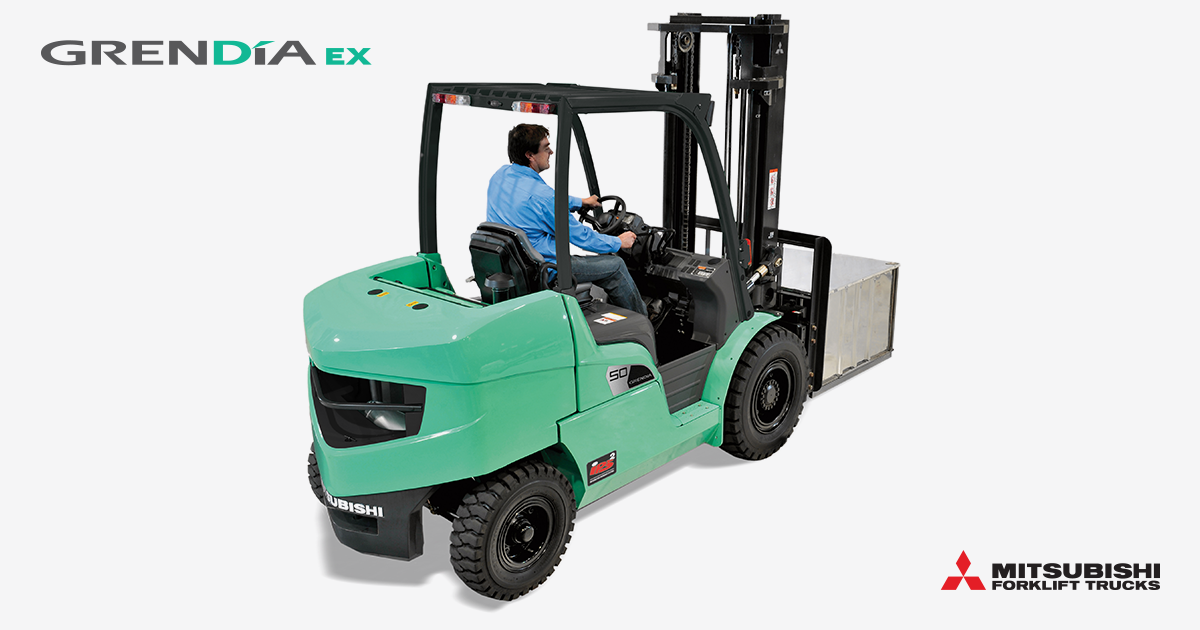
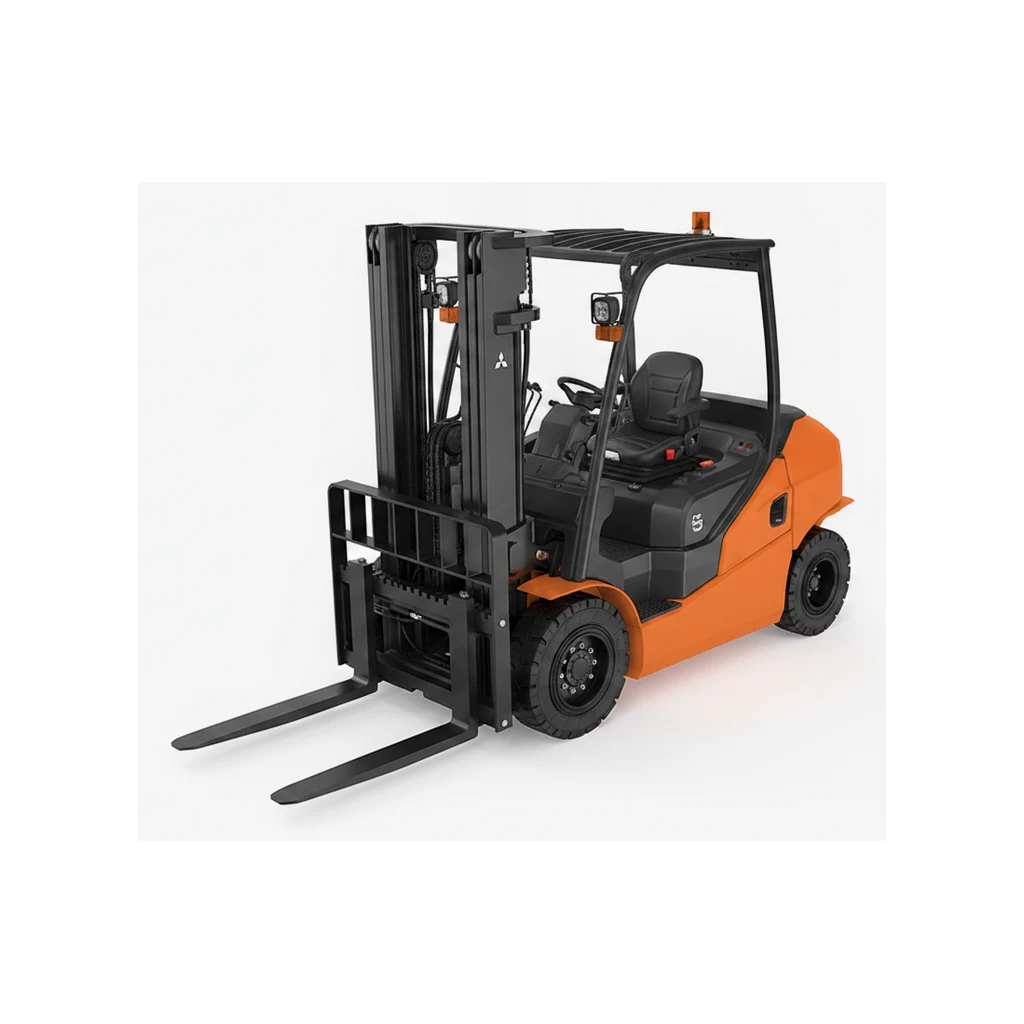
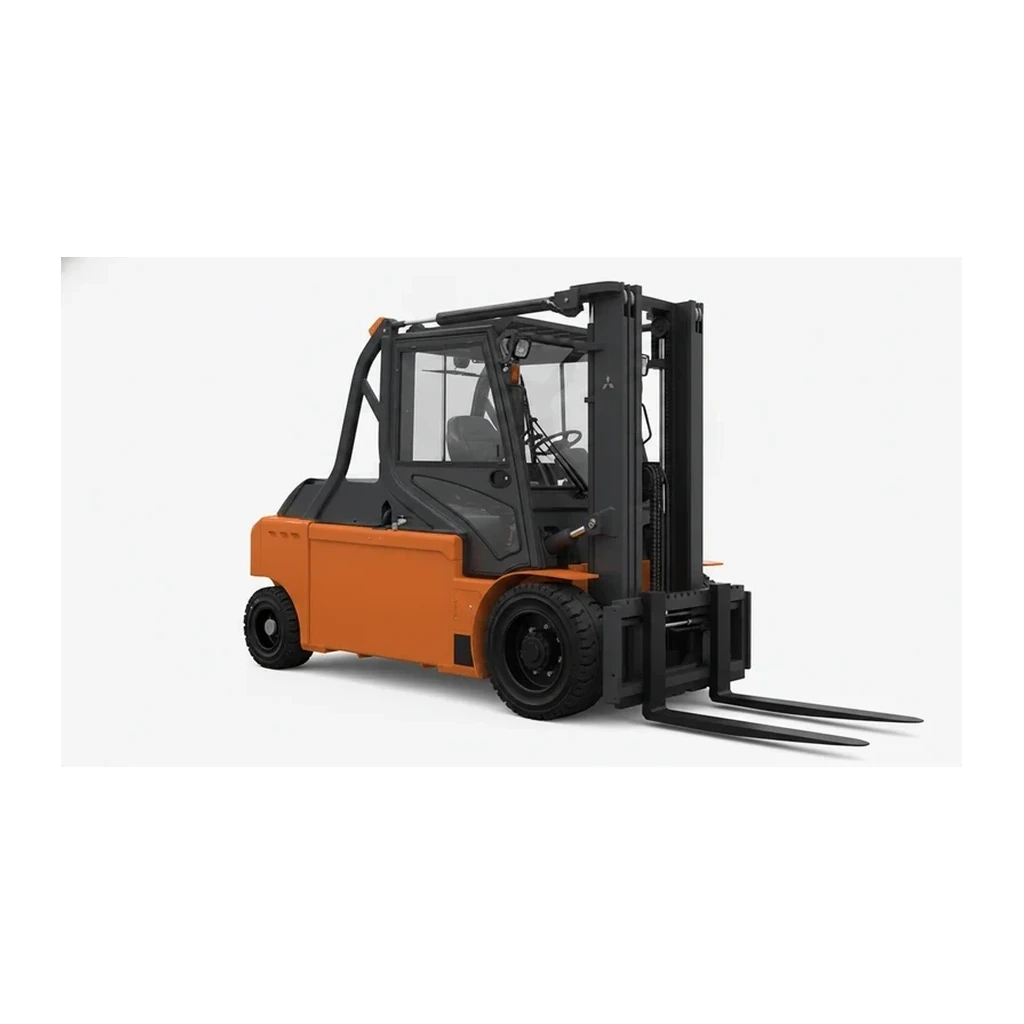
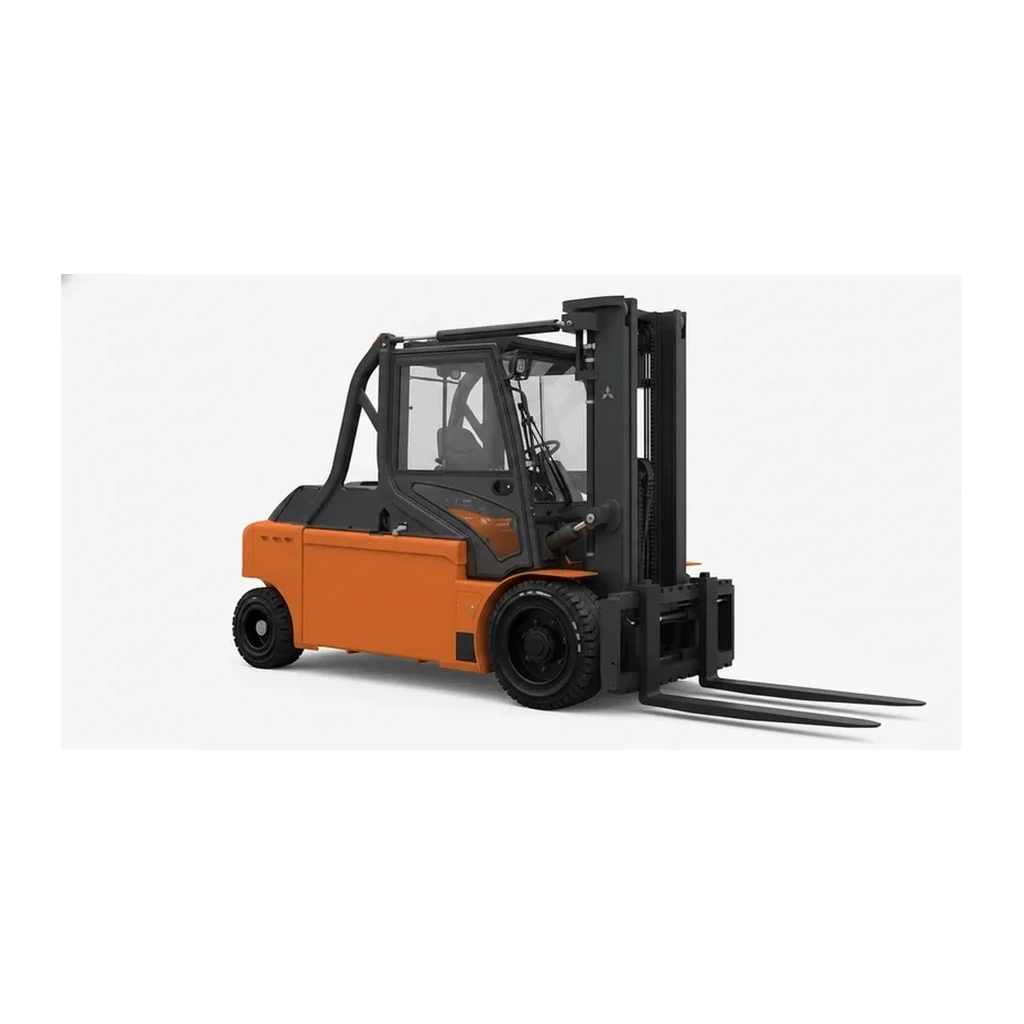
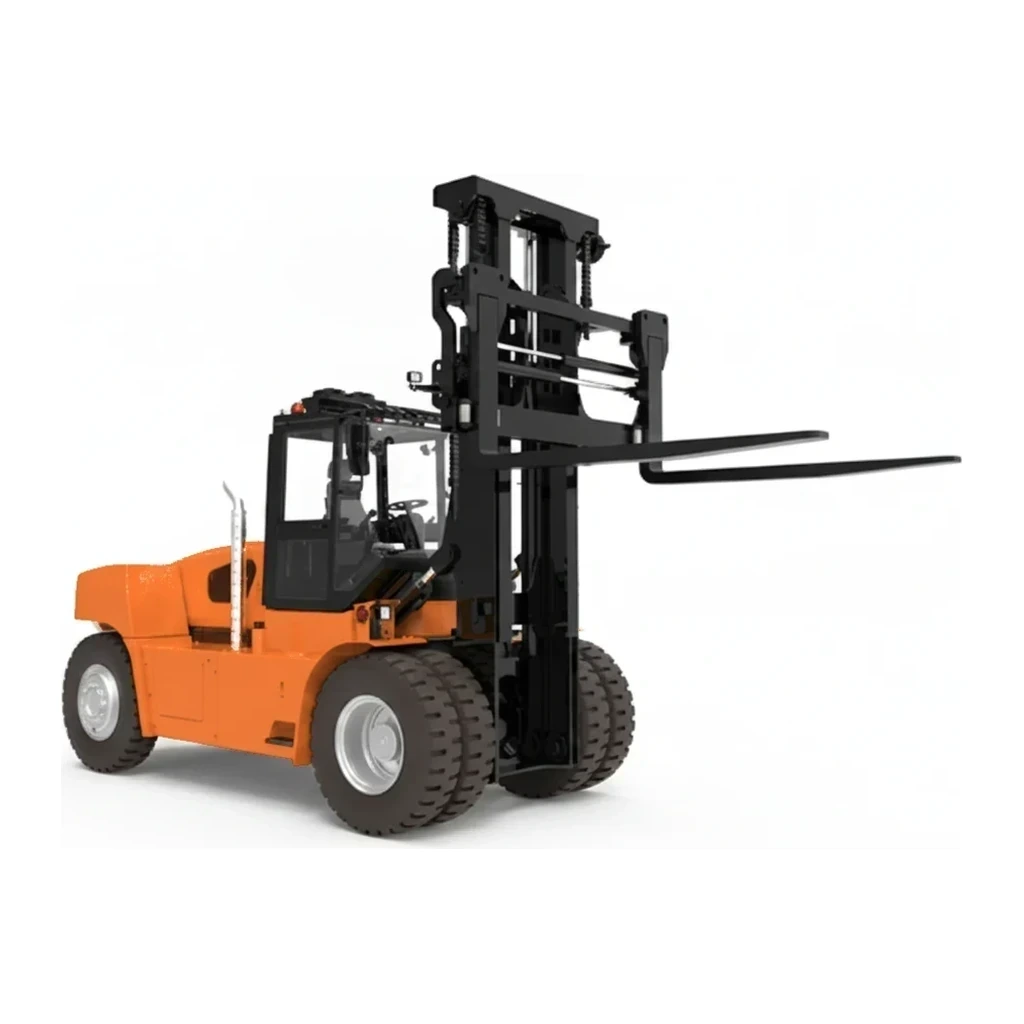
6,000-10,000 lb Pneumatic Tire Forklift
The 6,000-10,000 lb pneumatic tire forklift is the standard outdoor yard truck for construction suppliers, lumber yards, and contractor staging areas. With load capacities spanning roughly 2,700-4,500 kg (6,000-10,000 lb) and lift heights from 9.8 to 24.6 ft, this class handles the everyday work of unloading flatbed deliveries and moving palletized material across unpaved or gravel surfaces. It sits in the middle of the pneumatic forklift ladder, bridging light-duty material handling and heavy industrial lifting.
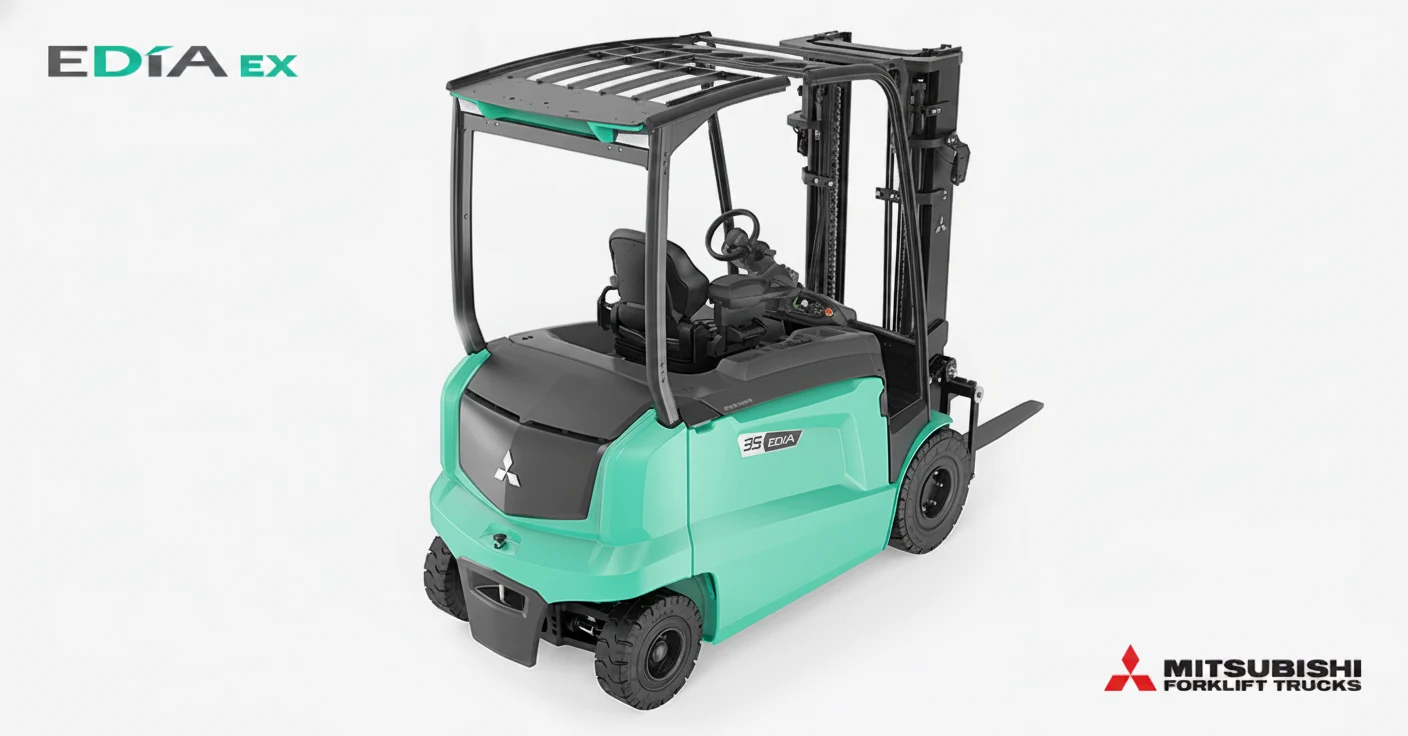
Cat classes
Choisissez une classe de taille : la capacité et la portée varient selon la gamme.
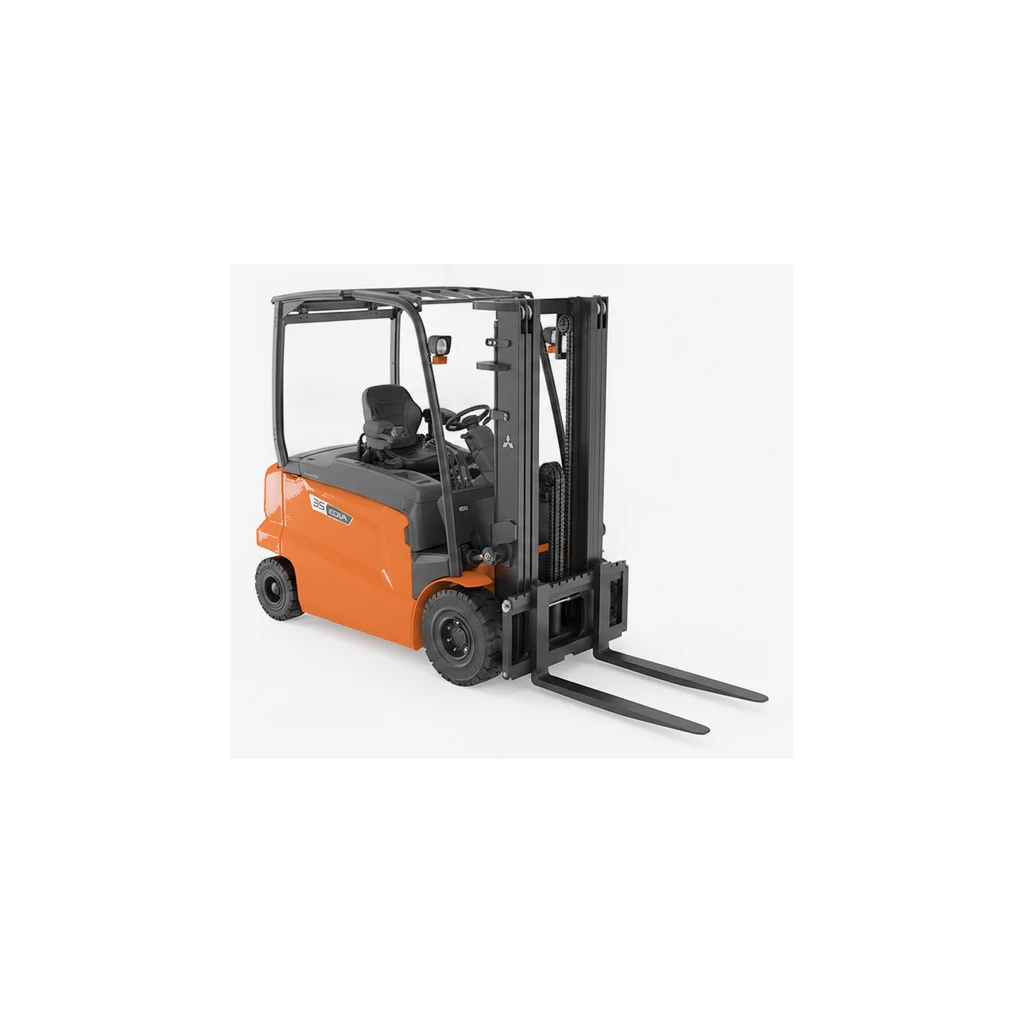
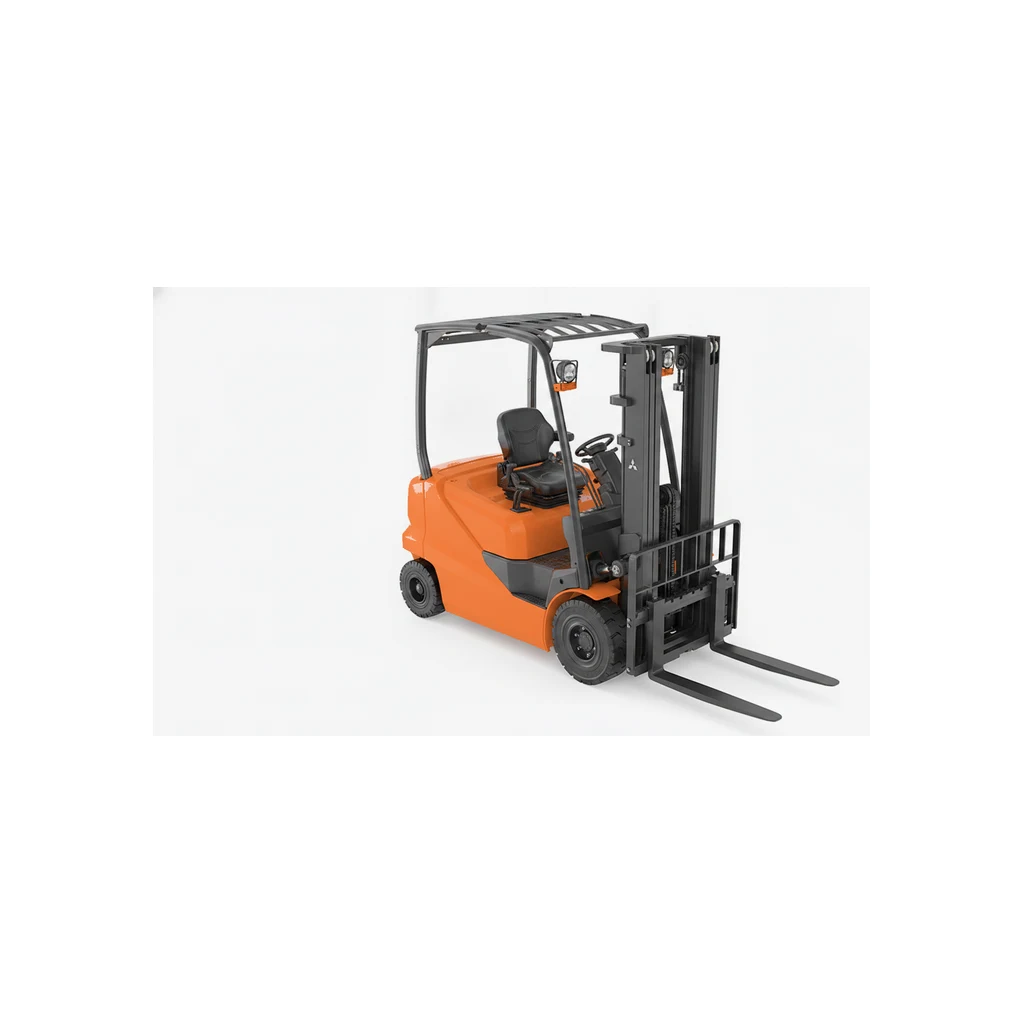
Spécifications clés
| Spécification | Plage typique | Signification |
|---|---|---|
| Load capacity | 2,700-4,500 kg (6,000-10,000 lb) | Sufficient for most palletized lumber, masonry units, and bagged goods common to building-supply yards. |
| Lift height | 9.8–24.6 ft (3.0–7.5 m) | Standard masts clear flatbed height; extended masts serve stacking and second-tier block storage. |
| Tire type | Pneumatic rubber | Air-filled tires provide traction and cushioning on gravel, dirt, and uneven outdoor surfaces. |
| Power | Diesel, propane, or gasoline | Internal combustion engines dominate this size class for all-day outdoor use without recharging. |
Comment choisir
This size class is appropriate when regularly handling full pallets of block, bundled lumber, or roofing material delivered by flatbed, and when operating outdoors on unpaved or rough surfaces. Machines in the 6,000-10,000 lb band manage most building-material loads without the bulk or fuel consumption of heavier models. Step down to the Up to 6,000 lb Pneumatic Tire Forklift for lighter, warehouse-adjacent work or smaller lots with compact staging areas. Step up to the 10,000-15,000 lb Pneumatic Tire Forklift when frequently handling reinforcing-steel bundles, precast panels, or full cubes of block that push or exceed 10,000 lb, or when lift heights above 25 ft are required for high stacking.
Ce que cette taille peut gérer
- Unloading palletized concrete block, brick, or pavers from flatbed trailers at masonry-supply yards
- Moving bundled dimensional lumber and engineered wood products in outdoor lumberyards
- Staging roofing shingles, bagged cement, and aggregates at contractor yards with gravel surfaces
- Loading landscape stone, retaining-wall units, and bulk hardscape materials onto customer trucks
- Handling steel rebar bundles and light structural shapes at fabrication or distribution facilities
- Repositioning pipe, tubing, and plumbing supplies in outdoor industrial storage areas
Sécurité et opération
- Operators must be trained and evaluated per OSHA 1910.178 or equivalent jurisdiction; pneumatic forklifts fall under powered industrial-truck regulations.
- Load charts affixed to the mast specify maximum capacity at given lift heights and load centers; exceeding these invites tip-over.
- Pneumatic tires require regular pressure checks; under-inflation reduces stability and accelerates tread wear on uneven ground.
- Rough terrain and outdoor slopes demand reduced travel speed, especially with elevated loads, to maintain the center of gravity within the stability triangle.
Transport et logistique
- Typical shipping weight and wheelbase require a tandem-axle equipment trailer or flatbed truck; single-axle trailers may be underrated.
- Road transport involves tilt-bed or ramp loading, often with the mast tilted forward and forks lowered to reduce height.
- Towing requires a heavy-duty pickup or larger tow vehicle; verify combined trailer and machine weight against tow rating and local DOT limits.
Alimentation
- Diesel engines are common for continuous outdoor operation, offering high torque and long fuel intervals between refills.
- Propane (LPG) models reduce exhaust particulates and are often preferred where ventilation or emissions are a concern, even outdoors.
- Gasoline engines appear in some models, trading fuel economy for lower upfront cost; all three fuels eliminate the downtime of battery charging.
Questions fréquentes
What distinguishes a pneumatic tire forklift from a cushion-tire model in this capacity range?
Can a 6,000-10,000 lb forklift handle a full cube of concrete block?
What mast configuration is typical for yard work in this size range?
Comparer les modèles populaires
Chercher par spécification →Normalisé aux mêmes unités. Un tiret signifie que la valeur n'a pas été publiée.
| Modèle | Capacité de charge | Hauteur de levage | Puissance moteur |
|---|---|---|---|
| Jungheinrich EFG 535-S50 | 11,023 lb (5,000 kg) | 24.6 ft (7.5 m) | - |
| Mitsubishi FD30P3 | 6,614 lb (3,000 kg) | 10.8 ft (3.3 m) | - |
| Mitsubishi FD35P3 | 7,716 lb (3,500 kg) | 10.8 ft (3.3 m) | - |
| Mitsubishi FG30P | 6,614 lb (3,000 kg) | 10.8 ft (3.3 m) | - |
| Mitsubishi FG35P | 7,716 lb (3,500 kg) | 10.8 ft (3.3 m) | - |
| Mitsubishi FD40N3 | 8,818 lb (4,000 kg) | 10.8 ft (3.3 m) | - |
Équipements connexes
Parcourir par fabricant
Sources
Chaque spécification est vérifiée par rapport aux données publiées par le fabricant, avec la source liée pour référence.
6,000-10,000 lb Pneumatic Tire Forklift
30 modèles · Chaque spécification citée à la source