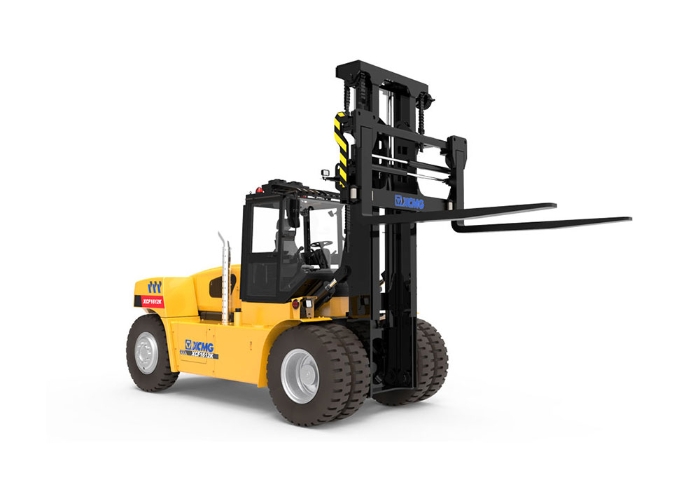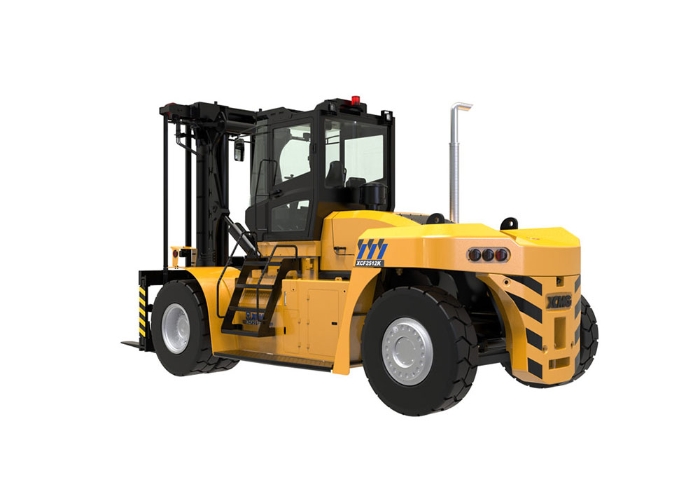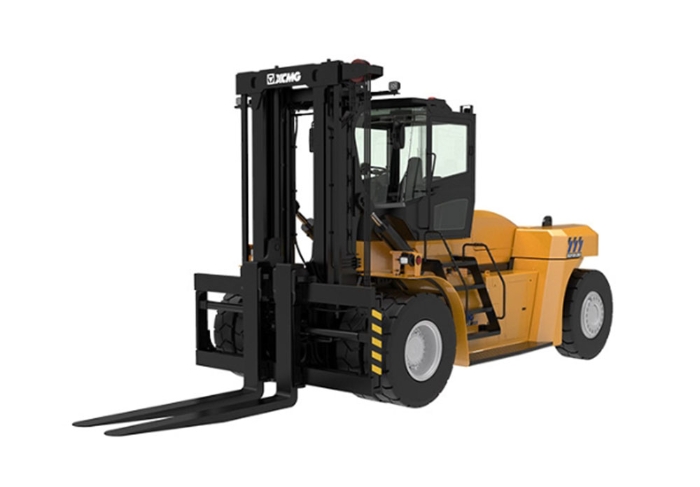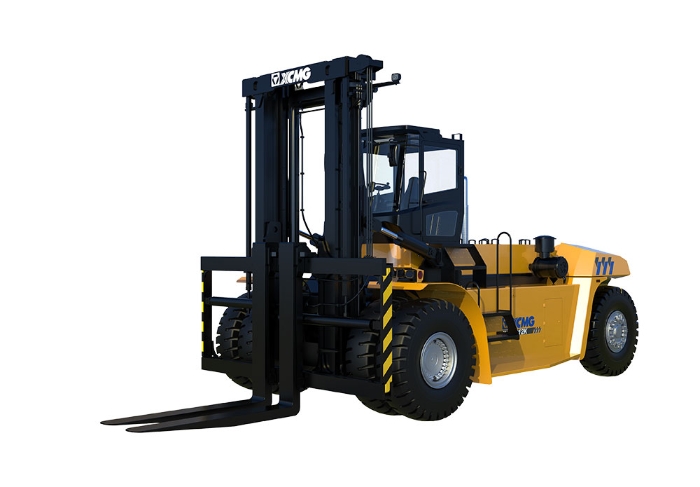

Pneumatic Tire Forklift
A pneumatic tire forklift is a counterbalanced materials handling vehicle equipped with air-filled rubber tires, designed primarily for outdoor use on unpaved or rough surfaces. These machines lift and transport palletized loads, lumber bundles, steel products, and heavy materials in yards, lumberyards, manufacturing plants, and shipping facilities. The pneumatic tire design provides traction and shock absorption on gravel, asphalt, dirt, and uneven terrain where cushion tire or electric forklifts cannot operate effectively.
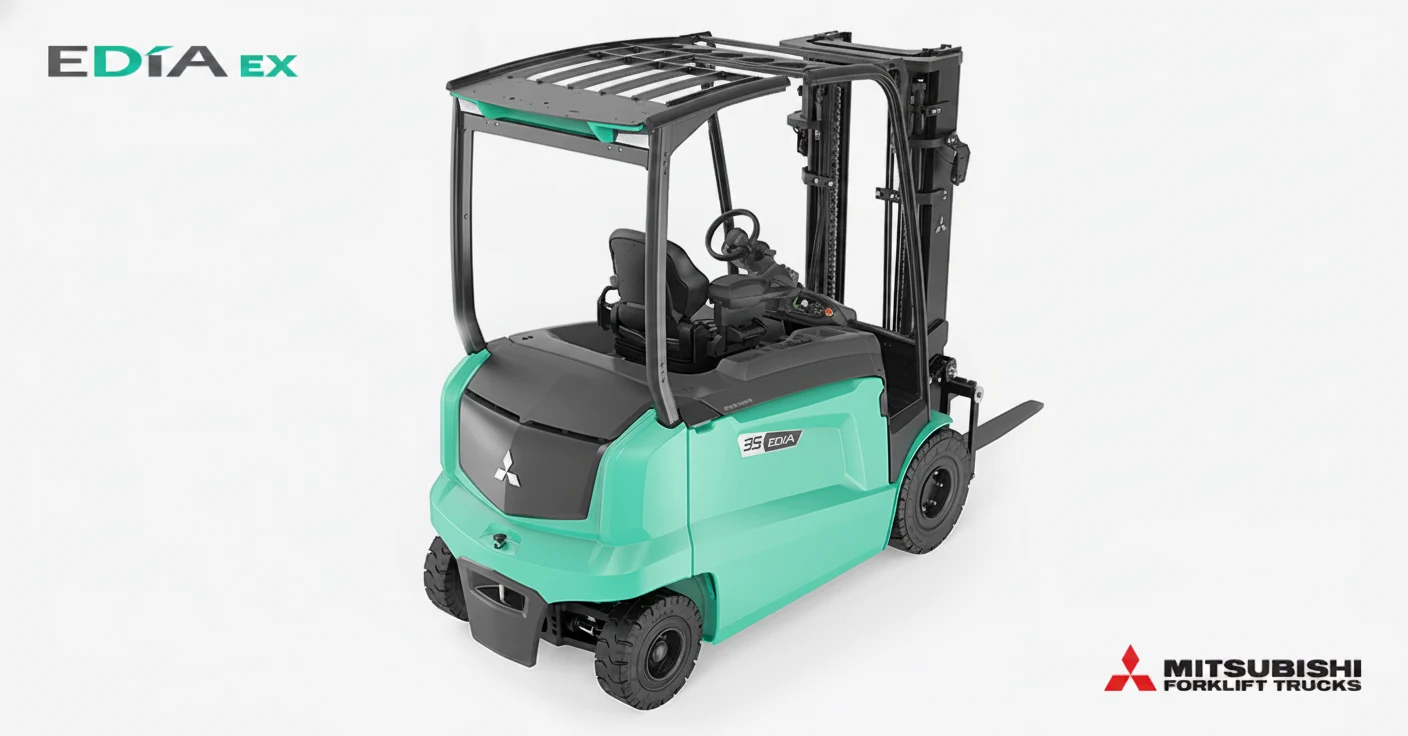
Cat classes
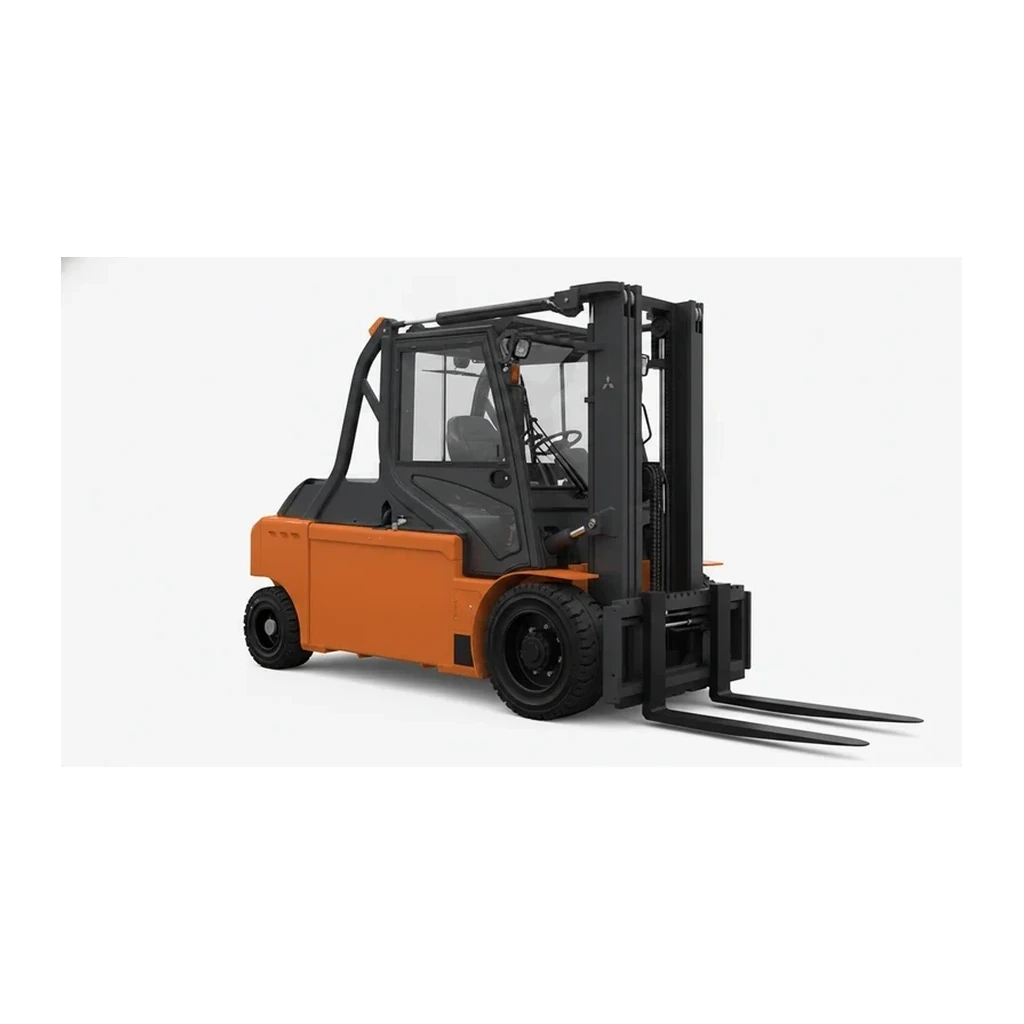
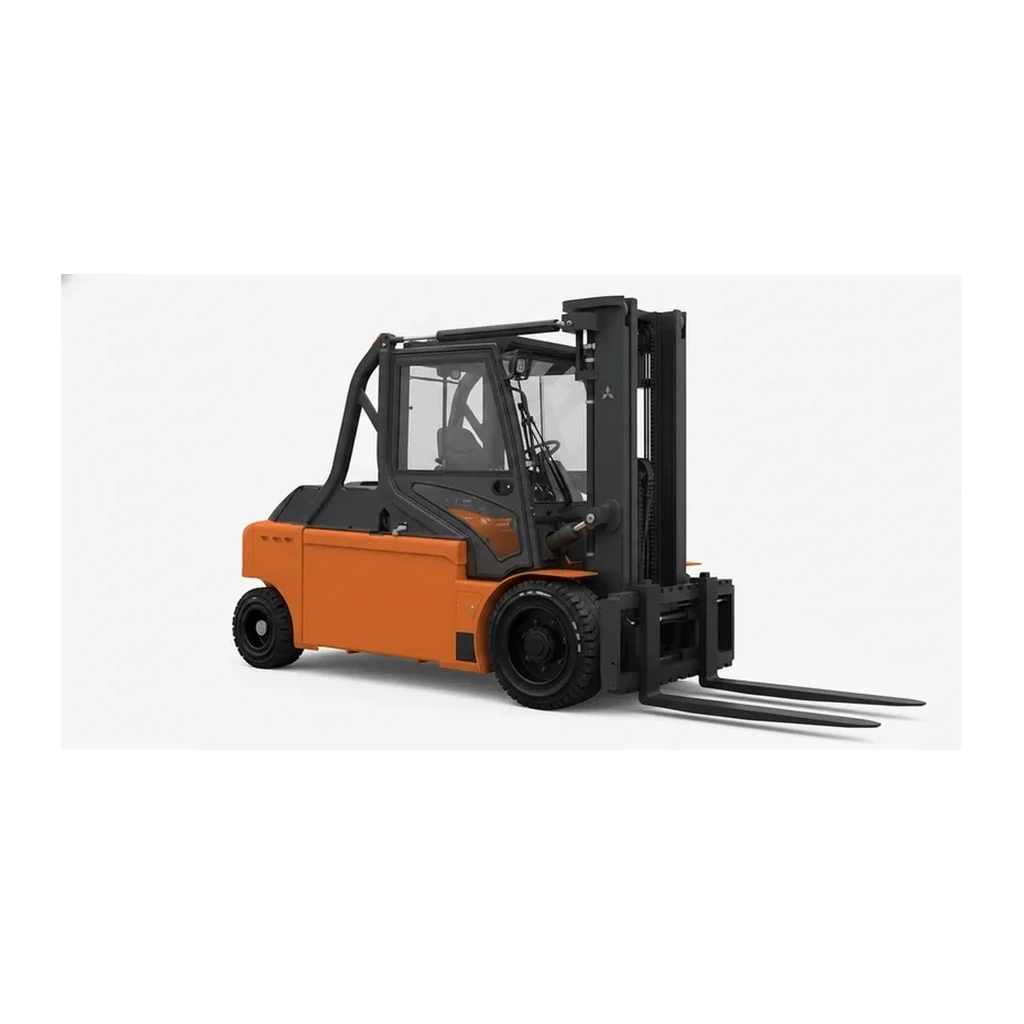
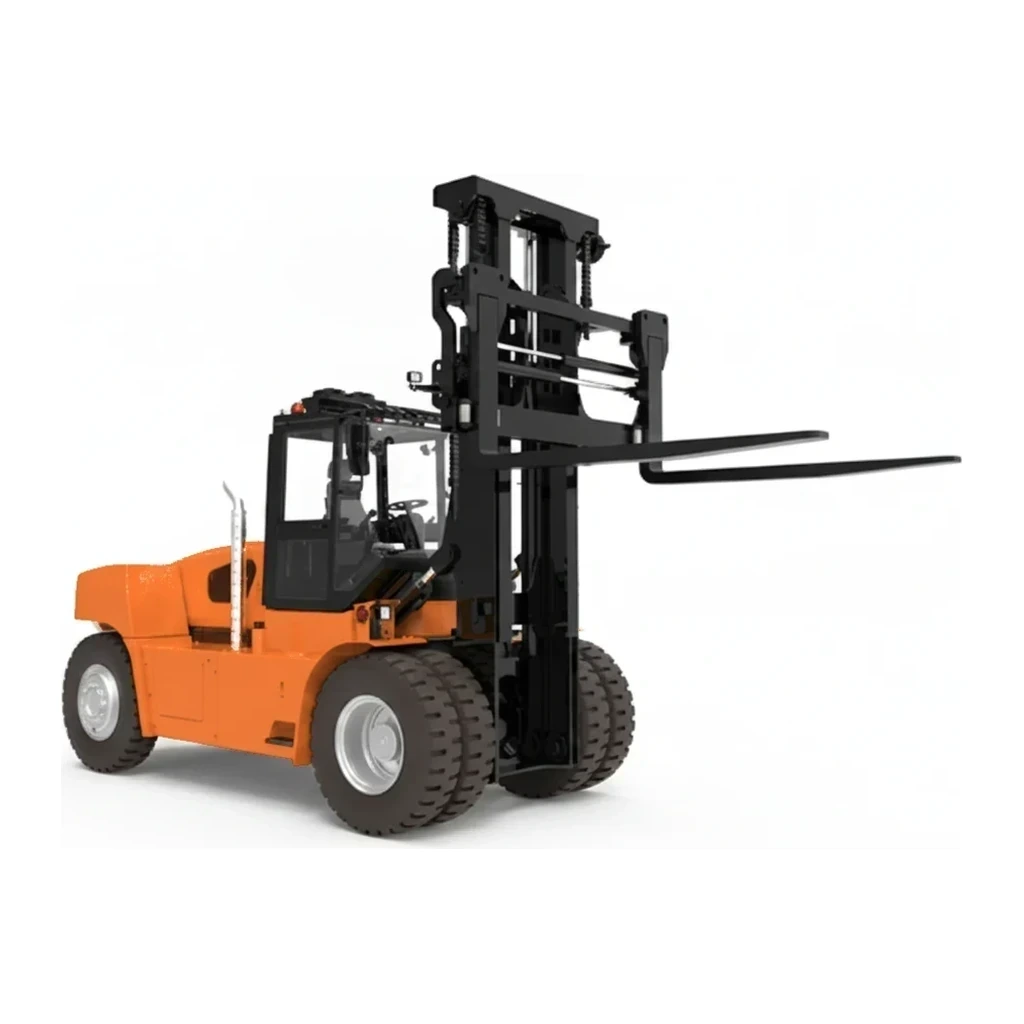
Choisissez une classe de taille — la capacité et la portée varient selon la gamme.
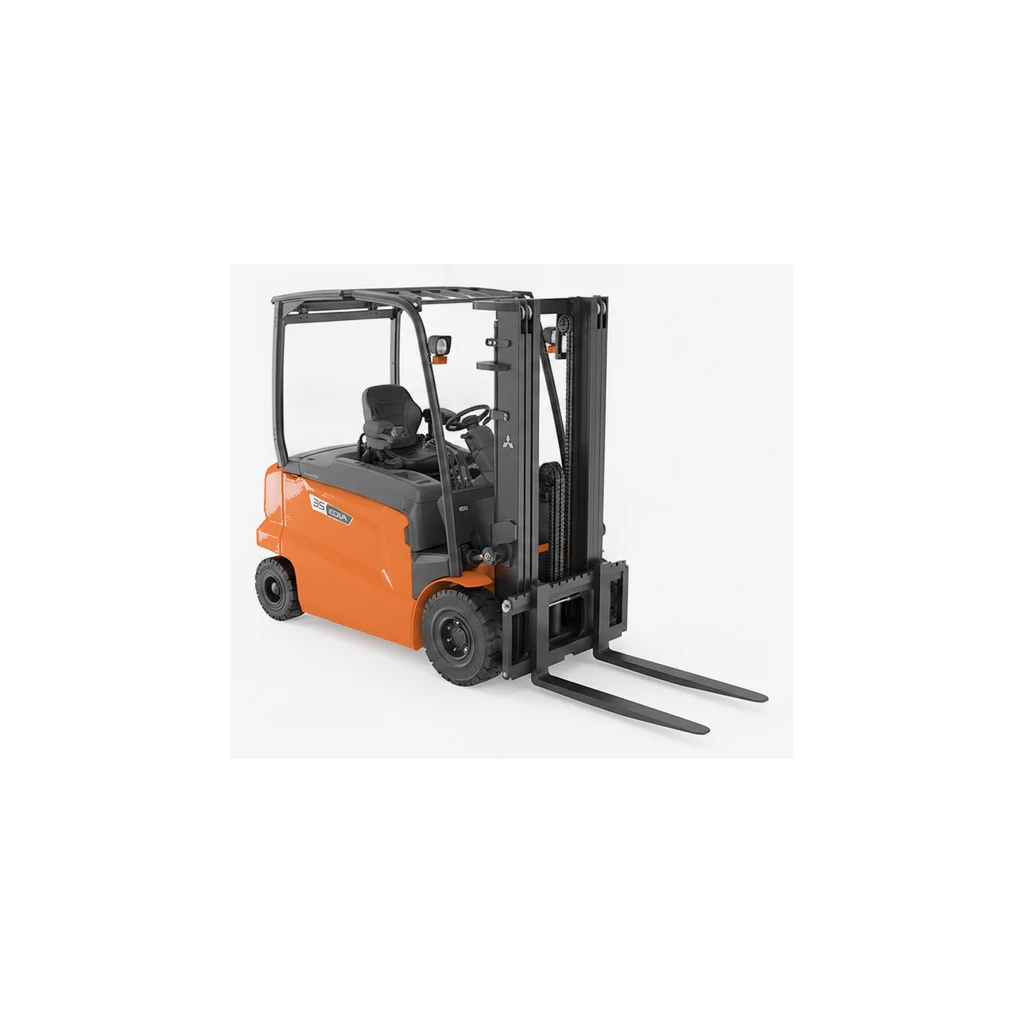
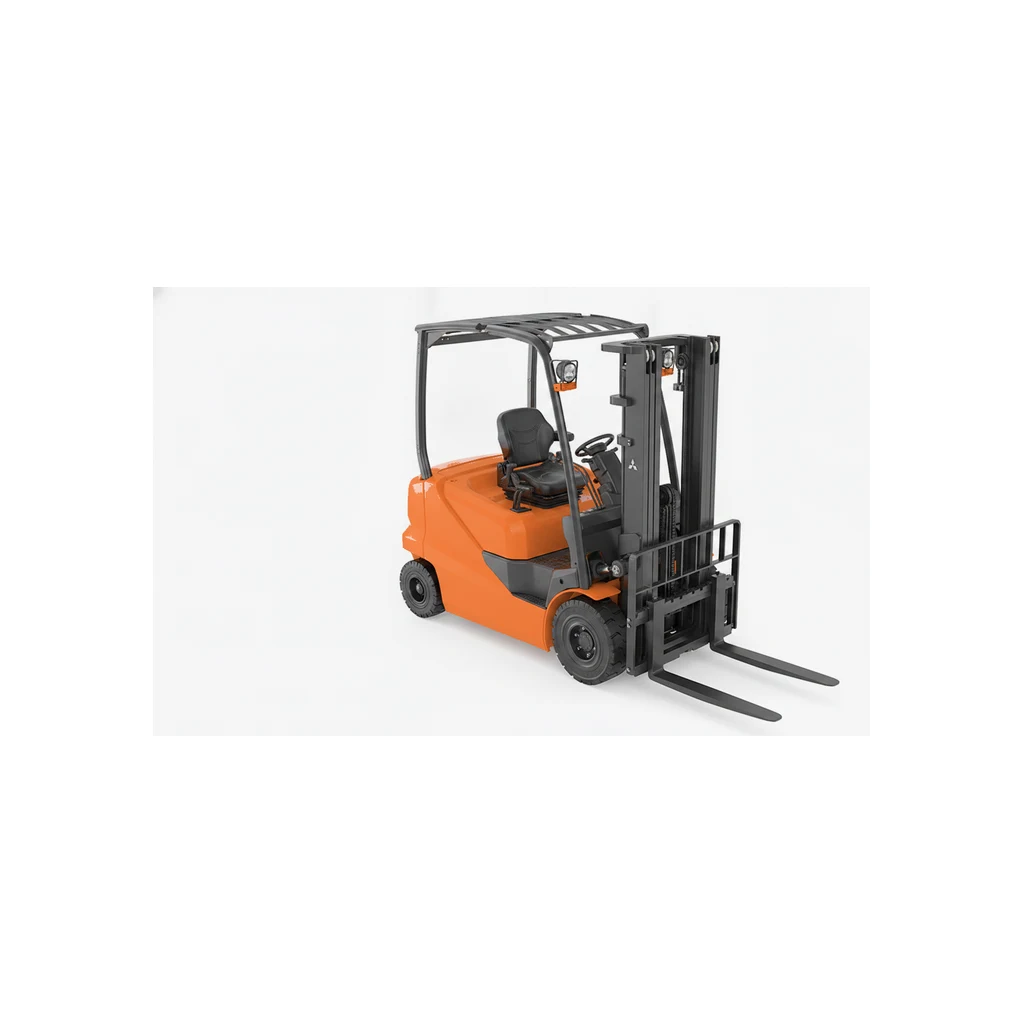
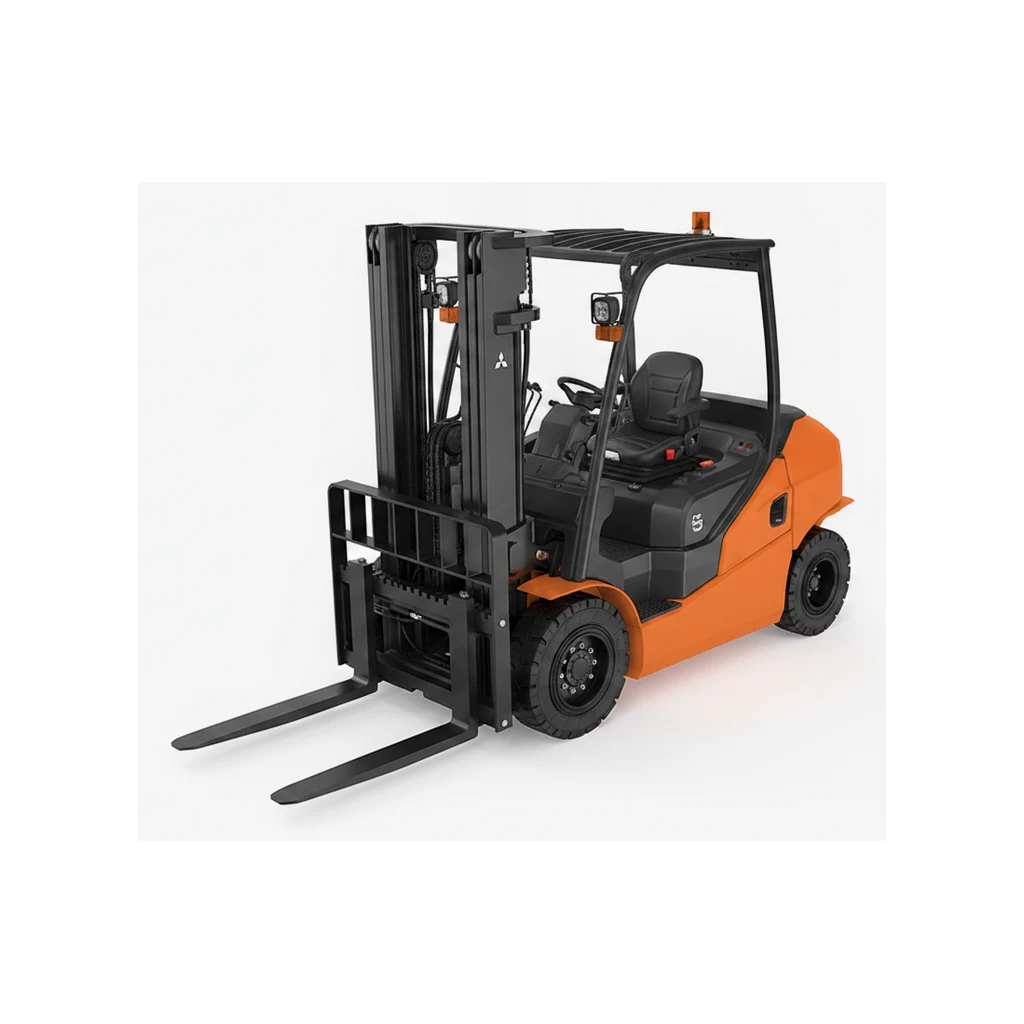
Fonctionnement
The machine operates on an internal combustion engine (diesel, propane, or gasoline) that powers a hydraulic system to raise and lower a mast-mounted fork carriage. A counterweight positioned at the rear of the vehicle balances the load on the forks, preventing the machine from tipping forward during lifting operations. The operator controls lifting, tilting, and travel functions from a protected cab or operator compartment. Pneumatic tires—either solid pneumatic or air-filled—absorb ground irregularities and provide the grip necessary for operation on outdoor surfaces. The hydraulic cylinders extend to lift loads along vertical mast rails, while side-shift and tilt cylinders allow the operator to position and stabilize loads. Engine power is transmitted through a transmission to drive axles, with steering typically accomplished through rear-wheel steering for tight maneuverability.
Types et variantes
- Standard Pneumatic Forklift
- General-purpose outdoor forklift with air-filled tires for yard work, loading docks, and material staging on improved outdoor surfaces.
- Rough Terrain Forklift
- Heavy-duty variant with reinforced frame, larger pneumatic tires, and increased ground clearance for operation on uneven ground, mud, or unprepared sites.
- High-Capacity Forklift
- Industrial machines rated above 15,000 lb for handling shipping containers, structural steel, and heavy manufacturing components in mills and fabrication yards.
- Straight-Mast Forklift
- Standard vertical lift design for general material handling with typical lift heights up to 20 feet.
- Telescopic Forklift (Telehandler)
- Boom-equipped variant with extendable reach for elevated placement, often classified separately but sharing pneumatic tire forklift characteristics.
Spécifications clés
| Spécification | Plage typique | Signification |
|---|---|---|
| Load Capacity | 800–47,990 kg (1,750–105,800 lb) | The maximum weight the forklift can safely lift at a specified load center, typically 24 inches from the fork face. |
| Lift Height | 7–25 ft (2.1–7.6 m) | The maximum vertical reach of the forks when the mast is fully extended, determining stacking and loading capabilities. |
| Engine Power | 130–800 hp | The horsepower output of the internal combustion engine, scaling with machine size and load capacity for hydraulic and drive functions. |
| Tire Type | Air-filled or solid pneumatic | Pneumatic tires provide cushioning and traction; solid pneumatic eliminates puncture risk while maintaining outdoor capability. |
| Fuel Type | Diesel, propane (LPG), or gasoline | The engine fuel source, with diesel dominating high-capacity and industrial applications due to torque and fuel efficiency. |
Comment l'industrie le dimensionne
The industry and manufacturing industries size pneumatic tire forklifts by load capacity expressed in pounds. Common capacity classes include under 6,000 lb for light yard work, 6,000–10,000 lb for standard lumberyard and loading dock tasks, 10,000–15,000 lb for heavy palletized loads and steel handling, 15,000–25,000 lb for plant operations and machinery movement, 25,000–36,000 lb for mill-duty container and structural work, and above 36,000 lb for the heaviest container handling and industrial applications. This sizing system allows operators to match machine capacity to load requirements, accounting for load center distance and application demands.
Applications
- Lumberyard and building material distribution: handling lumber packs, plywood bundles, and block cubes on gravel yards
- Steel service centers and metal fabrication: moving structural steel, pipe racks, coiled products, and plate bundles
- Manufacturing plants and industrial facilities: outdoor material staging, heavy component movement, and production line support
- Shipping and freight terminals: loading and unloading flatbed trucks, handling crated goods and palletized freight
- Container yards and intermodal facilities: positioning loaded shipping containers and heavy cargo units
- Construction material yards: block, stone, and aggregate handling on unpaved surfaces
Sécurité et opération
- Operator certification required under OSHA standards; pneumatic tire forklift operation requires specific training separate from warehouse forklift certification
- Load capacity and load center calculations must account for mast tilt, lift height, and terrain slope to prevent tip-over incidents
- Visibility is reduced when traveling with elevated loads; travel with forks lowered and tilted back when not actively placing loads
- Pneumatic tire inflation must be maintained within manufacturer specifications; under-inflation reduces stability while over-inflation compromises traction
- Ground conditions affect machine stability; soft soil, steep grades, and lateral slopes increase tip-over risk and may exceed safe operating parameters
Normes et certifications
- OSHA · 29 CFR 1910.178
- Establishes powered industrial truck safety requirements including operator training, inspection, and operational protocols for forklifts.
- ANSI/ITSDF · B56.1
- Provides design, maintenance, and operation standards for low and high lift trucks including pneumatic tire forklifts.
- EPA · Tier 4 emissions
- Regulates diesel engine emissions for off-road equipment; modern pneumatic forklifts comply with current tier standards.
- ASME · B56.1
- Safety standard for low lift and high lift trucks covering stability, capacity ratings, and design requirements for counterbalanced forklifts.
Questions fréquentes
What distinguishes a pneumatic tire forklift from a cushion tire forklift?
How is load capacity affected by lift height and load center?
Can pneumatic tire forklifts operate indoors?
What capacity forklift is needed for unloading lumber from a truck?
Comparer les modèles populaires
Chercher par spécification →Normalisé aux mêmes unités. Un tiret signifie que la valeur n'a pas été publiée.
| Modèle | Capacité de charge | Hauteur de levage | Puissance moteur |
|---|---|---|---|
| Crown M 3200 | 2,000 lb (907 kg) | 12 ft (3.7 m) | - |
| EP Equipment CPCD50T9 | 11,023 lb (5,000 kg) | 9.8 ft (3.0 m) | - |
| Jungheinrich EFG 535-S50 | 9,370 lb (4,250 kg) | 24.6 ft (7.5 m) | - |
| Jungheinrich EFG BA 113/115 | 2,866 lb (1,300 kg) | 21.3 ft (6.5 m) | - |
| Komatsu FG25ST-16 | 5,249 lb (2,381 kg) | 7.1 ft (2.2 m) | - |
| Komatsu FH135-1 | 29,762 lb (13,500 kg) | 13.1 ft (4.0 m) | - |
Équipements connexes
Parcourir par fabricant
Sources
Chaque spécification est vérifiée par rapport aux données publiées par le fabricant, avec la source liée pour référence.
Tous les modèles
273 modèles · Page 6 sur 6 · Chaque spécification citée à la source