

Mowers
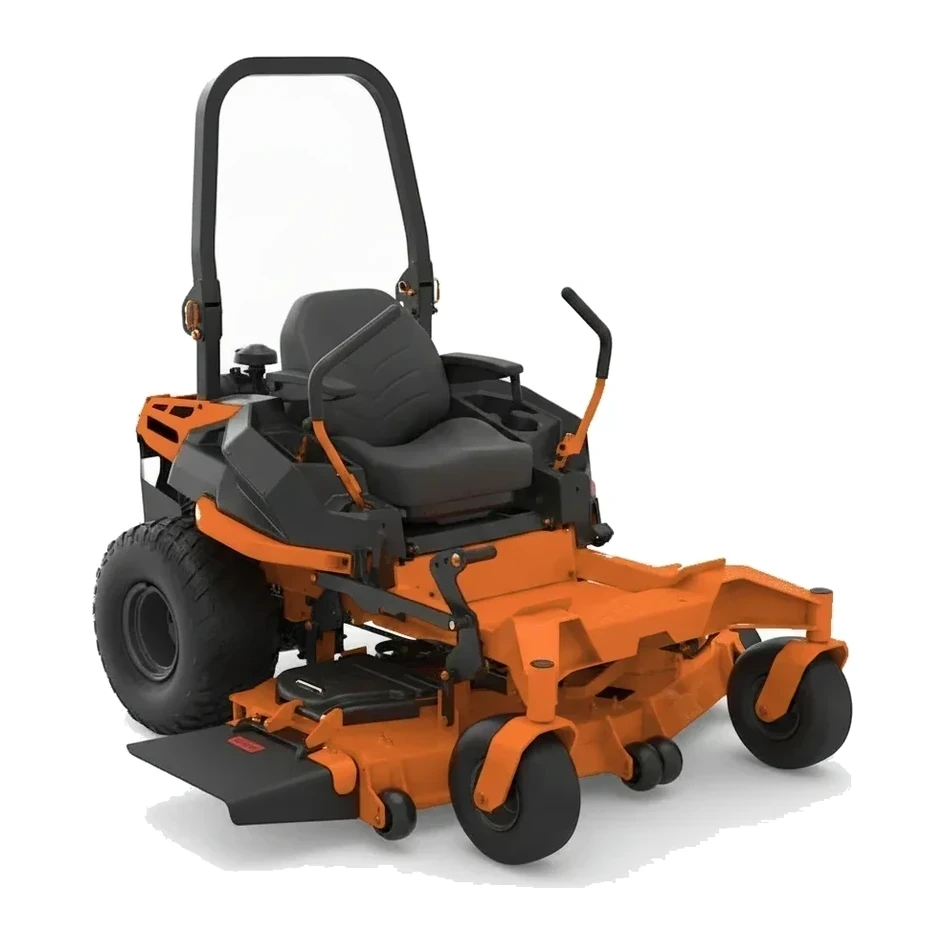
Zero-Turn Mower
90 modèles
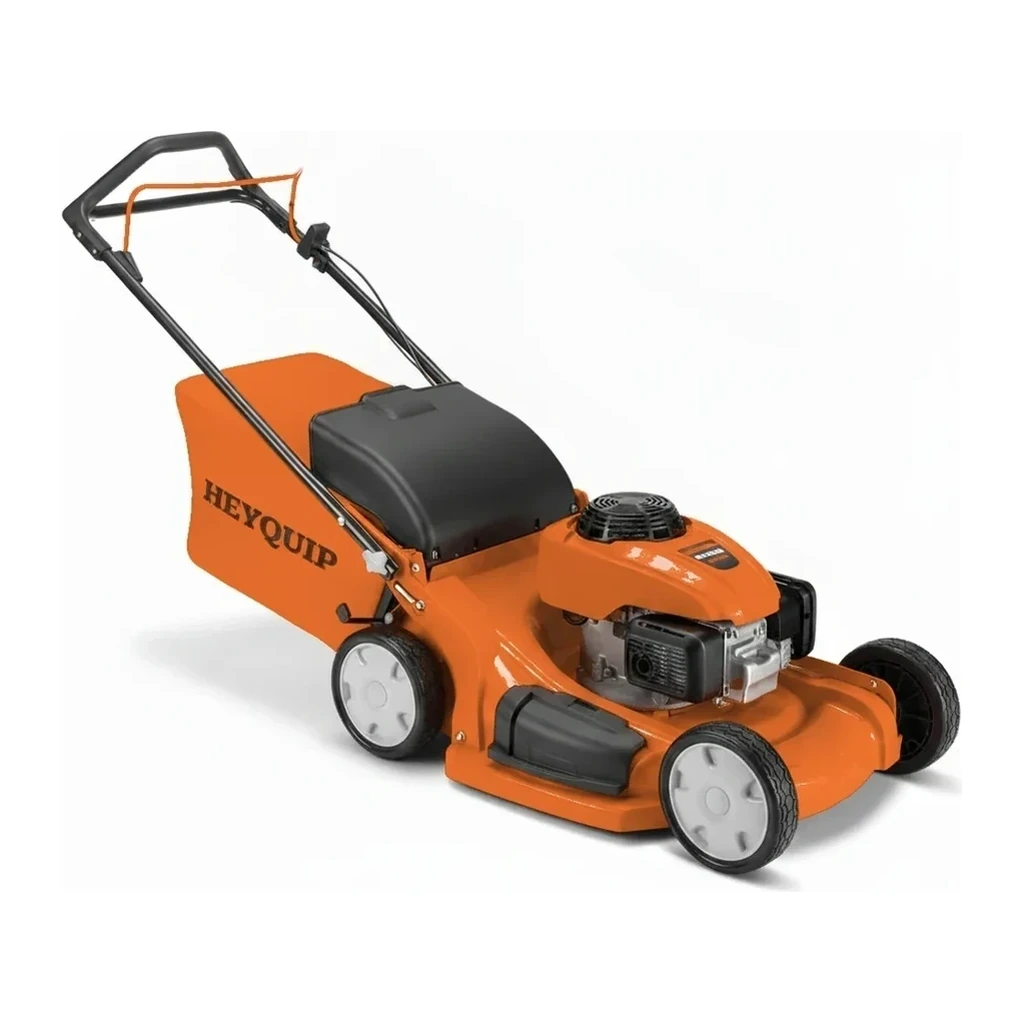
Walk-Behind Mower
68 modèles
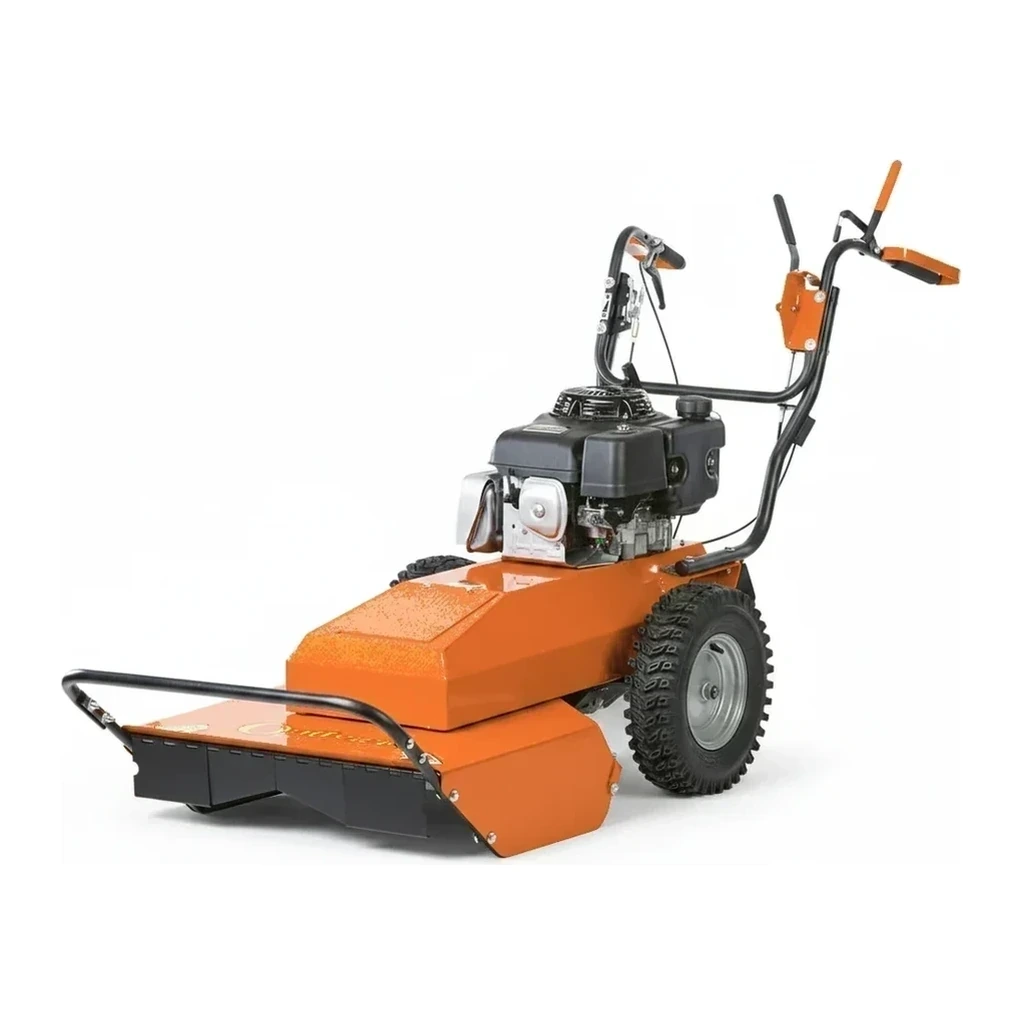
Rough-Cut Brush Mower
49 modèles
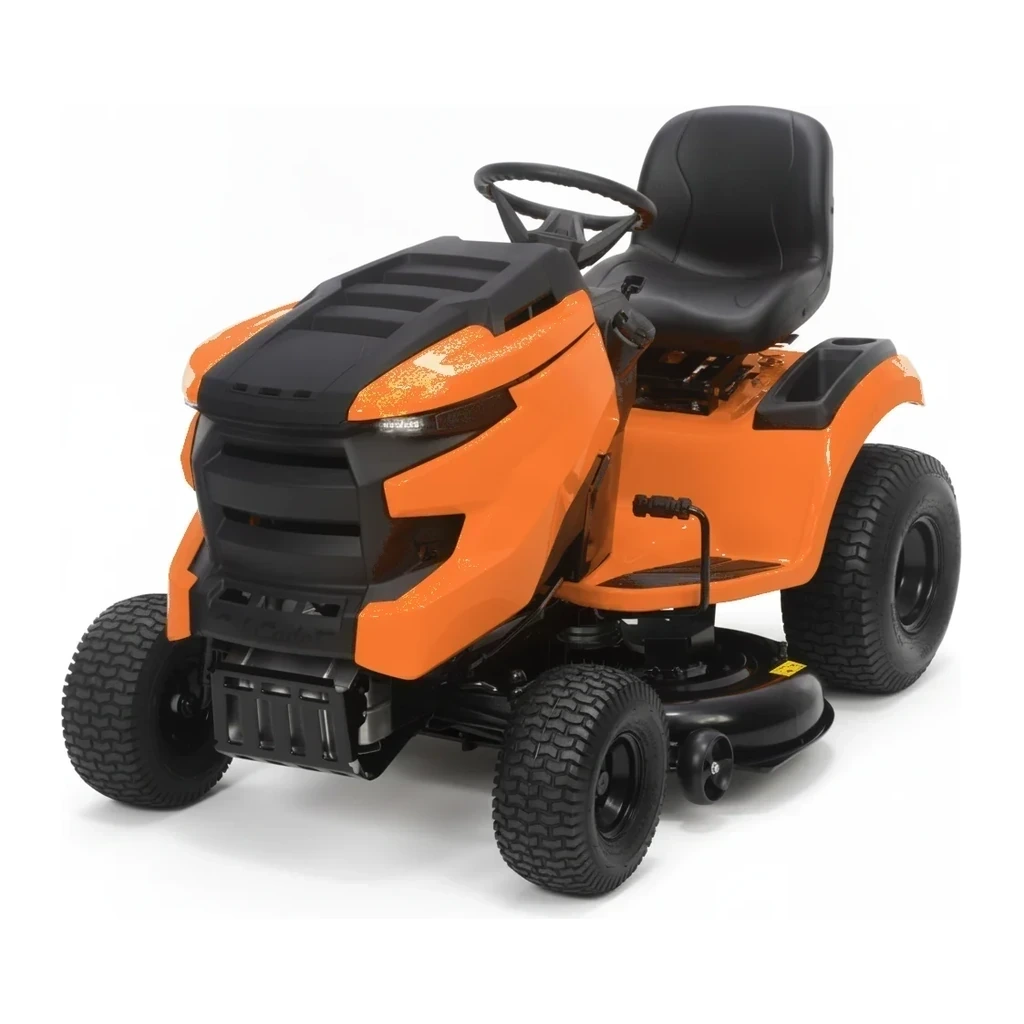
Riding Mower
43 modèles
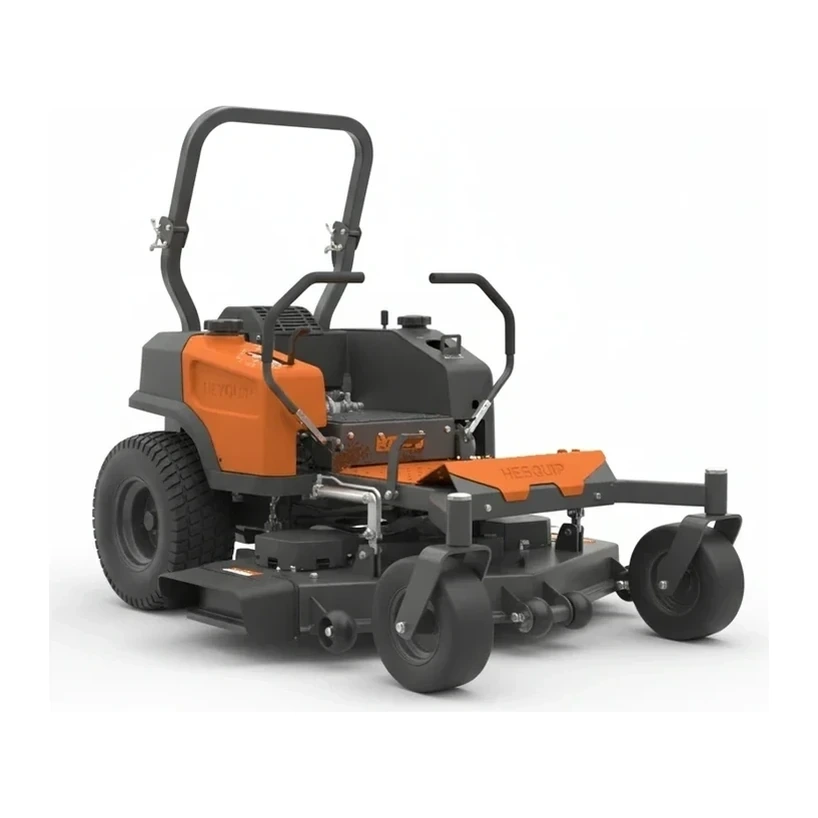
Stand-On Mower
2 modèles
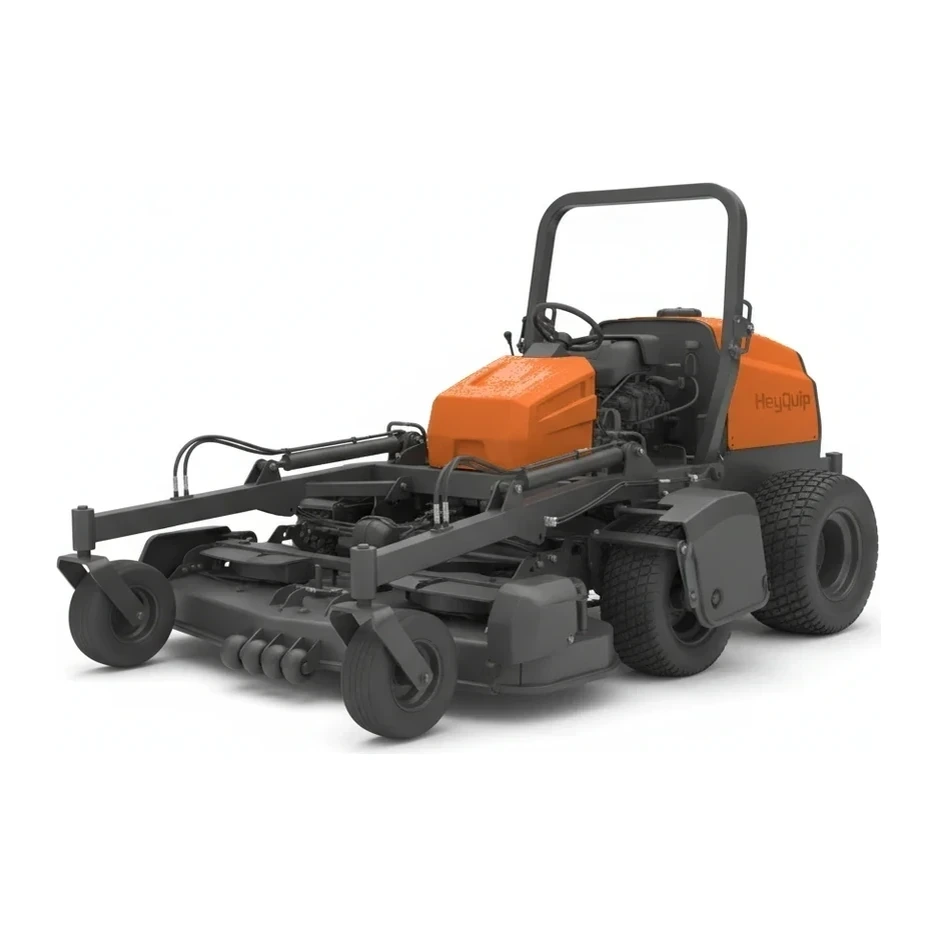
Reel Mower
1 modèles
Fonctionnement
Mowers utilize rotating blades powered by gasoline engines, diesel engines, or electric motors to cut vegetation at adjustable heights. The cutting deck houses one or more blades spinning at high velocity, with deck width determining coverage area per pass. Operators control direction and speed through various steering mechanisms depending on machine type—handlebar controls for walk-behind models, steering wheels or lap bars for riding units, and dual-lever systems for zero-turn platforms. Grass discharge occurs through side ejection, rear bagging, or mulching systems that recirculate clippings.
Types et variantes
- Zero-Turn Mower
- Riding mowers featuring independent rear-wheel control via dual lap bars, enabling zero-radius turning and high maneuverability around obstacles, typically with wide cutting decks for commercial efficiency
- Walk-Behind Mower
- Operator-guided push or self-propelled mowers with handlebar controls, available in various deck widths for residential and light commercial applications with precision trimming needs
- Rough-Cut Brush Mower
- Heavy-duty walk-behind or tow-behind units designed to cut tall grass, weeds, brush, and saplings on uneven terrain where standard mowers cannot operate effectively
- Riding Mower
- Tractor-style seated mowers with steering wheel control, offering operator comfort for extended mowing sessions and medium to large coverage areas
Normes et certifications
- ANSI/OPEI · B71.1, B71.4
- Safety specifications for powered walk-behind and riding lawn mowers
- OSHA · 29 CFR 1910.266
- Logging operations standards applicable to brush-cutting equipment in certain applications
- EPA · Small Engine Emission Regulations
- Emissions standards for spark-ignition engines under 19 kilowatts used in mowing equipment
Questions fréquentes
What distinguishes commercial-grade mowers from residential models?
Commercial-grade mowers feature reinforced cutting decks, larger displacement engines, heavy-duty transmissions, and components designed for extended operation and higher hour ratings. They typically offer wider cutting widths, faster ground speeds, and serviceable parts designed for frequent maintenance rather than replacement.
How is mower cutting capacity measured?
Cutting capacity is primarily measured by deck width in inches (ranging from 21" for walk-behinds to 72" for commercial zero-turns), which determines coverage area per pass. Engine power in horsepower or kilowatts and blade tip speed also influence cutting performance, particularly in thick or wet grass conditions.
What terrain limitations apply to different mower types?
Walk-behind and push mowers handle slopes up to approximately 15 degrees. Riding mowers with steering wheels are generally limited to 10-15 degree slopes. Zero-turn mowers, despite their maneuverability, require caution on slopes beyond 10-15 degrees due to their steering design. Rough-cut brush mowers are specifically engineered for uneven terrain but require stable footing for the operator.
What maintenance intervals are standard for commercial mowing equipment?
Typical maintenance schedules include engine oil changes every 50-100 hours, air filter inspection every 25 hours, blade sharpening or replacement every 25-50 hours depending on conditions, and hydraulic system service annually or per 200-300 hours on zero-turn and riding models. Deck cleaning after each use prevents corrosion and maintains cutting efficiency.