

Tree and Brush
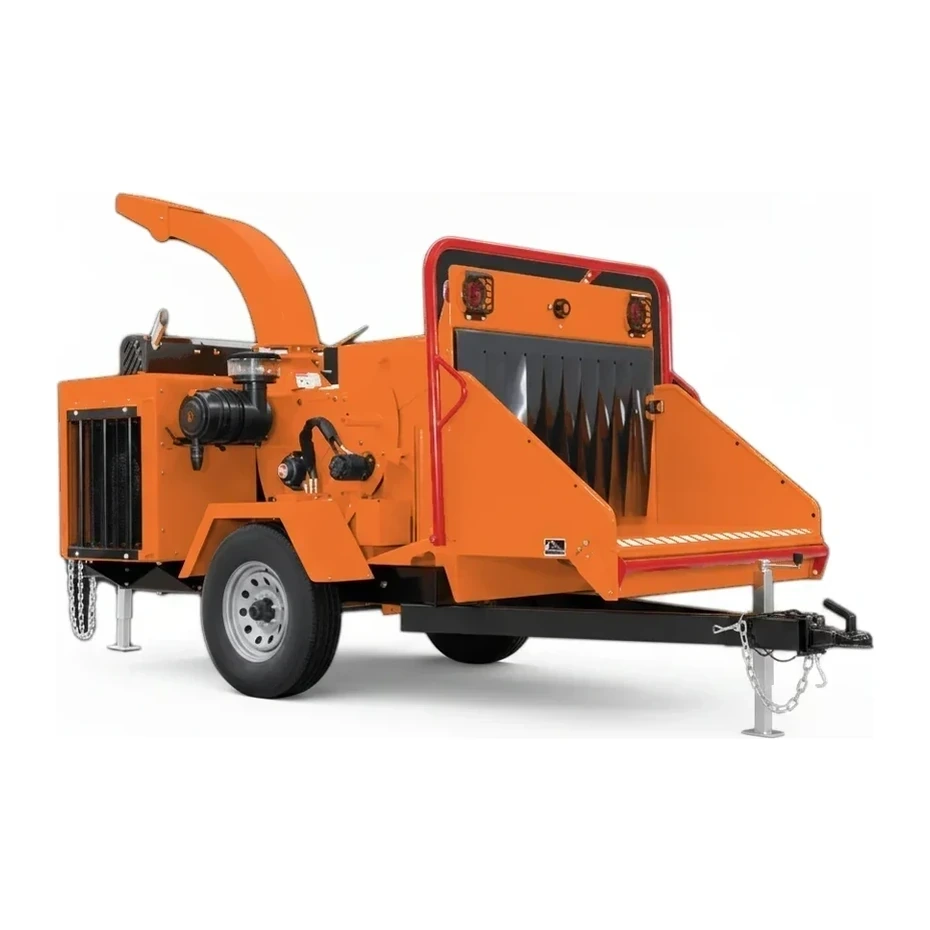
Brush Chipper
246 modèles
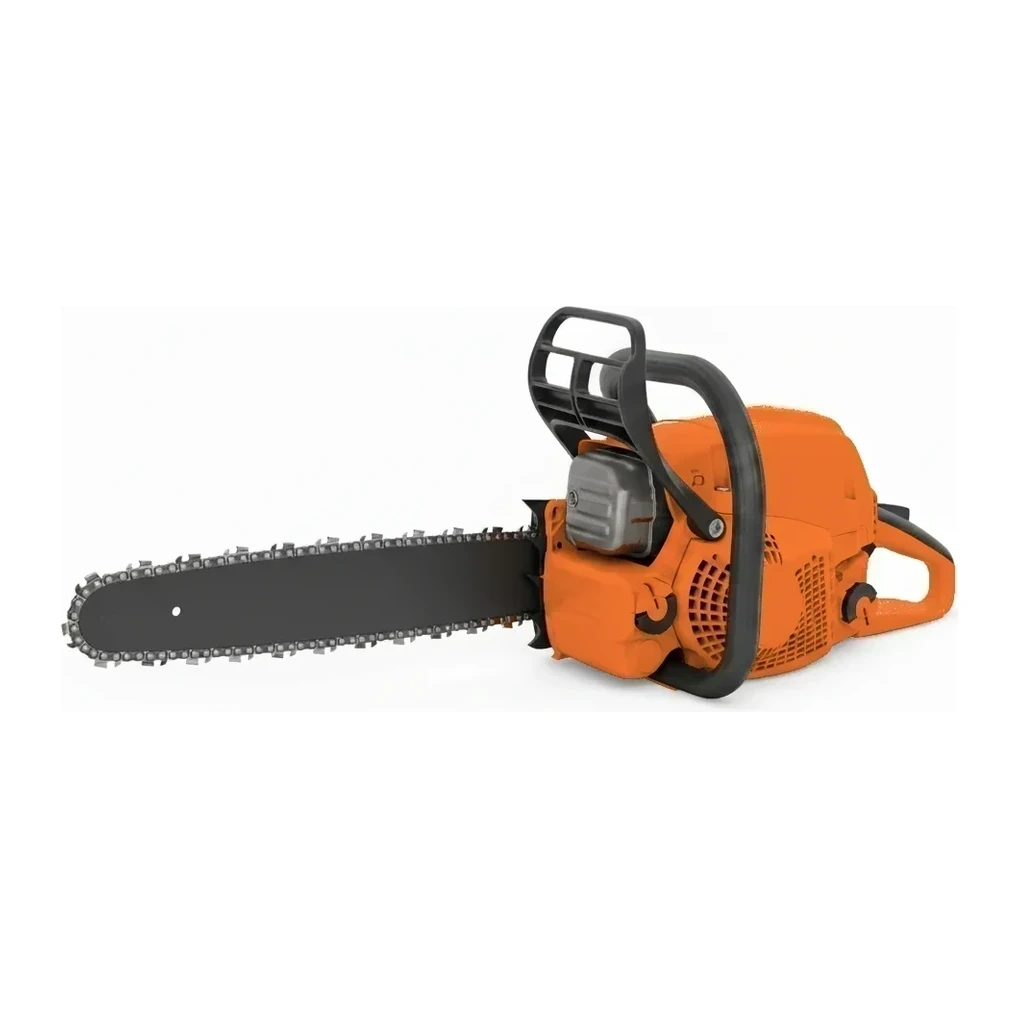
Chain Saw
136 modèles
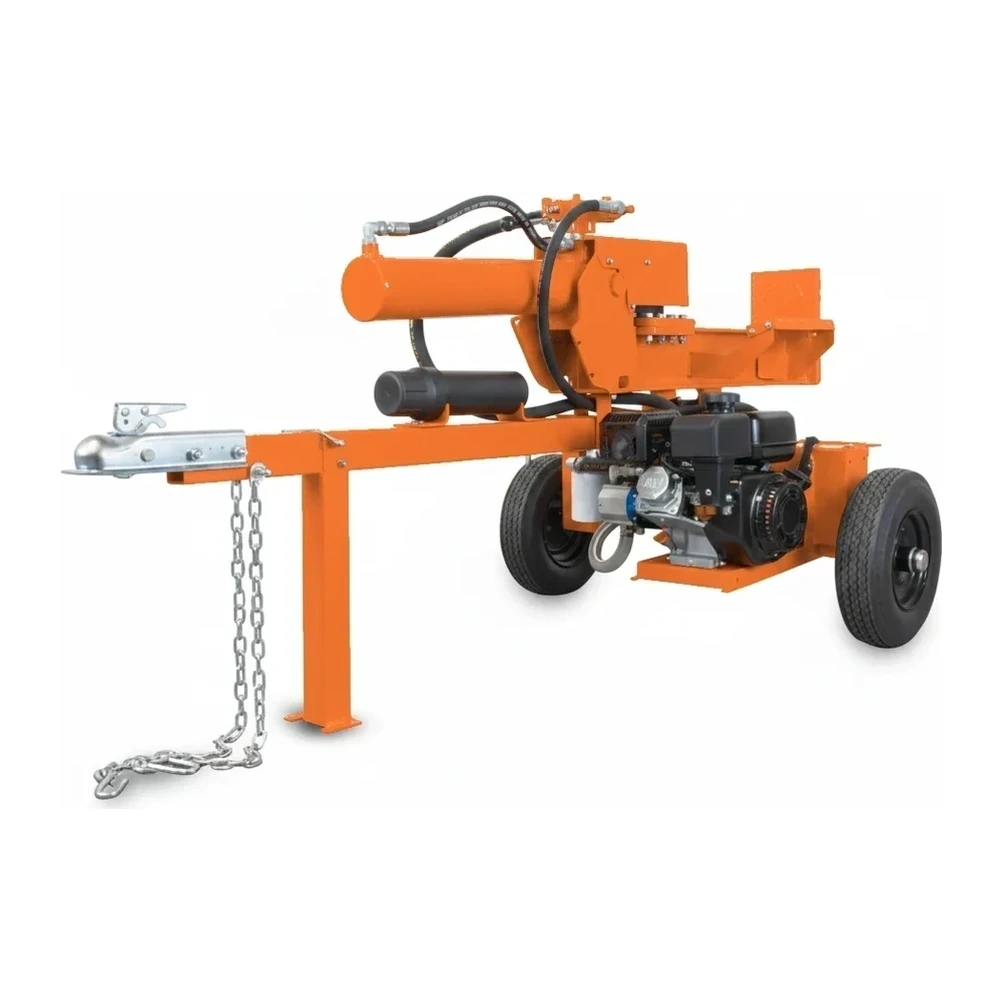
Log Splitter
78 modèles
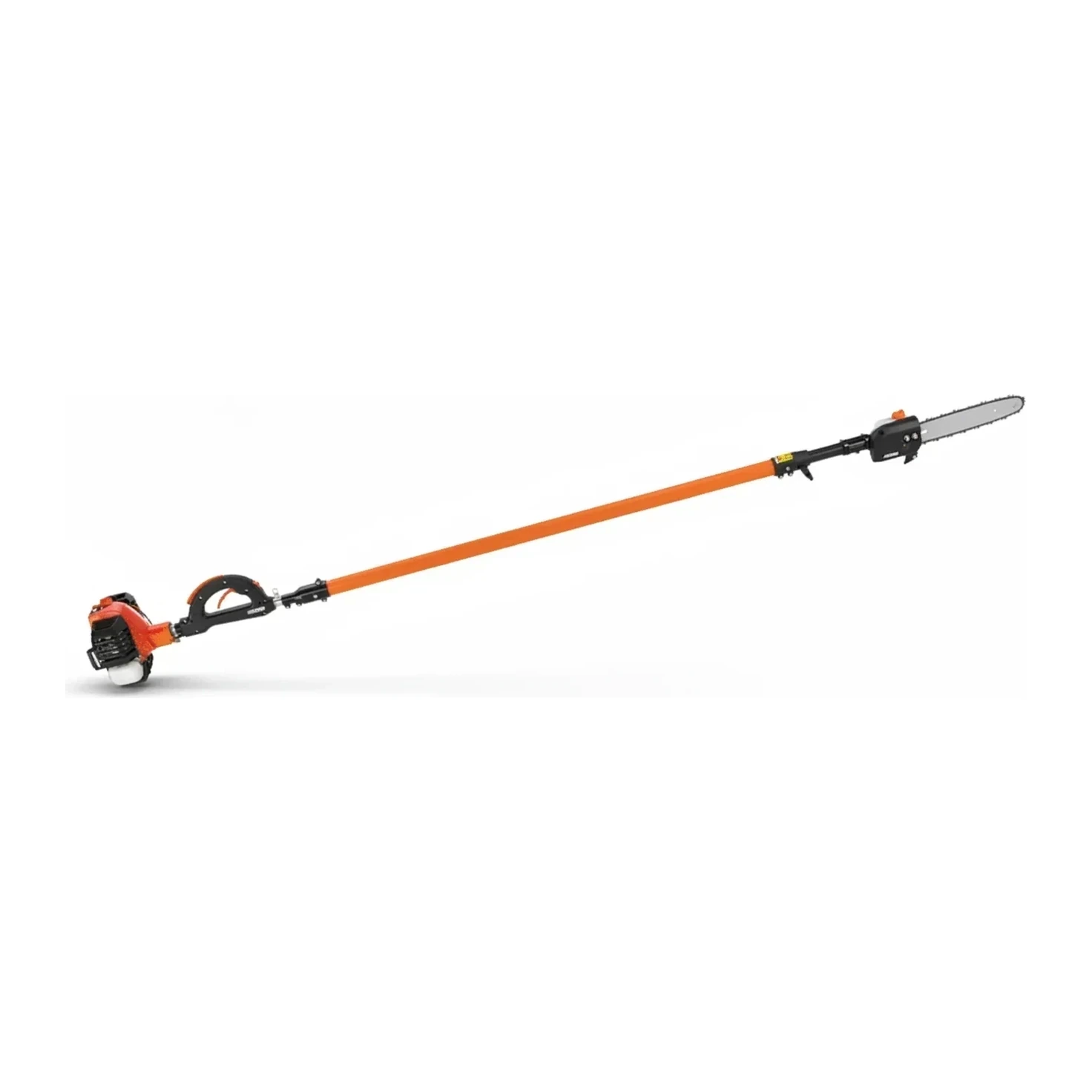
Pole Saw
55 modèles
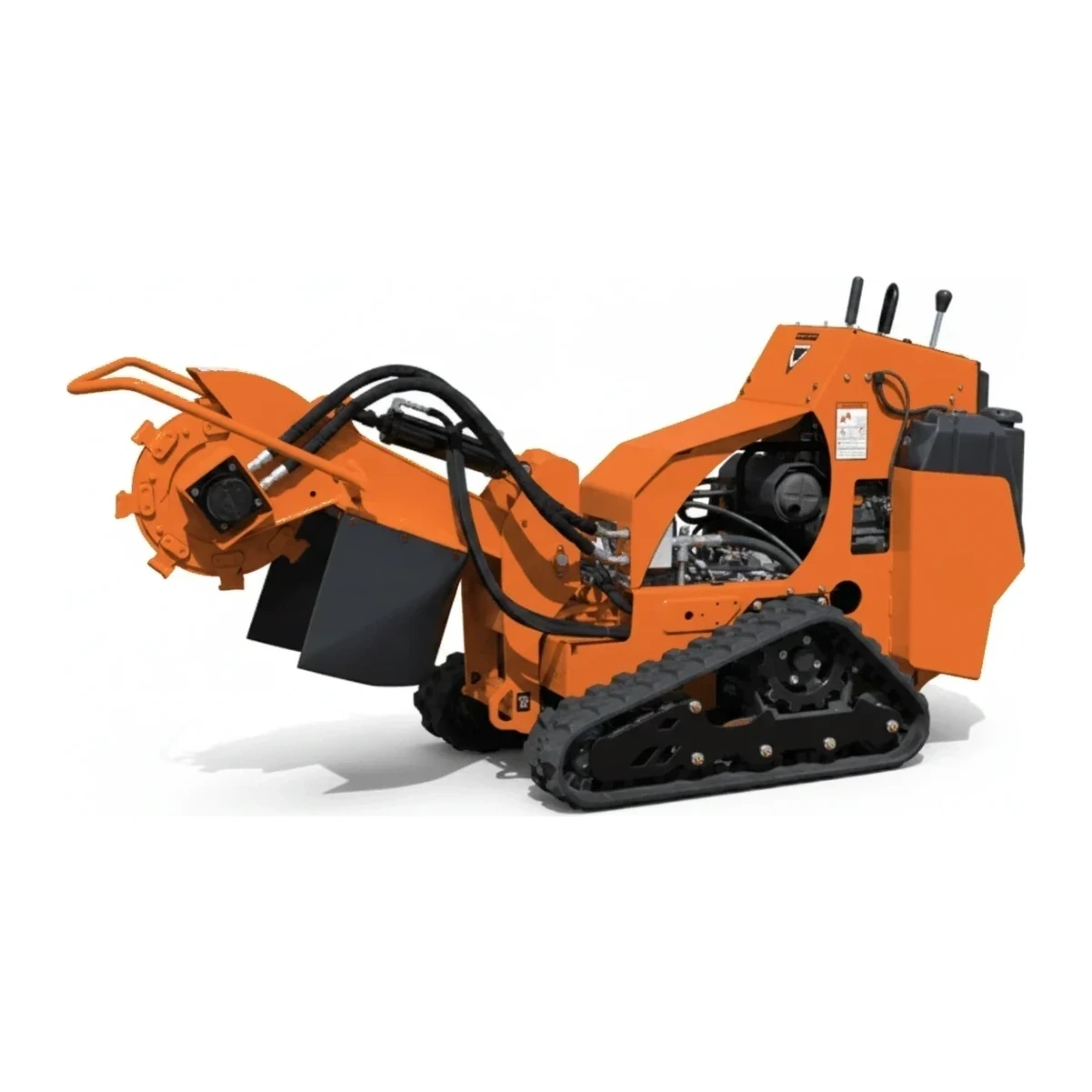
Stump Grinder
54 modèles
Fonctionnement
Tree and brush equipment operates through mechanical cutting, splitting, or grinding actions to reduce woody material or remove vegetation. Chippers and grinders use rotating blades, anvils, or grinding wheels to process material into smaller pieces, while log splitters apply hydraulic force to divide logs along the grain. Saws employ chain or reciprocating blade mechanisms driven by gasoline engines, electric motors, or battery packs to make precision cuts through wood fiber. These machines range from portable handheld units for selective pruning to trailer-mounted or self-propelled machines for high-volume material processing.
Types et variantes
- Brush Chipper
- Trailer-mounted or self-contained machines that feed branches and limbs into rotating blades or anvils, reducing material to wood chips for disposal or mulch
- Stump Grinder
- Machines equipped with rotating cutting wheels featuring carbide teeth that grind tree stumps and roots below ground level
- Log Splitter
- Hydraulic or kinetic machines that apply force to split logs into firewood or manageable pieces, available in horizontal, vertical, and towable configurations
- Pole Saw
- Extended-reach cutting tools with chain saw mechanisms mounted on telescoping or fixed poles for trimming elevated branches from ground level
- Chain Saw
- Handheld power saws featuring rotating chains with cutting teeth, powered by gasoline, electric, or battery systems for felling trees and cutting logs
Normes et certifications
- ANSI · ANSI Z133.1
- Safety requirements for arboricultural operations including tree care and maintenance
- OSHA · 29 CFR 1910.266
- Logging operations safety standards covering equipment operation and maintenance
- ANSI · ANSI B175 Series
- Safety standards for gasoline-powered chain saws and related equipment
Questions fréquentes
How is brush chipper capacity classified?
Brush chippers are classified by the maximum diameter of material they can accept, typically ranging from 6-inch residential models to 18-inch or larger commercial units. Capacity also considers engine horsepower and feed system type (manual, gravity, or hydraulic).
What distinguishes walk-behind from tow-behind stump grinders?
Walk-behind stump grinders are self-propelled compact units designed for narrow access and residential work, typically with 13-35 horsepower. Tow-behind models mount on trailers for transport, feature larger engines (35-100+ horsepower), and handle larger stumps but require vehicle towing and more operating space.
What safety certifications apply to professional chain saw operation?
Professional operators often obtain certification through programs such as ISA Tree Worker Certification, TCIA CTSP (Tree Care Industry Association Certified Treecare Safety Professional), or forestry-specific training. OSHA requires compliance with manufacturer instructions and appropriate personal protective equipment including chaps, helmets, and eye protection.
How are log splitter tonnage ratings determined?
Log splitter tonnage indicates the hydraulic splitting force applied, commonly ranging from 5 tons for residential units to 30+ tons for commercial models. The rating reflects the maximum force the hydraulic ram can exert, with higher tonnage required for hardwoods, large diameters, and knotty or twisted grain.