

50+ ft Towable Boom Lift
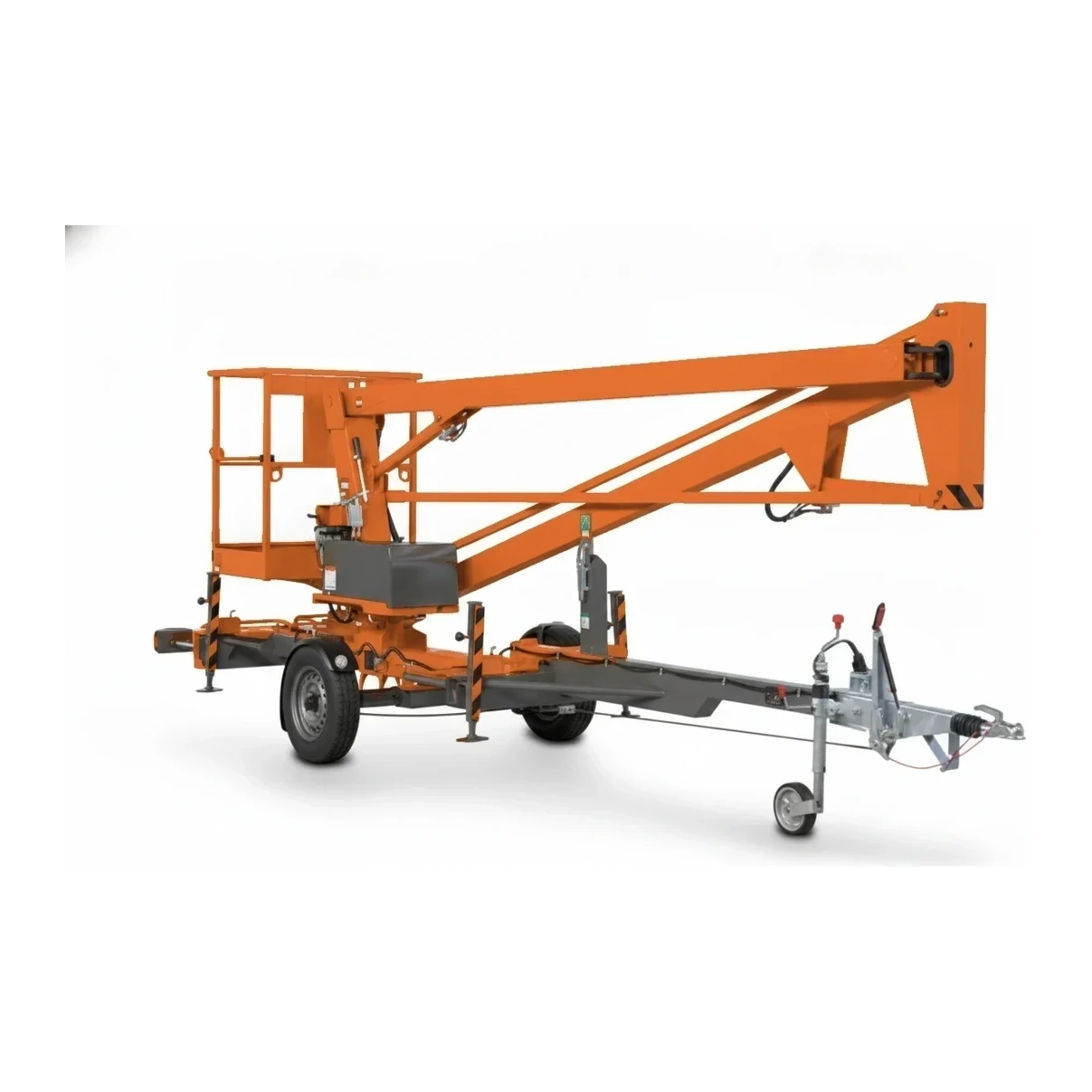
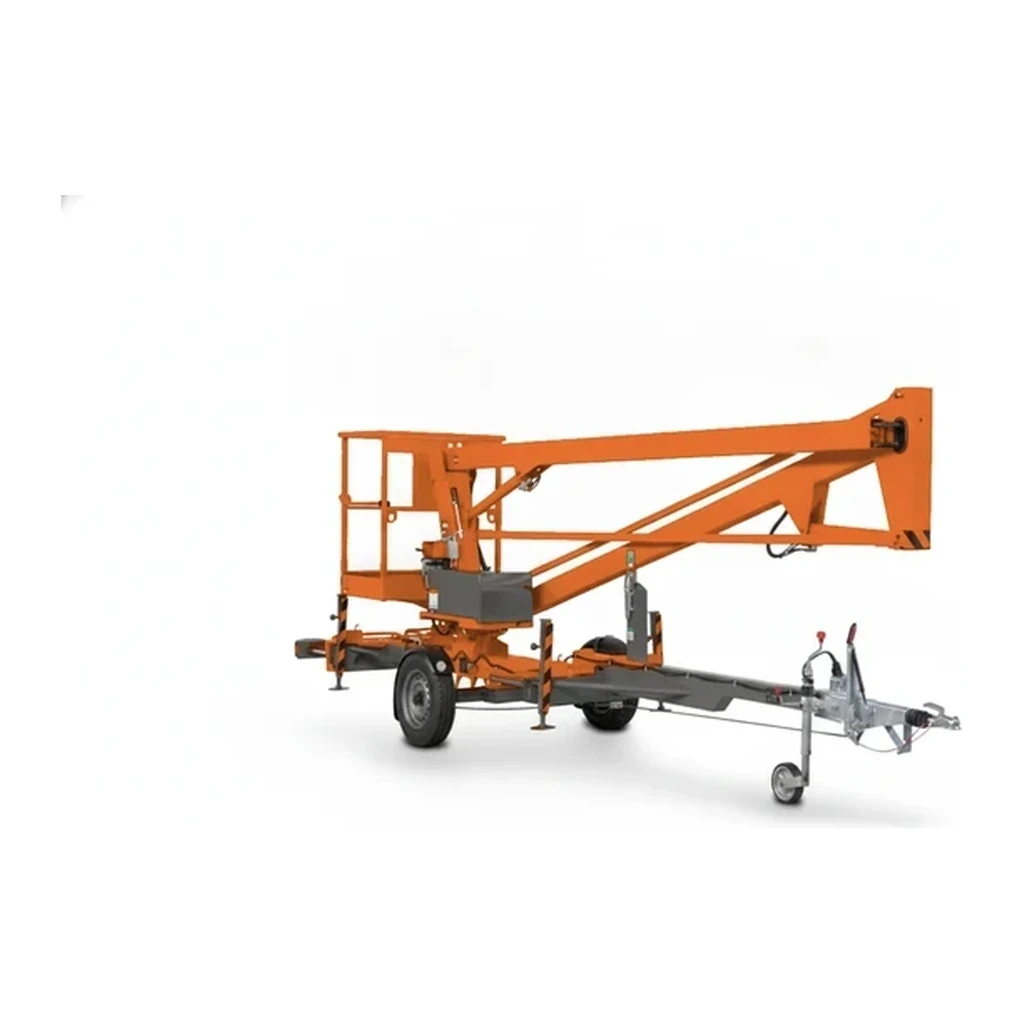
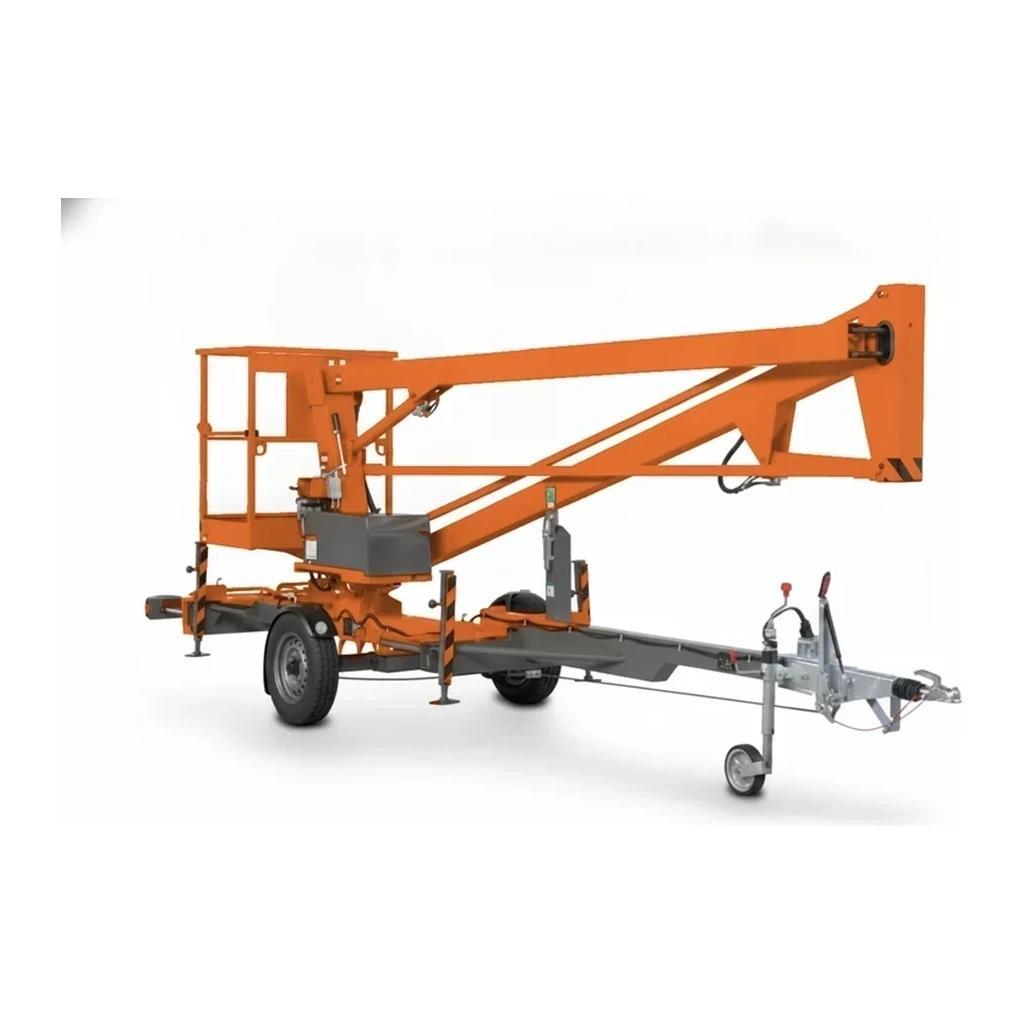
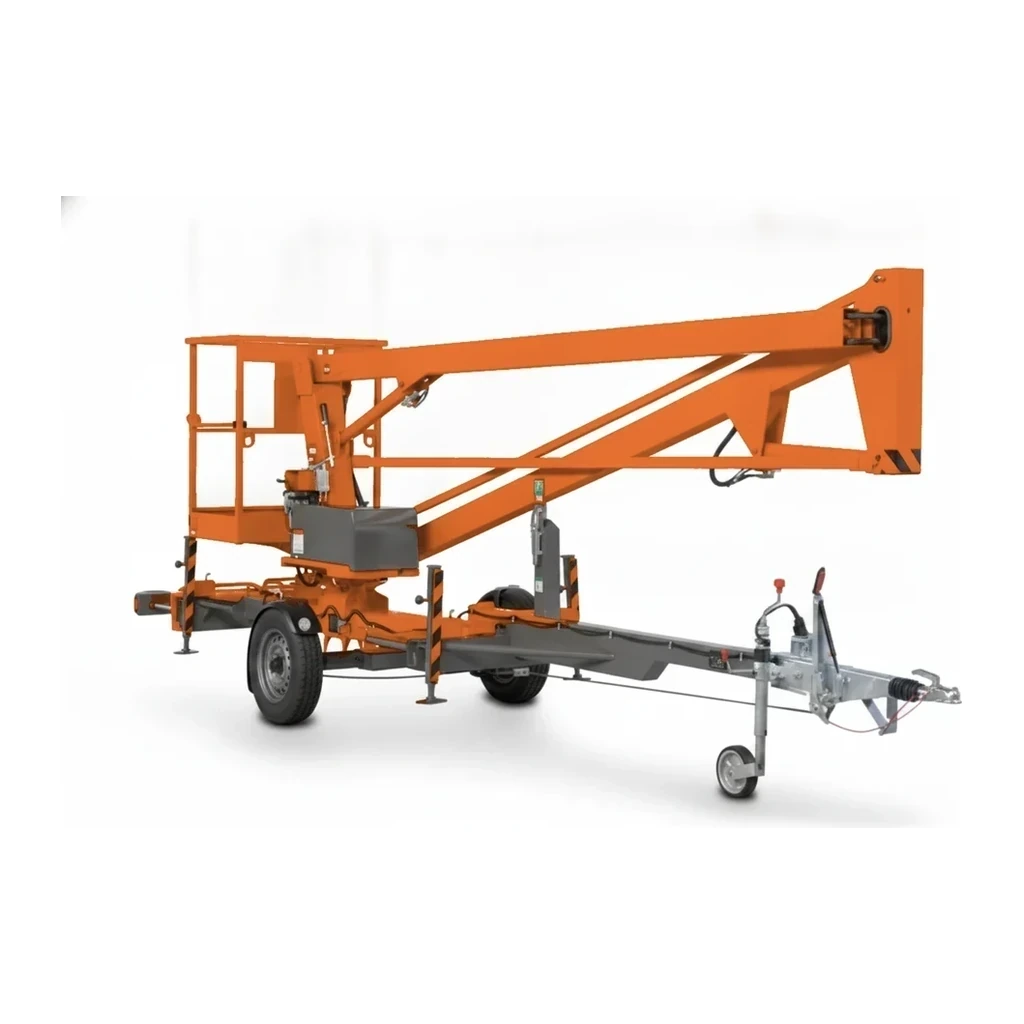
The 50+ ft towable boom lift class represents the tallest units designed for light-duty vehicle towing, reaching working heights from 50 to just over 61 feet. These are the largest machines in the towable category, offering maximum reach while preserving trailer-rated mobility for jobs where full-size truck-mounted or trailer-delivered scissor lifts are impractical. All models in this band share 227 kg (500 lb) platform capacity and retain Department of Transportation trailer compliance for towing behind 3/4-ton pickup trucks.
Cat classes
Choisissez une classe de taille : la capacité et la portée varient selon la gamme.
Spécifications clés
| Spécification | Plage typique | Signification |
|---|---|---|
| Working height | 50–61 ft (15.2–18.6 m) | Maximum safe reach for operators at this class ceiling; the defining range separating this band from smaller towables. |
| Platform capacity | 227 kg (500 lb) | Standard load rating across all 50+ ft towables, accommodating one or two operators with hand tools. |
Comment choisir
This size class is appropriate when work demands reach above 50 feet but site logistics favor direct towing over dedicated delivery. The 40-50 ft Towable Boom Lift is the better choice for jobs with working heights comfortably under 50 feet, offering easier maneuverability and setup on congested sites. No larger towable class exists above 50+ ft; projects requiring greater height must step up to trailer-delivered articulating or telescopic boom lifts with dedicated transport.
Ce que cette taille peut gérer
- Installing signage or lighting on three- to five-story commercial facades
- Exterior painting and cladding work on mid-rise buildings where truck access is limited
- Tree trimming and utility line clearance up to 60 feet
- Inspection and maintenance of tall warehouse or industrial facility exteriors
- Installing or servicing rooftop equipment on commercial structures
- Event rigging and installation for outdoor festivals or temporary structures
Sécurité et opération
- Ground conditions and slope limits are critical; maximum reach magnifies tip-over risk on soft or uneven terrain
- Outrigger deployment and leveling procedures must be verified before raising the boom to working height
- Wind load becomes significant above 50 feet; manufacturer wind-speed limits govern safe operation
- Operators must account for overhead clearances during towing and verify that boom stow positions clear highway obstacles
Transport et logistique
- Designed for towing behind 3/4-ton pickup trucks with standard trailer hitches and seven-pin electrical connections
- Complies with Department of Transportation trailer regulations in most jurisdictions without commercial driver's license requirements
- Requires adequate trailer brake controllers and mirrors for safe highway towing at gross weights near or above 1,500 kg
Alimentation
- Dual-fuel (gasoline and battery electric) powertrains common, allowing operation in noise-restricted or indoor-adjacent environments
- Gasoline engines provide extended outdoor runtime without recharging infrastructure
- Battery-powered modes eliminate emissions for work near building air intakes or occupied spaces
Questions fréquentes
What distinguishes a 50+ ft towable from a smaller towable boom lift?
Can 50+ ft towables operate on standard construction sites?
Why choose a towable over a trailer-delivered boom lift for tall work?
Comparer les modèles populaires
Chercher par spécification →Normalisé aux mêmes unités. Un tiret signifie que la valeur n'a pas été publiée.
| Modèle | Hauteur de travail | Capacité de plateforme |
|---|---|---|
| JLG ET500J | 50 ft (15.2 m) | 500 lb (227 kg) |
| Haulotte HTA16 P | - | 500 lb (227 kg) |
| Haulotte HTA19 P | - | 500 lb (227 kg) |
| JLG T500J | 50 ft (15.2 m) | 500 lb (227 kg) |
Équipements connexes
Parcourir par fabricant
Sources
Chaque spécification est vérifiée par rapport aux données publiées par le fabricant, avec la source liée pour référence.
50+ ft Towable Boom Lift
4 modèles · Chaque spécification citée à la source