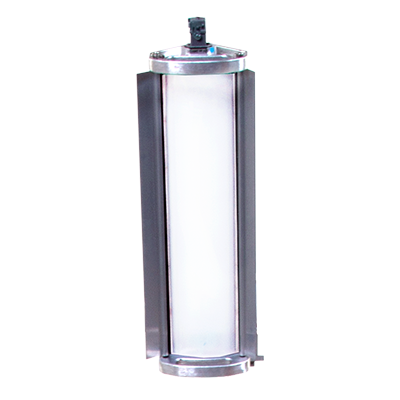
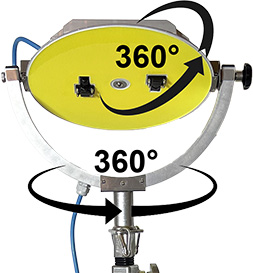
150-500 W Work Light
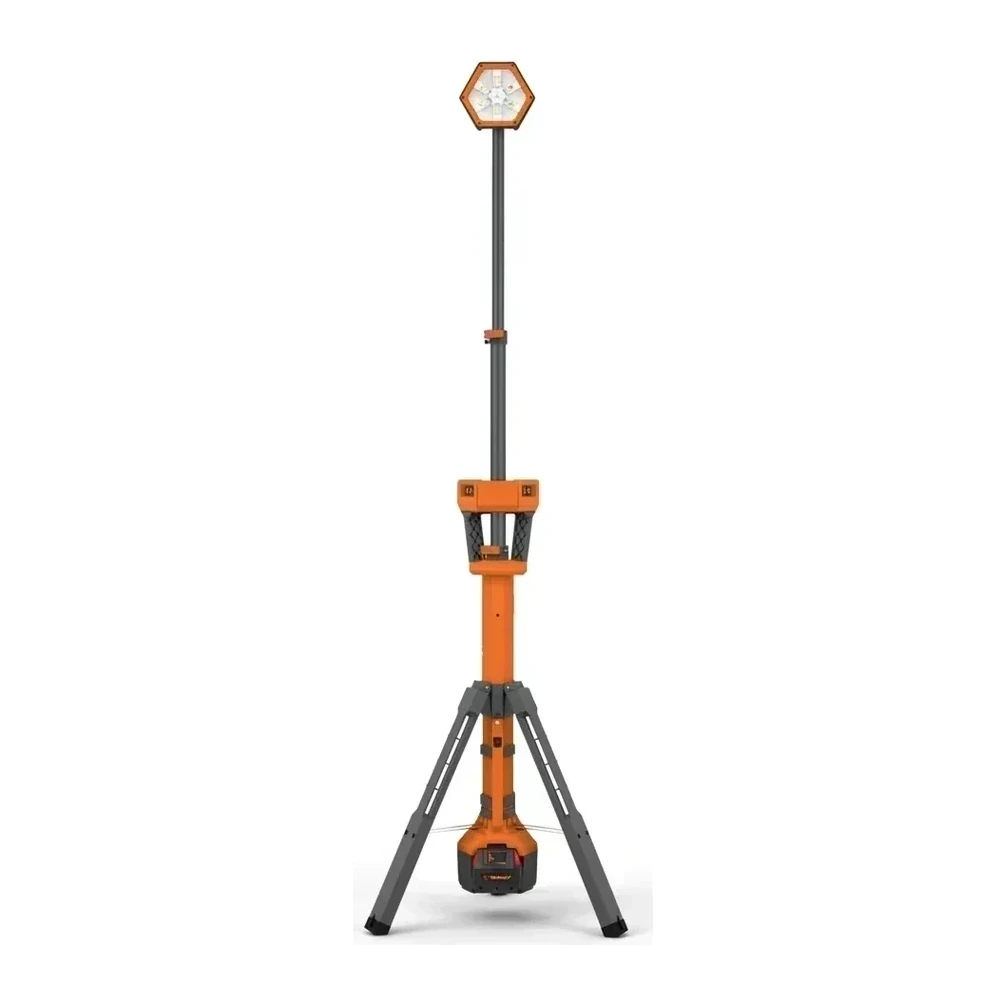
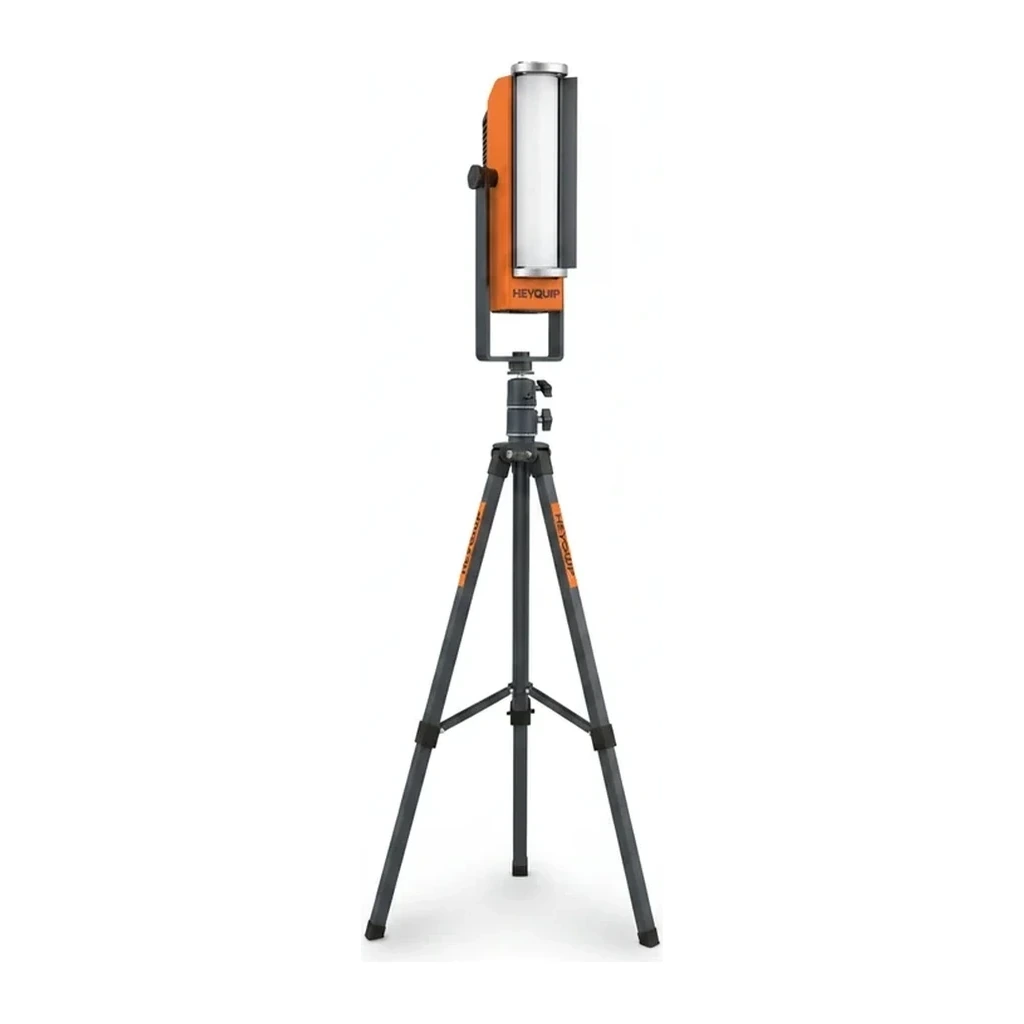
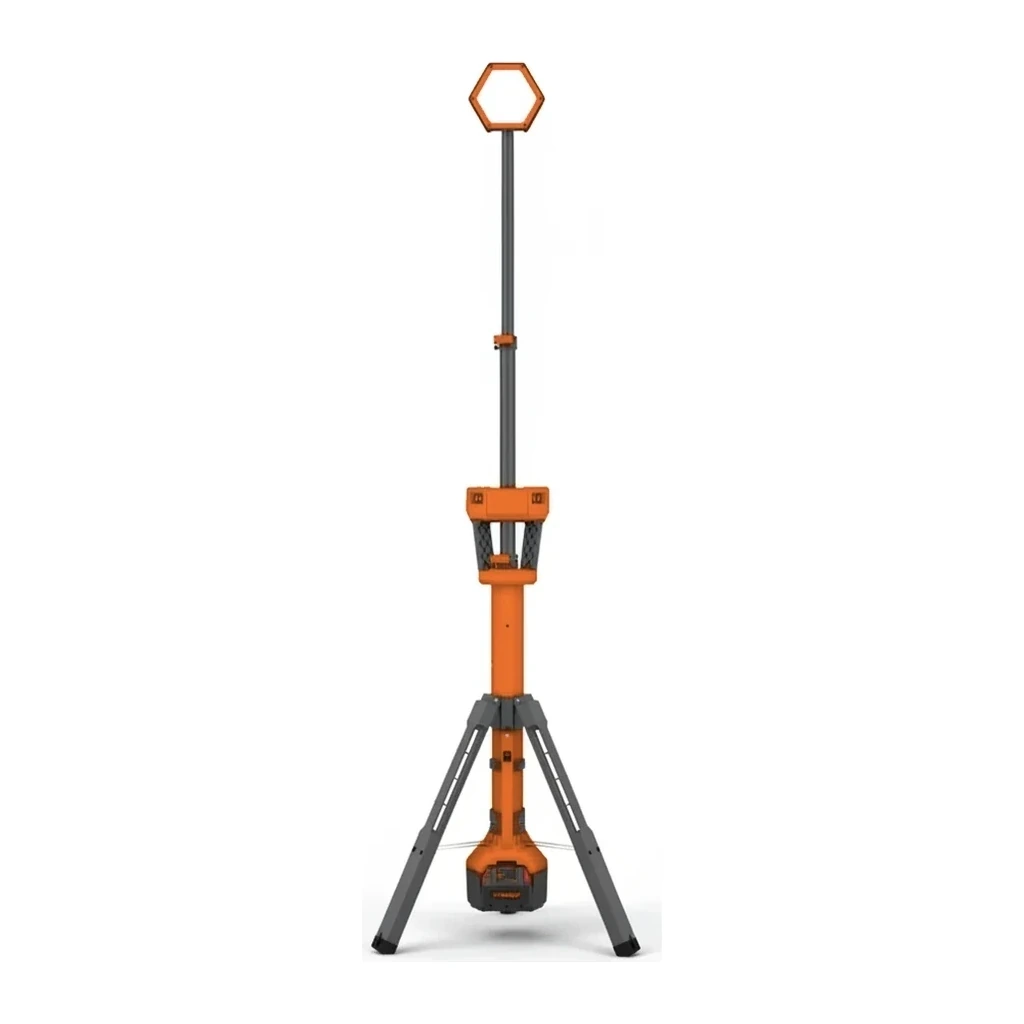
The 150-500 W work light is the mid-range tripod-mounted illumination standard for interior construction and renovation. This size delivers focused lighting for a single room, stair core, or work face without the excess output, and heat, of larger area lights. It sits between handheld/clamp-mount units (Up to 150 W) and high-output site lighting (500+ W).
Cat classes
Choisissez une classe de taille : la capacité et la portée varient selon la gamme.
Spécifications clés
| Spécification | Plage typique | Signification |
|---|---|---|
| Wattage | 150-400 W | Output range defines coverage area and heat generation. |
| Mounting | Tripod (adjustable height) | Standard tripod base positions the fixture 3-7 ft above grade. |
| Lamp Type | LED or halogen | LED units run cooler and draw less current; halogen offers higher CRI. |
| Beam Pattern | Focused flood | Designed to light a defined area rather than an entire job site. |
Comment choisir
The 150-500 W band suits interior work where a single fixture lights a room or a specific task area: framing, drywall, electrical rough-in, or finishes in a defined space. For confined areas, tool-mounted tasks, or when multiple small fixtures are preferred, the Up to 150 W Work Light offers better maneuverability and lower circuit load. For open floors, perimeter work, or when one fixture must cover multiple rooms or exterior faces, the 500+ W Work Light provides the necessary throw and area coverage.
Ce que cette taille peut gérer
- Lighting a 12×15 ft interior room during drywall or painting
- Illuminating a stair core or elevator shaft for concrete pours
- Focused lighting on a wall or ceiling for finish carpentry
- Task lighting for plumbing or HVAC rough-in in a single bay
- General illumination in a basement or windowless restroom during fit-out
- Supplemental lighting for electrical panel installation
Sécurité et opération
- Tripod must be fully extended and locked on level surface to prevent tip-over
- Halogen lamps generate significant surface heat; maintain clearance from combustibles and plastic sheeting
- Allow halogen fixtures to cool 5-10 minutes before transport or storage to avoid burns
- LED units reduce burn risk but still require stable footing to prevent falls if struck
Transport et logistique
- Tripod and fixture head typically collapse to 3-4 ft length for van or pickup bed transport
- Total weight including tripod commonly under 30 lb; single-person carry to upper floors via stairs or hoist
- Multiple units often stacked in truck bed or gang box for multi-room projects
Alimentation
- Standard 120 V, 15 A circuit adequate for one or two units depending on wattage
- LED models draw 1.5-3.5 A; halogen models may draw 3-8 A at full power
- Extension cord typically 12 AWG for runs over 50 ft to avoid voltage drop
Questions fréquentes
How much floor area does a 300 W unit typically cover?
Can multiple 400 W halogen units share a 15 A circuit?
What is the practical difference between LED and halogen in this wattage range?
Équipements connexes
Parcourir par fabricant
Sources
Chaque spécification est vérifiée par rapport aux données publiées par le fabricant, avec la source liée pour référence.
150-500 W Work Light
11 modèles · Chaque spécification citée à la source