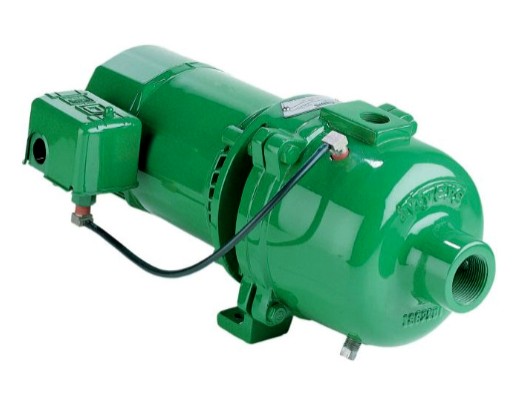

Trash Pump
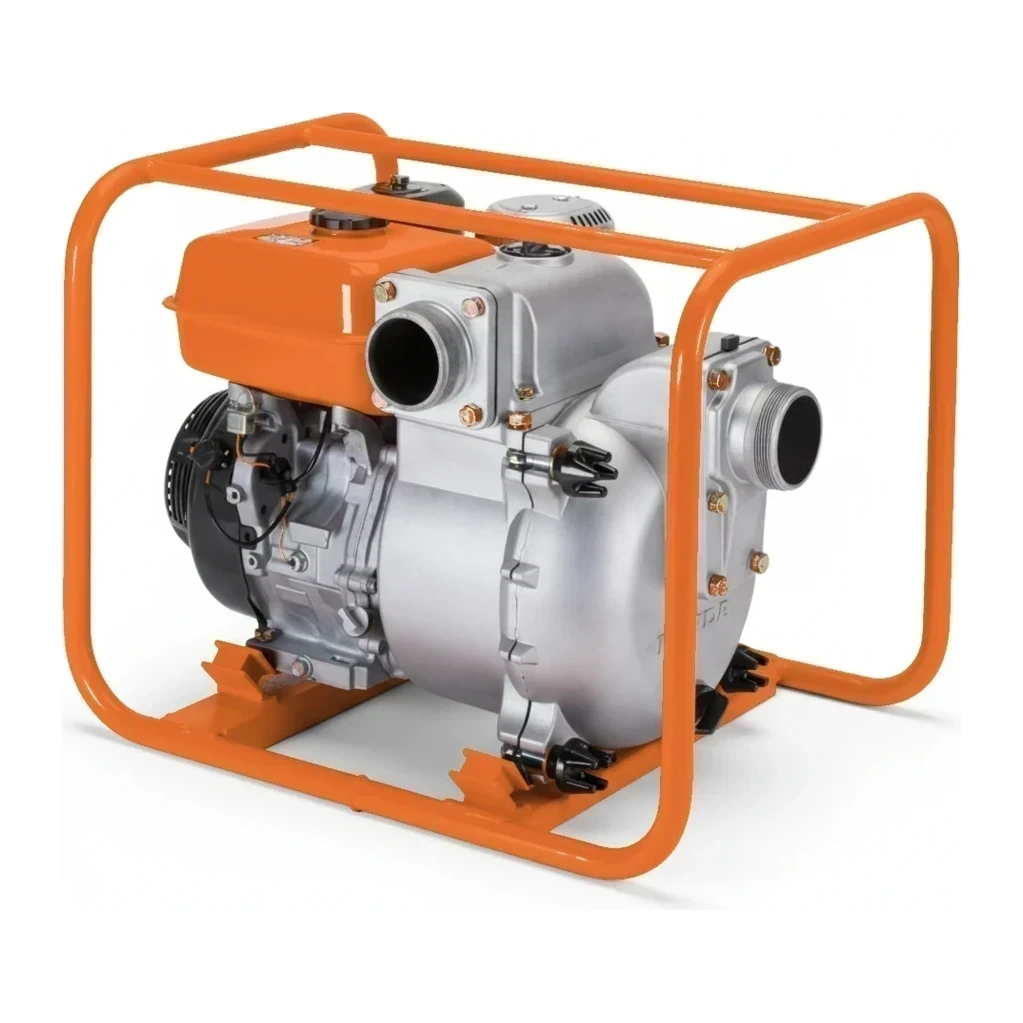
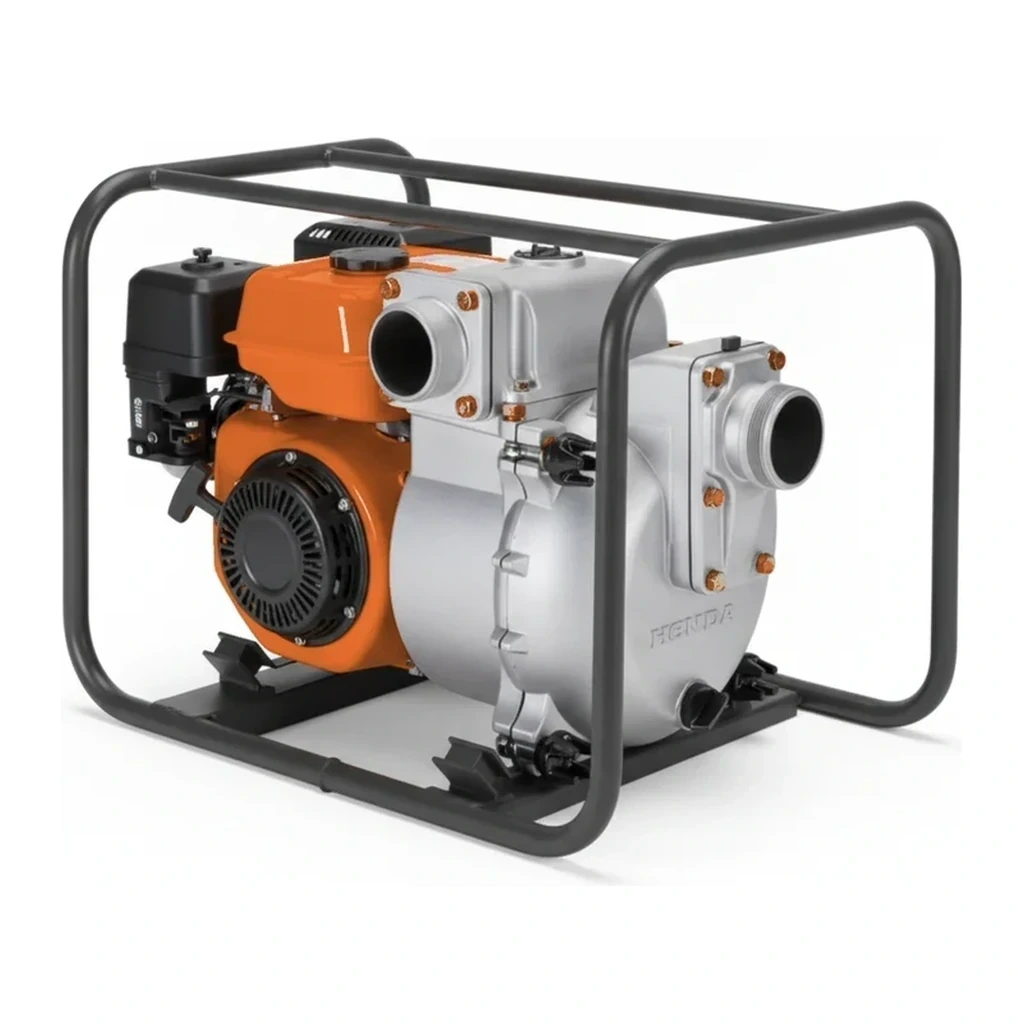
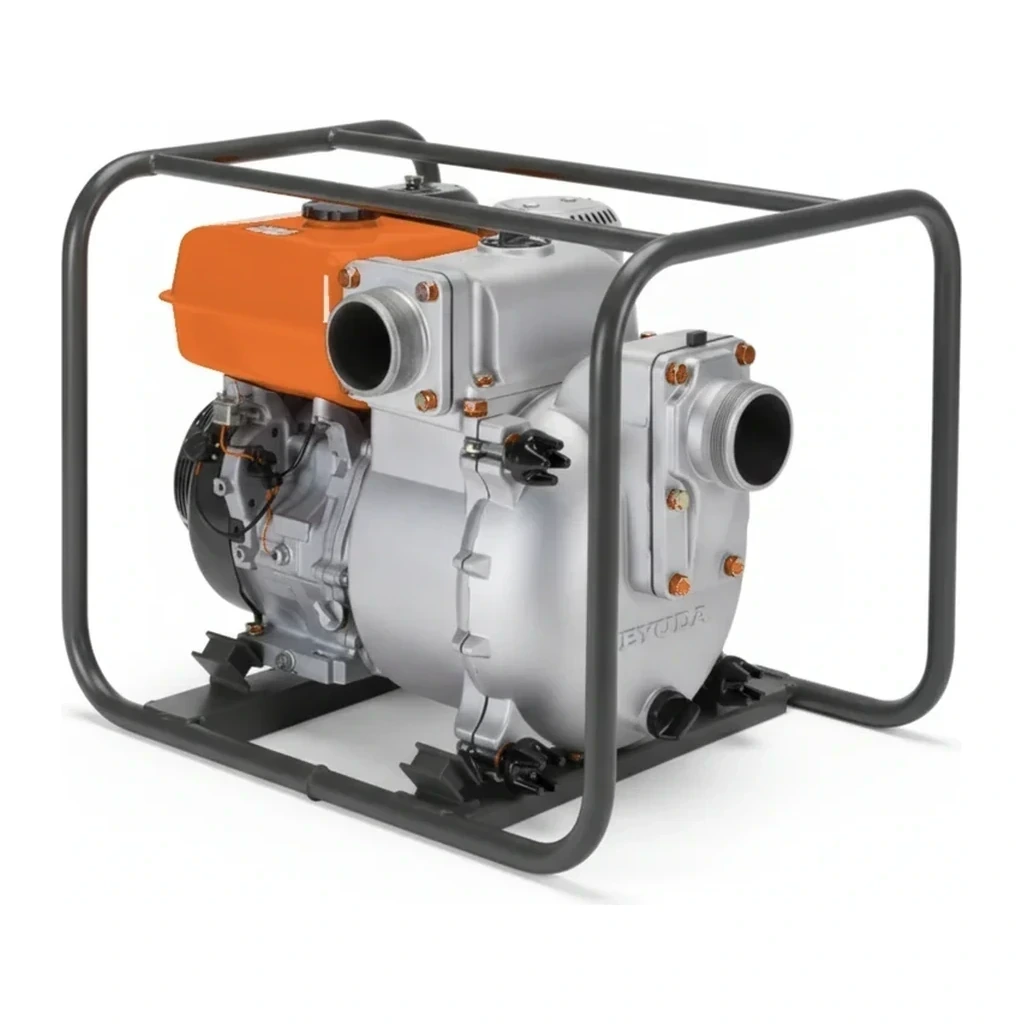
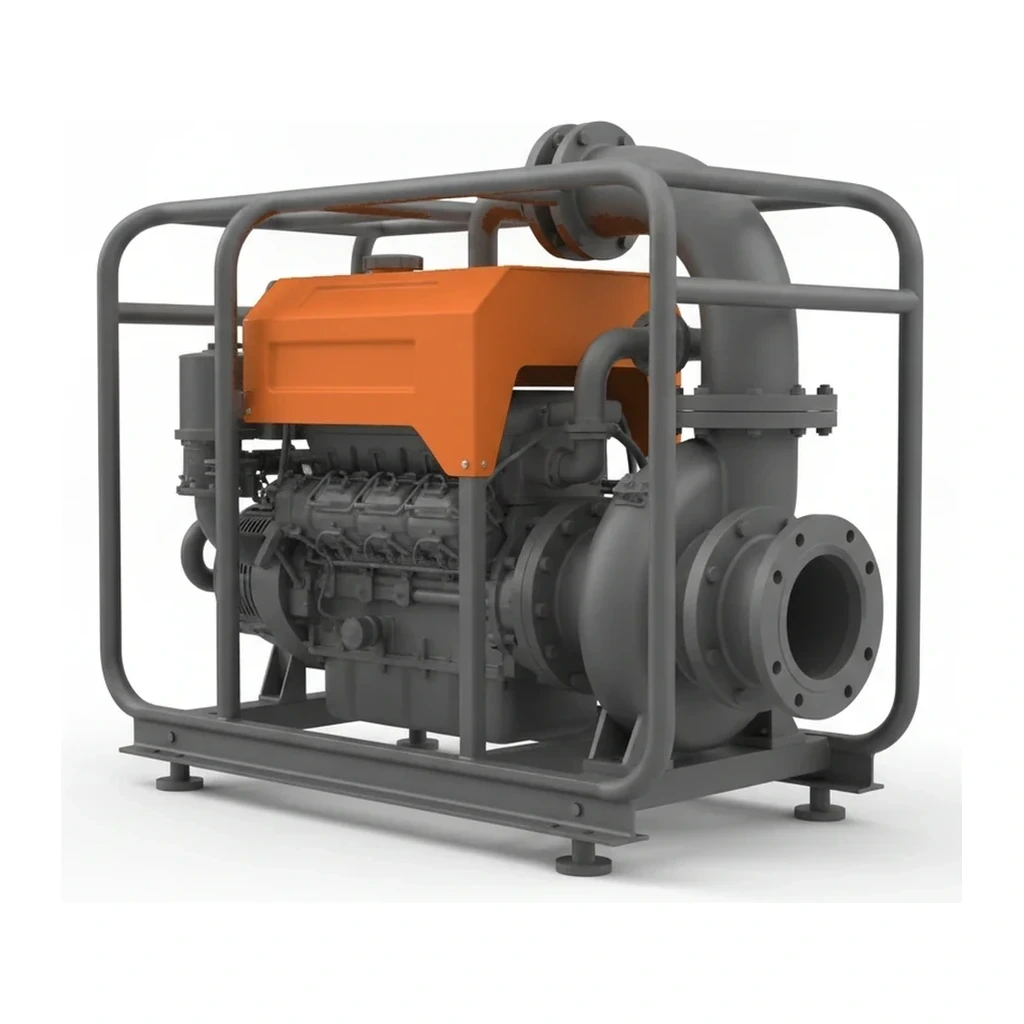
A trash pump is a portable, gasoline-powered centrifugal pump designed to handle water containing solids, debris, and suspended material. These rugged dewatering pumps feature larger impeller clearances and reinforced components to pass solids without clogging, making them essential for construction site dewatering, flood response, and excavation management. The equipment class spans from compact 2-inch models for trenches to large 8-inch and larger units for municipal-scale operations.
Cat classes
Choisissez une classe de taille — la capacité et la portée varient selon la gamme.
Fonctionnement
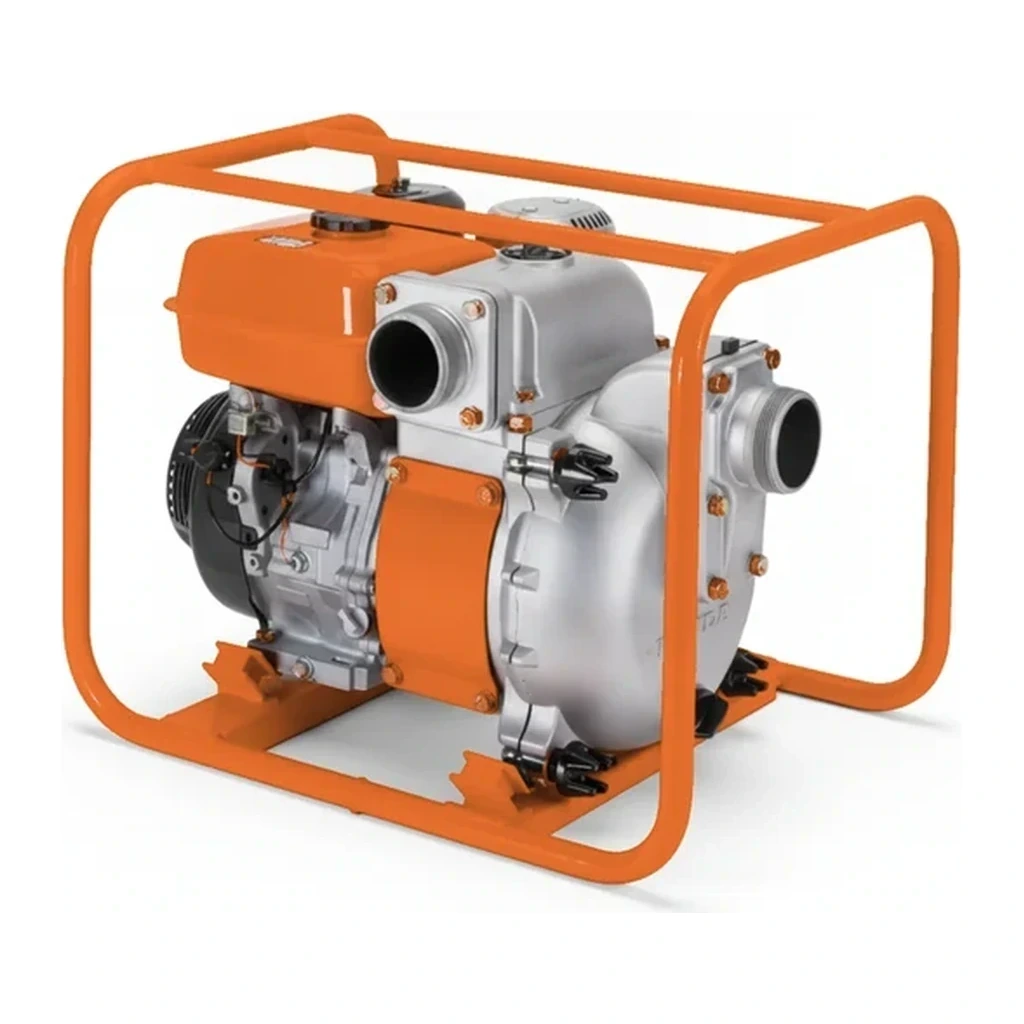
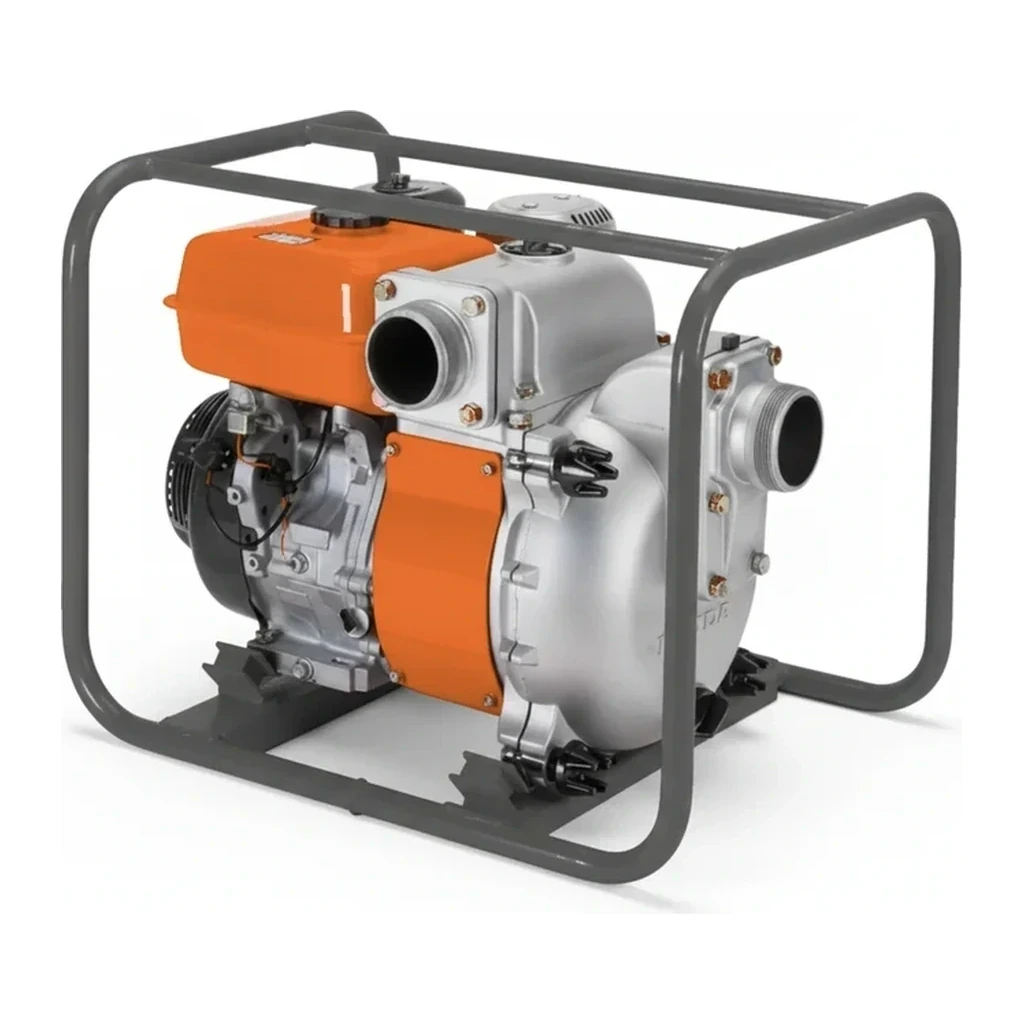
A trash pump uses a centrifugal impeller driven by a gasoline engine to create flow and pressure. The impeller design features wider vane spacing and larger clearances than standard water pumps, allowing passage of solids ranging from small debris to rocks several inches in diameter, depending on pump size. Self-priming mechanisms or manual priming allow the pump to draw water from several feet below the pump centerline. The pump draws water and debris through a suction hose, accelerates it through the impeller chamber, and discharges it through a hose or pipe to a disposal point. Wear plates and hardened impellers resist abrasion from sand and grit. Most units operate as open-impeller or semi-open designs to prevent clogging, with some incorporating debris screens or strainers at the inlet.
Types et variantes
- Standard Trash Pump
- General-purpose units handling solids up to approximately 1 inch diameter, suitable for typical construction dewatering with mud, sand, and small debris.
- Semi-Trash Pump
- Intermediate design between clean water and full trash capability, passing smaller solids while maintaining higher head and flow efficiency.
- High-Head Trash Pump
- Specialized pumps optimized for greater discharge heights or long horizontal runs, sacrificing some solids-handling capacity for increased pressure.
- Diaphragm Trash Pump
- Positive-displacement design using flexible diaphragm(s) to handle highly viscous slurries, sludge, and larger solids than centrifugal types.
- Submersible Trash Pump
- Electric-powered units designed to operate fully submerged, often used in deeper sumps or continuous applications where engine exhaust is problematic.
Spécifications clés
| Spécification | Plage typique | Signification |
|---|---|---|
| Discharge Size | 2–8 in (5.1–20.3 cm) | Nominal diameter of the discharge connection; determines flow capacity and the maximum size of solids that can pass through the pump. |
| Max Head | 10–246 ft (3.0–75.0 m) | Maximum vertical lift and pressure capability; indicates how high or how far the pump can move water against resistance. |
| Engine Power | 3.5–99.9 hp | Gasoline engine horsepower driving the pump; larger engines support higher flow rates and greater head capacity. |
| Operating Weight | 97.0–5,190 lb (44–2,354 kg) | Total weight of the unit; affects portability, with smaller pumps carried by one person and larger units requiring lifting equipment or trailers. |
| Fuel Tank Capacity | 1.2–6.1 L | Onboard fuel storage determining runtime between refueling; larger tanks support extended unattended operation. |
Comment l'industrie le dimensionne
The rental industry sizes trash pumps by discharge diameter in inches, ranging from compact 2-inch models through 3-inch and 4-inch workhorses to large 6-inch, 8-inch, and larger municipal units. A 2-inch pump typically delivers approximately 150 gallons per minute for footings and trenches and can be carried by one person. The 3-inch and 4-inch sizes dominate general construction work, moving 300 and 500 gpm respectively. Larger 6-inch and 8-inch pumps, delivering 1,500 gpm or more, serve cofferdams, flood control, and sewer bypass applications. Flow rate, head capacity, and solids-handling capability all scale with discharge size, making diameter the primary sizing criterion.
Applications
- Dewatering excavations, footings, trenches, and building foundations during construction
- Removing standing water from flooded basements, parking structures, and work areas
- Managing groundwater inflow in utility line installation and repair projects
- Emergency flood response and stormwater management for municipalities and property owners
- Sewer and water main bypass pumping during repair or replacement operations
- Coffer dam and caisson dewatering for bridge and marine construction
Sécurité et opération
- Position gasoline engines in well-ventilated areas with exhaust directed away from workers and confined spaces to prevent carbon monoxide accumulation
- Inspect suction and discharge connections for secure attachment before starting; unsecured hoses under pressure can whip violently and cause injury
- Maintain stable footing around pumps and hoses on wet, muddy jobsites; pressurized water discharge creates slippery conditions
- Monitor fuel levels and refuel only when the engine is off and cool; gasoline vapors near hot engine components present fire hazards
- Protect electrical equipment and connections from water contact when operating pumps near excavations or in wet environments
Normes et certifications
- OSHA · 29 CFR 1926.152
- Flammable liquids standard governing gasoline storage, handling, and refueling procedures on construction sites.
- EPA · Tier 4
- Emission standards for off-road engines; newer trash pump engines comply with progressively stricter tiers to reduce exhaust pollutants.
- ANSI/HI · ANSI/HI 9.6.7
- Hydraulic Institute standard for pump installation, operation, and maintenance covering centrifugal and rotary pumps.
- NFPA · NFPA 70
- National Electrical Code provisions apply when trash pumps are used near electrical installations or with electric-start systems.
Questions fréquentes
What is the difference between a trash pump and a semi-trash pump?
How is trash pump size related to flow rate?
Can a trash pump run dry or does it require priming?
What determines the maximum size of solids a trash pump can handle?
Comparer les modèles populaires
Chercher par spécification →Normalisé aux mêmes unités. Un tiret signifie que la valeur n'a pas été publiée.
| Modèle | Débit | Hauteur manométrique max | Puissance moteur |
|---|---|---|---|
| Multiquip MQ600HTB | 1,600 gpm | 150 ft (45.7 m) | 100 hp |
| Multiquip MQ600H | 1,600 gpm | 150 ft (45.7 m) | - |
| Multiquip MQ600HTP | 1,600 gpm | 150 ft (45.7 m) | 100 hp |
| Multiquip QP2TH | 211 gpm | 98.4 ft (30.0 m) | 5 hp |
| Multiquip QP4TH | 555 gpm | 92 ft (28.0 m) | 11 hp |
| Multiquip QP3TH | 396 gpm | 95 ft (29.0 m) | - |
Équipements connexes
Parcourir par fabricant
Sources
Chaque spécification est vérifiée par rapport aux données publiées par le fabricant, avec la source liée pour référence.
Tous les modèles
255 modèles · Page 1 sur 6 · Chaque spécification citée à la source