

Trenching and Shoring
Trenching and shoring pairs the machines that cut trenches with the protective systems that make entering them survivable. Trenchers and hydraulic shores lead the two classes.
Fonctionnement
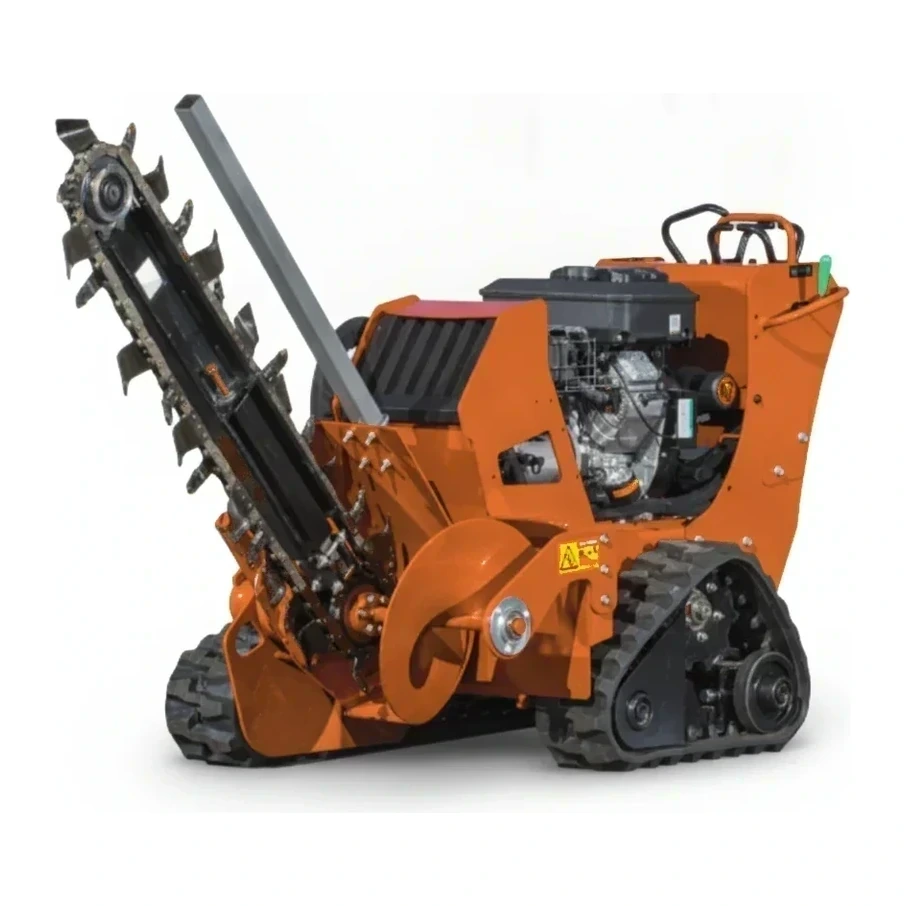
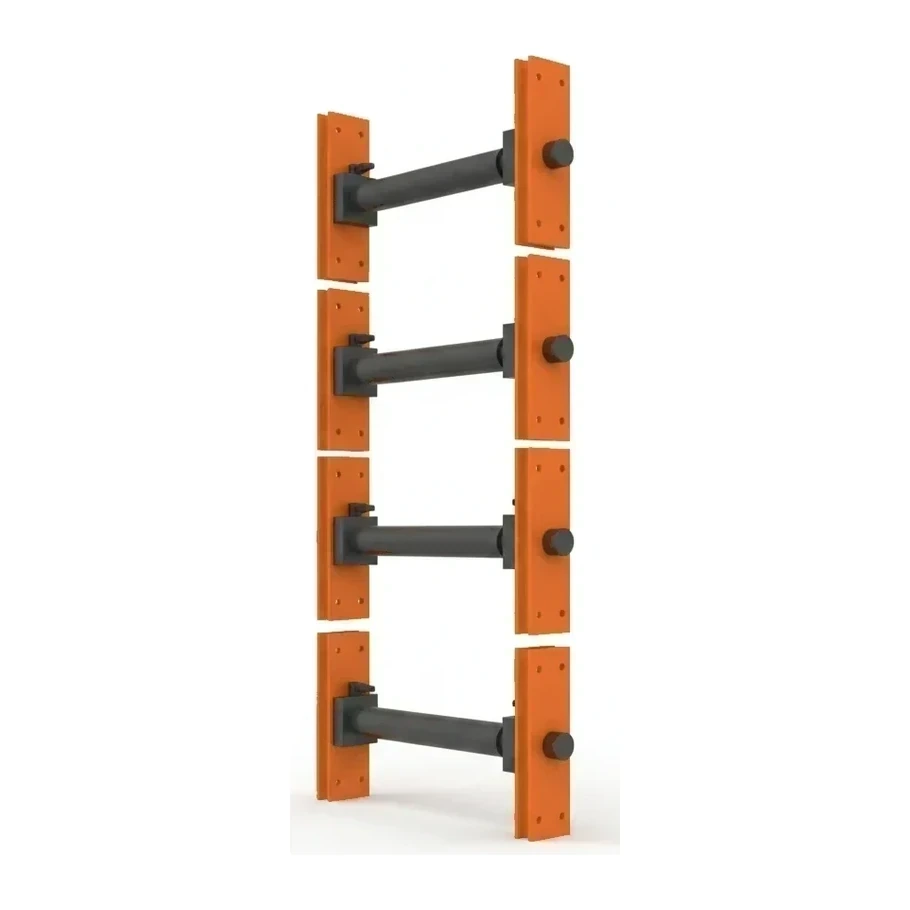
Trenchers cut uniform slots with digging chains; protective systems then either support the soil (shores, slide rail) or shield the workers inside (boxes) once depth passes the protection threshold. Soil classification by a competent person selects the system, and daily inspection keeps it valid.
Types et variantes
- Shoring
- Hydraulic shores, trench boxes, and slide rail protective systems.
- Trenchers
- Walk-behind and ride-on chain trenchers for utility excavation.
Comment choisir
The dig selects the trencher — depth, length, soil — and OSHA's excavation framework selects the protection: any trench 5 ft or deeper needs a system chosen by soil type, with engineered design beyond 20 ft. Utility locates precede the cut; competent-person oversight runs throughout.
Normes et certifications
- OSHA · 29 CFR 1926 Subpart P
- Excavation rules; protective systems are required in trenches 5 ft (1.5 m) or deeper.
- Common Ground Alliance
- Damage-prevention best practices, including 811 notification before any excavation.