
Trench Shielding and Shoring
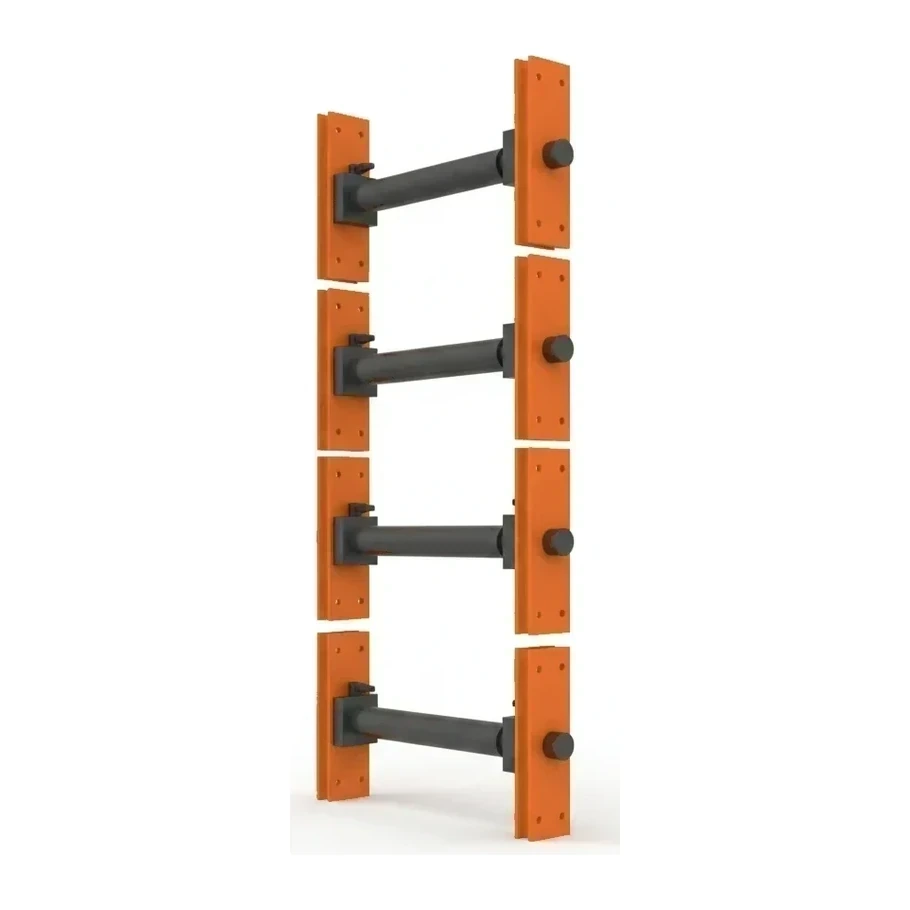
Shoring systems protect workers from trench collapse — the deadliest routine hazard in excavation. Vertical hydraulic shores are the largest class, with slide rail systems and trench boxes covering the protective-system spectrum.
Fonctionnement
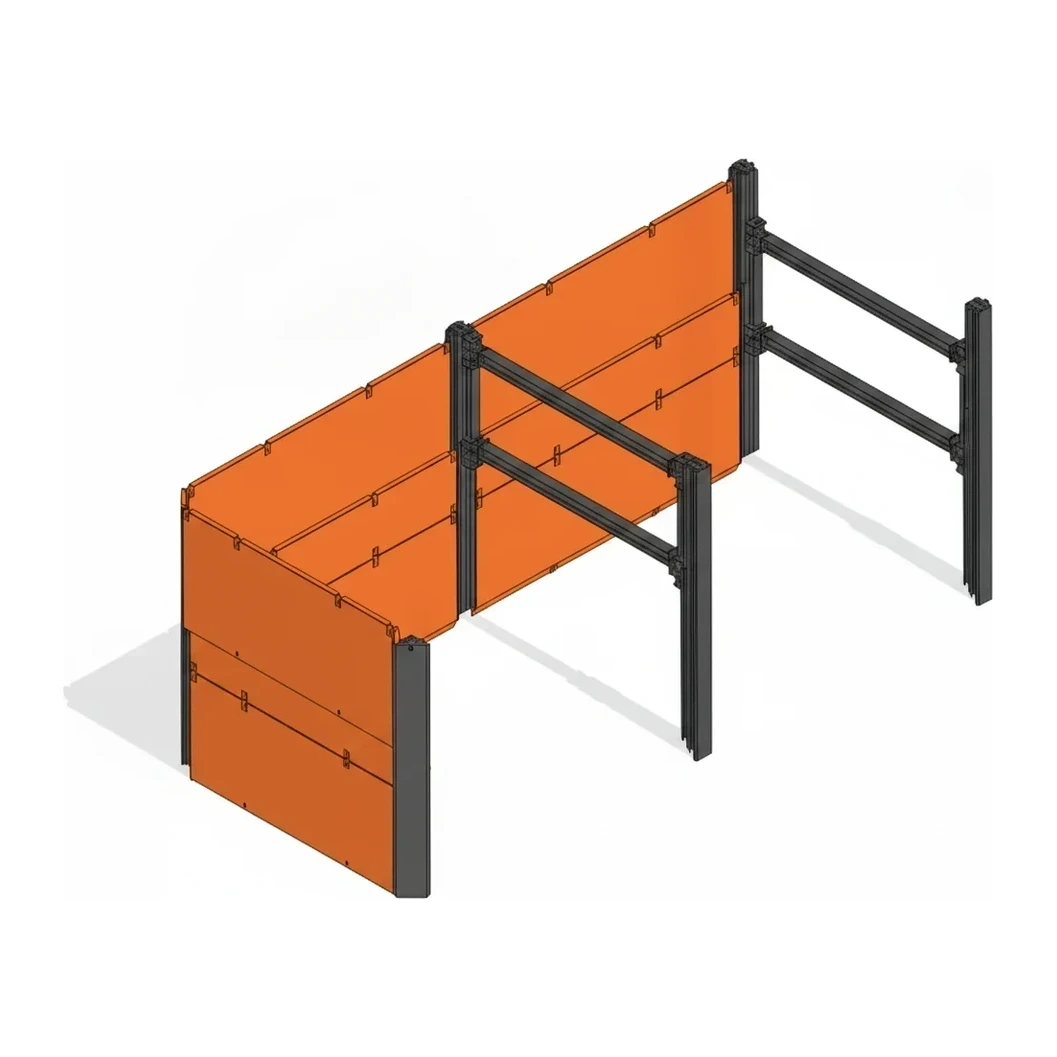
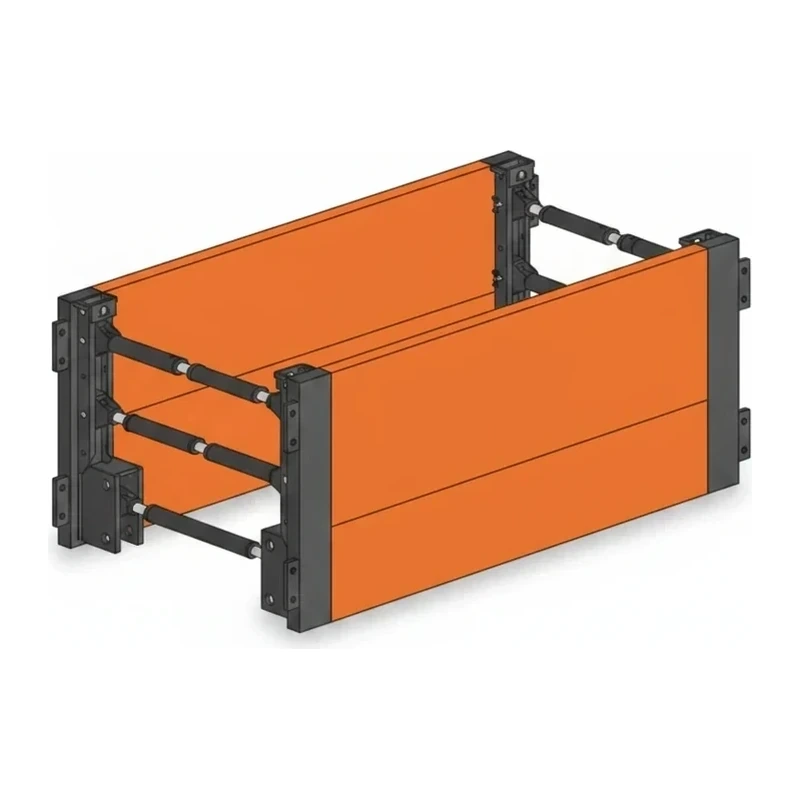
Hydraulic shores actively support the soil, pumped tight against both walls to prevent movement before it starts. Shields do not stop wall movement — they protect the space inside while soil may collapse against them. Slide rail installs panel-by-panel as the excavation deepens, supporting soil continuously the way neither portable method can.
Types et variantes
- Vertical Hydraulic Shore
- Hydraulic cylinders and rails that press trench walls apart to prevent collapse.
- Slide Rail System
- Post-and-panel shoring installed progressively for deep or large excavations.
- Trench Box
- Steel shield with spreaders that protects workers from trench wall collapse.
Comment choisir
OSHA's framework decides: excavations 5 ft and deeper need a protective system chosen by soil classification, with tabulated data covering routine cases and engineered design beyond 20 ft. Hydraulic shores suit stable soils and utility work; shields suit production pipe laying; slide rail takes deep pits and bad ground — all under a competent person's daily inspection.
Normes et certifications
- OSHA · 29 CFR 1926 Subpart P
- Excavation rules; protective systems are required in trenches 5 ft (1.5 m) or deeper.