

Boring and Trenchless
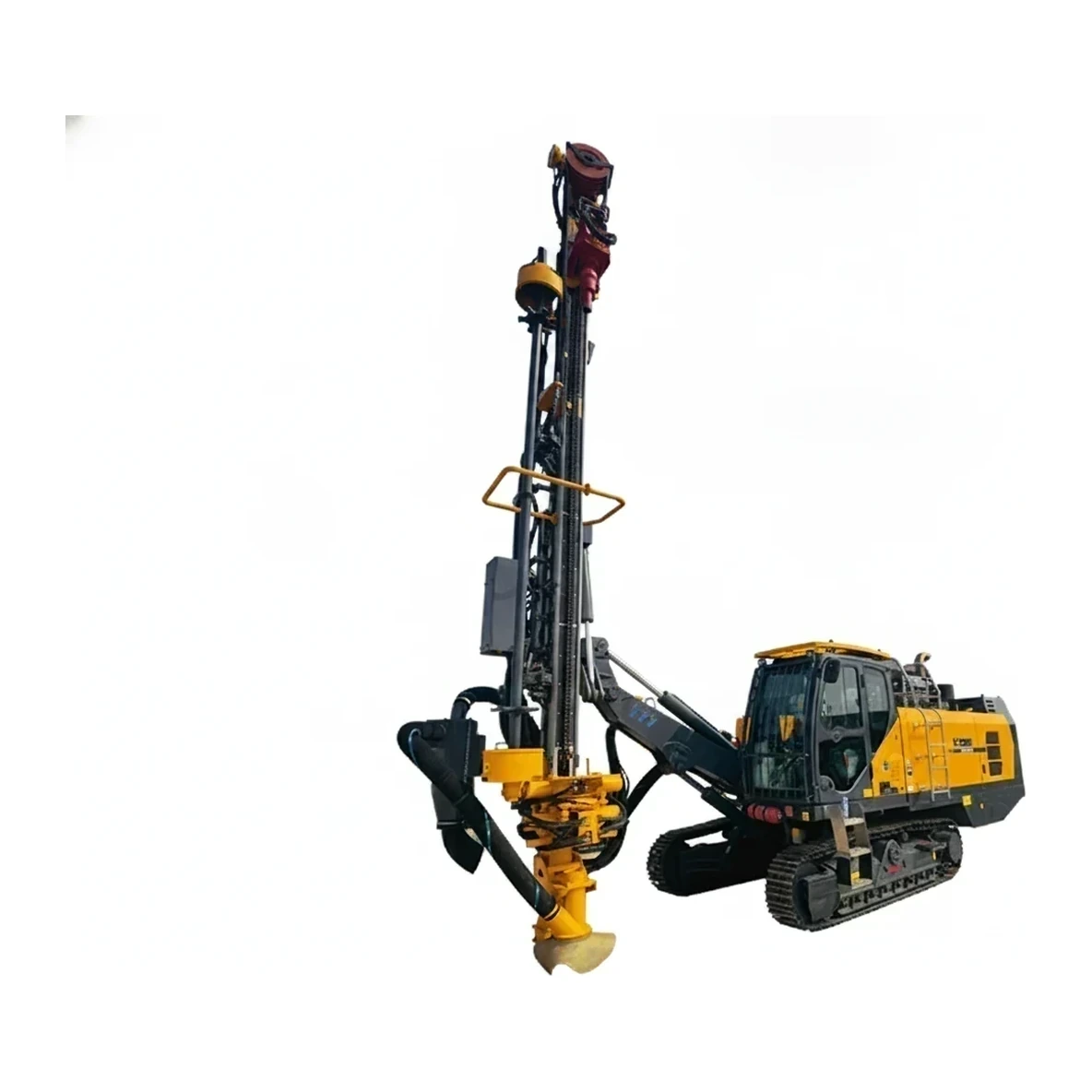
Fonctionnement
Boring and trenchless equipment operates by advancing drill heads, augers, or boring tools through subsurface soil and rock formations using hydraulic or mechanical power systems mounted on surface platforms. Surface drill rigs position drilling apparatus at predetermined entry points and angles, applying rotational force and thrust to penetrate underground while simultaneously managing drill string stability, spoil removal, and guidance systems. Operators control depth, trajectory, and drilling parameters from surface-mounted control stations, often utilizing electronic guidance technology to ensure accurate subsurface alignment for utility installation or geological investigation.
Types et variantes
- Surface Drill Rig
- Top-mounted drilling platforms that perform vertical or angled boring operations from ground level, used for geotechnical investigation, foundation drilling, water well construction, and pilot hole creation for horizontal directional drilling projects
Normes et certifications
- OSHA · 29 CFR 1926 Subpart S
- Covers safety requirements for underground construction operations including boring and drilling activities
- ASTM International · ASTM D6286
- Standard guide for selection of drilling methods for environmental site characterization and subsurface conditions
- ISTT · Industry guidelines and best practices
- International Society for Trenchless Technology standards for trenchless installation methods and equipment operation
Questions fréquentes
What distinguishes trenchless equipment from traditional excavation machinery?
Trenchless equipment operates below ground to install utilities or create pathways without excavating a continuous open trench from the surface. This approach minimizes surface disruption, reduces restoration costs, and allows work beneath obstacles like roads and buildings where traditional trenching is impractical.
How are surface drill rigs classified in the industry?
Surface drill rigs are classified by drilling method (rotary, percussion, or combination), power source (hydraulic, mechanical, or pneumatic), maximum drilling depth capacity, hole diameter range, and mounting configuration (truck-mounted, crawler-mounted, or skid-mounted). Weight class and torque output also factor into classification.
What site conditions affect boring and trenchless equipment selection?
Soil type and composition, rock hardness, groundwater conditions, drilling depth requirements, required bore diameter, site access constraints, and proximity to existing utilities all influence equipment selection. Surface conditions, required drilling angle, and spoil handling capabilities also determine appropriate machine choice.
What maintenance considerations apply to boring and trenchless equipment?
Critical maintenance includes inspection and replacement of drill bits and tooling, hydraulic system servicing, guidance system calibration, and lubrication of rotating components. Drilling fluid systems require regular cleaning, and rod joints need inspection for wear. Undercarriage components on tracked units and structural integrity of masts require periodic examination.