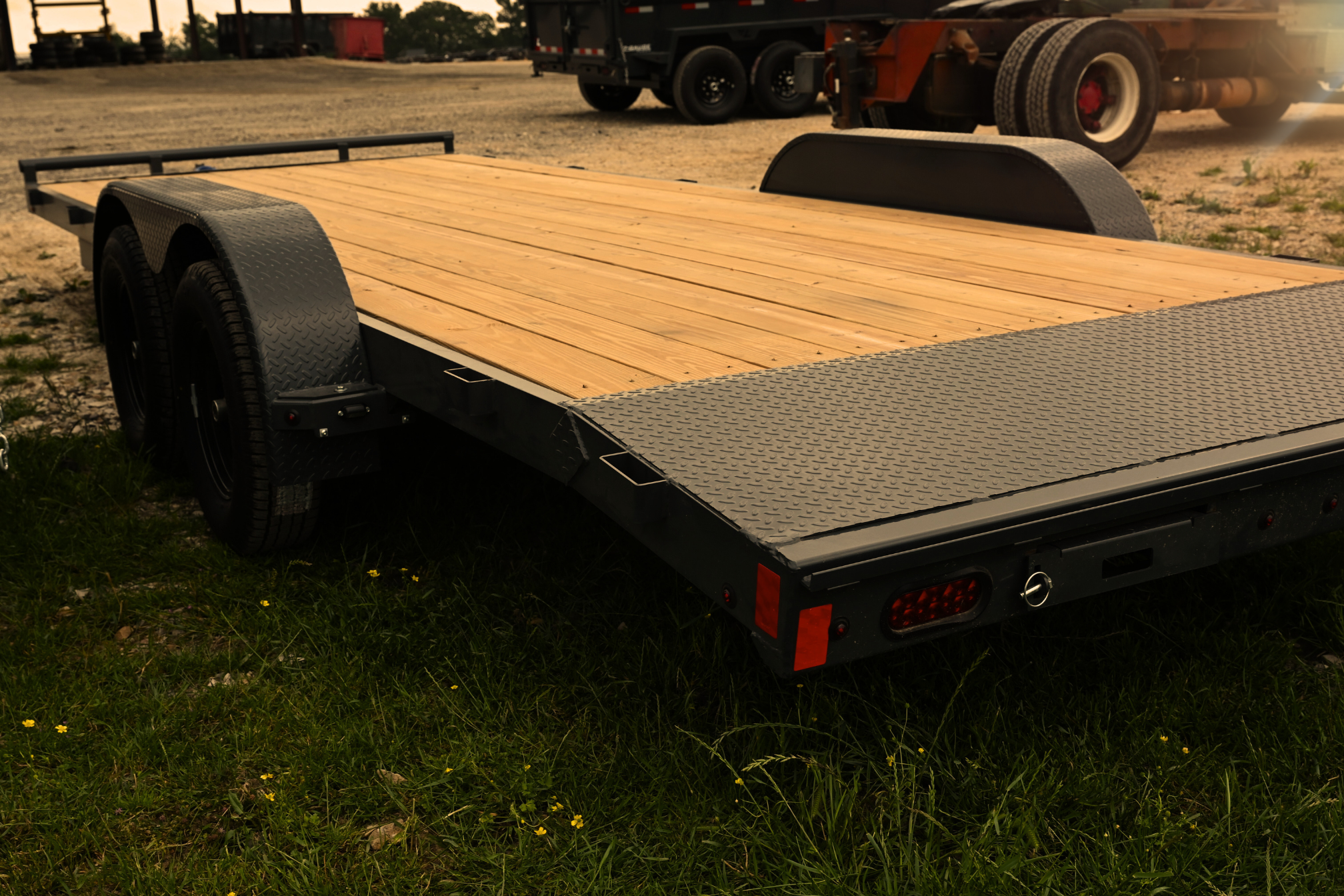
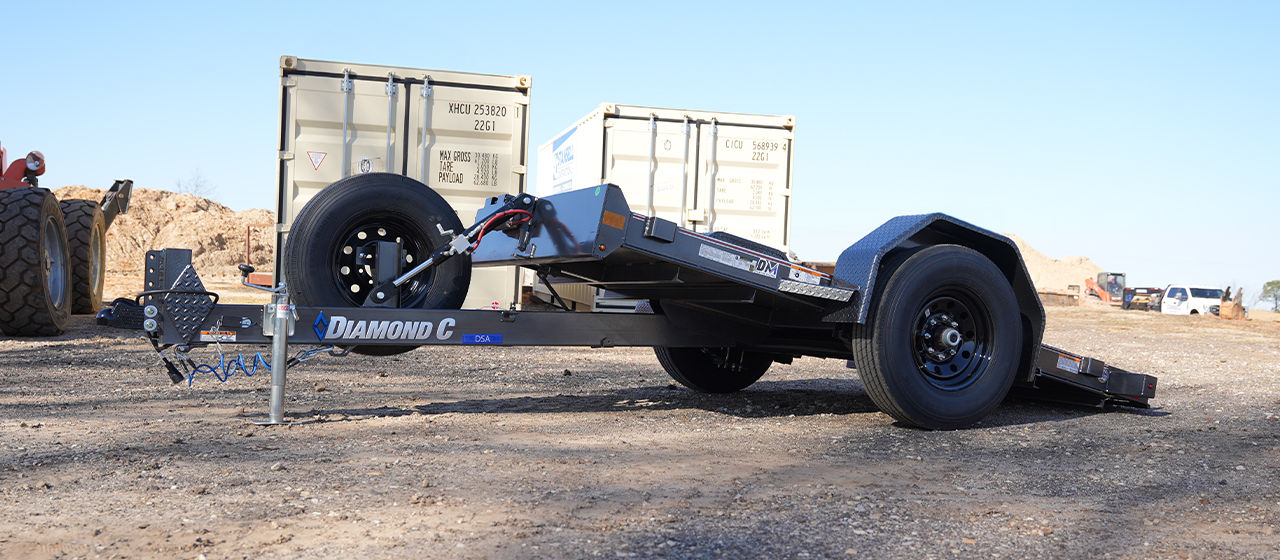
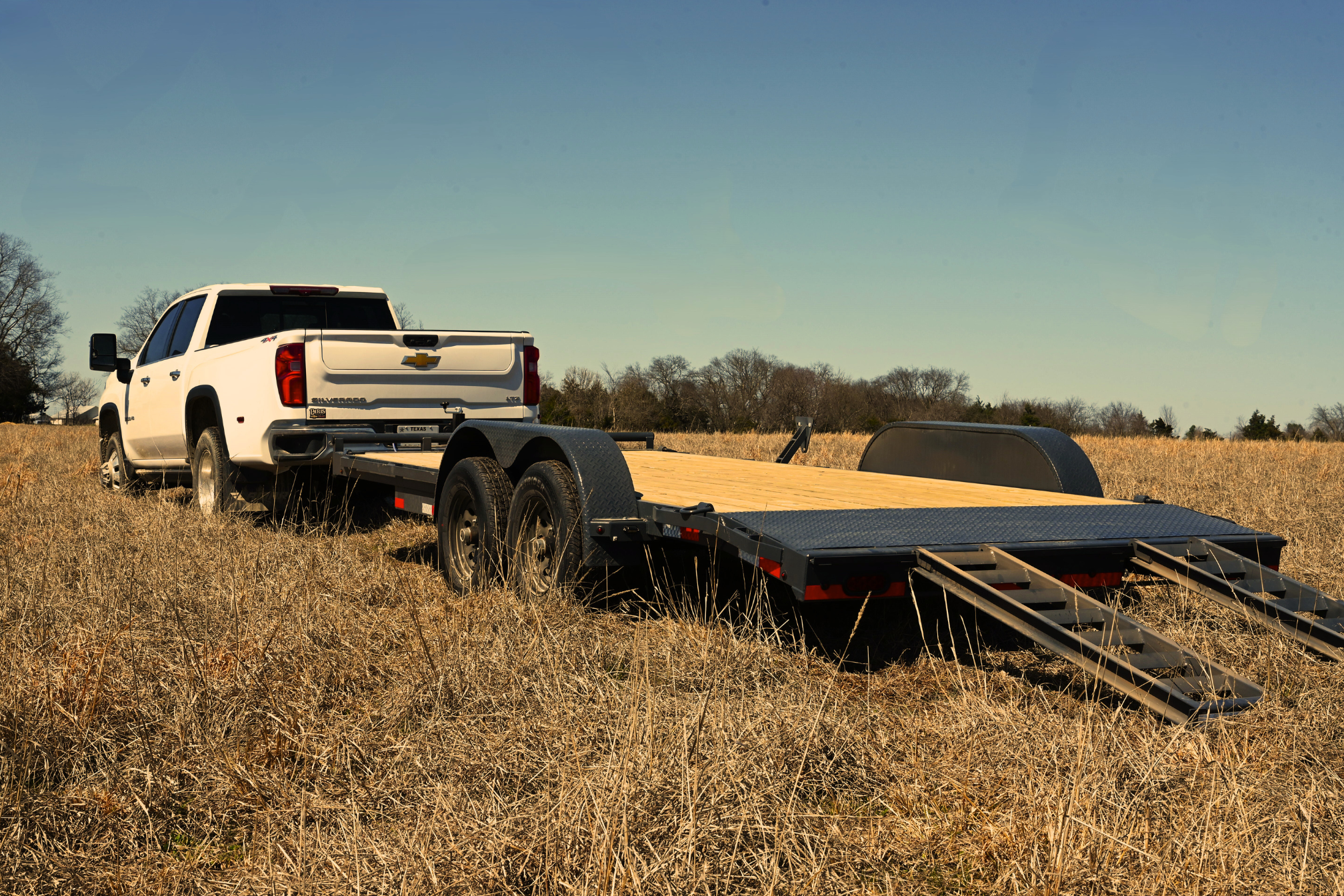
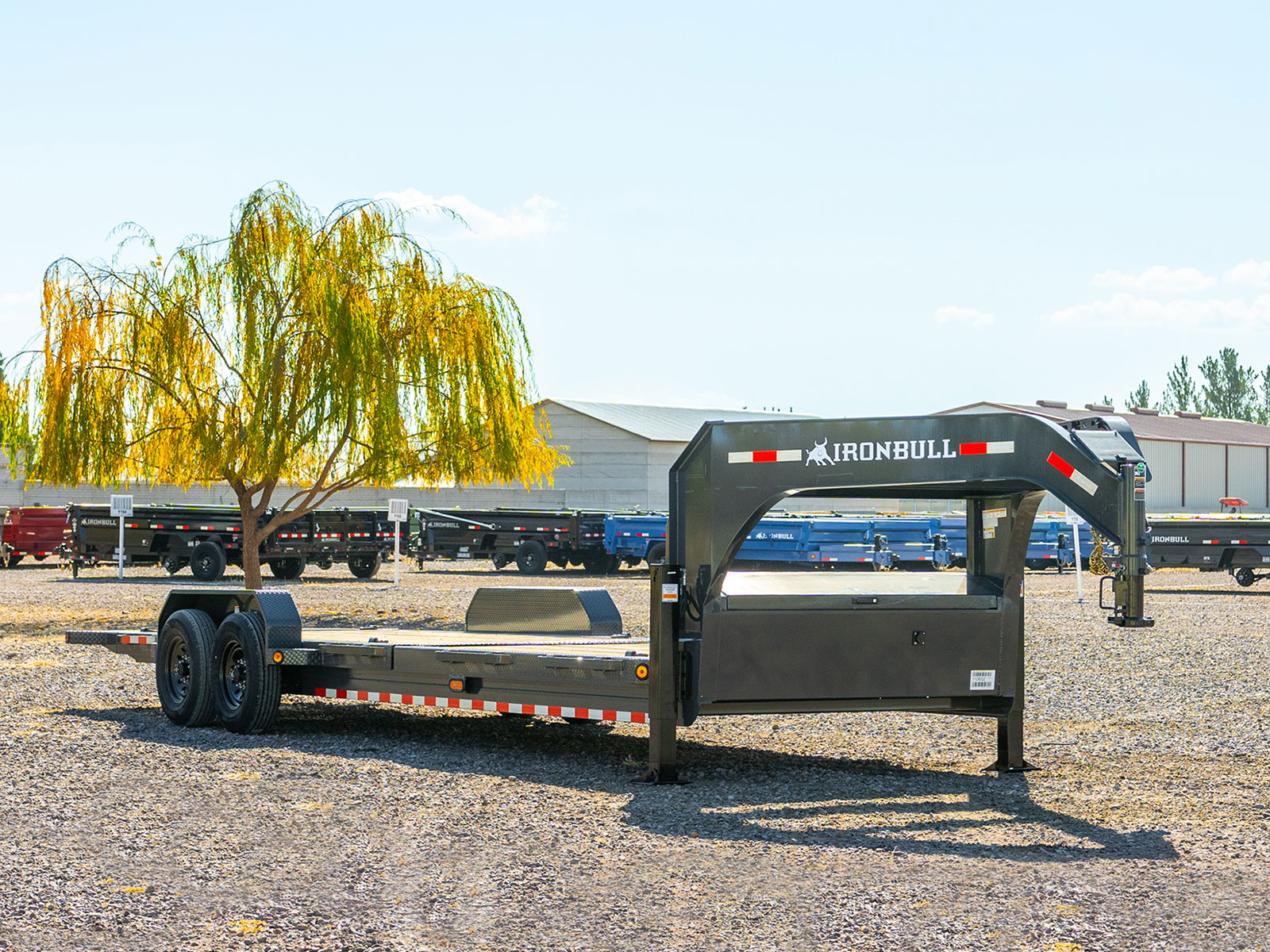
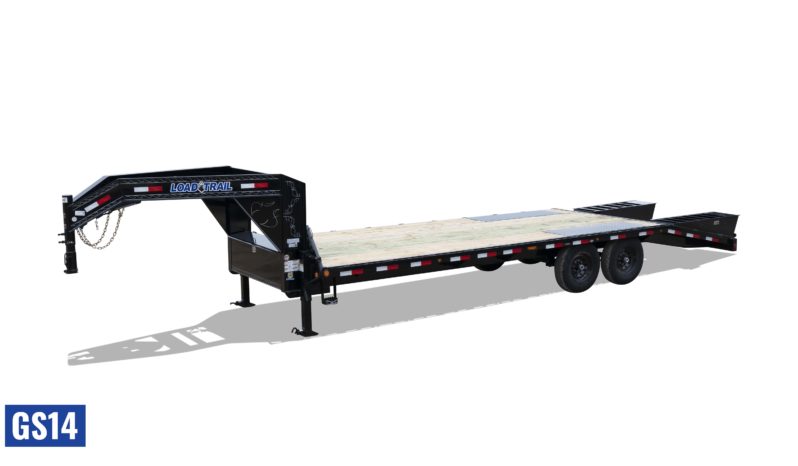
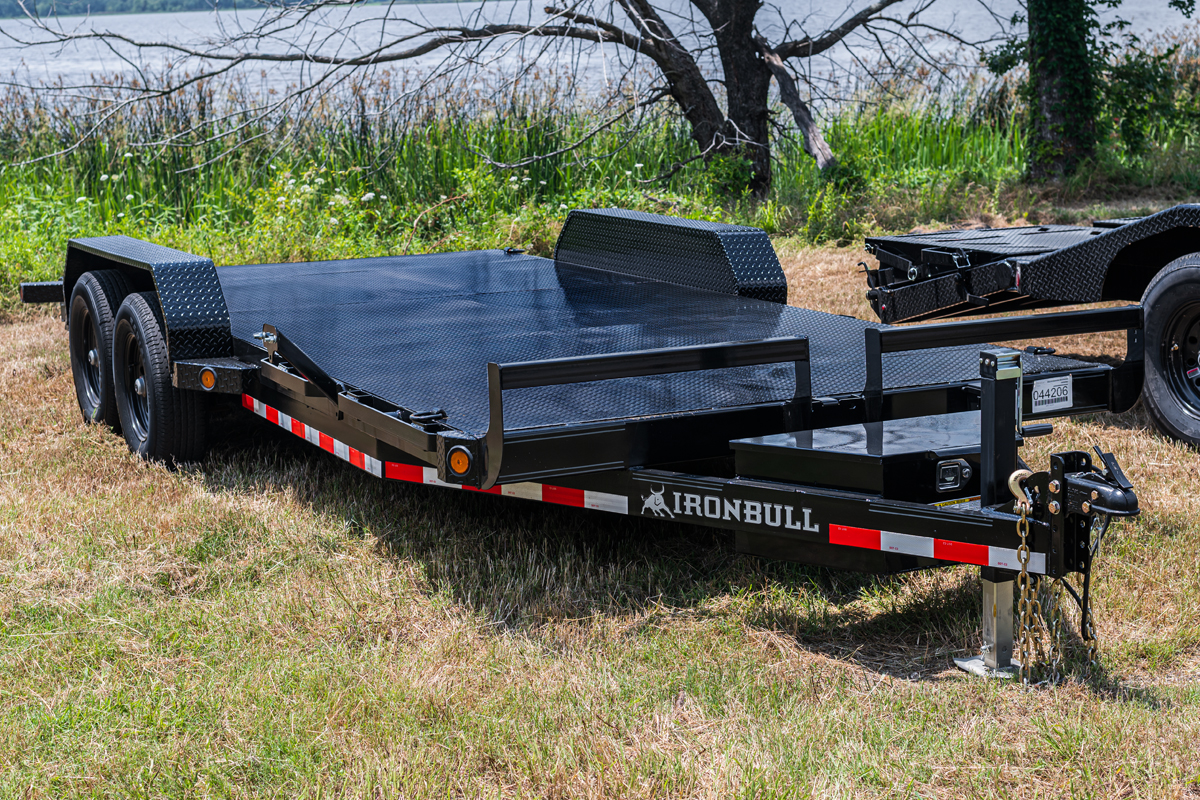
Up to 10,000 lb Equipment Trailer
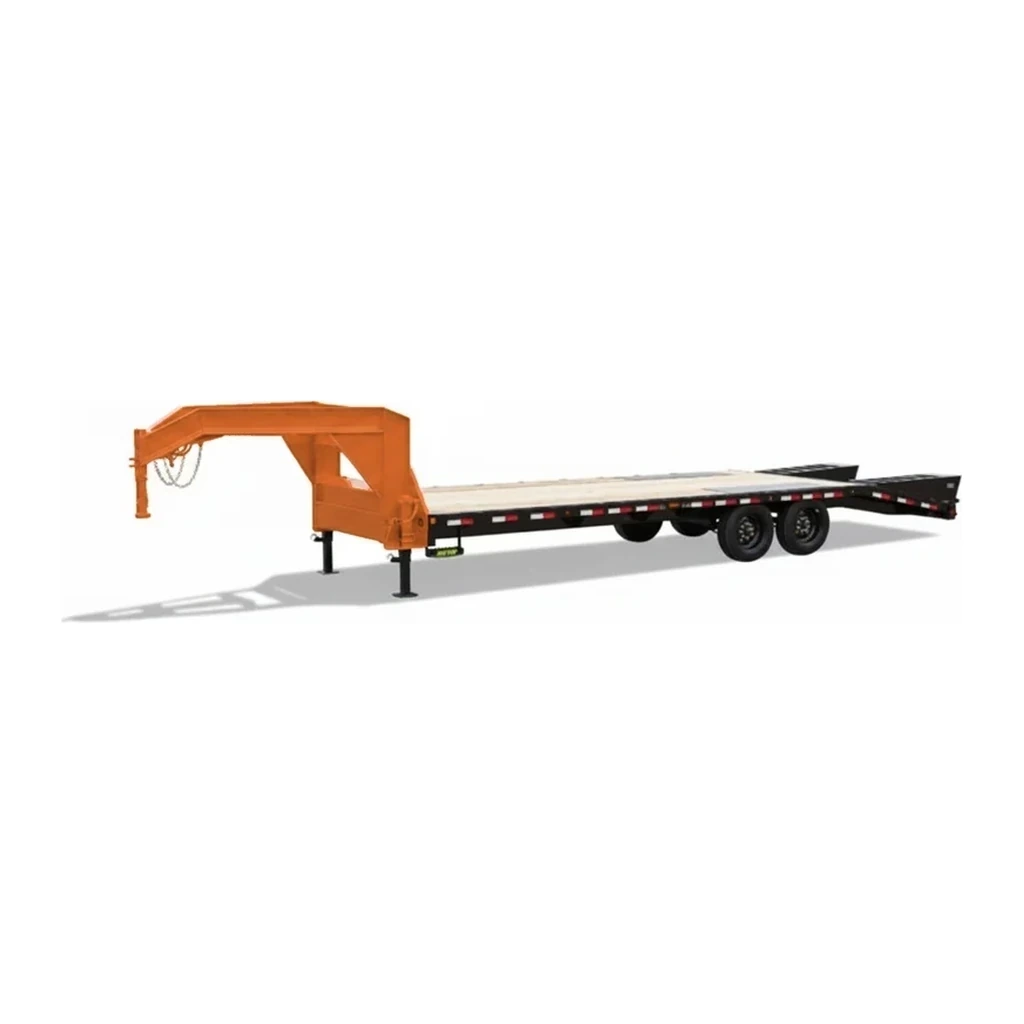
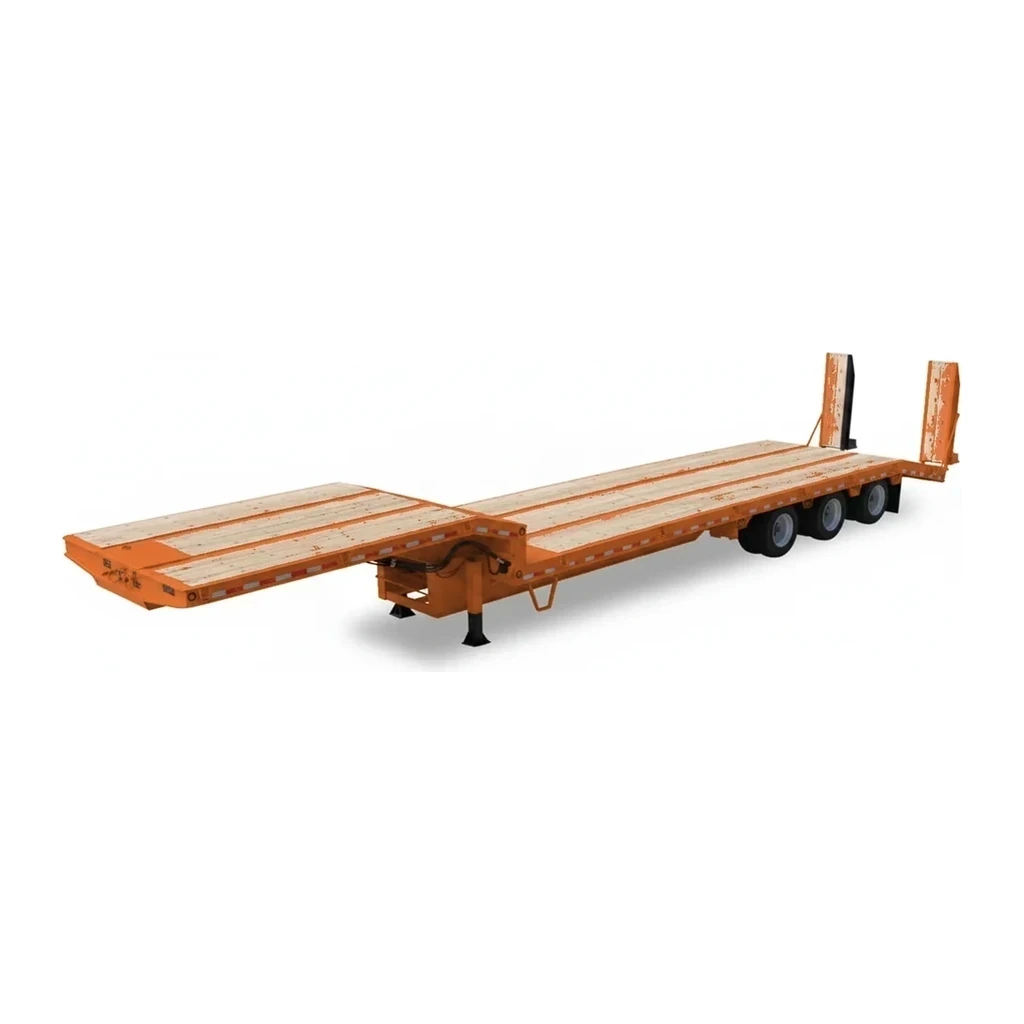
Up to 10,000 lb equipment trailers are the lightest class in the equipment trailer ladder, designed to transport a single compact machine, typically a mini excavator or skid steer, behind a 3/4-ton pickup. These trailers bridge the gap between utility trailers and heavier haulers, offering enough capacity for jobsite equipment without requiring a CDL or heavy tow vehicle. For larger machines or tandem loads, the 10,000-14,000 lb Equipment Trailer class provides additional margin.
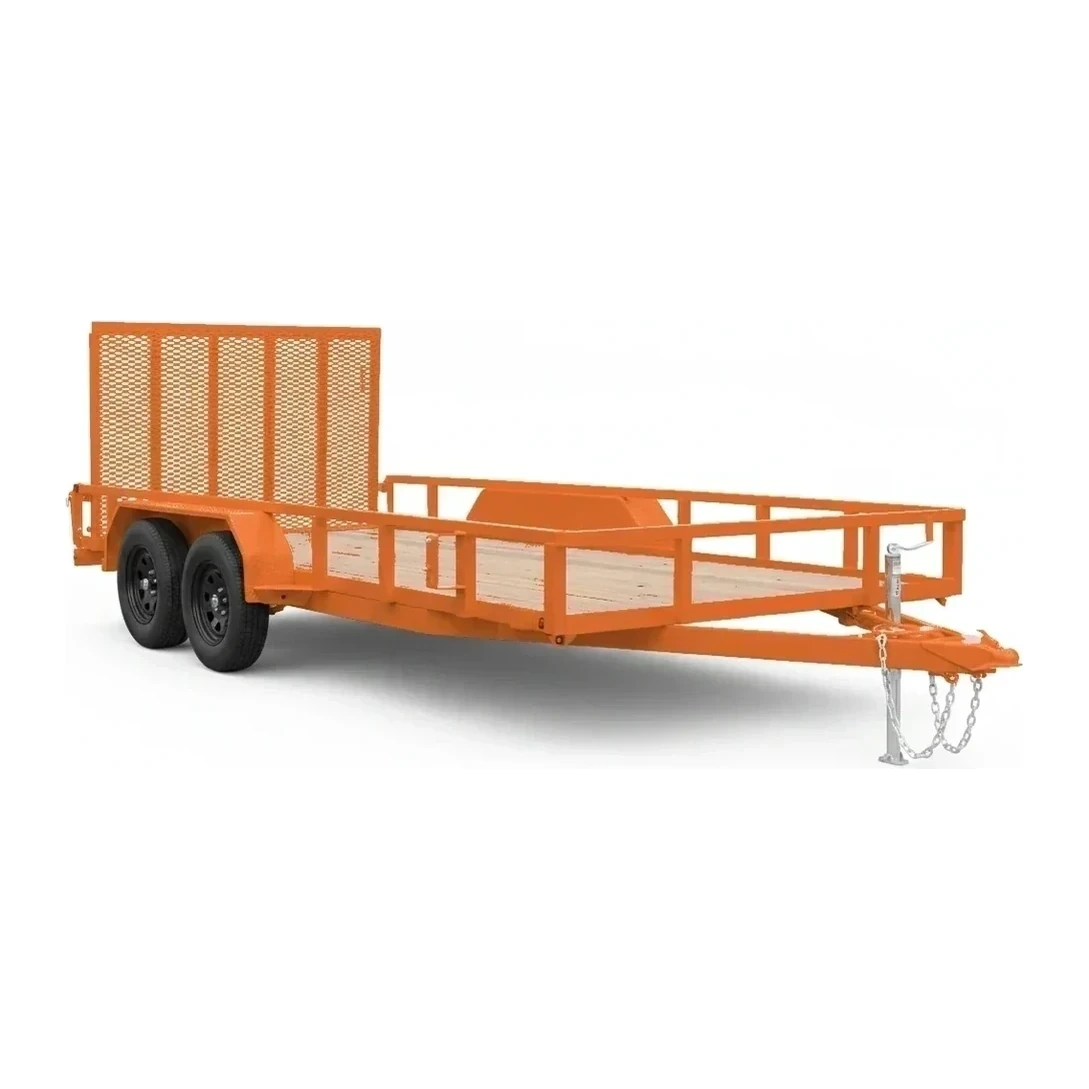
Cat classes
Choisissez une classe de taille : la capacité et la portée varient selon la gamme.
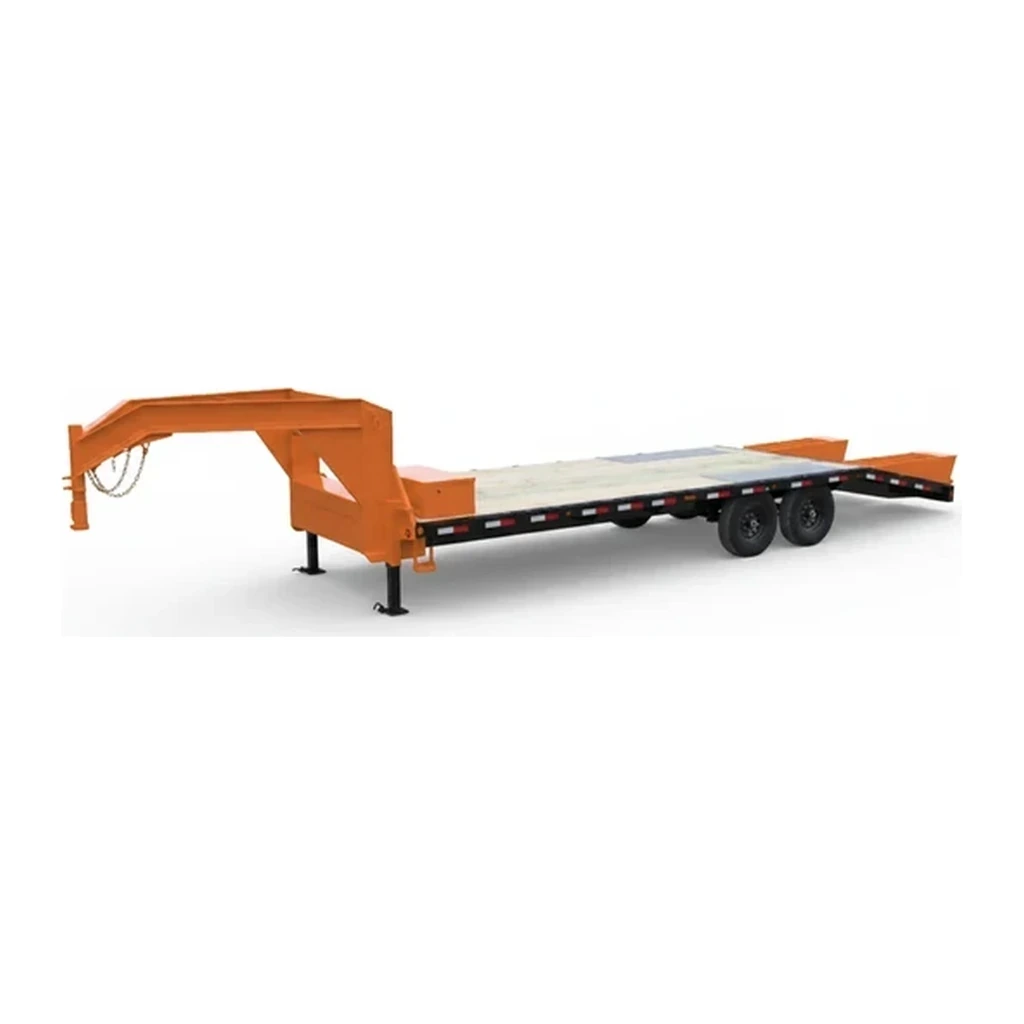
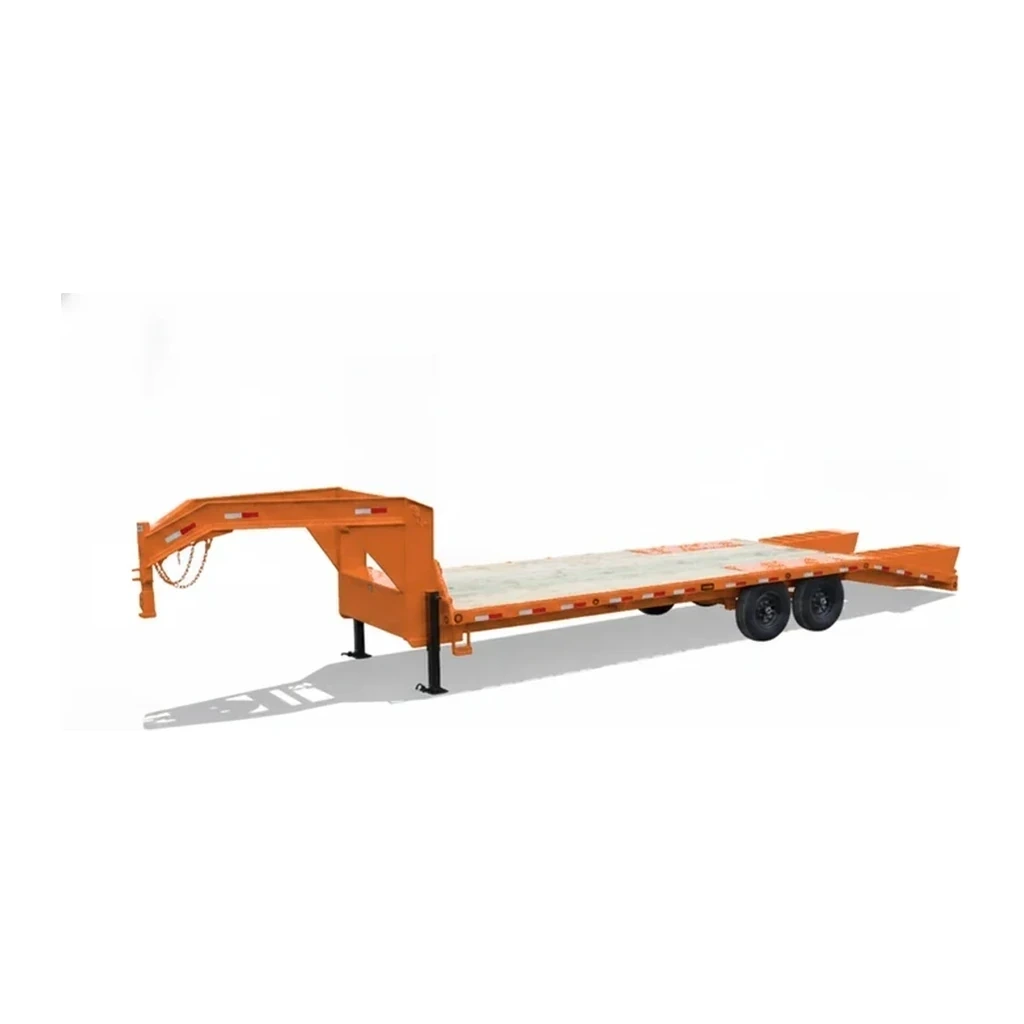
Spécifications clés
| Spécification | Plage typique | Signification |
|---|---|---|
| Load capacity | 680-4,530 kg (1,500-10,000 lb) | Gross vehicle weight rating minus trailer weight; determines which machines can be legally hauled |
| Deck length | 14–20 ft (4.3–6.1 m) | Accommodates compact excavators, mini skid steers, and small utility tractors with track or wheelbase clearance |
| Deck width | 80–83 in (203–211 cm) | Wide enough for most compact equipment, though wider machines may overhang |
| Tongue weight | 10-15% of GVWR | Hitch load when properly balanced; affects tow vehicle suspension and stability |
Comment choisir
This size class is appropriate when hauling a single compact machine, mini excavators under 6,000 lb, compact skid steers, or similar equipment, with a 3/4-ton or light 1-ton pickup. The upper limit of 10,000 lb GVWR keeps most configurations below commercial licensing thresholds in many jurisdictions. When the machine and fuel approach 8,000 lb operating weight, or when two pieces of equipment must travel together, the 10,000-14,000 lb Equipment Trailer class offers the necessary margin and often includes heavier axles and brake upgrades. For landscape or ATV work, a utility trailer may suffice at lower cost.
Ce que cette taille peut gérer
- Transporting a 1.7-ton mini excavator from shop to residential excavation site
- Hauling a compact skid steer to a landscaping project within 50 miles
- Moving a walk-behind trencher and plate compactor as a paired load
- Delivering a compact track loader to a light commercial grading job
- Shuttling a small utility tractor and attachments between rural properties
Sécurité et opération
- Machines must be centered on the deck to maintain 10-15% tongue weight; excessive rear bias causes trailer sway
- Tie-down points, D-rings or stake pockets, should be rated for the equipment weight; four-point securement is standard practice
- Tire pressure and wheel bearing inspection required before each haul; overheating bearings are common on underinflated or overloaded trailers
- Brake controller gain must be adjusted for the loaded weight to prevent trailer push or lockup during stops
Transport et logistique
- Towed by 3/4-ton or 1-ton pickups with factory or aftermarket receiver hitches rated to match trailer GVWR
- Most configurations remain under 26,001 lb combined weight, avoiding CDL requirements in the U.S. when operated non-commercially
- Equipped with 2-5/16" ball couplers and safety chains; electric brakes on trailers above 3,000 lb GVWR in most states
Alimentation
- No onboard power or fuel systems; trailers are unpowered platforms
- Loaded equipment should be transported with fuel tanks at or below half to reduce weight and comply with DOT regulations
- 7-way RV-style electrical connectors provide running lights, turn signals, and electric brake controller signal to the tow vehicle
Questions fréquentes
What size tow vehicle is required for an Up to 10,000 lb equipment trailer?
Can this trailer haul two compact machines at once?
Are electric brakes required on trailers in this weight class?
Équipements connexes
Parcourir par fabricant
Sources
Chaque spécification est vérifiée par rapport aux données publiées par le fabricant, avec la source liée pour référence.
Up to 10,000 lb Equipment Trailer
37 modèles · Chaque spécification citée à la source