14,000+ lb Utility Trailer
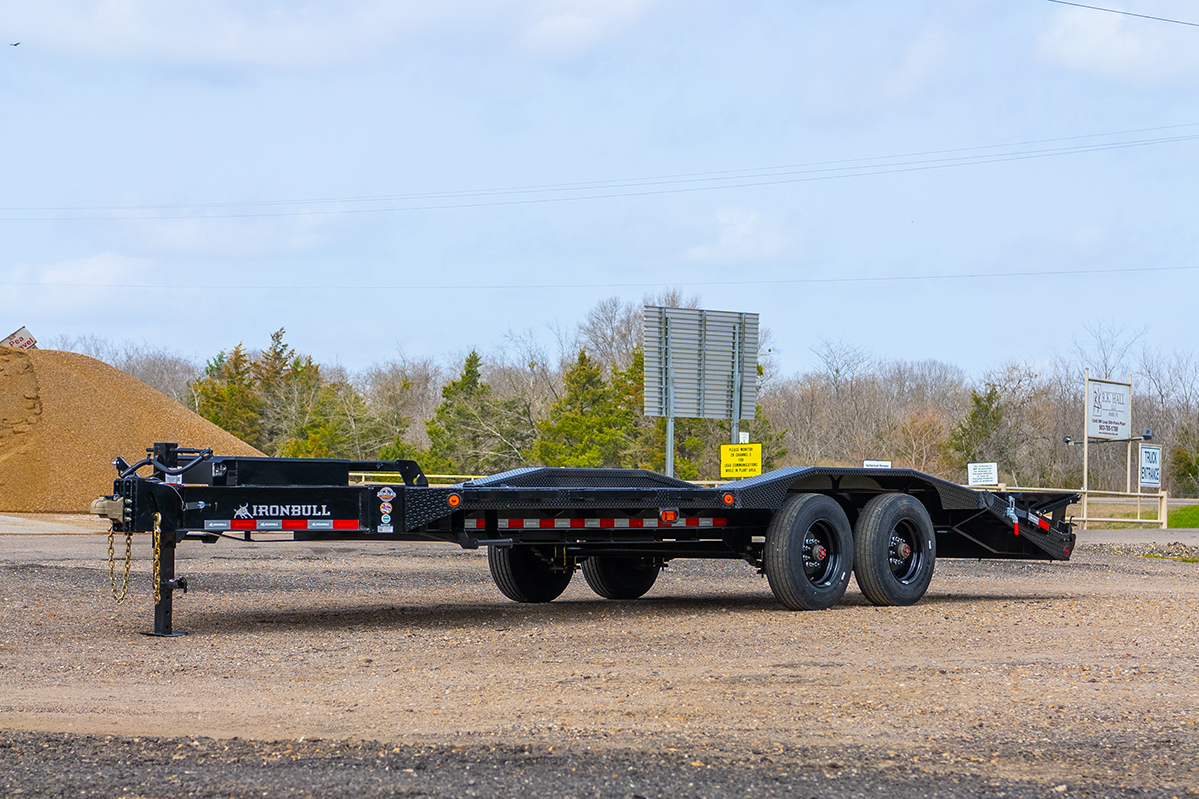
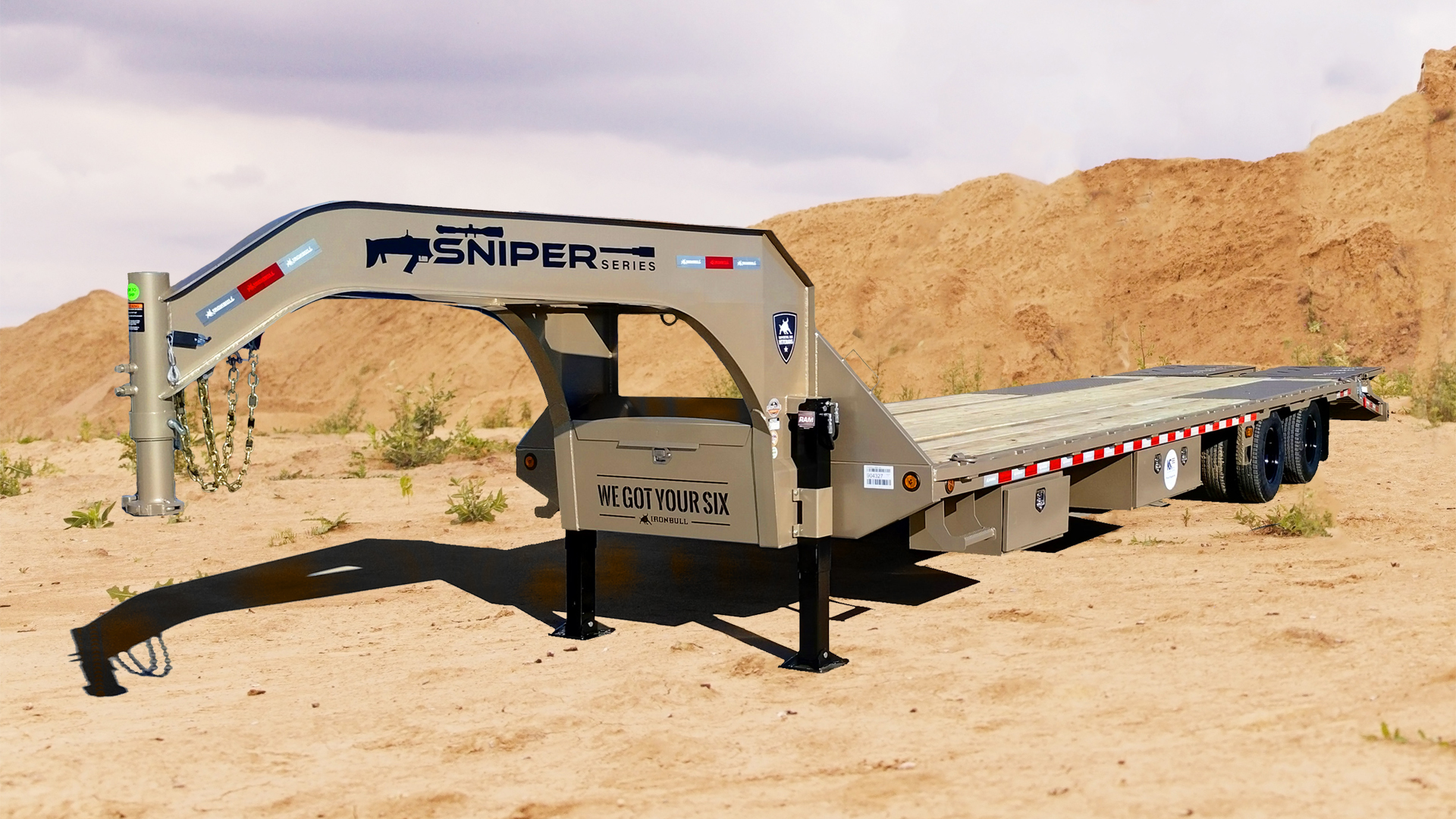
The 14,000+ lb Utility Trailer class represents the heaviest open trailers in the utility trailer ladder, approaching regulatory thresholds that may trigger commercial driver's license requirements in many jurisdictions. These trailers handle multi-ton equipment loads, bulk construction materials, and other heavy-duty hauling tasks beyond the capacity of lighter utility trailers. Typical load capacities range from 7,257 to 47,260 kg, with engine power from 24.8 to 74.3 hp where self-propelled or auxiliary systems are present.
Cat classes
Choisissez une classe de taille : la capacité et la portée varient selon la gamme.
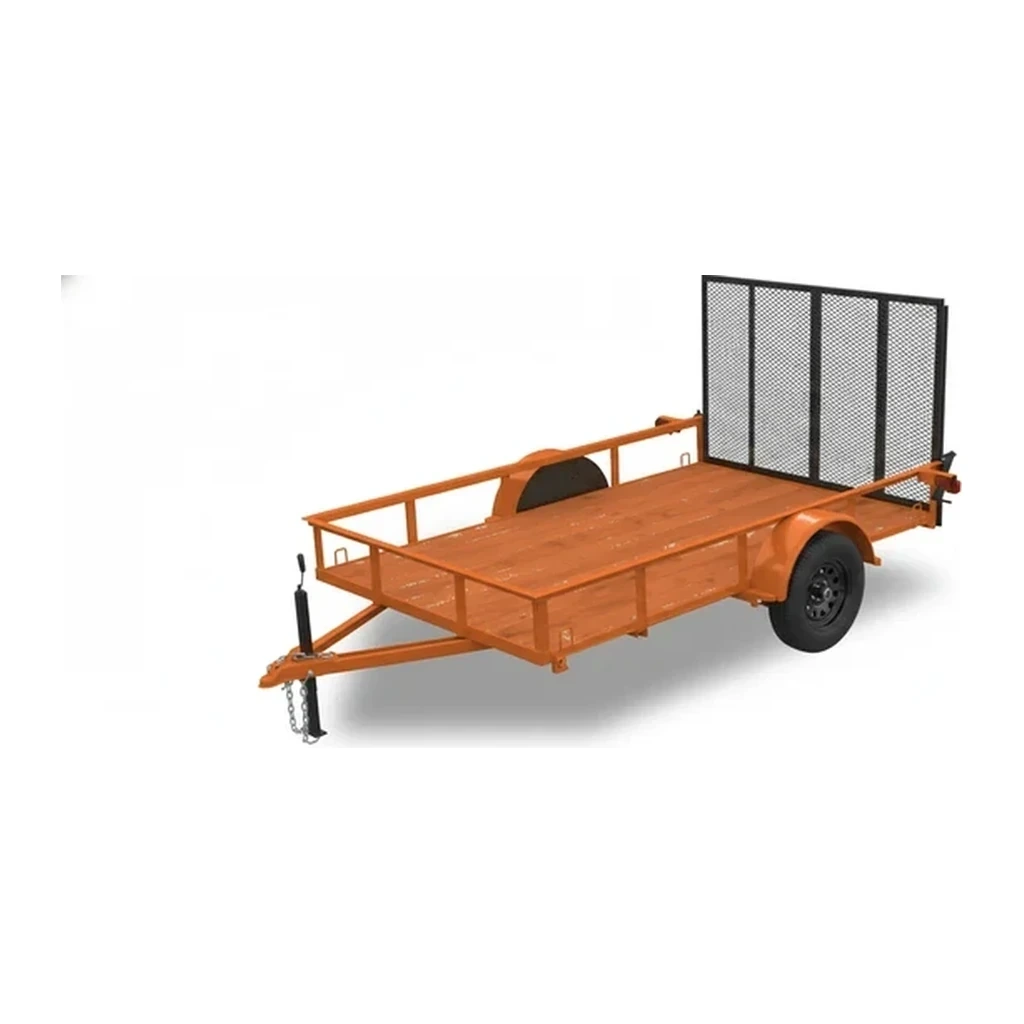
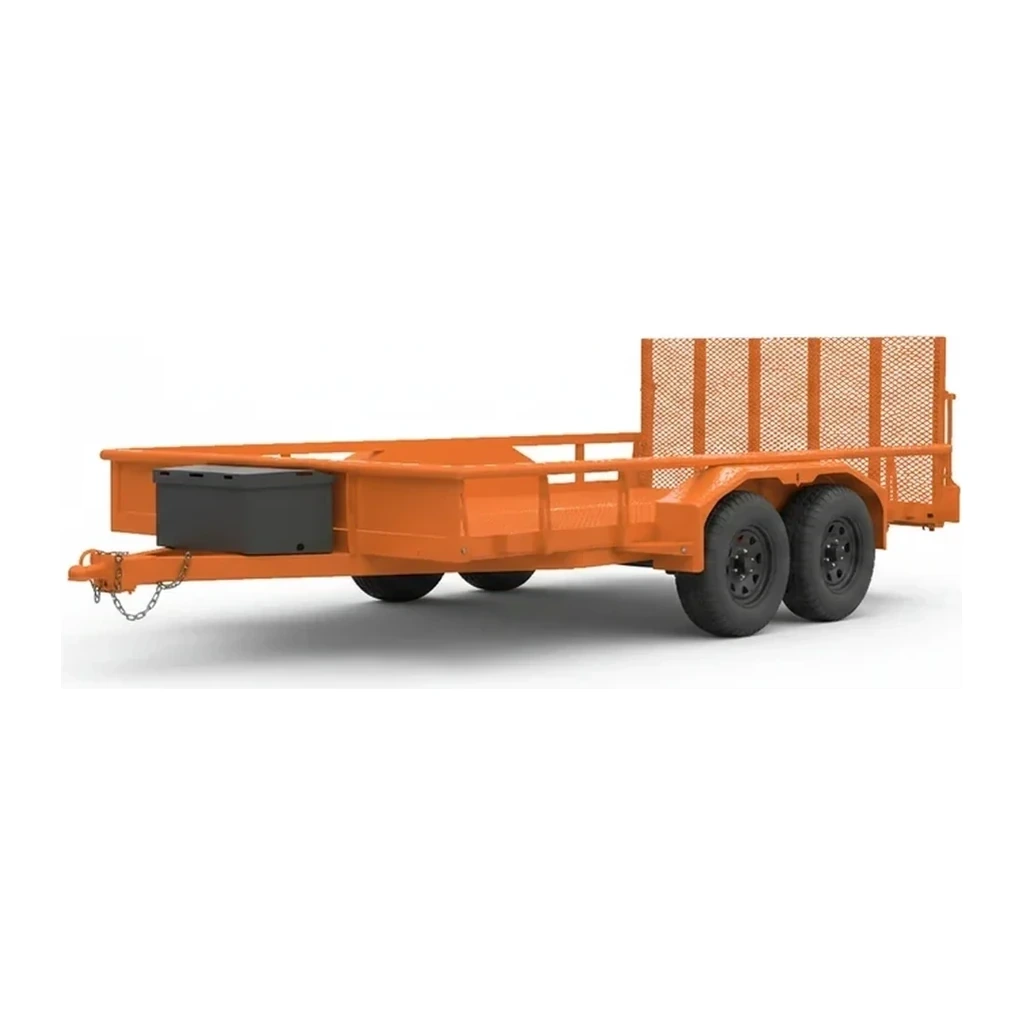
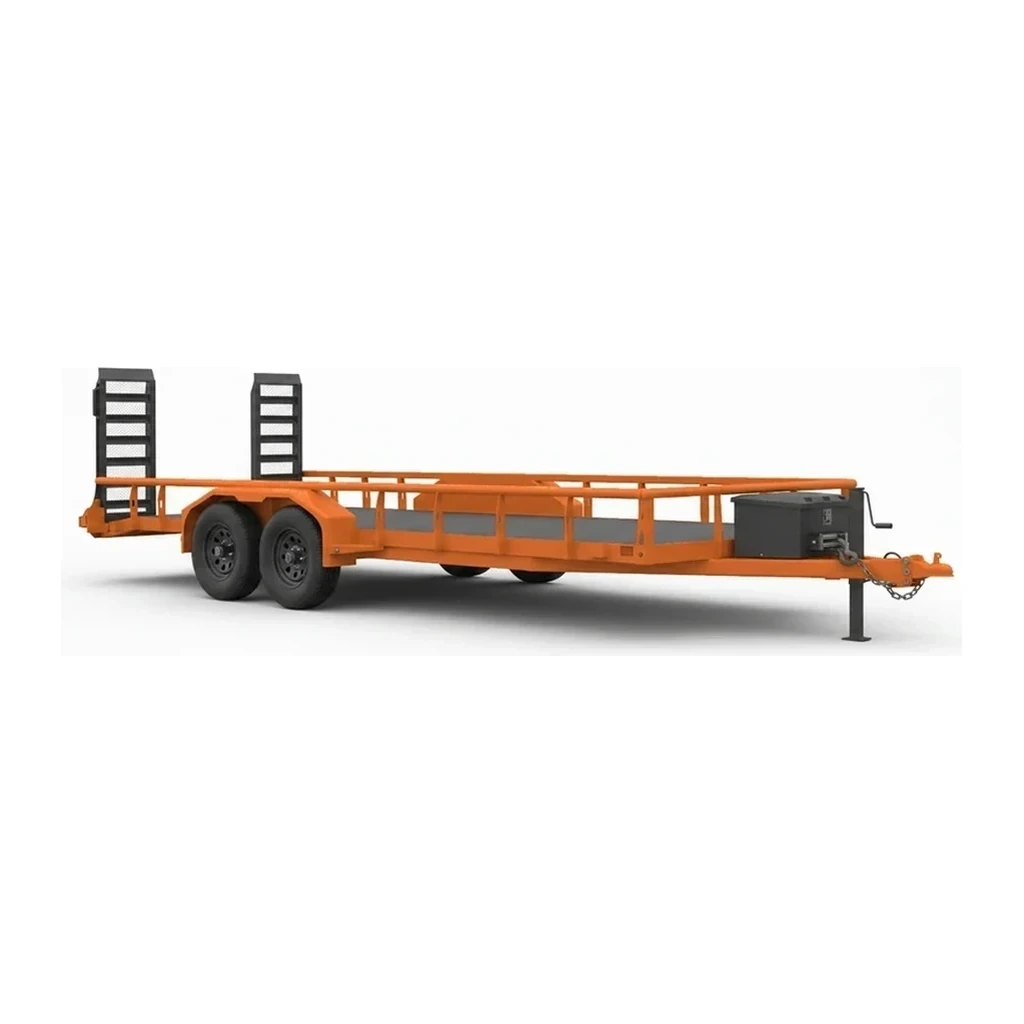
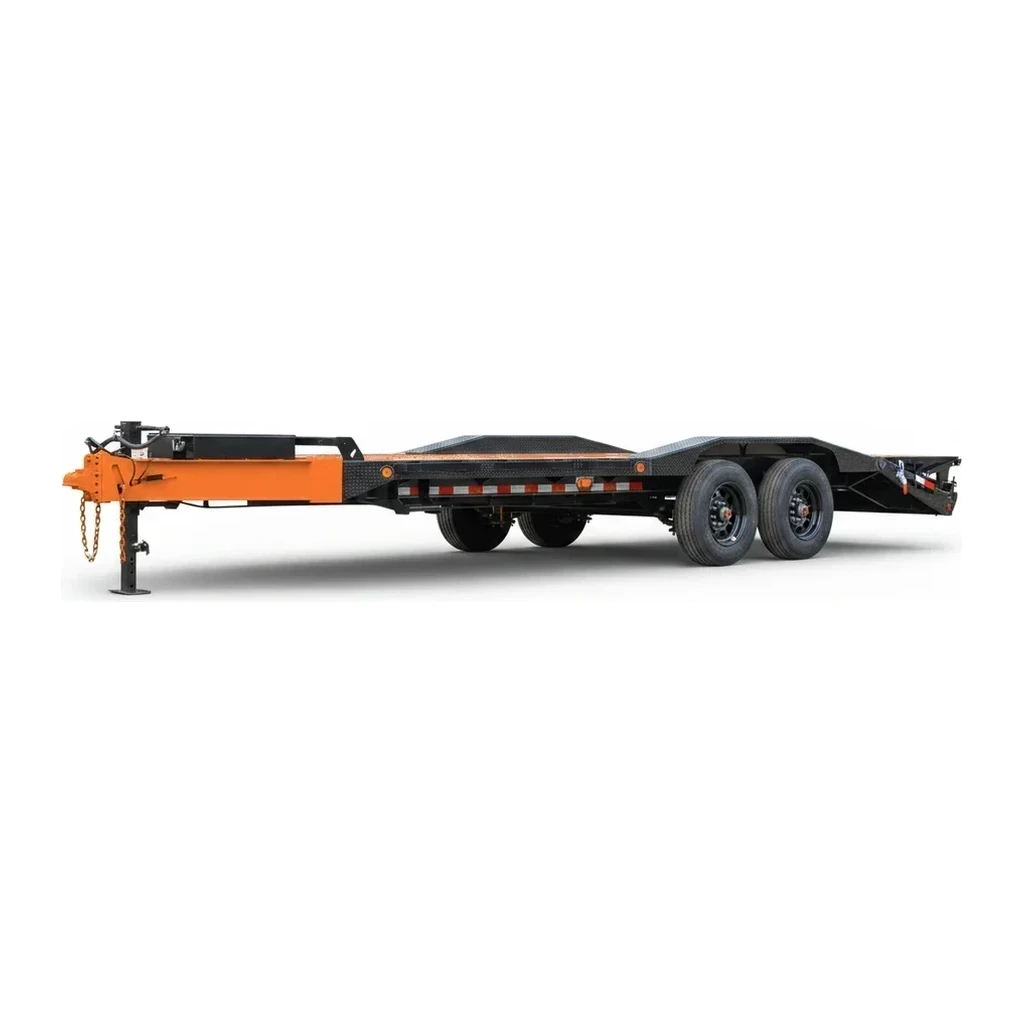
Spécifications clés
| Spécification | Plage typique | Signification |
|---|---|---|
| Load capacity | 7,257-47,260 kg (16,000-104,200 lb) | Gross weight capacity determines maximum cargo and equipment loads before exceeding trailer rating |
| Engine power (where equipped) | 24.8-74.3 hp | Auxiliary power units on some models support hydraulic systems, winches, or self-loading mechanisms |
| GVWR threshold | ≥14,000 lb | Combined trailer and load weight may require commercial licensing depending on jurisdiction and towing configuration |
Comment choisir
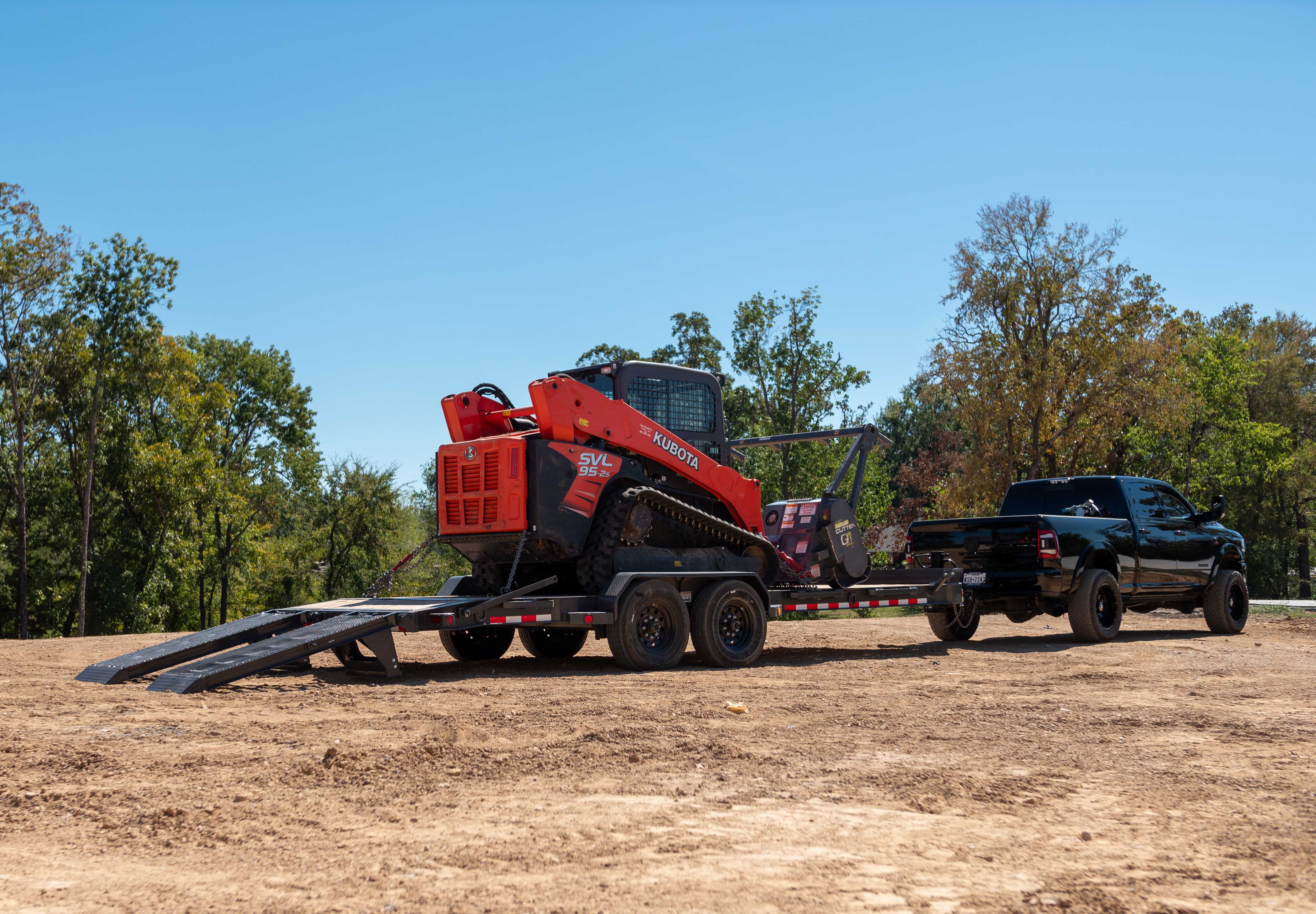
The 14,000+ lb class suits heavy equipment transport, bulk material hauling, and multi-ton loads that exceed the capacity of smaller trailers. Contractors moving excavators, skid steers, pallet loads of block or stone, or multiple pieces of mid-size equipment in a single trip operate in this band. For lighter cargo, tools, landscaping equipment, or single compact machines, the 7,000-14,000 lb Utility Trailer offers easier towing and broader vehicle compatibility without approaching CDL thresholds. This is the top rung of the utility trailer ladder; heavier needs typically move to specialized lowboy, gooseneck, or flatbed trailers outside the utility classification.
Ce que cette taille peut gérer
- Hauling excavators, skid steers, or compact loaders to construction sites
- Transporting pallet loads of bagged concrete, block, or aggregates
- Moving multiple pieces of mid-weight equipment in a single load
- Delivering utility vehicles, ATVs, or heavy landscaping machinery
- Bulk material transport for large-scale grading or demolition projects
- Shipping heavy fabricated steel, precast concrete elements, or industrial components
Sécurité et opération
- Verify tow vehicle GCWR (Gross Combined Weight Rating) and hitch capacity before coupling; exceeding ratings compromises braking and control
- Check trailer brake controller calibration and confirm electric or hydraulic brake function before loading or departure
- Secure cargo with chains, binders, or ratchet straps rated for load weight; shifting loads at highway speed create rollover and jackknife hazards
- Confirm local and state CDL requirements for the combined trailer and tow vehicle GVWR; regulations vary by jurisdiction and vehicle class
Transport et logistique
- Requires heavy-duty tow vehicles: typically one-ton pickups or larger with appropriate hitch receivers and brake controllers
- Combined GVWR often approaches or exceeds 26,000 lb, triggering CDL requirements in many states when towed behind certain vehicles
- Electric trailer brakes standard; some models feature hydraulic surge brakes or air brake systems for compatibility with commercial tow rigs
Alimentation
- Trailers with auxiliary power units typically run on gasoline or diesel; tank capacities vary by model and usage
- Most utility trailers in this class are unpowered; cargo equipment supplies its own fuel or electrical needs
- Winch or hydraulic tilt systems, where present, draw from tow vehicle battery via 7-pin connector or onboard engine-driven hydraulics
Questions fréquentes
Does towing a 14,000+ lb utility trailer require a CDL?
What tow vehicle is needed for trailers in this class?
How does load capacity differ from GVWR?
Comparer les modèles populaires
Chercher par spécification →Normalisé aux mêmes unités. Un tiret signifie que la valeur n'a pas été publiée.
| Modèle | Capacité de charge | Puissance moteur |
|---|---|---|
| Ditch Witch HX50 Vacuum Excavator | 57,320 lb (26,000 kg) | 50 hp |
| Ditch Witch HX30 Vacuum Excavator | 44,092 lb (20,000 kg) | 25 hp |
| Ditch Witch HX75 Vacuum Excavator | 57,298 lb (25,990 kg) | 74 hp |
Équipements connexes
Parcourir par fabricant
Sources
Chaque spécification est vérifiée par rapport aux données publiées par le fabricant, avec la source liée pour référence.
14,000+ lb Utility Trailer
10 modèles · Chaque spécification citée à la source