

Air Compressors
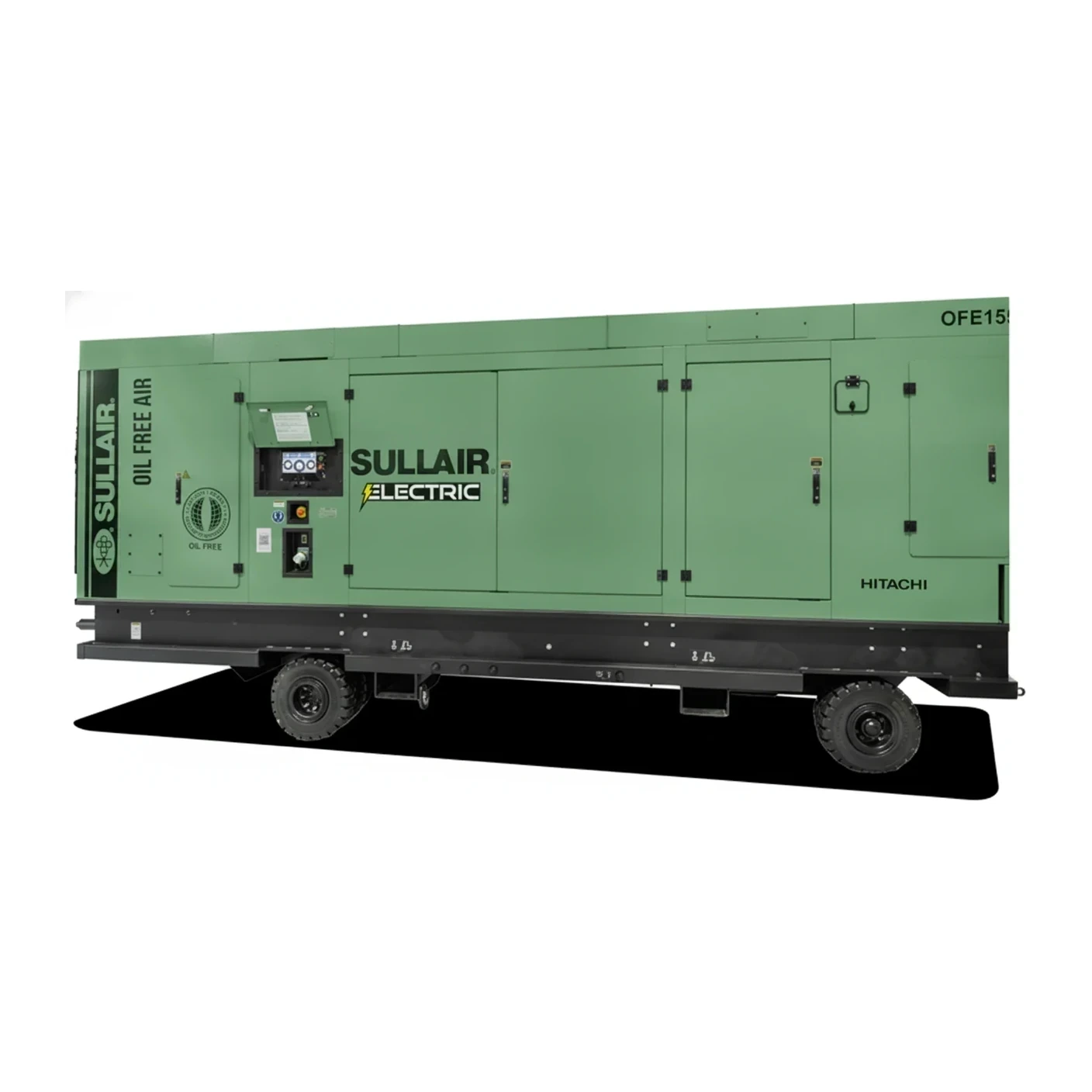
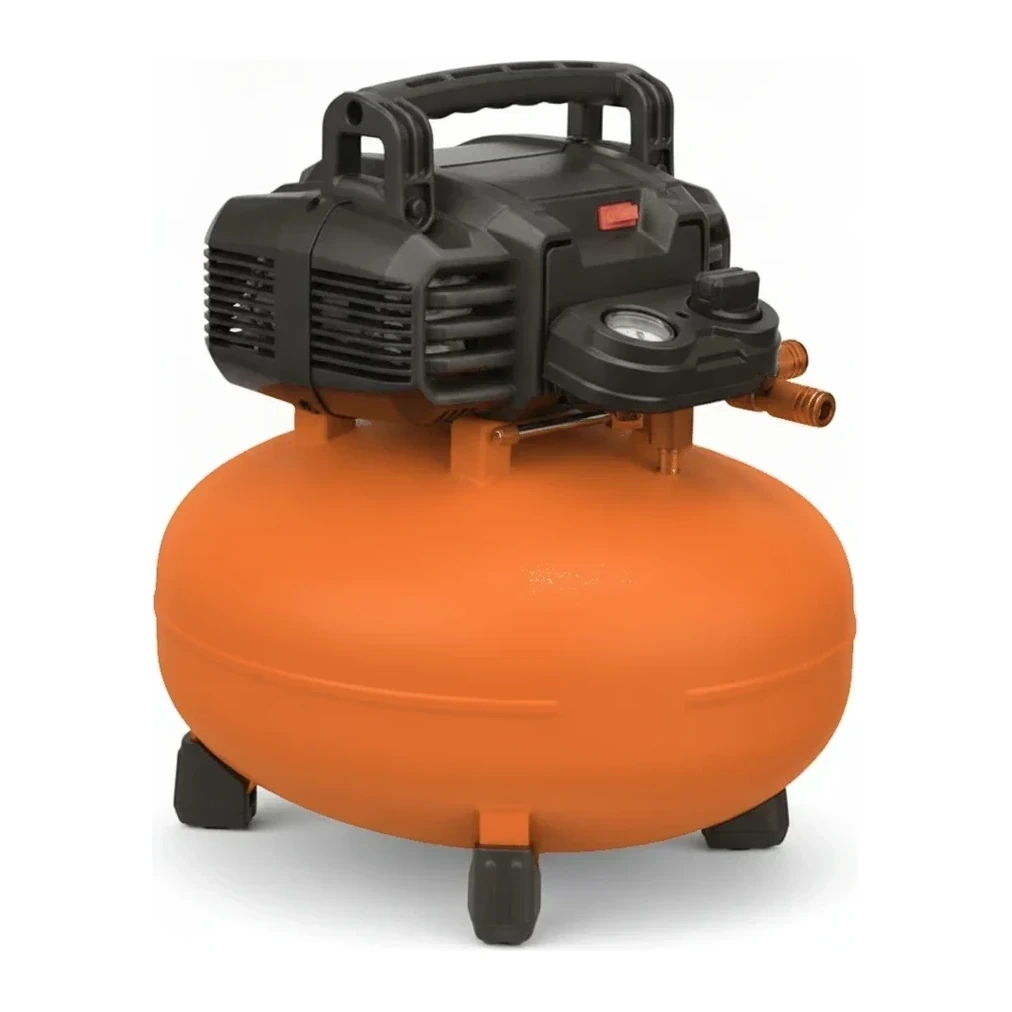
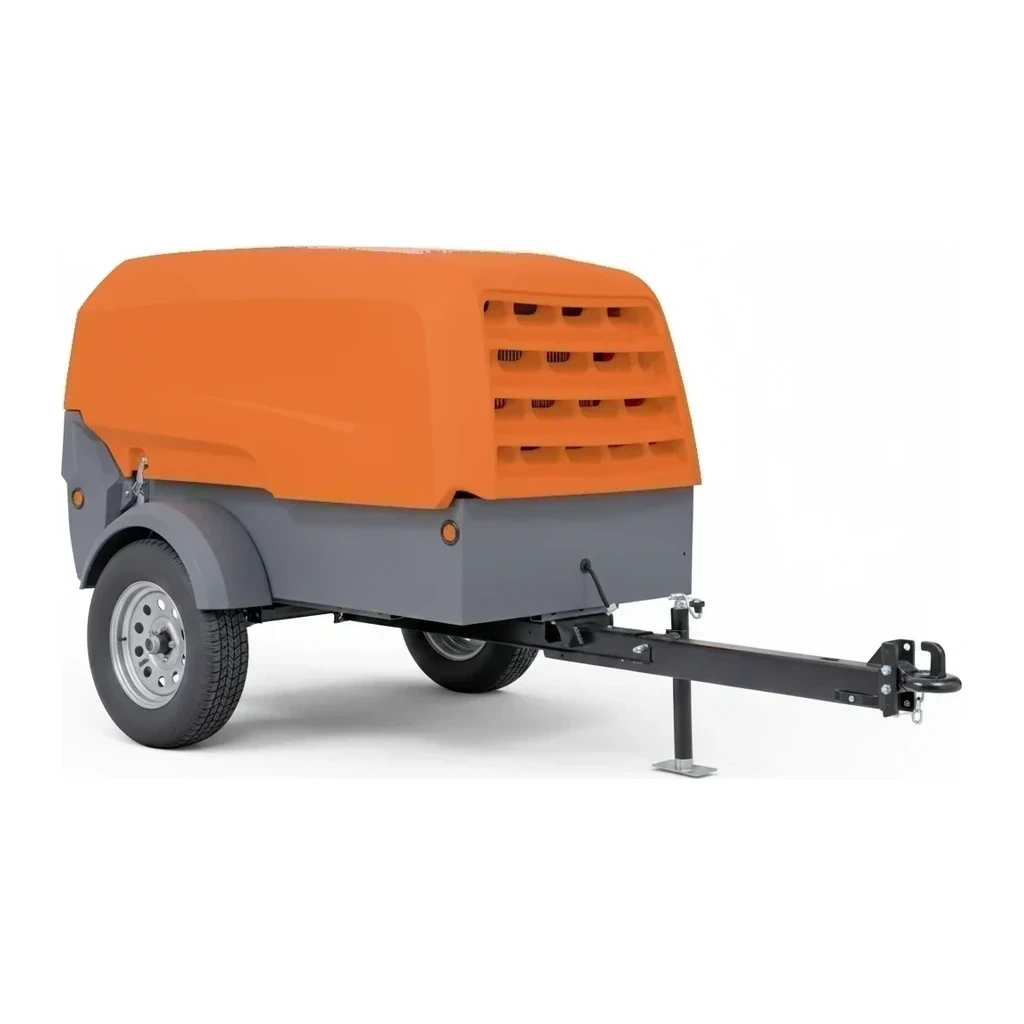
Air compressors supply the pressurized air that runs pneumatic tools and site equipment. The family spans small electric units for indoor trades through towable diesel machines that feed breakers and multi-tool crews, with rotary screw models the most numerous class in the catalog.
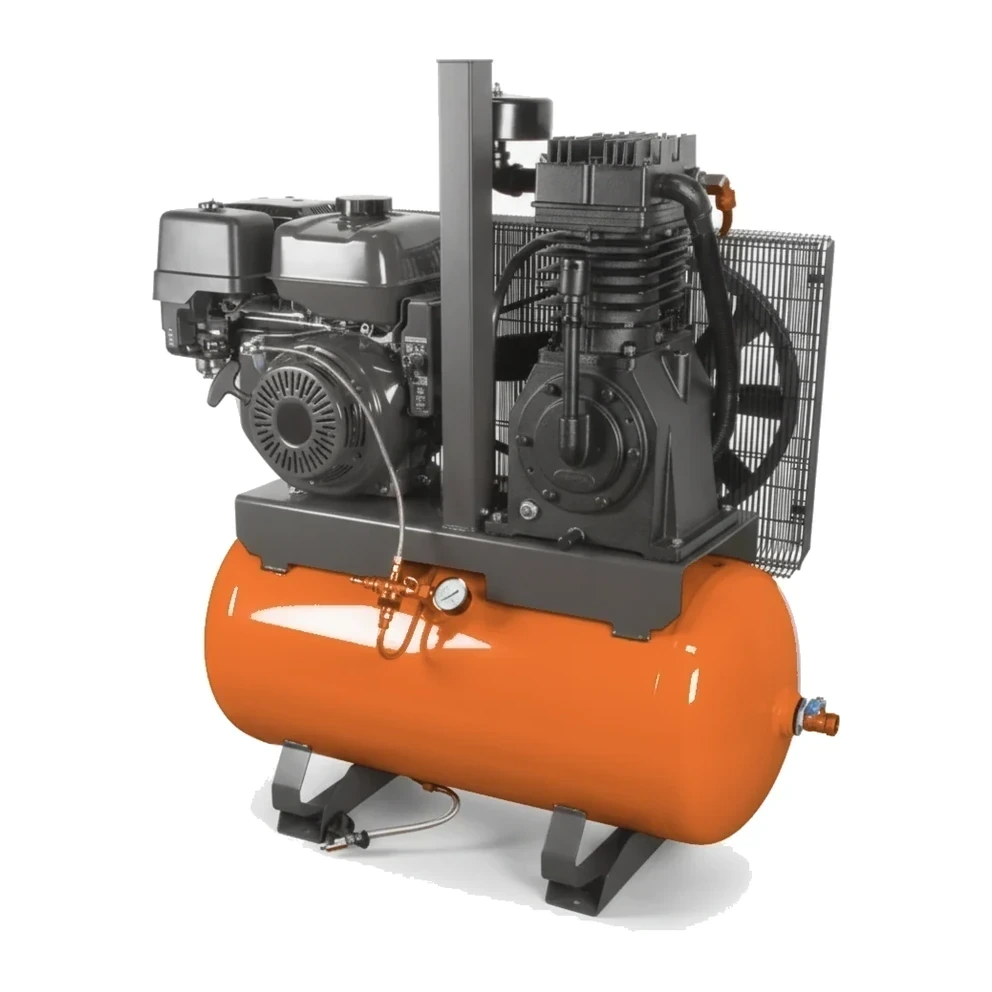
How it works
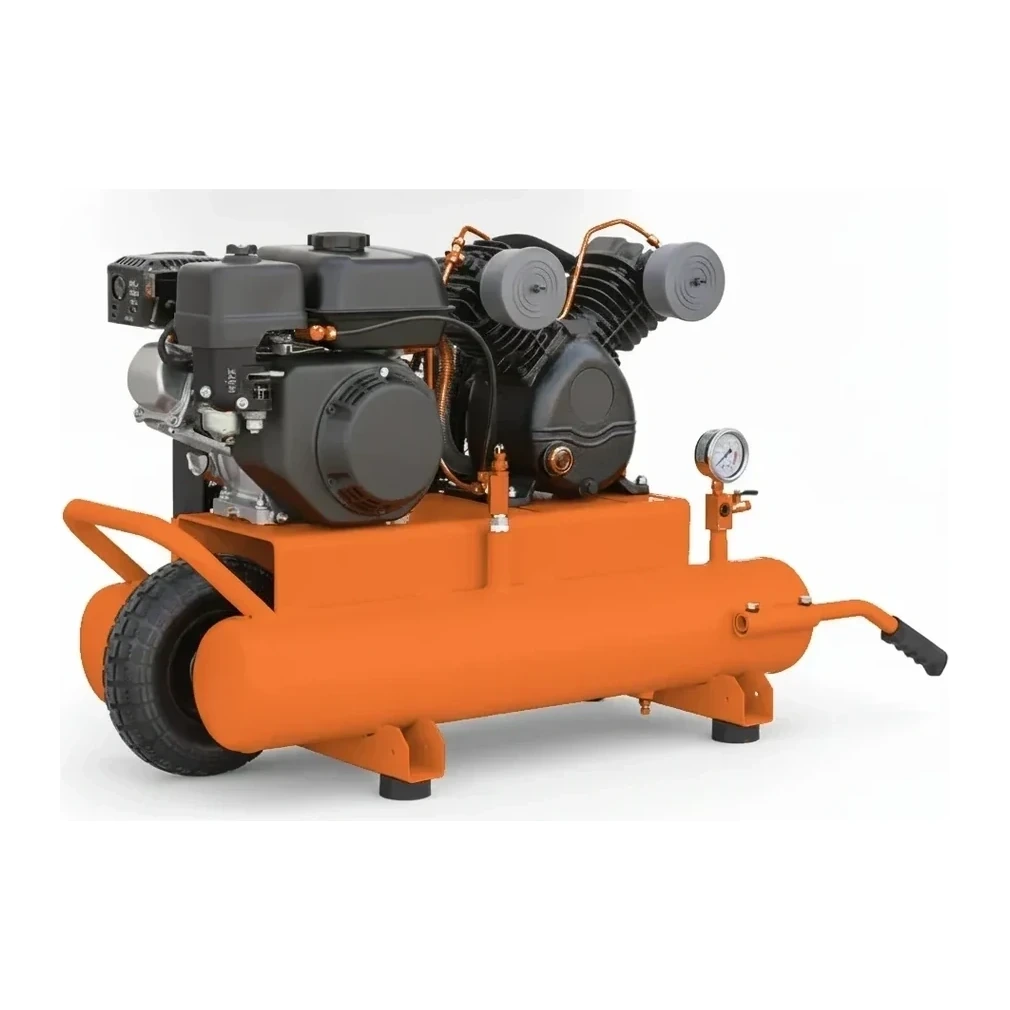
A gasoline, diesel, or electric motor drives a compression element — reciprocating pistons in smaller units, meshing helical screws in continuous-duty machines. Compressed air collects in a receiver tank or flows directly to the tool circuit, where a regulator sets working pressure and the tool's air demand determines how large the compressor must be.
Types & variants
- Rotary Screw Air Compressor
- Continuous-duty compressor that uses meshing helical rotors to deliver steady air for tools and plant equipment.
- Electric Air Compressor
- Plug-in reciprocating or screw compressor suited to indoor work and sites with line power.
- Gas Portable Air Compressor
- Gasoline-engine compressor for small crews working away from electrical hookups.
- Towable Diesel Air Compressor
- Trailer-mounted diesel compressor that supplies high air volumes to breakers and multiple tools.
- Air Compressor Accessories
- Hoses, fittings, regulators, and related items that connect compressors to tools.
- High-Pressure Air Compressor
- Compressor built for output well above standard shop pressure, used in specialty and industrial applications.
How to choose
The controlling spec is delivered airflow: the compressor must supply at least the combined cfm of every tool that runs at once, with headroom. Electric units suit enclosed spaces and steady line power; gas portables serve small crews away from hookups; towable diesel machines feed breakers, sandblasting, and multiple drops. Duty cycle matters too — rotary screw designs run continuously, while piston units need rest intervals.
Standards & certifications
- ASME · BPVC Section VIII
- Pressure-vessel rules that govern the design of compressor air receiver tanks.
- OSHA · 29 CFR 1926.302(b)
- Safe-use requirements for pneumatic power tools, including securing hoses and fittings.
- CAGI
- Compressed Air and Gas Institute rating practices used to state compressor delivered airflow.