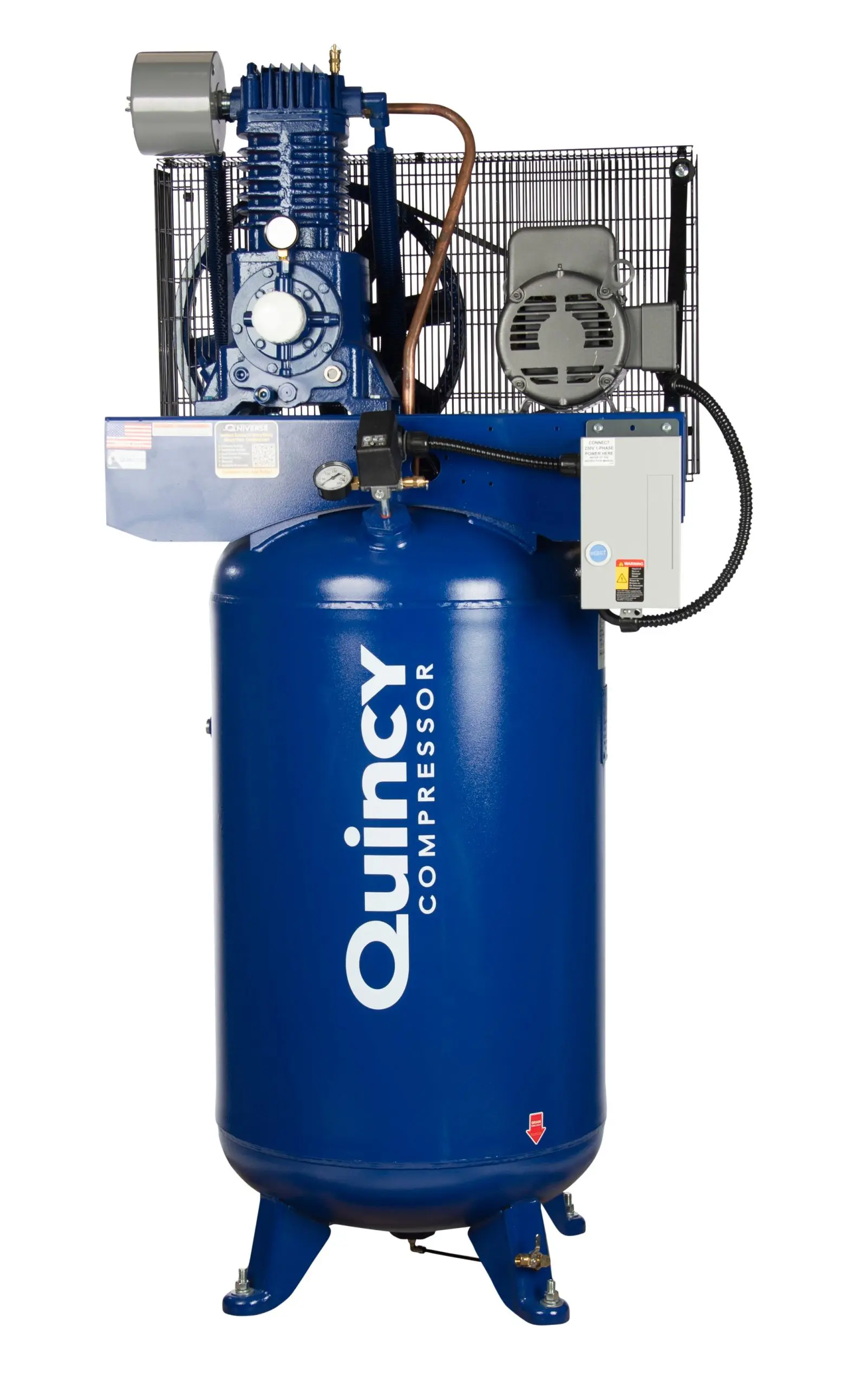

50-100 cfm Electric Air Compressor
The 50-100 cfm electric air compressor class delivers sustained airflow for heavy pneumatic tools, including 60 lb breakers and continuous grinding or cutting operations. This is the largest band in the electric compressor ladder, positioned above the 20-50 cfm band. Units in this range supply 51–75 cfm free air and require industrial electrical infrastructure.
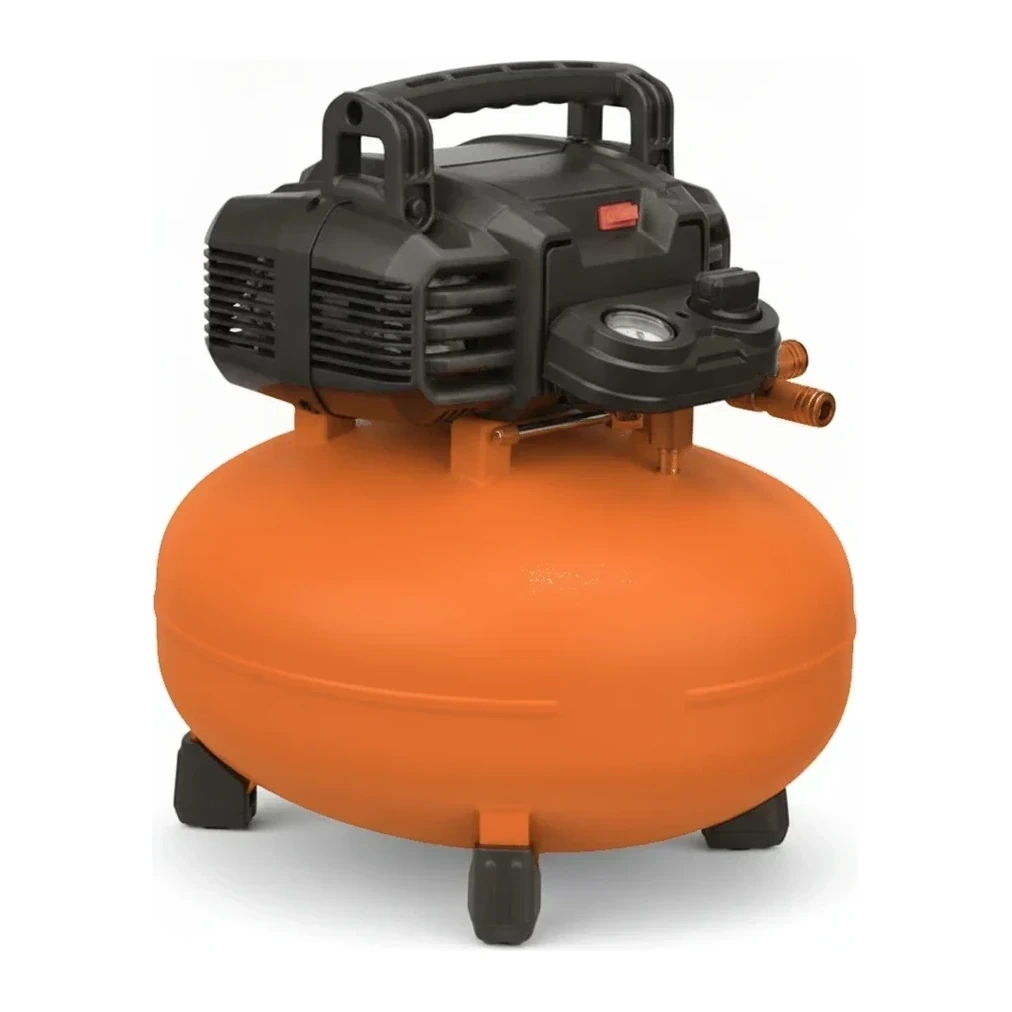
Cat classes
Pick a size class: capacity and reach differ across the range.
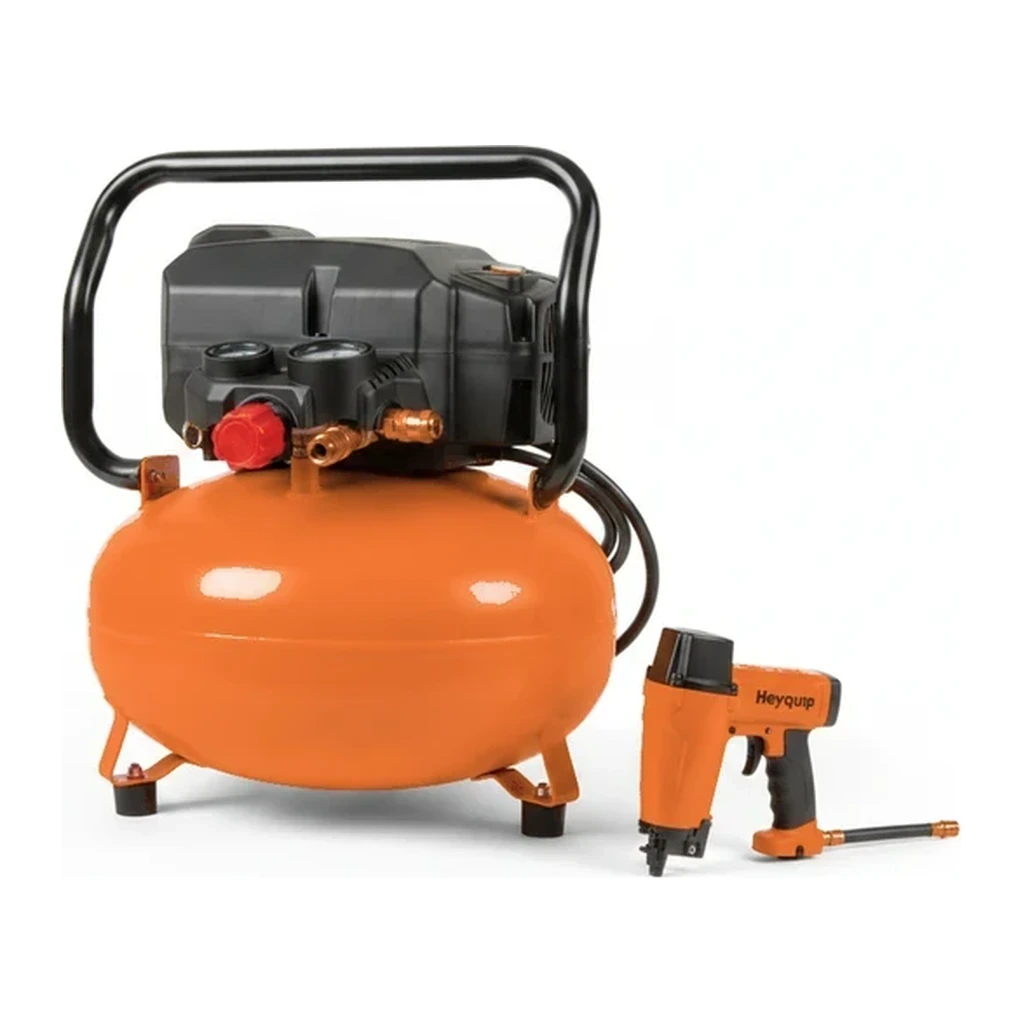
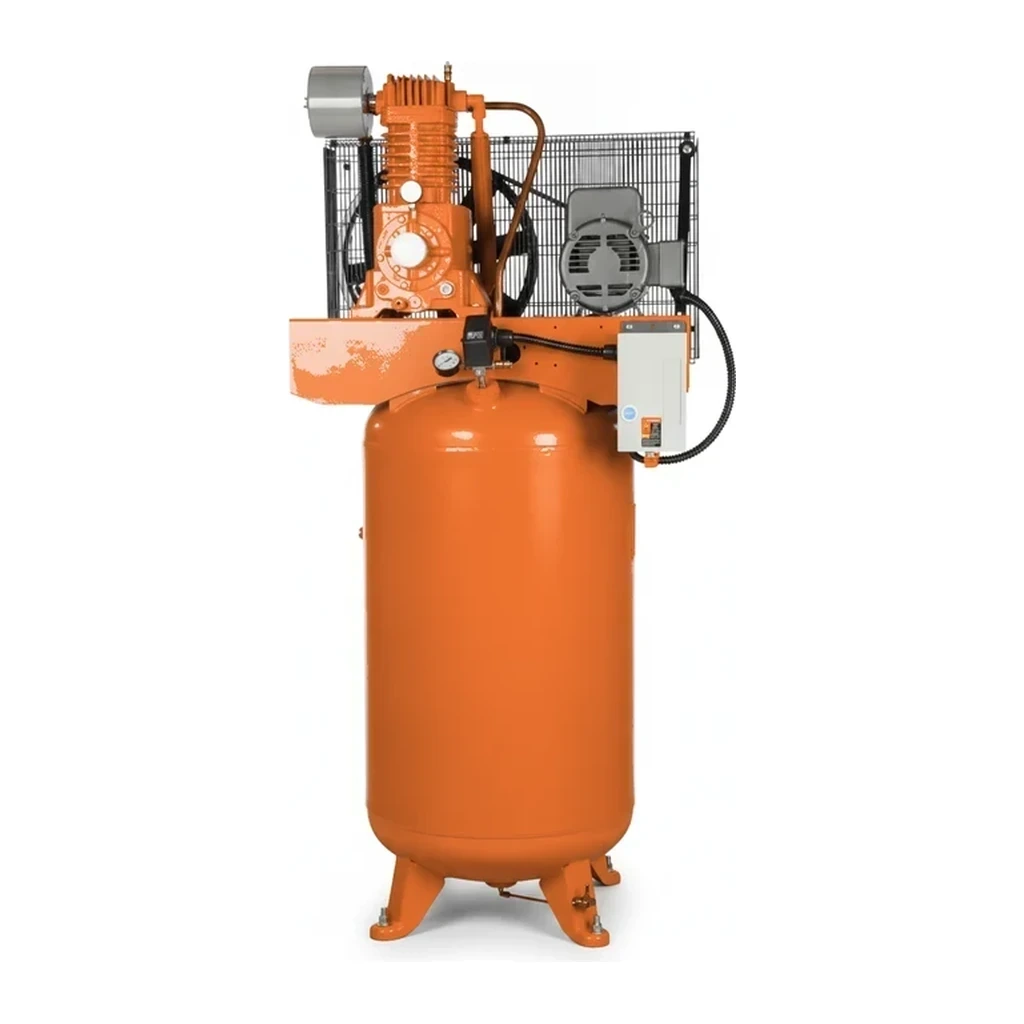
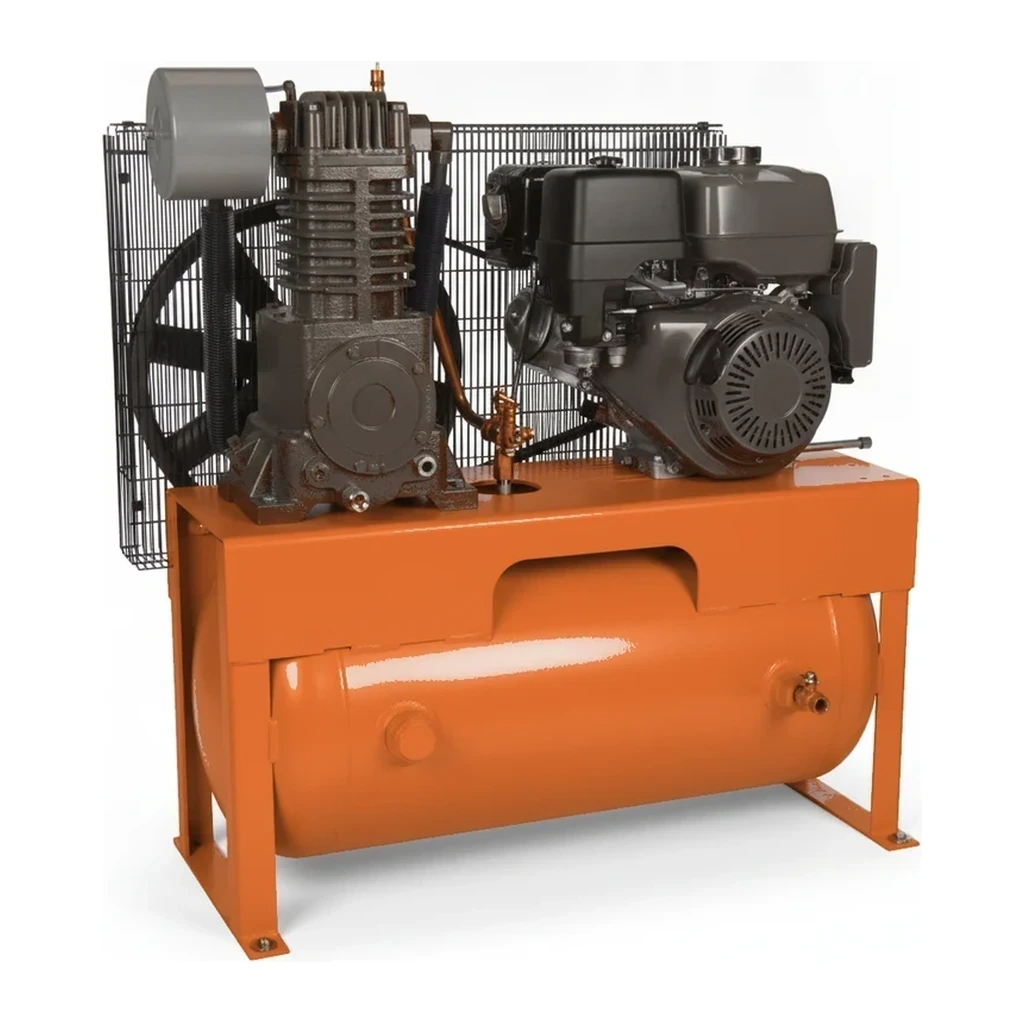
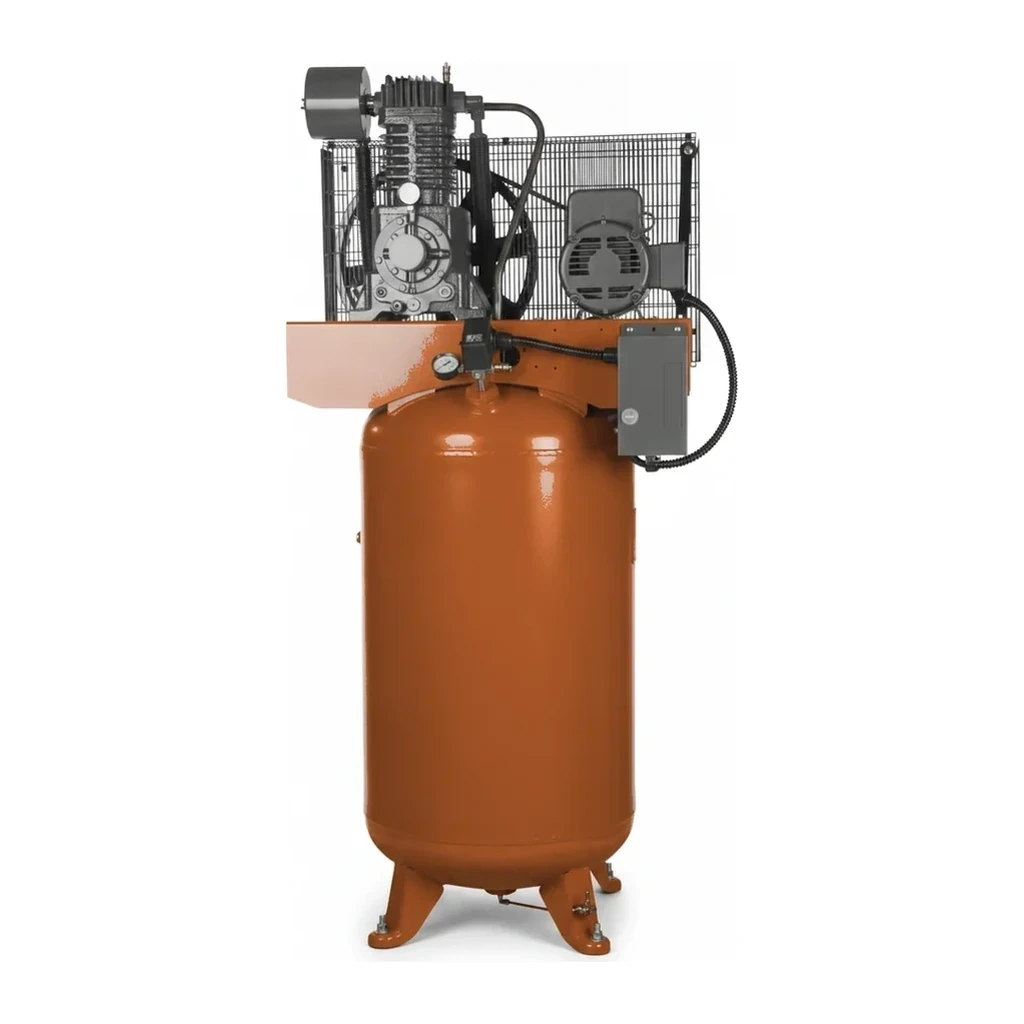
Key specifications
| Specification | Typical range | What it means |
|---|---|---|
| Free air delivery | 51–75 cfm | Continuous airflow capacity measured at standard atmospheric conditions |
| Engine power | 15–96 hp | Electric motor horsepower driving the compression stage |
| Power supply | 208-480V three-phase | Industrial electrical service required for motors in this size class |
| Operating pressure | 100–175 psi | Maximum working pressure delivered to the air tool circuit |
How to choose
This size class is appropriate when operating heavy pneumatic tools continuously or when multiple moderate tools run simultaneously from a single compressor. A 60 lb breaker or sustained grinding and cutting work demands the 51–75 cfm output this band provides. For lighter pneumatic work—chipping hammers, smaller grinders, or intermittent tool use—the 20-50 cfm Electric Air Compressor band offers adequate capacity with simpler electrical requirements. No larger electric compressor size class is catalogued; applications requiring more than 75 cfm typically move to diesel or gas-driven portable units.
What this size handles
- Driving a 60 lb pneumatic breaker for continuous concrete demolition
- Powering large pneumatic grinders for extended surface prep on industrial floors
- Operating multiple cutting and grinding tools simultaneously in fabrication shops
- Supplying air to rotary scabblers for concrete surface removal over large areas
- Supporting pneumatic jackhammers in roadwork or heavy foundation demolition
- Running continuous air-fed sandblasting or abrasive blasting operations
Safety & operation
- Lockout/tagout procedures required when servicing compressor or connected air systems
- Hearing protection necessary; industrial compressors in this class produce sustained high-decibel noise
- Pressure relief valves and safety cutoffs must be tested regularly per manufacturer schedules
- Ensure three-phase power hookup matches motor voltage and phase configuration to prevent equipment damage
Transport & logistics
- Heavy-duty wheeled chassis or skid-mounted configuration; often positioned semi-permanently on job sites
- Riggers or forklifts required for loading and unloading; typical weights exceed manual handling limits
- Trailer transport for inter-site moves, usually requiring commercial vehicle towing capacity
Power & supply
- 208V, 240V, or 480V three-phase electrical service; single-phase not available in this size class
- Dedicated circuit breakers rated to motor full-load amperage, typically 60–200 amps depending on horsepower
- Hard-wired connections or industrial-grade twist-lock receptacles common; extension cords not recommended
Frequently asked
What differentiates this size from smaller electric compressor bands?
Can this compressor run multiple tools at once?
Why are no electric compressors larger than 100 cfm catalogued?
Compare popular models
Find by spec →Normalised to the same units. A dash means the figure was not published.
| Model | Free air delivery | Max pressure | Engine power |
|---|---|---|---|
| Bostitch MRC6 | - | 116 psi | 96 hp |
| Quincy QP-15 | 51 cfm | 175 psi | 15 hp |
| Rolair 15- 20 HP TWO-STAGE INDUSTRIAL | 67 cfm | - | 18 hp |
Related equipment
Browse by manufacturer
Sources
Every specification is verified against the manufacturer's published data, with the source linked for reference.
50-100 cfm Electric Air Compressor
3 models · Every spec cited to source