

16-20 in Forward Plate Compactor
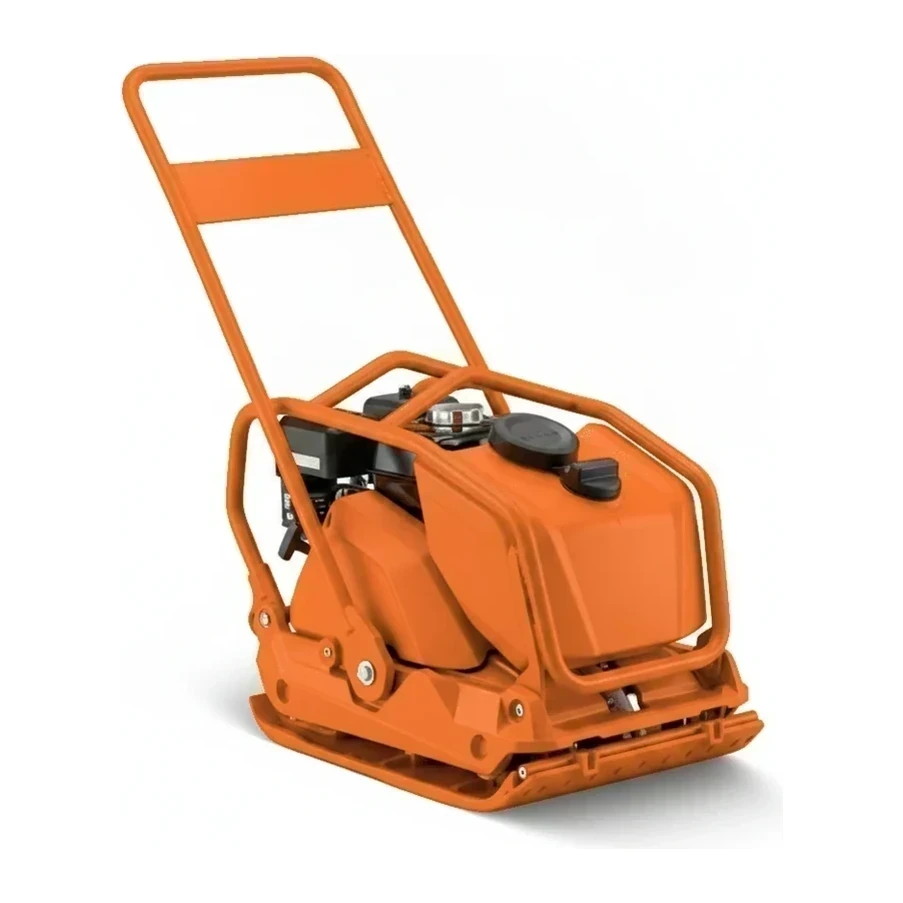
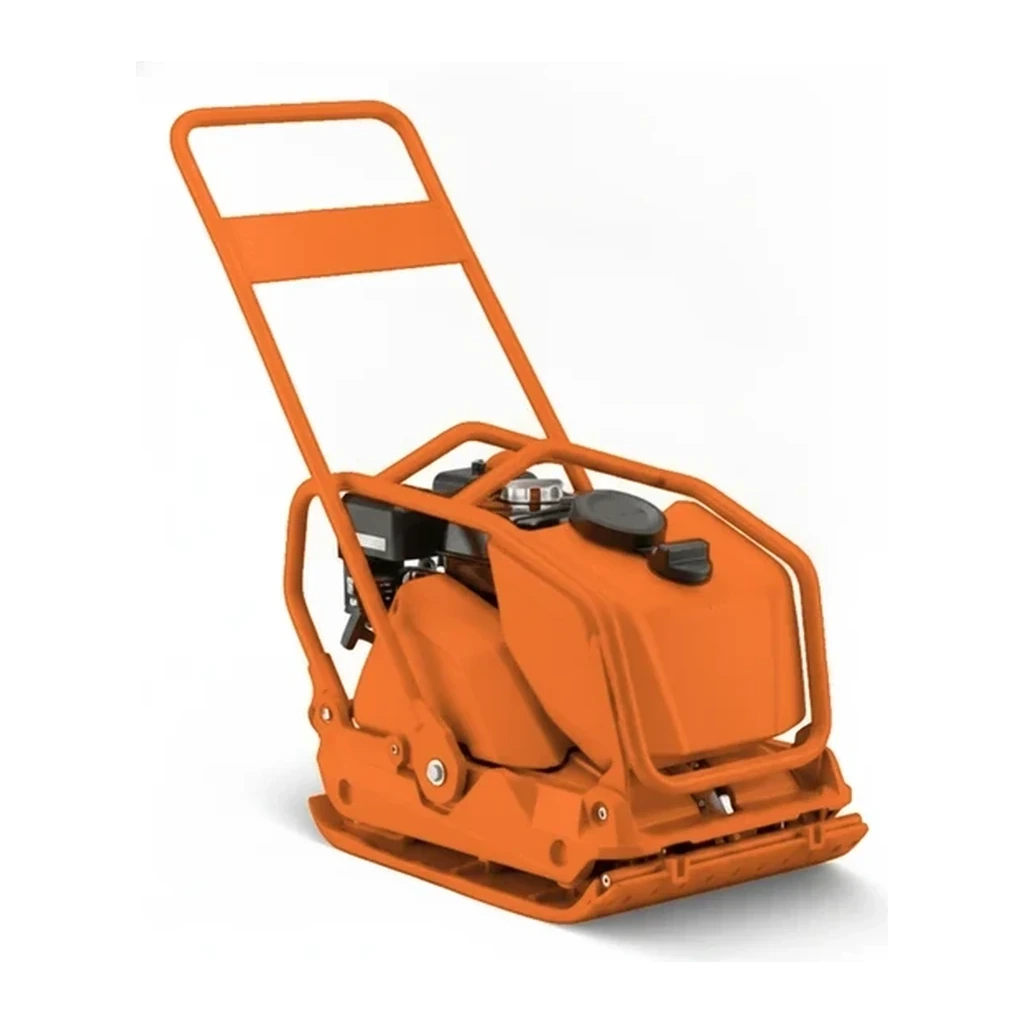
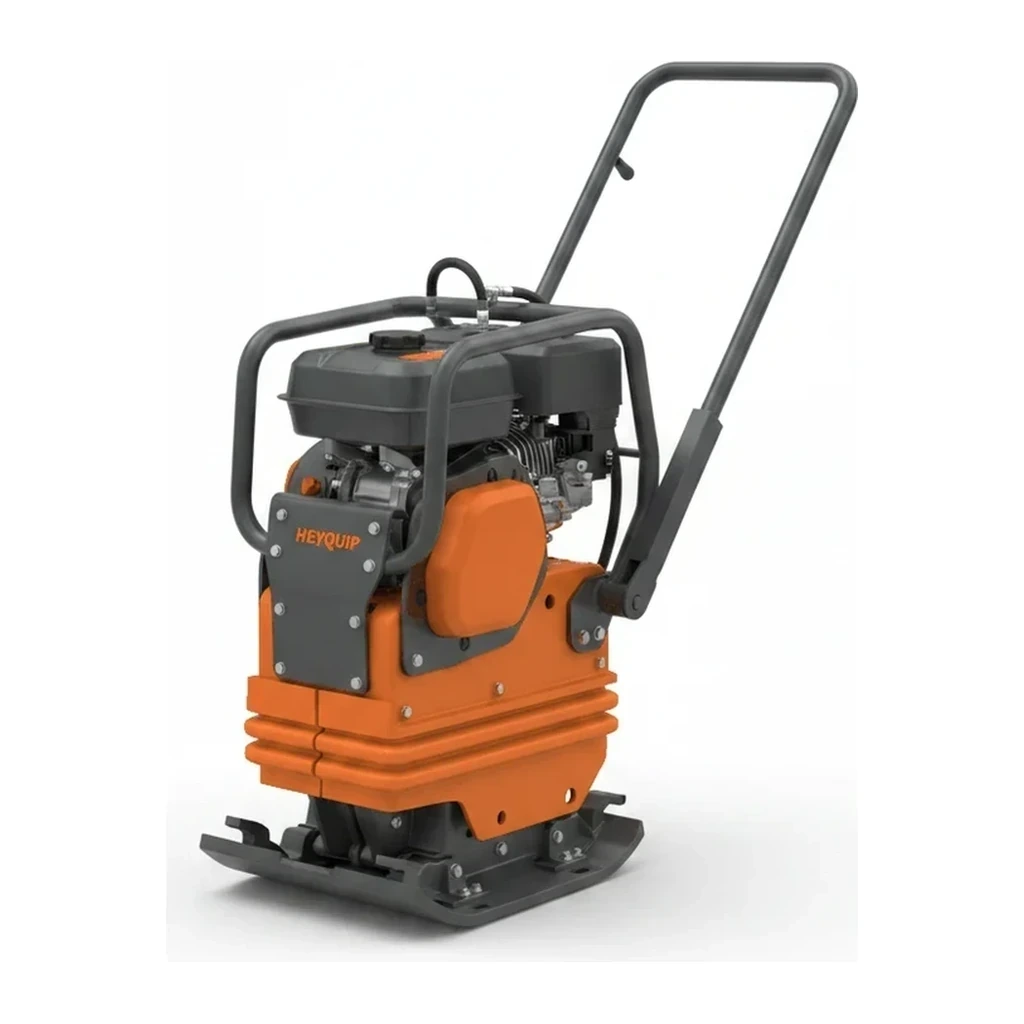
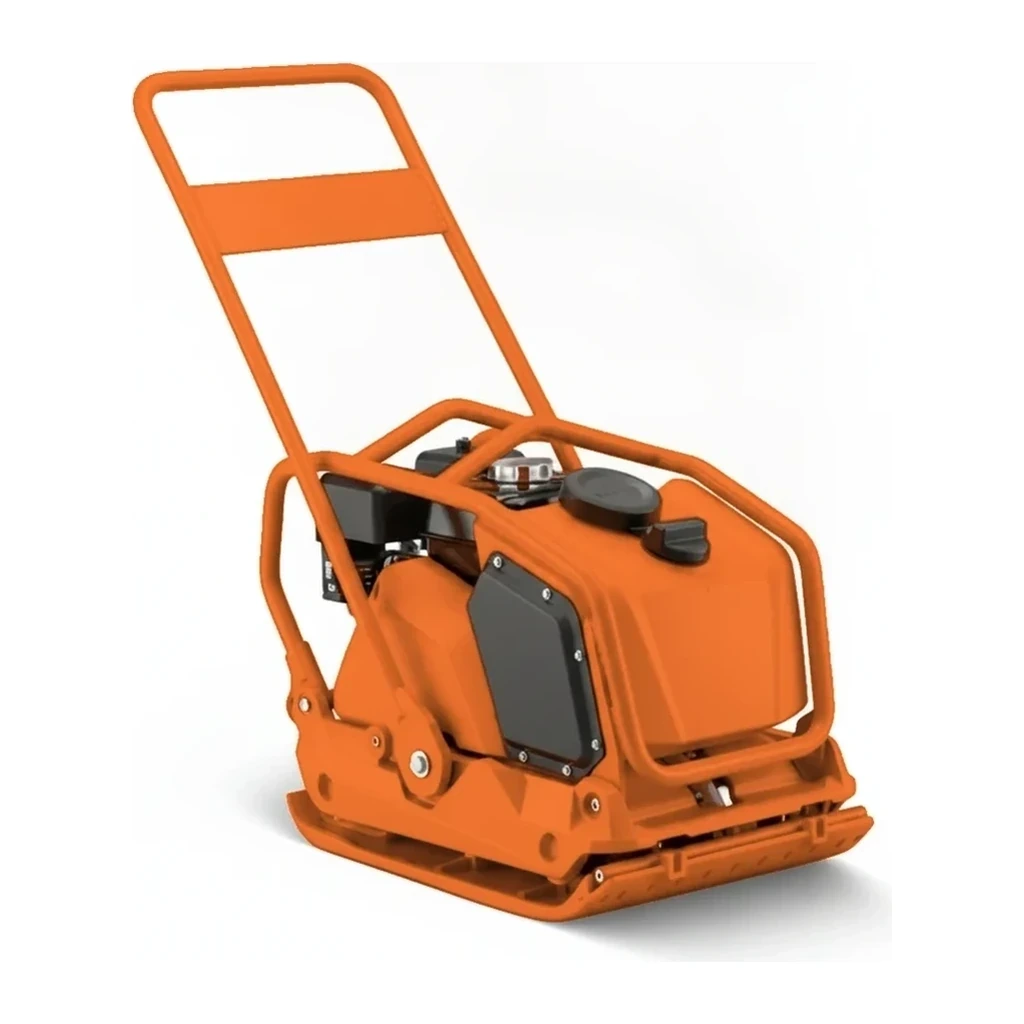
The 16-20 in forward plate compactor is the workhorse of single-operator granular compaction, sized for driveways, sidewalks, and light commercial base work. With plate widths of 450-500 mm and operating weights of 72-350 kg, this class balances productivity and portability for all-day use on granular soil and aggregate. It sits between the lighter Up to 16 in models and the heavier 20+ in plates designed for deeper lifts and cohesive soils.
Cat classes
Pick a size class: capacity and reach differ across the range.
Key specifications
| Specification | Typical range | What it means |
|---|---|---|
| Plate width | 17.7–19.7 in (450–500 mm) | The compaction footprint, determining coverage per pass and maneuverability in confined spaces. |
| Operating weight | 159–772 lb (72–350 kg) | Heavier units deliver greater compaction depth and density on granular materials. |
| Compaction force | 12-50 kN | The dynamic force applied to the soil surface, governing lift thickness and material suitability. |
| Engine power | 1.8-7.0 hp | Gasoline engines in this range sustain vibration under load throughout the duty cycle. |
| Vibration frequency | 70-100 Hz | Higher frequencies improve efficiency on clean granular fill; lower frequencies suit mixed soils. |
How to choose
This 16-20 in class is appropriate for single-operator compaction of granular base and sand in confined to medium-width areas: residential driveways, sidewalks, trenches, and utility backfill. When the application involves very tight quarters, narrow trenches, or frequent lifting over obstacles, the Up to 16 in Forward Plate Compactor offers easier handling and lower transport weight. For deeper lifts, cohesive soils, orширок commercial slabs where productivity outweighs portability, the 20+ in Forward Plate Compactor provides the necessary weight and force.
What this size handles
- Compacting granular base under residential driveways and garage slabs
- Sidewalk and pathway sub-base preparation
- Utility trench backfill over bedding stone
- Paver patio and retaining wall base compaction
- Light commercial parking lot base in confined sections
- Granular fill around foundation perimeters
Safety & operation
- Hand-arm vibration exposure accumulates quickly; operators should follow manufacturer duty-cycle guidelines and wear anti-vibration gloves
- Forward travel is controlled by throttle and plate engagement; disengaging the clutch stops forward motion
- Plate surface temperatures rise during operation; avoid contact and allow cool-down before transport or servicing
- Hearing protection is necessary; sound levels typically exceed 90 dBA at the operator position
Transport & logistics
- Units under 150 kg are often hand-loaded into pickup beds or small equipment trailers
- Heavier models in the range require ramps or mechanical lift assistance for vehicle loading
- Most units fit within standard 5×8 ft utility trailers without special towing equipment
Power & supply
- Gasoline engines require on-site fuel supply; typical consumption is 0.5-1.5 L/hr under continuous operation
- Four-stroke engines need periodic oil checks and air filter maintenance during extended shifts
- No external electrical supply is required; recoil or electric start ignition
Frequently asked
What lift thickness can a 16-20 in forward plate compact?
Can this size compact cohesive soils?
How does operating weight affect compaction performance?
Compare popular models
Find by spec →Normalised to the same units. A dash means the figure was not published.
| Model | Operating weight | Engine power |
|---|---|---|
| Ammann APF 12/50 | - | 3 hp |
| Ammann APF 20/50 | - | 5 hp |
| Ammann eAPF 12/50 | - | 2 hp |
| Bomag BP 20/45 | 203 lb (92 kg) | 5 hp |
| Ammann APH 50/75 | - | 9 hp |
| Bomag BP 12/50 | 161 lb (73 kg) | 3 hp |
Related equipment
Browse by manufacturer
Sources
Every specification is verified against the manufacturer's published data, with the source linked for reference.
16-20 in Forward Plate Compactor
8 models · Every spec cited to source