66+ in Double Drum Roller
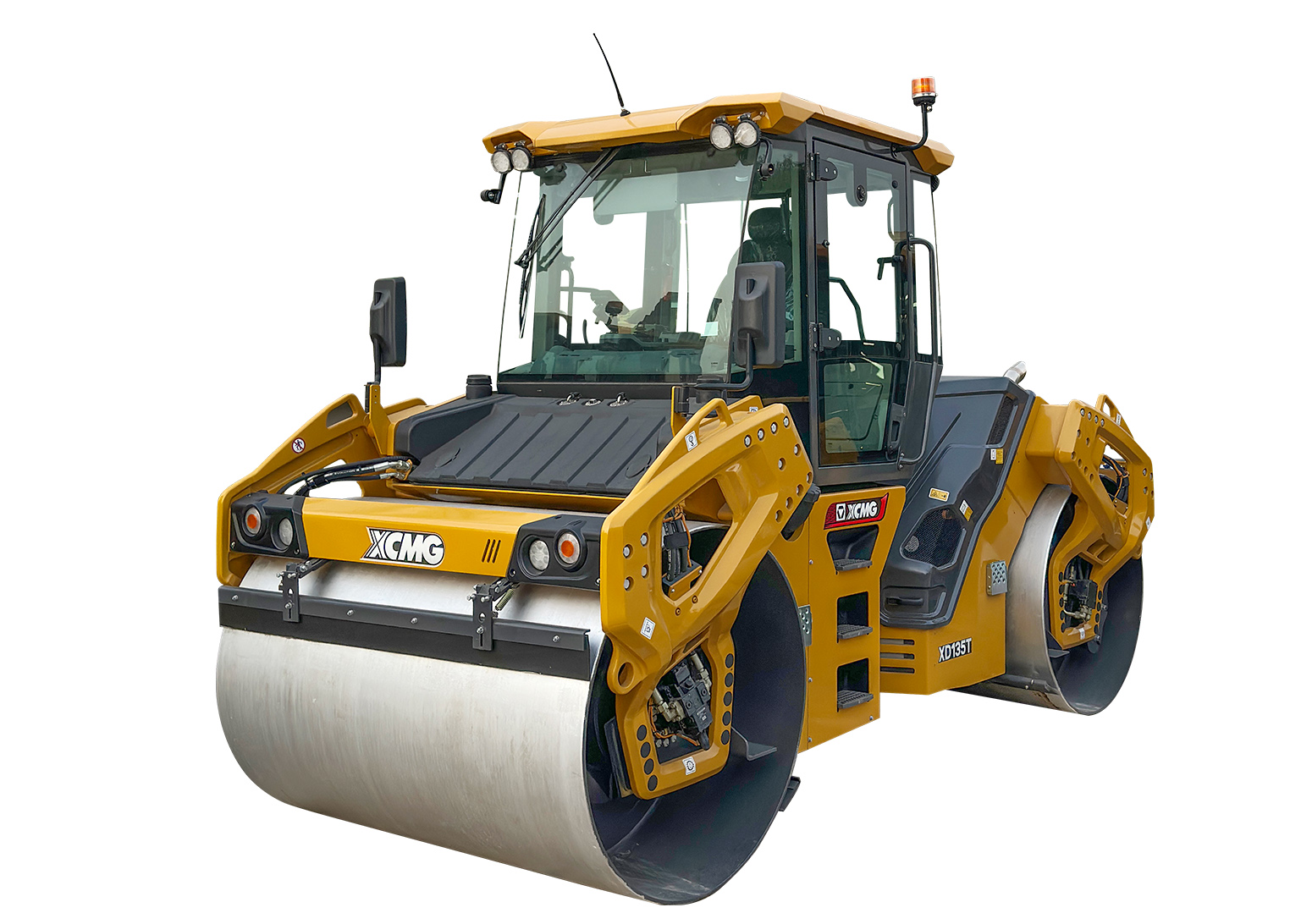
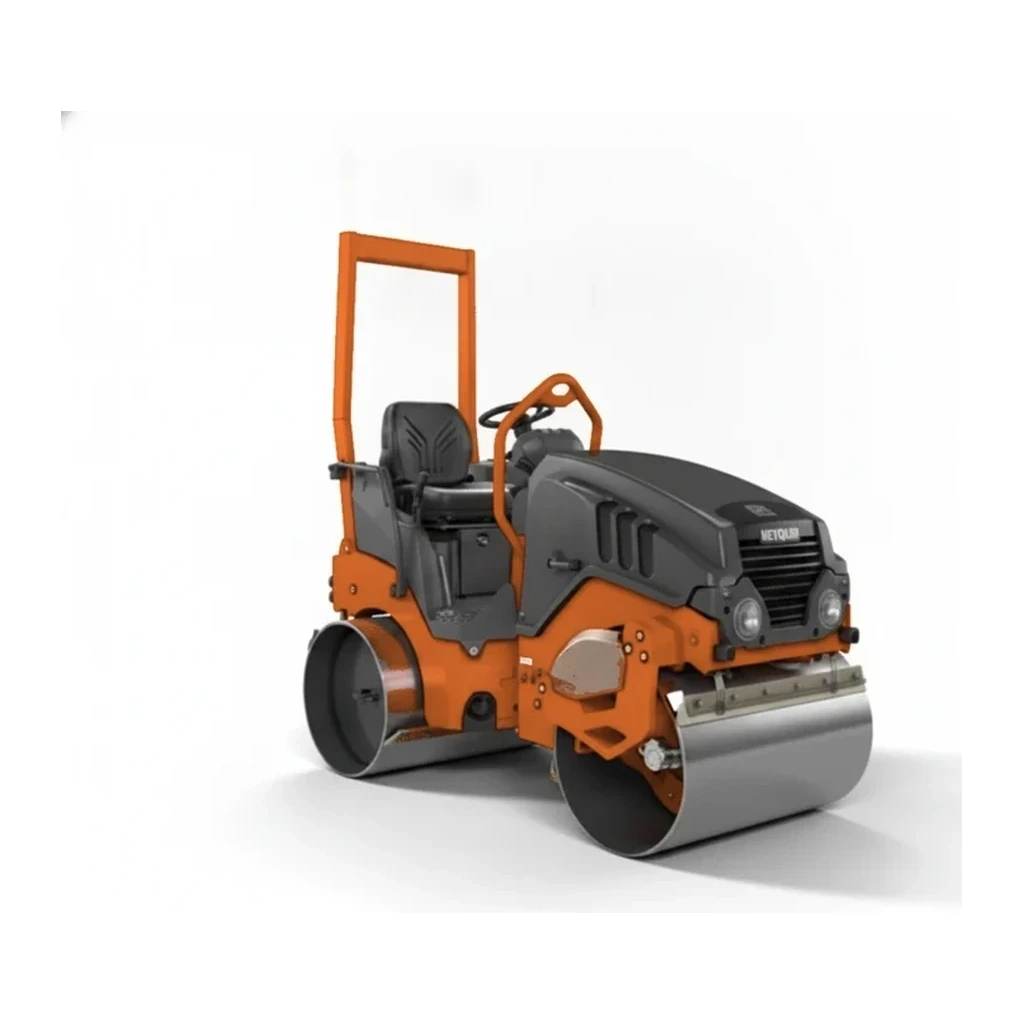
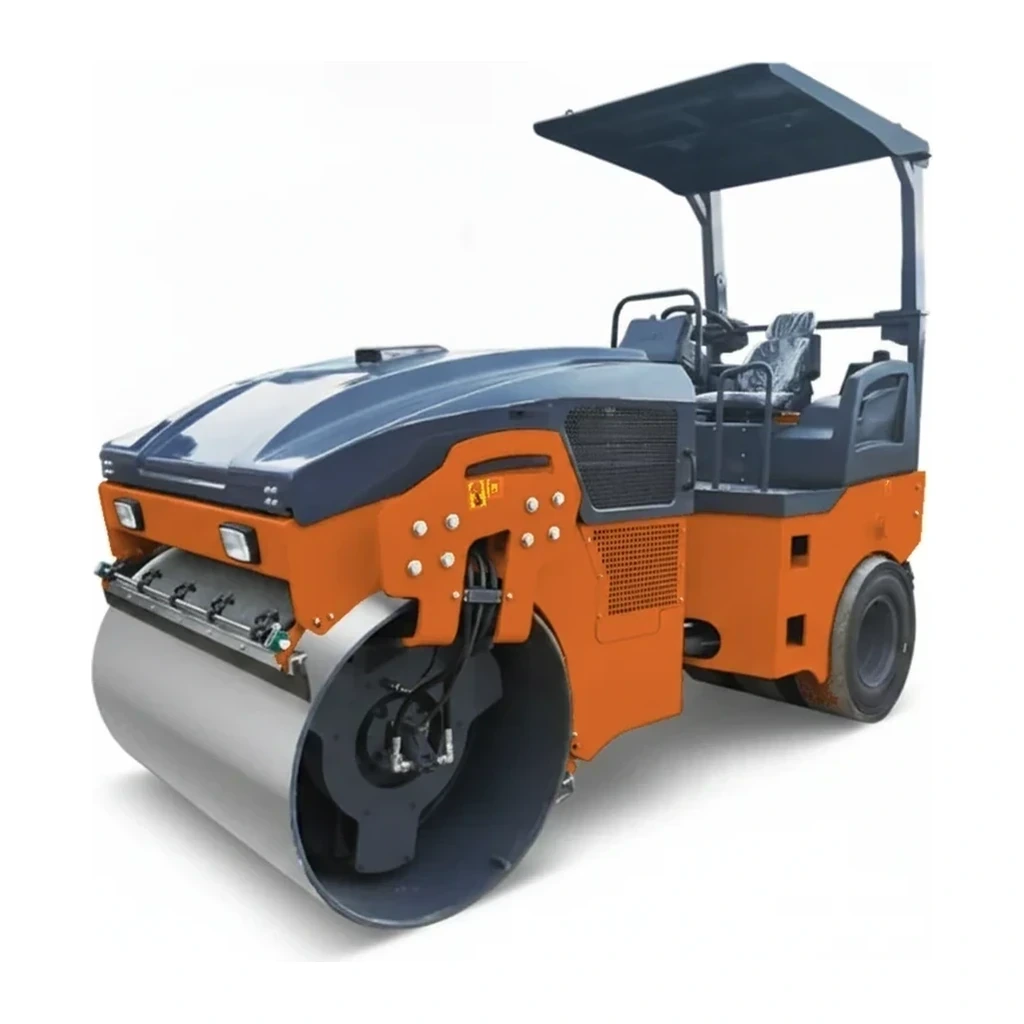
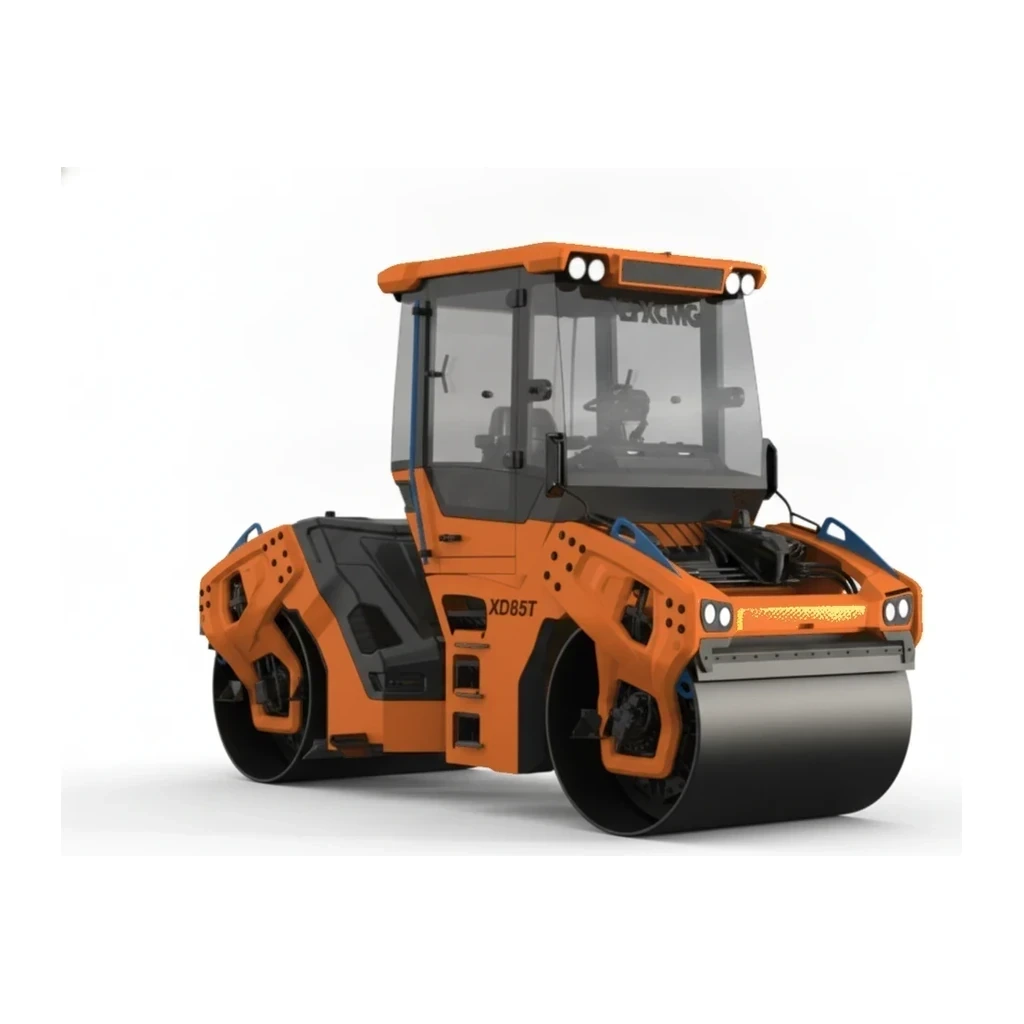
The 66+ in double drum roller class represents highway-grade tandem compactors designed for high-production mainline paving operations. With drum widths from 1680 to 2200 mm and operating weights ranging from 6,600 to 33,800 kg, these machines deliver the coverage and compaction force required to keep pace with pavers on interstate reconstruction, airport runways, and other large-scale asphalt projects. This is the top rung of the double drum roller ladder.
Cat classes
Pick a size class: capacity and reach differ across the range.
Key specifications
| Specification | Typical range | What it means |
|---|---|---|
| Drum width | 1680-2200 mm (66-87 in) | Wide drums cover more area per pass, essential for matching paver output on highway lanes. |
| Operating weight | 6,600-33,800 kg (14,500-74,500 lb) | Heavy machines deliver static load for deep lifts and high-density asphalt mixes. |
| Centrifugal force | 89-500 kN | High vibratory force ensures thorough compaction of thick asphalt layers and base courses. |
| Engine power | 54-470 hp | Sufficient power for continuous vibration, propulsion, and water spray at highway paving speeds. |
| Travel speed | 6-12 mph | Speeds match paver output, minimizing delay between mat placement and initial breakdown. |
How to choose
The 66+ in class is specified for highway-class paving where wide lanes, high tonnage, and paver production rates demand maximum drum width and compaction force. Operations paving interstates, airport taxiways, or port hardstand typically require this size to complete breakdown and finish passes without bottlenecking the paver train. For municipal streets, parking lots, or secondary roads where lanes are narrower and tonnage is lower, the 52-66 in double drum roller offers adequate coverage with better maneuverability and lower mobilization cost. Projects with confined access or frequent direction changes benefit from the smaller class.
What this size handles
- Interstate highway reconstruction with full-lane mill-and-fill operations
- Airport runway and taxiway paving requiring FAA density standards
- Port container yard hardstand construction with heavy-duty asphalt sections
- Mainline toll-road paving with multi-lift asphalt over aggregate base
- Large-scale logistics center access roads and trailer staging areas
- Highway interchange ramp paving where uninterrupted production is critical
Safety & operation
- Operators must maintain clear sightlines around wide drums; spotter communication is standard practice when reversing or working near grade breaks and utility structures
- Vibratory systems generating up to 500 kN of force require proper seat suspension and operator training to minimize whole-body vibration exposure over long shifts
- High operating weights and speeds demand awareness of ground bearing capacity, especially near trenches, culverts, or freshly placed asphalt edges
- Water spray systems operate under pressure; hose routing and nozzle inspection prevent scalding hazards and ensure even mat cooling
Transport & logistics
- Requires heavy-duty lowboy or multi-axle trailer; typical machines in this class exceed legal road limits and need permits for over-width transport
- Transport weight ranges from 11,200 to 14,000 kg for lighter models; heavier configurations may approach or exceed single-trailer capacity
- Loading requires robust ramps or dock access; drum diameter of 1220 mm and overall height demand clearance planning for bridges and overhead structures
Power & supply
- Diesel fuel capacity ranges from 110 to 280 gallons, supporting full-shift operation on large projects without refueling interruptions
- Water tank capacity from 680 to 970 gallons (some configurations up to 3,250 gal) supplies drum spray systems for extended paving runs; on-site water trucks or hydrant access often supplement tanks on high-production jobs
- Fuel consumption scales with engine power (54-470 hp) and vibratory duty cycle; highway paving typically runs engines at sustained high load
Frequently asked
What differentiates a 66+ in roller from smaller tandem classes on highway work?
Can this class handle both breakdown and finish rolling?
What factors determine whether a project specifies this class over a pneumatic roller?
Compare popular models
Find by spec →Normalised to the same units. A dash means the figure was not published.
| Model | Operating weight | Engine power |
|---|---|---|
| Bomag BW 151 AD-5 | 16,535 lb (7,500 kg) | 74 hp |
| Bomag BW 151 AD-5 AM | 17,196 lb (7,800 kg) | 72 hp |
| Bomag BW 151 AD-50 | 16,535 lb (7,500 kg) | 74 hp |
| Bomag BW 161 AC-5 | 20,944 lb (9,500 kg) | 127 hp |
| Bomag BW 161 AD-5 | 21,605 lb (9,800 kg) | 127 hp |
| Bomag BW 161 AD-5 AM | 22,046 lb (10,000 kg) | 127 hp |
Related equipment
Browse by manufacturer
Sources
Every specification is verified against the manufacturer's published data, with the source linked for reference.
66+ in Double Drum Roller
80 models · Page 2 of 2 · Every spec cited to source