
Boom Truck
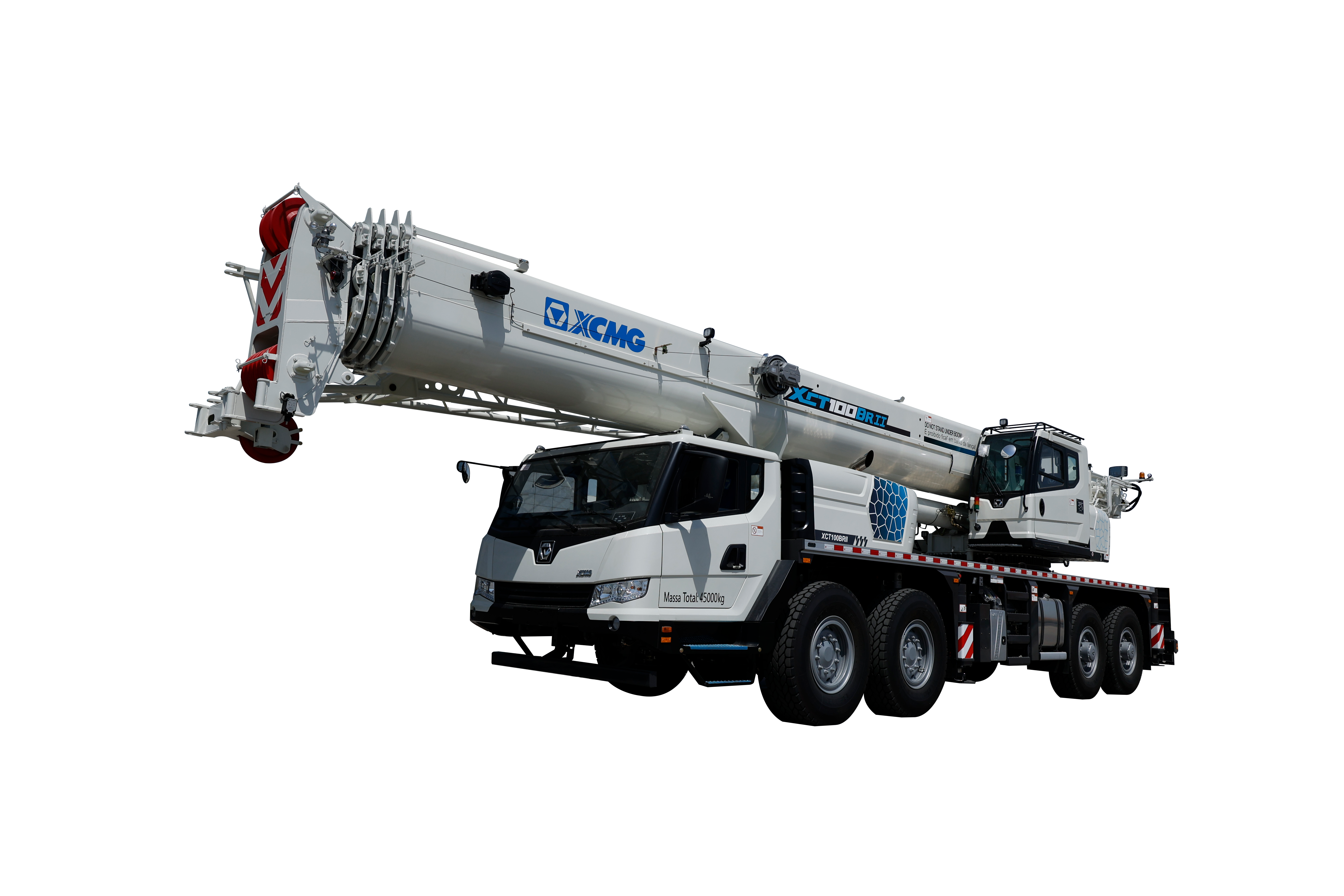
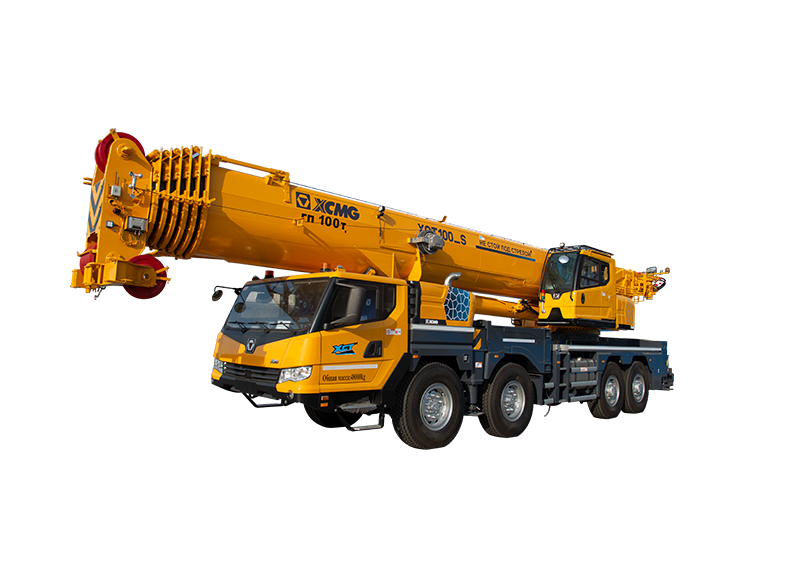
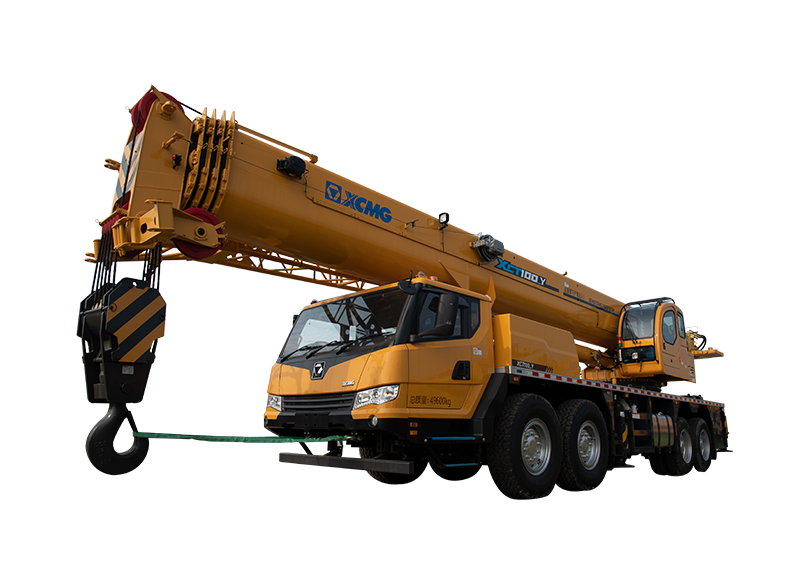
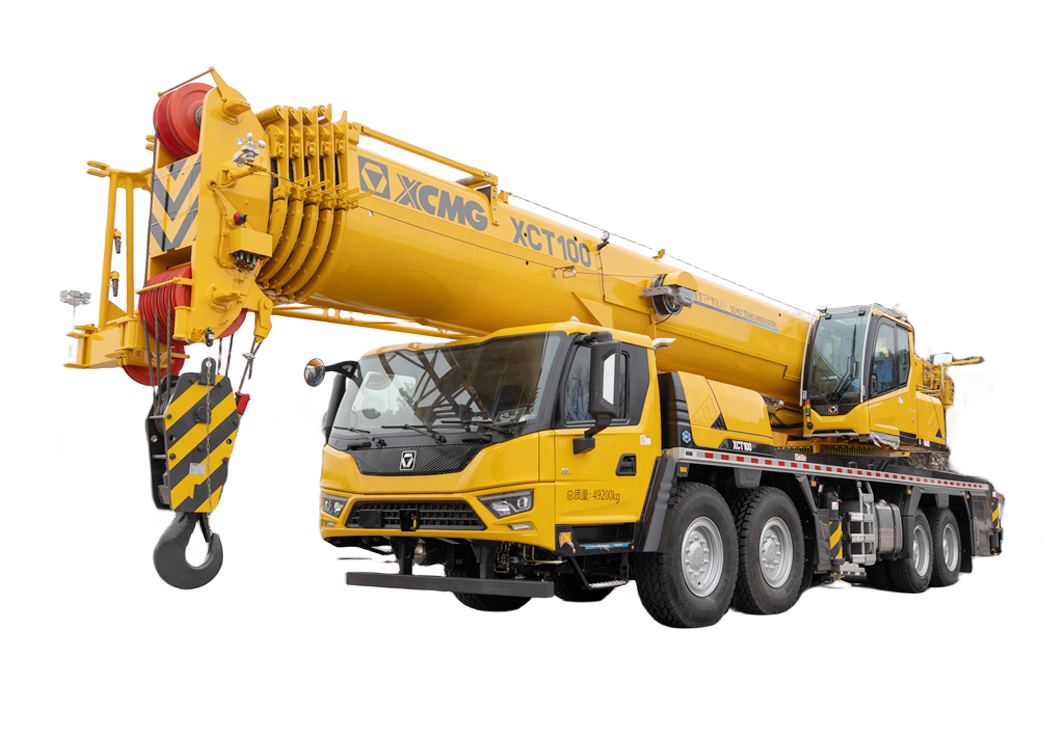
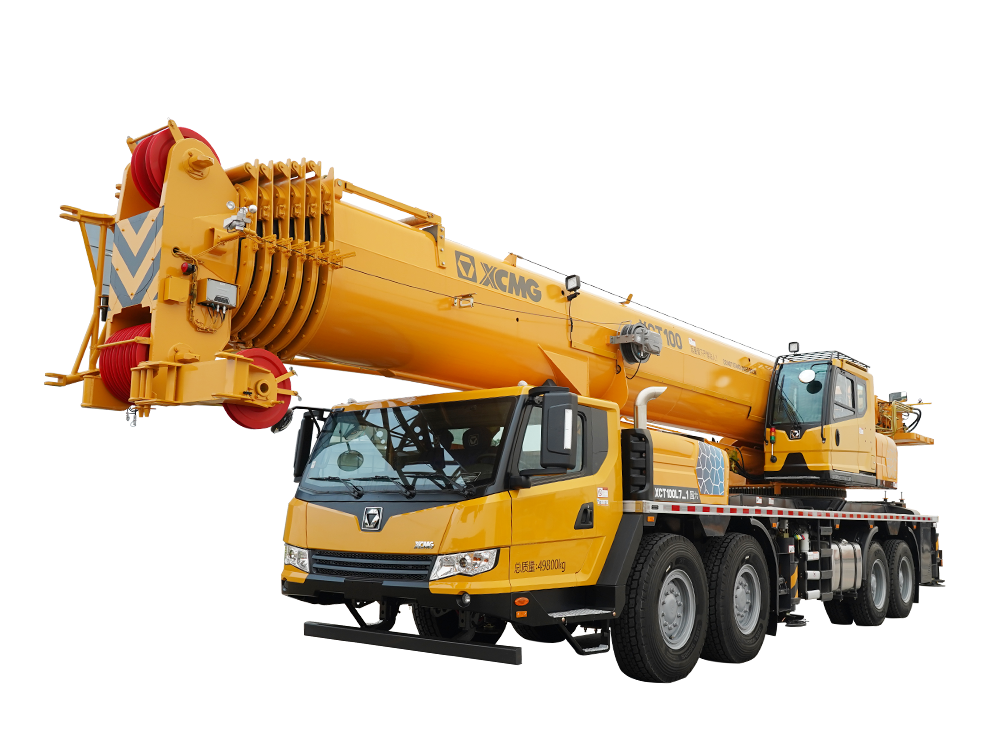
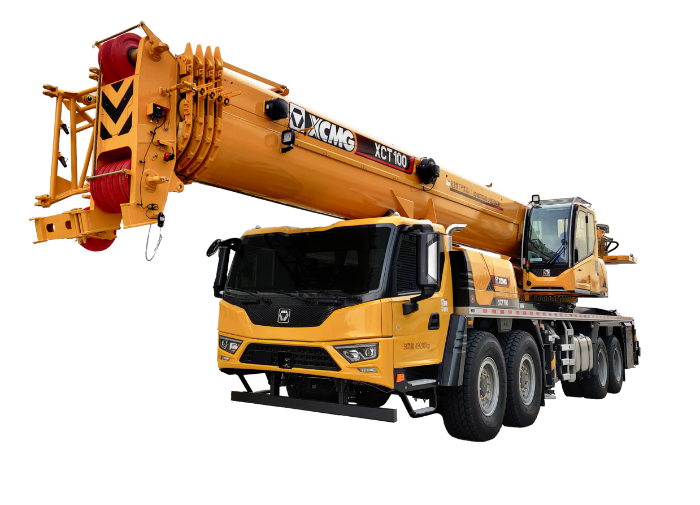
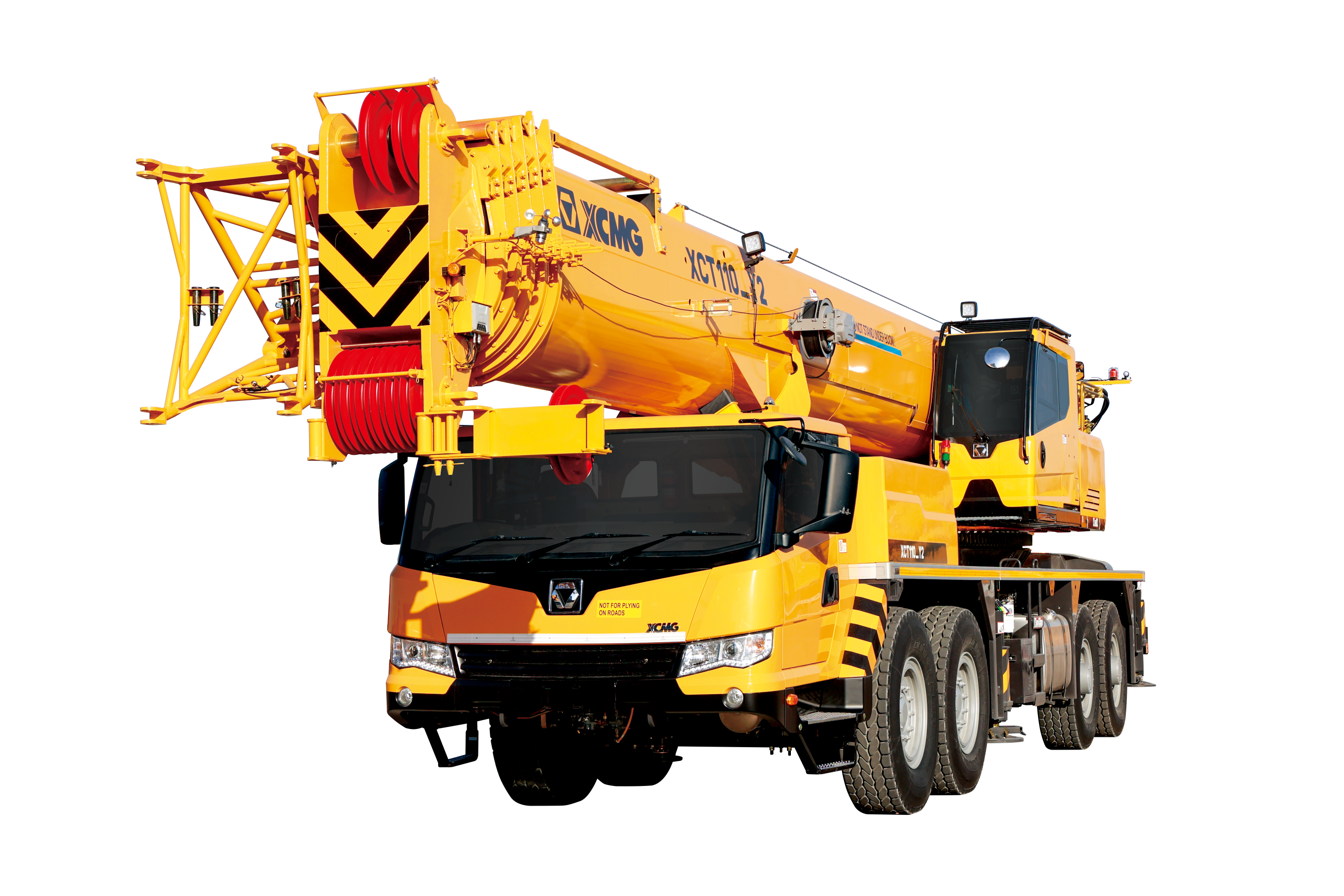
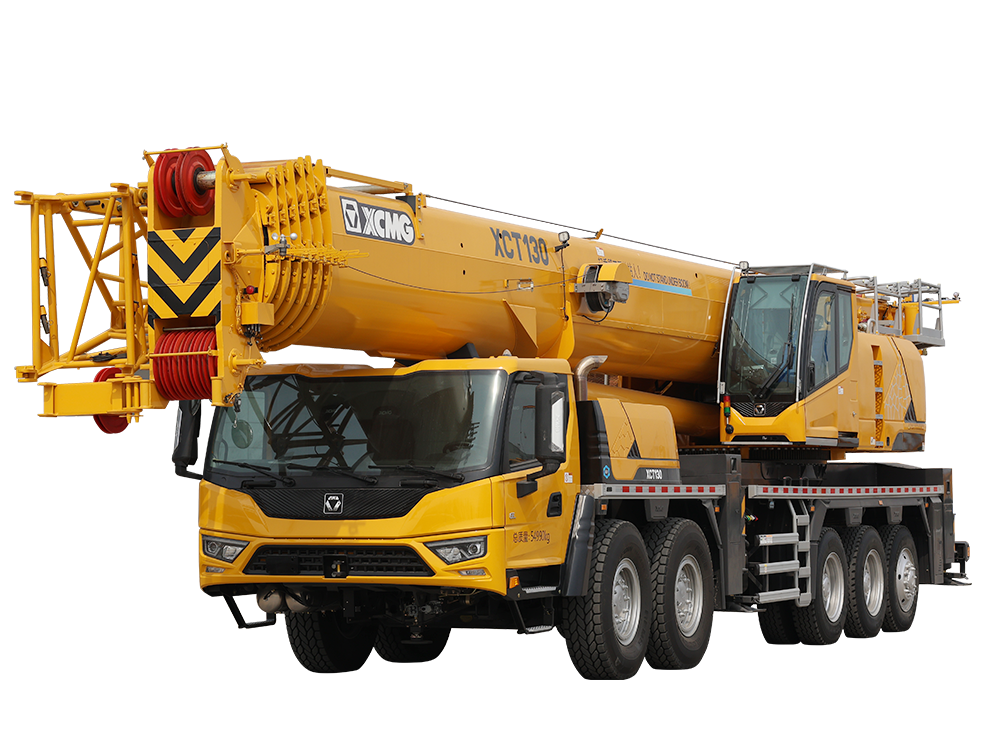
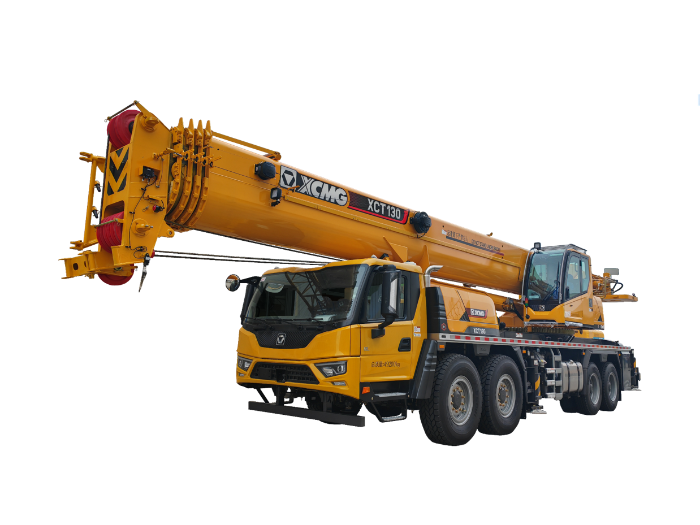
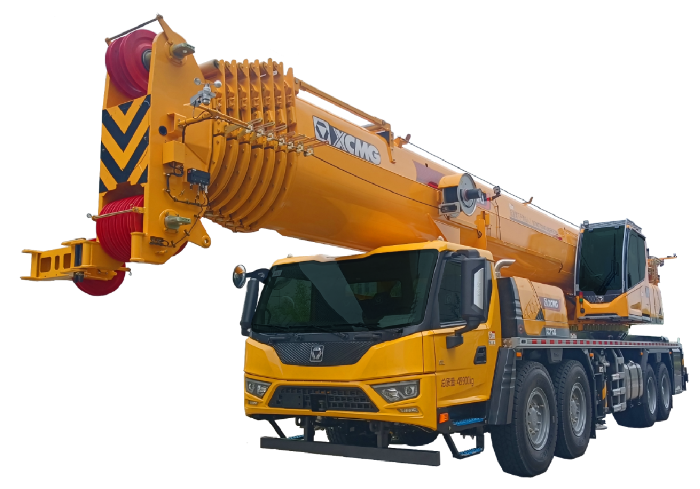
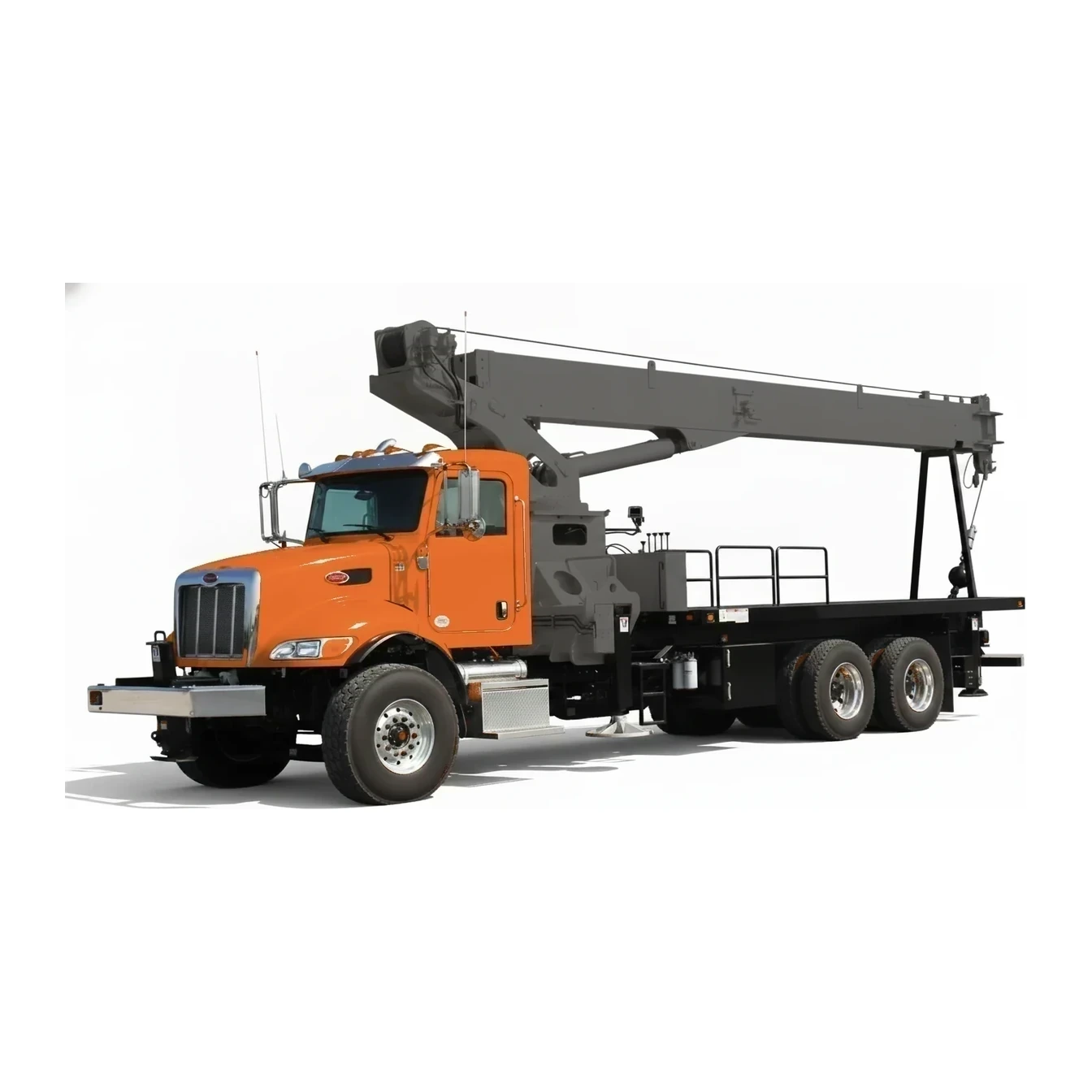
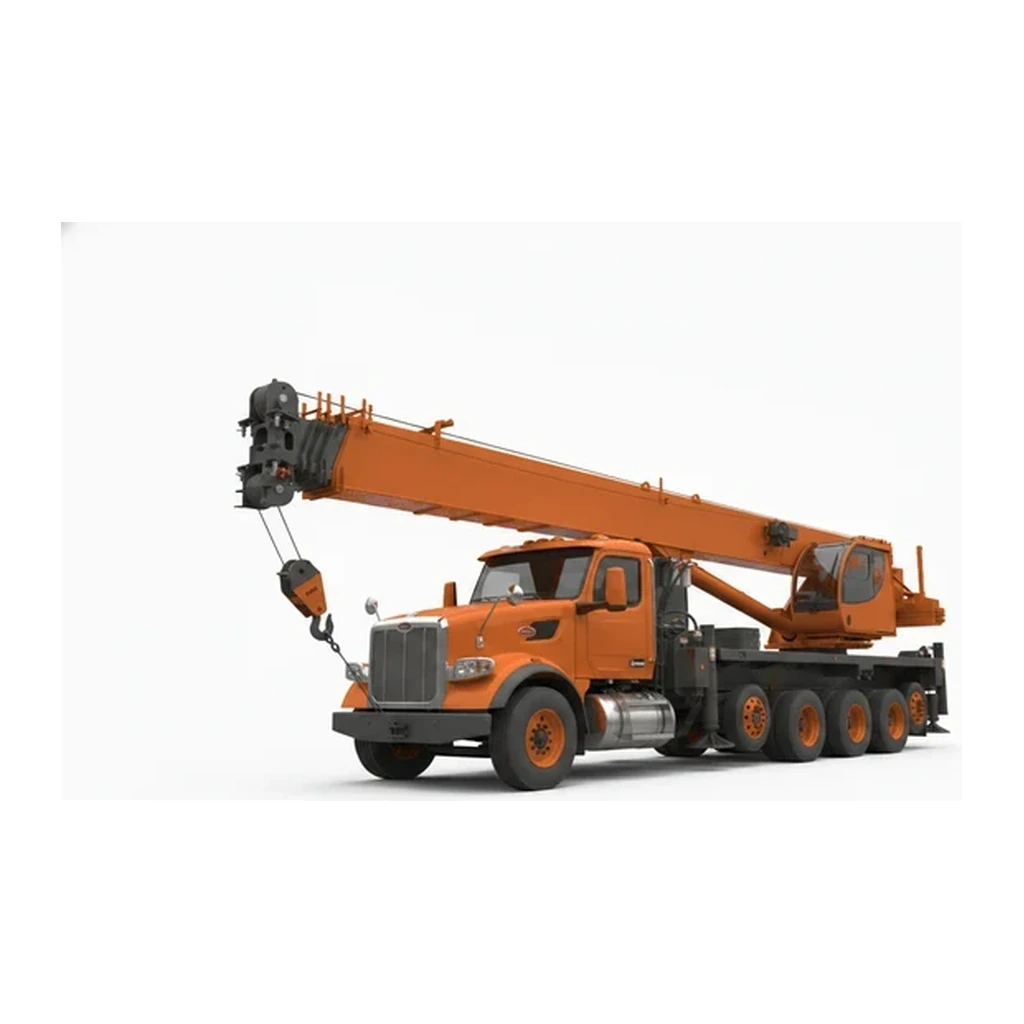
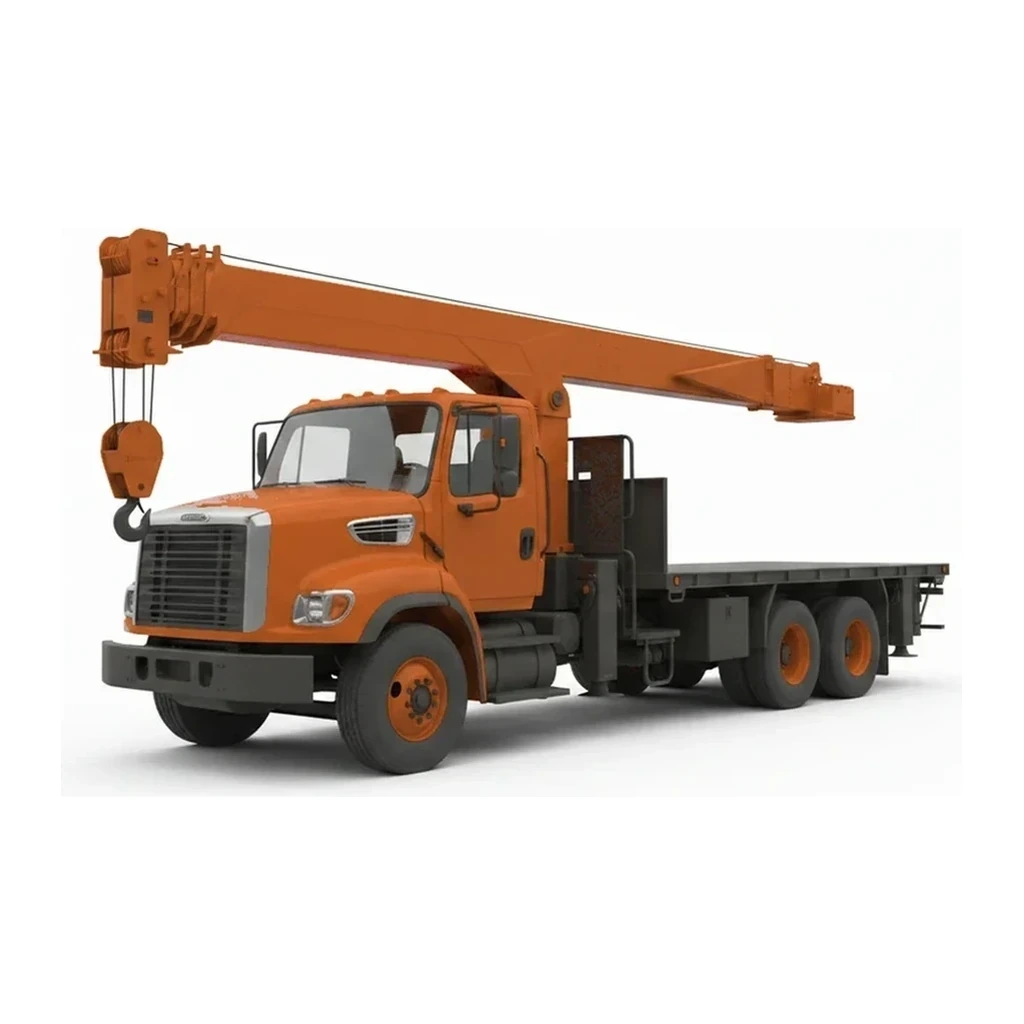
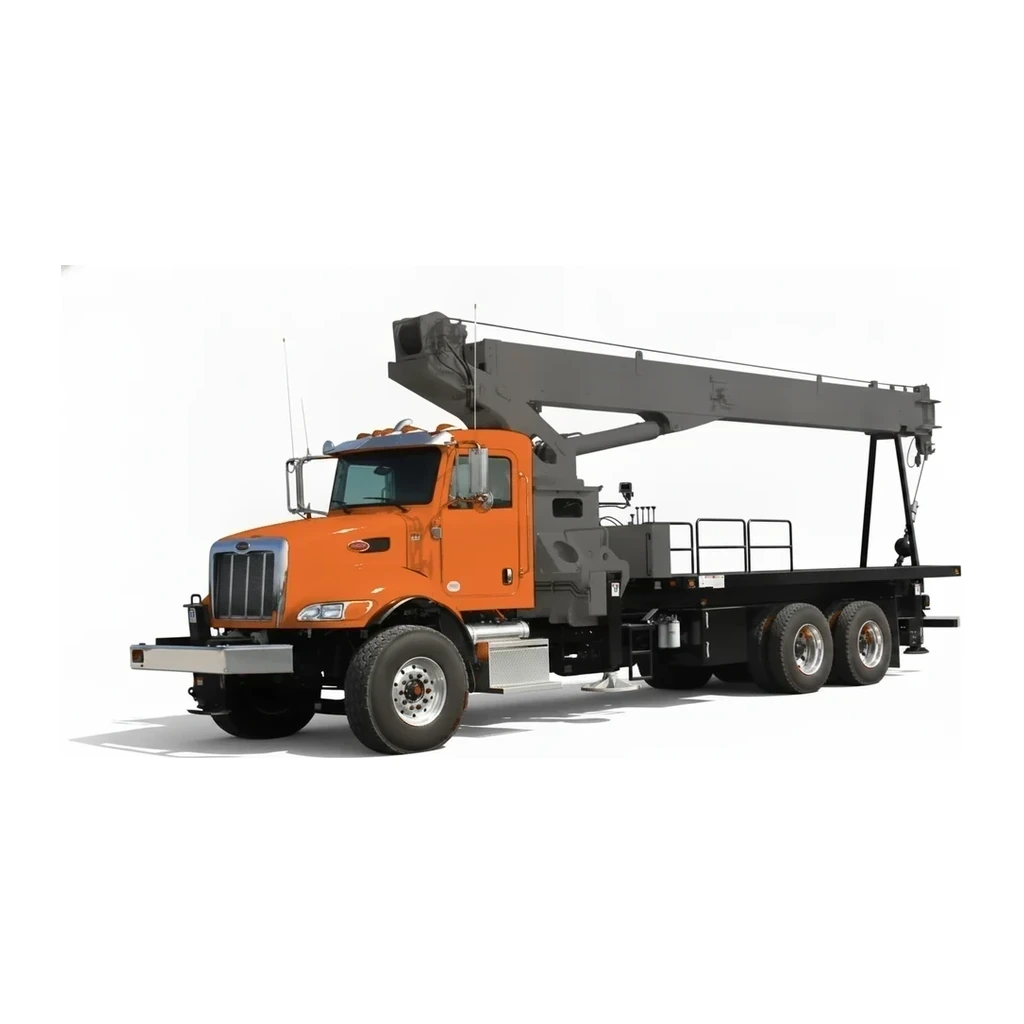
A boom truck is a hydraulic crane permanently mounted behind the cab of a truck chassis, combining load transportation and lifting capability in a single unit. These machines enable operators to deliver material and perform the lift without requiring a separate crane, making them efficient for jobs where the crane must travel with its load. The industry recognizes boom trucks as distinct from other mobile cranes due to their integrated truck-and-crane design.
Cat classes
Pick a size class — capacity and reach differ across the range.
How it works
The crane is hydraulically powered and mounted to the truck frame, typically positioned between the cab and the cargo bed or flatbed. Boom trucks may feature telescopic booms that extend straight out, or articulating (knuckle) booms that fold and unfold at multiple joints for increased maneuverability in tight spaces. Outriggers deploy from the truck frame to stabilize the unit during lifting operations, transferring load forces away from the truck's suspension. The operator controls the boom, winch, and outriggers from a console typically located on the side of the truck or via wireless remote. Load charts specific to each model dictate safe lifting capacities at various boom angles and extensions, accounting for outrigger position and ground conditions. The truck's engine powers the hydraulic system that actuates all crane functions.
Types & variants
- Telescopic Boom Truck
- Features a straight boom that extends and retracts telescopically, offering maximum reach and simpler load charts for straightforward lifting applications.
- Knuckle Boom (Articulating Crane)
- Equipped with a boom that folds at one or more joints, providing superior maneuverability over obstacles and the ability to reach behind or around structures.
- National Crane Style
- A specific design pattern characterized by rear-mounted articulating booms popular in utility and service applications, named after a leading manufacturer.
- Picker Truck
- Smaller capacity boom trucks, typically under 10 tons, designed primarily for self-loading and unloading of materials from the truck bed.
- Heavy-Duty Boom Truck
- Larger capacity units above 30 tons, often with telescopic booms, used for structural steel, precast, and industrial applications where full crane mobilization is unnecessary.
Key specifications
| Specification | Typical range | What it means |
|---|---|---|
| Lifting Capacity | 2.3–300 tons | Maximum rated load the crane can lift at minimum radius, determining the class and suitable applications for the unit. |
| Maximum Reach | 5–79 feet | Furthest horizontal distance from the crane's centerline to the hook at maximum boom extension, defining work envelope. |
| Tonnage Class | 5–10 ton, 10–20 ton, 20–25 ton | Industry-standard size classifications used to categorize boom trucks by lifting capacity range. |
| Outrigger Spread | Varies by model | Distance between deployed stabilizers, affecting stability and permissible load capacities per the load chart. |
| Boom Type | Telescopic or Articulating | Describes the boom's mechanical configuration, determining reach pattern and operational flexibility. |
How the industry sizes it
The industry sizes boom trucks by ton capacity, with common classifications including 5-10 ton, 10-20 ton, and 20-25 ton crane trucks. Units under 15 tons typically deliver and set their own loads, such as HVAC units, signage, and utility materials off a flatbed. The 15-30 ton range represents the everyday boom truck for rooftop mechanical sets and precast work on commercial projects. Boom trucks above 30 tons handle larger structural steel and tank work where mobilizing a full crane would be inefficient. Manufacturers offer 264 models across brands including XCMG, IMT, Altec, Sennebogen, Grove, Manitex, Tadano, National Crane, and Link-Belt.
Applications
- Rooftop HVAC unit placement and mechanical equipment installation on commercial buildings
- Sign installation and maintenance for commercial and roadside signage
- Utility pole and transformer setting for electrical distribution work
- Precast concrete panel erection on low- to mid-rise construction projects
- Structural steel placement where full crane mobilization is uneconomical
- Material delivery and self-unloading at job sites with limited crane access
Safety & operation
- Load charts must be consulted for every lift, accounting for boom angle, extension, and outrigger configuration to prevent overloading
- Outriggers must be fully extended and properly supported on firm, level ground or cribbing before lifting operations commence
- Overhead power lines present electrocution hazards; minimum clearance distances must be maintained per OSHA regulations
- Operators must be trained and certified for the specific boom truck model and capacity class being operated
- Wind speeds, ground conditions, and dynamic loading from swinging loads affect stability and must be evaluated before each lift
Standards & certifications
- OSHA · 29 CFR 1926 Subpart CC
- Federal regulations governing cranes and derricks in construction, including operator certification and safety requirements.
- ASME · B30.22
- Safety standard for articulating boom cranes, covering design, inspection, testing, maintenance, and operation.
- ASME · B30.5
- Safety standard for mobile and locomotive cranes, applicable to many telescopic boom truck configurations.
- NCCCO
- National Commission for the Certification of Crane Operators provides nationally recognized operator certification programs.
Frequently asked
What is the difference between a boom truck and a knuckle boom?
How is boom truck capacity determined?
Do boom truck operators require certification?
What size boom truck is needed for typical rooftop HVAC work?
Compare popular models
Find by spec →Normalised to the same units. A dash means the figure was not published.
| Model | Lifting capacity | Max reach |
|---|---|---|
| Elliott 1039 BoomTruck | 19,842 lb (9 t) | 39 ft (11.9 m) |
| Elliott 1870 BoomTruck | 35,274 lb (16 t) | 70 ft (21.3 m) |
| Grove TMS500-2- 102ft Boom | 79,366 lb (36 t) | 32 ft (9.8 m) |
| Grove TMS500-2- 95ft Boom | 79,366 lb (36 t) | 29 ft (8.8 m) |
| Grove TMS700E | 99,208 lb (45 t) | 36 ft (11.0 m) |
| Grove TMS800-2 | 160,937 lb (73 t) | 40 ft (12.2 m) |
Related equipment
Browse by manufacturer
Sources
Every specification is verified against the manufacturer's published data, with the source linked for reference.
All models
264 models · Page 6 of 6 · Every spec cited to source