

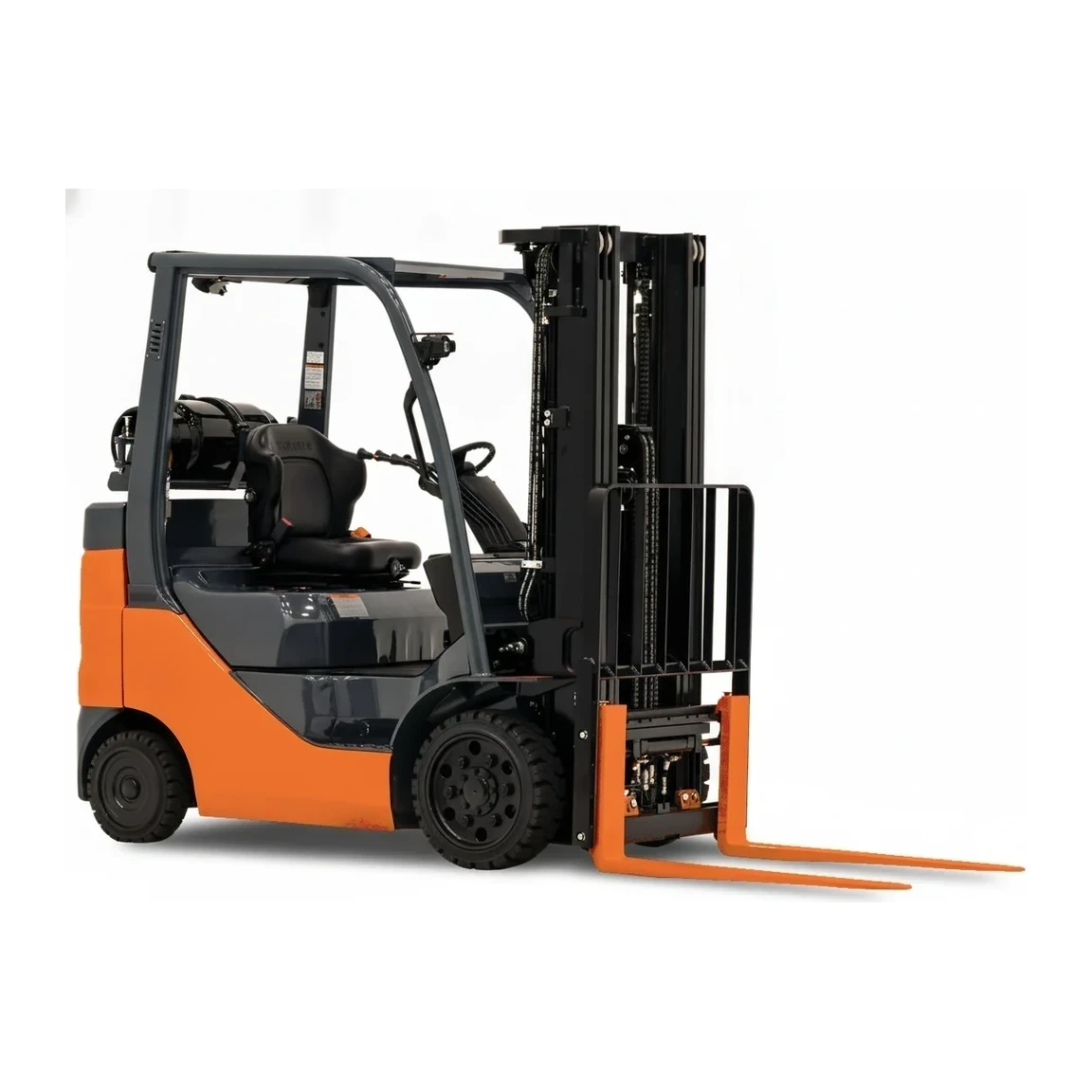
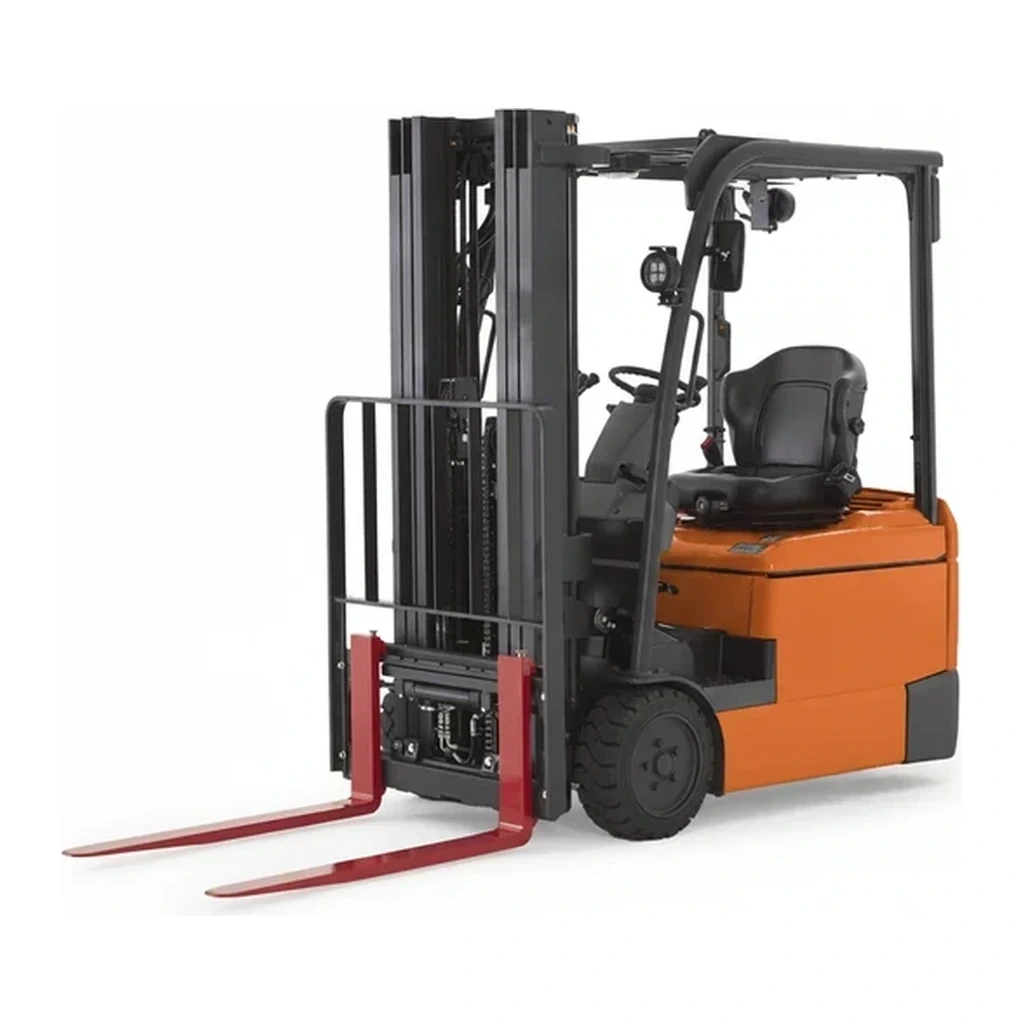
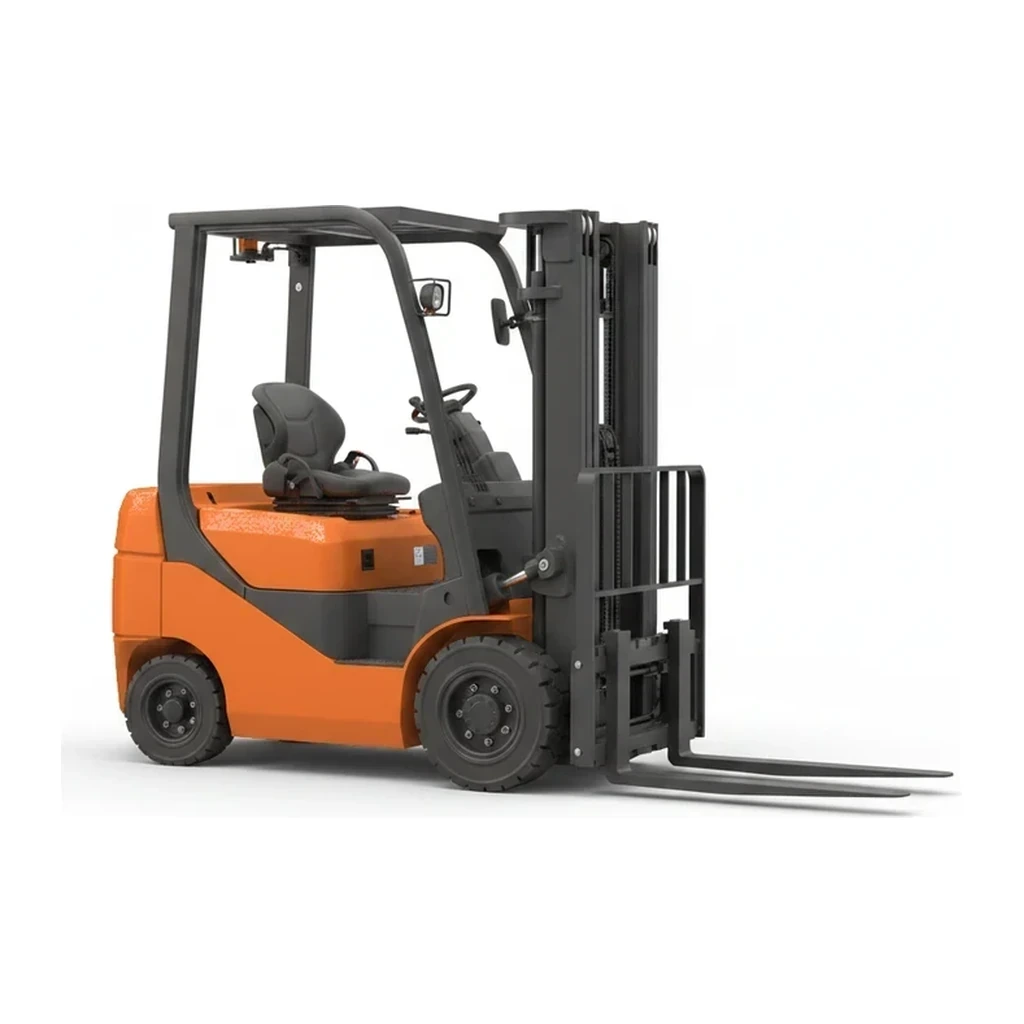
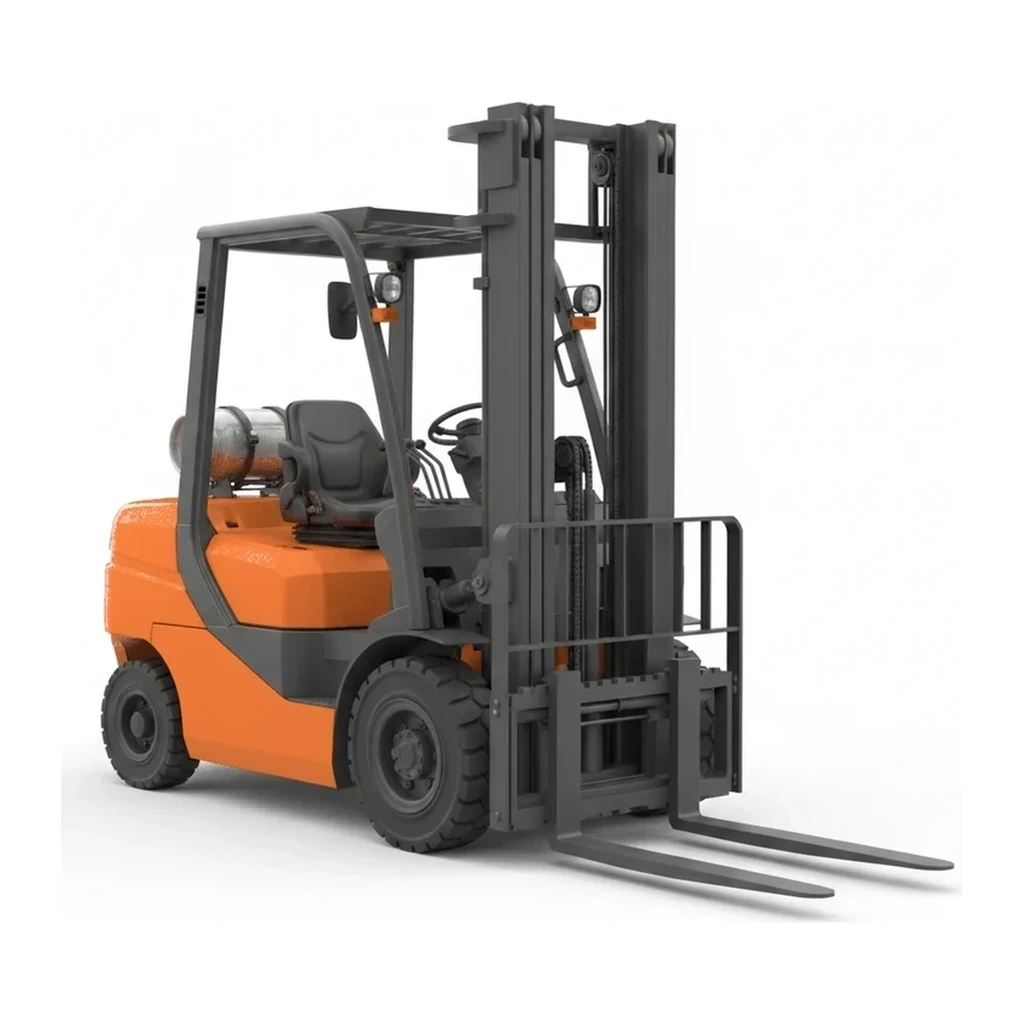
6,000-8,000 lb Cushion Tire Forklift
The 6,000-8,000 lb cushion tire forklift class handles heavier and double-stacked pallets while remaining compact enough to maneuver inside trailers and tight warehouse aisles. This mid-capacity tier sits between the 4,000-6,000 lb class and the 8,000-12,000 lb class, offering approximately 3,000 kg (6,600-7,000 lb) of rated capacity across 26 models from manufacturers including Hyster, Crown, Noblelift, and Unicarriers. Lift heights range from 4.7 to 24.6 feet depending on mast configuration.
Cat classes
Pick a size class: capacity and reach differ across the range.
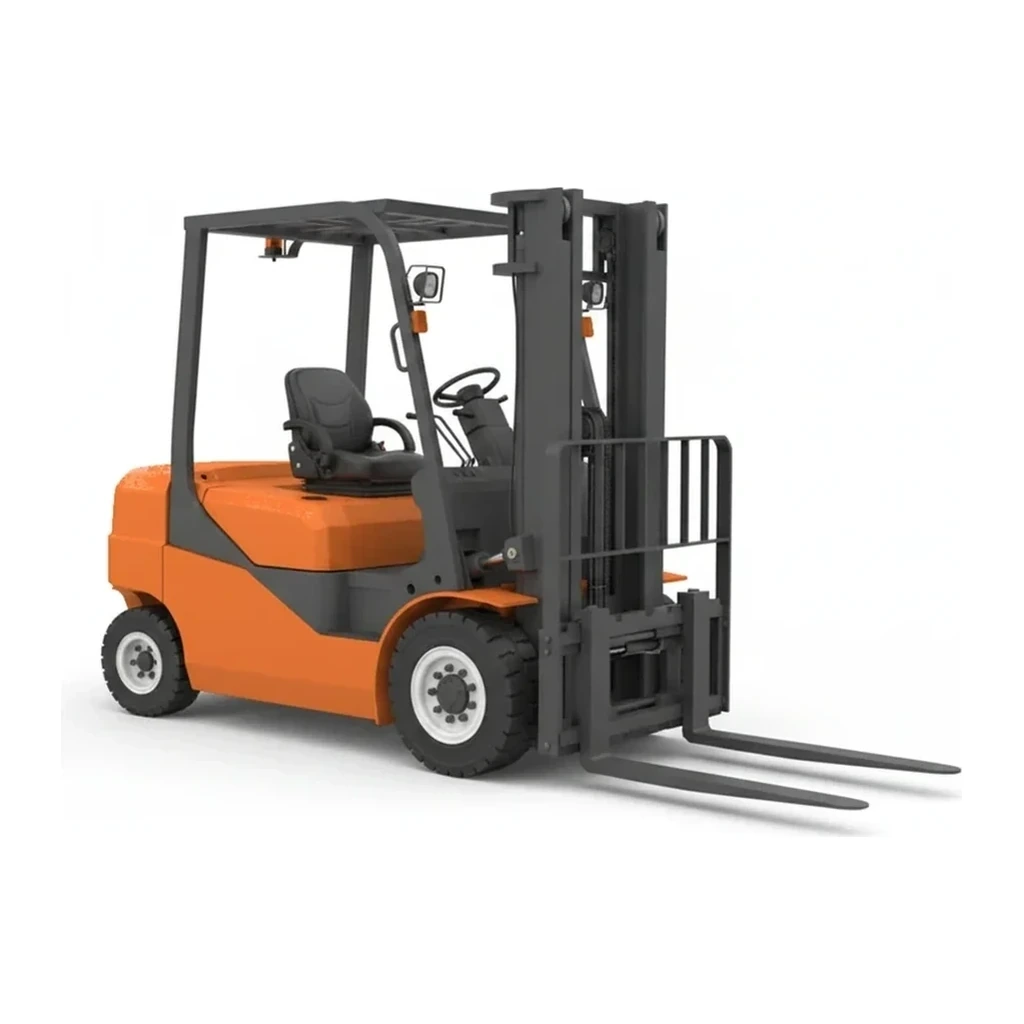
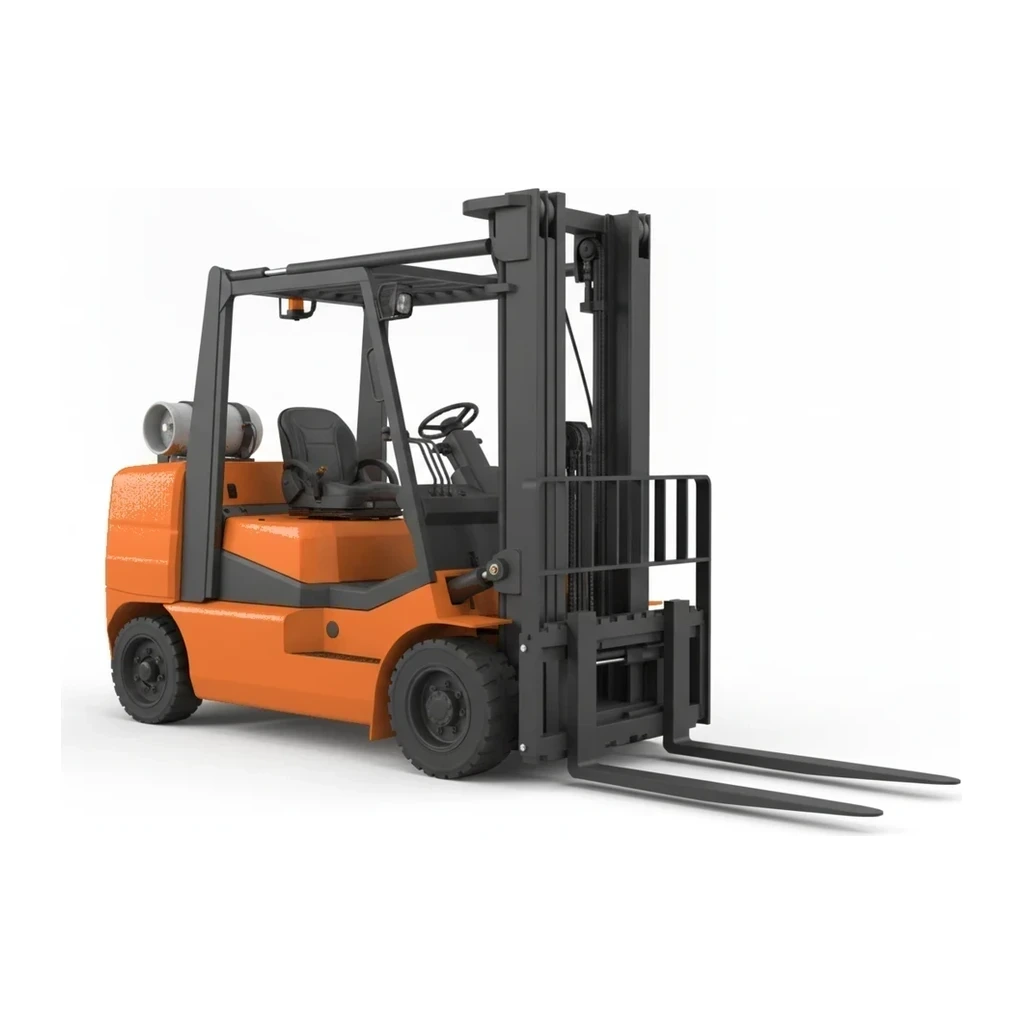
Key specifications
| Specification | Typical range | What it means |
|---|---|---|
| Load capacity | 2,722-3,175 kg (6,000-7,000 lb) | Rated capacity for safely lifting and transporting loaded pallets at standard load center |
| Lift height | 4.7–24.6 ft (1.4–7.5 m) | Maximum fork elevation; standard masts typically 12-15 ft, triple masts reach 20+ ft for high racking |
| Tire type | Cushion (solid rubber) | Low-profile solid tires for smooth warehouse floors; shorter turning radius than pneumatic configurations |
How to choose
Choose the 6,000-8,000 lb class when handling double-stacked pallets, heavier machinery crates, or dense materials that exceed the 4,000-6,000 lb Cushion Tire Forklift capacity, particularly in applications requiring work inside truck trailers or container loading. The compact wheelbase and cushion tires suit finished concrete and asphalt surfaces common in distribution centers and manufacturing plants. Step down to the 4,000-6,000 lb Cushion Tire Forklift for standard single-pallet loads where the reduced size improves maneuverability in narrow aisles. Step up to the 8,000-12,000 lb Cushion Tire Forklift when loads consistently exceed 7,000 lb or when handling bundled steel, paper rolls, or industrial equipment that demands greater stability and lifting power.
What this size handles
- Loading and unloading double-stacked pallets in enclosed trailers and shipping containers
- Moving bundled roofing materials, bagged concrete, or dense building products in distribution warehouses
- Stacking heavy machinery parts or automotive components on high-bay racking up to 24 feet
- Transferring crated equipment or industrial tooling between warehouse zones on smooth concrete floors
- Feeding production lines with raw materials on pallets exceeding 5,000 lb in manufacturing facilities
- Cross-docking operations handling mixed pallet weights in logistics centers with finished floors
Safety & operation
- Operator certification (OSHA or equivalent standards) required; training specific to load capacity and mast height
- Cushion tires offer minimal shock absorption; not suitable for rough outdoor surfaces, gravel, or uneven terrain
- Load center and stability considerations critical when lifting at or near rated capacity, especially with extended masts
- Overhead clearance must accommodate mast height when raised; high-reach configurations require awareness of structural and utility obstructions
Transport & logistics
- Standard flatbed or step-deck trailer; typical machine weight 8,000-12,000 lb depending on mast and power type
- Loaded via ramps or dock-height loading using the forklift's own power; triple-mast units may require height clearance verification
- Over-the-road transport typically requires tie-down at four points and mast fully lowered to meet height restrictions
Power & supply
- Electric models require 36V or 48V battery systems with onsite charging infrastructure; 8-hour charge cycles common
- Internal combustion models (propane, diesel, or gasoline) require fuel storage and ventilation considerations for indoor use
- Propane-powered units popular for indoor/outdoor transition work where emissions standards permit operation in enclosed spaces
Frequently asked
What separates the 6,000-8,000 lb class from lighter cushion tire forklifts?
Can cushion tire forklifts in this capacity range operate outdoors?
How does mast selection affect lift height in this class?
Compare popular models
Find by spec →Normalised to the same units. A dash means the figure was not published.
| Model | Load capacity | Lift height | Engine power |
|---|---|---|---|
| Crown CB25 | 7,000 lb (3,175 kg) | 23 ft (7.0 m) | - |
| EP Equipment EFX4-303 | 6,614 lb (3,000 kg) | 19.7 ft (6.0 m) | - |
| EP Equipment EFL303 | 6,614 lb (3,000 kg) | 19.7 ft (6.0 m) | - |
| Hyster LO60 | 6,001 lb (2,722 kg) | 4.7 ft (1.4 m) | - |
| Jungheinrich EFG 425-435 | 7,716 lb (3,500 kg) | 24.6 ft (7.5 m) | - |
| Nissan BXC40Q-BXC80Q | - | - | - |
Related equipment
Browse by manufacturer
Sources
Every specification is verified against the manufacturer's published data, with the source linked for reference.
6,000-8,000 lb Cushion Tire Forklift
27 models · Every spec cited to source