

Machinery Moving and Rigging
How it works
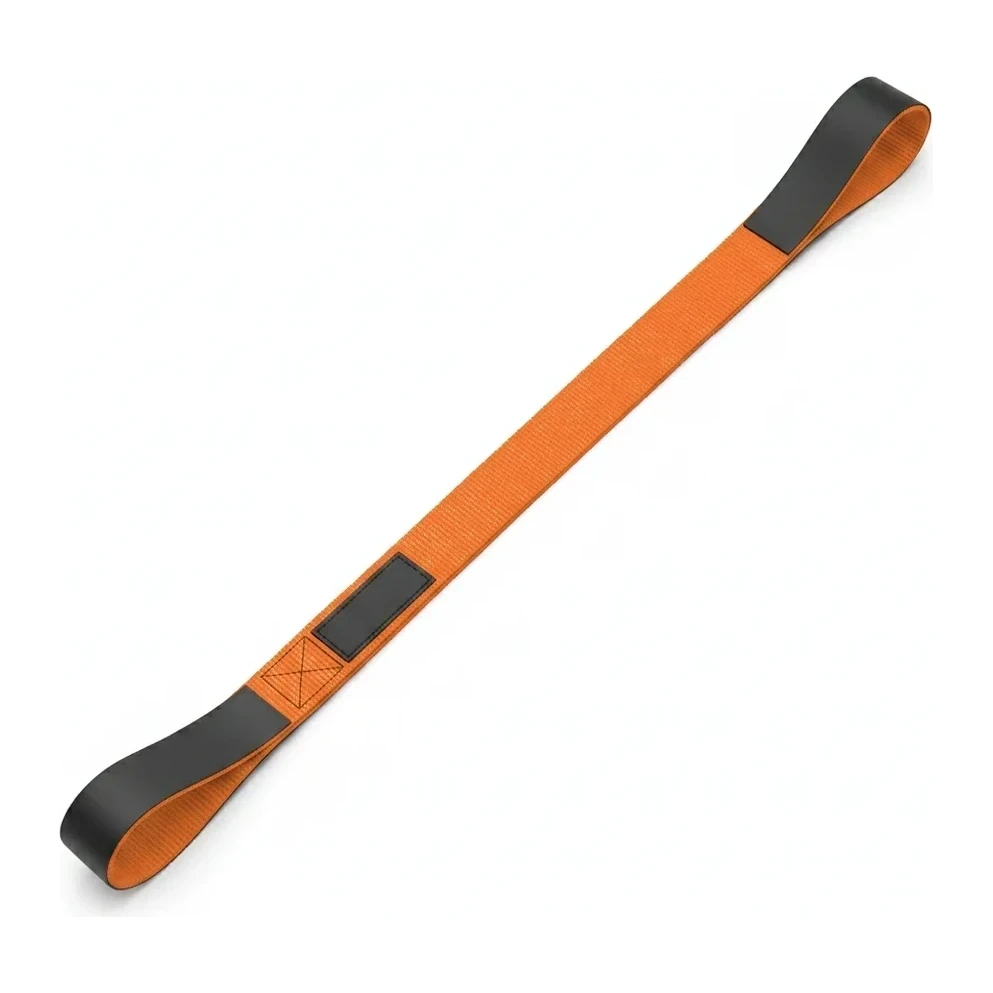
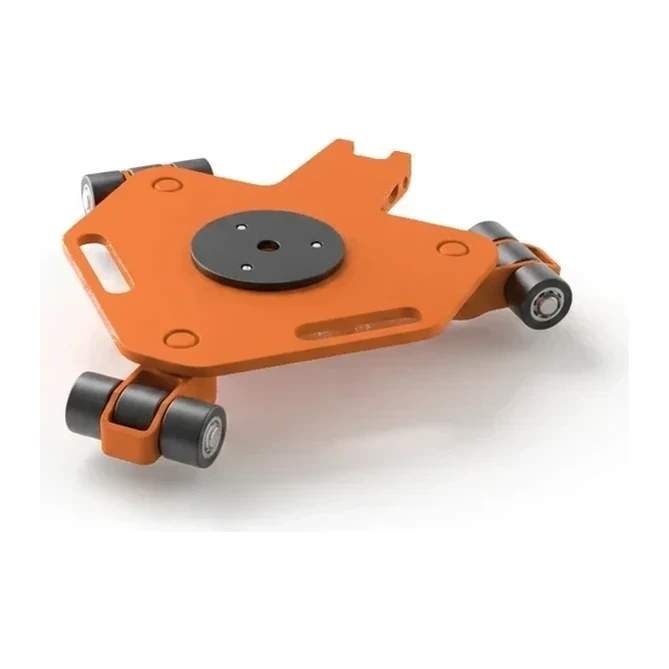
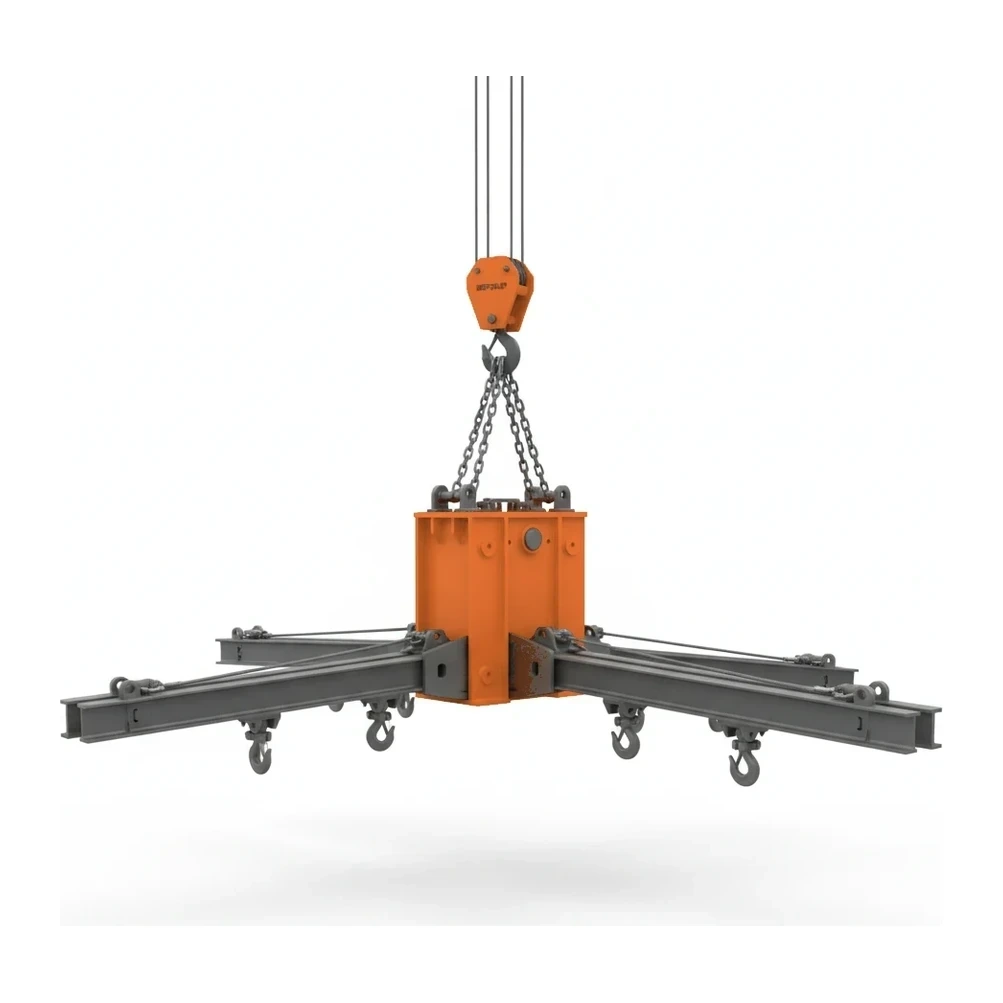
Rigging equipment functions as the critical interface between lifting devices and loads, distributing forces safely while machinery skates provide low-friction mobility for heavy objects across floors. Slings wrap around or connect to loads using various configurations (basket, choker, vertical) to establish secure lift points, while machinery skates position beneath loads to enable rolling movement with minimal effort. Proper selection depends on load weight, geometry, surface conditions, and required Working Load Limits (WLL) or capacity ratings established by manufacturers and safety standards.
Types & variants
- Rigging Sling
- Flexible load-bearing devices manufactured from synthetic webbing, wire rope, or alloy chain, engineered with specific Working Load Limits for connecting loads to lifting equipment through various hitch configurations
- Machinery Skate
- Wheeled load-moving platforms with reinforced steel frames and rotating or swivel casters, rated by capacity to support and transport heavy machinery across level surfaces
Standards & certifications
- ASME · B30.9, B30.20
- Covers slings (B30.9) and below-the-hook lifting devices; establishes inspection, usage, and capacity requirements
- OSHA · 29 CFR 1926.251
- Regulates rigging equipment for hoisting in construction, including sling materials, safe working loads, and inspection protocols
- WSTDA · Web Sling & Tie Down Association standards
- Industry standards for synthetic web sling construction, testing, and identification markings
Frequently asked
How are rigging slings sized and rated?
Slings are rated by Working Load Limit (WLL), which varies based on material type, construction, width or diameter, and hitch configuration. Capacity decreases significantly when used in choker hitches compared to vertical or basket configurations, with angle factors applied for multi-leg bridle arrangements.
What capacity range do machinery skates typically cover?
Machinery skates range from approximately 2-ton capacity for light positioning work up to 100+ tons for industrial-scale machinery relocation. Capacity ratings account for load distribution across multiple skates used in coordinated sets, with swivel versus fixed wheel configurations affecting maneuverability.
What determines sling material selection between synthetic, chain, and wire rope?
Material selection depends on load characteristics, environmental conditions, and edge protection requirements. Synthetic web slings offer flexibility and load protection but have temperature and chemical limitations; alloy chain resists abrasion and high temperatures; wire rope provides durability in demanding conditions but requires edge protection to prevent damage.
What inspection requirements apply to rigging equipment?
ASME B30.9 and OSHA regulations mandate inspection before each use for visible damage, plus periodic documented inspections at intervals determined by service conditions. Damaged slings with cuts, burns, excessive wear, or missing identification tags must be removed from service immediately.