

Saws and Cutting Tools
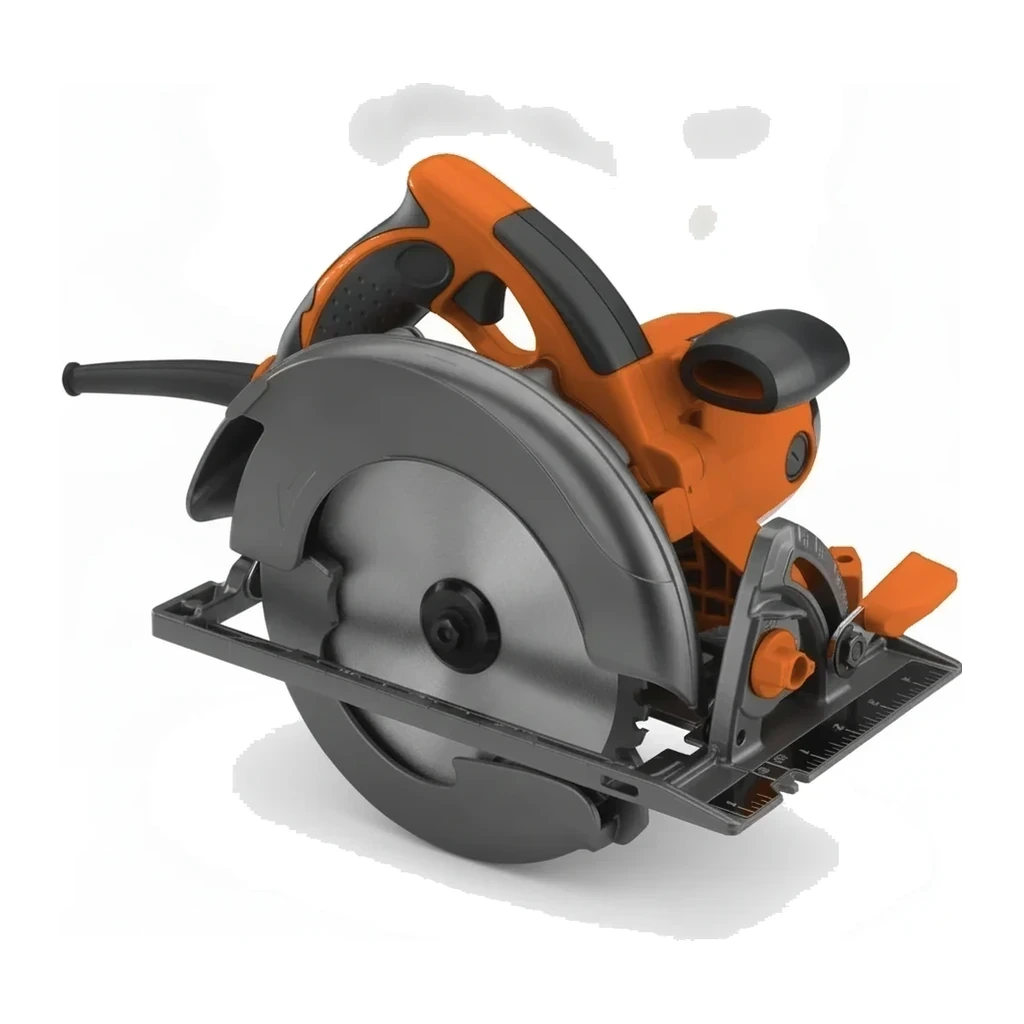
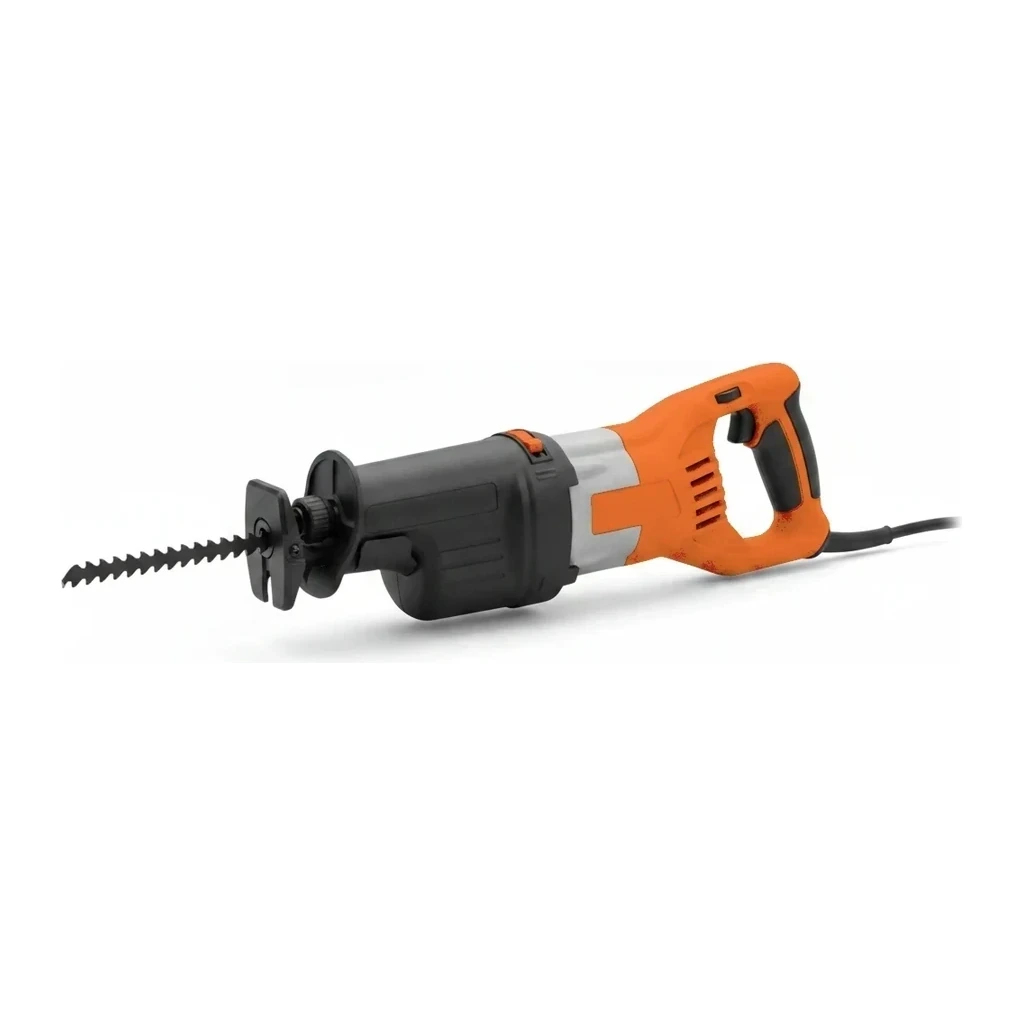
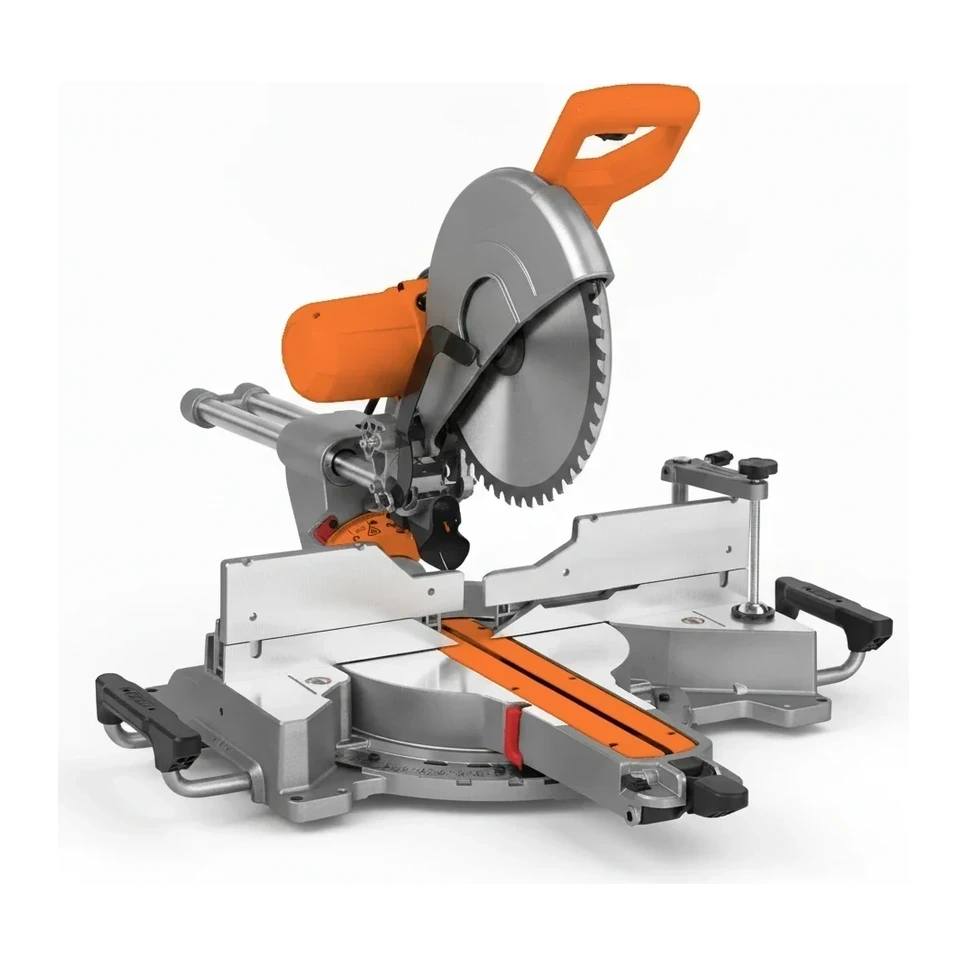
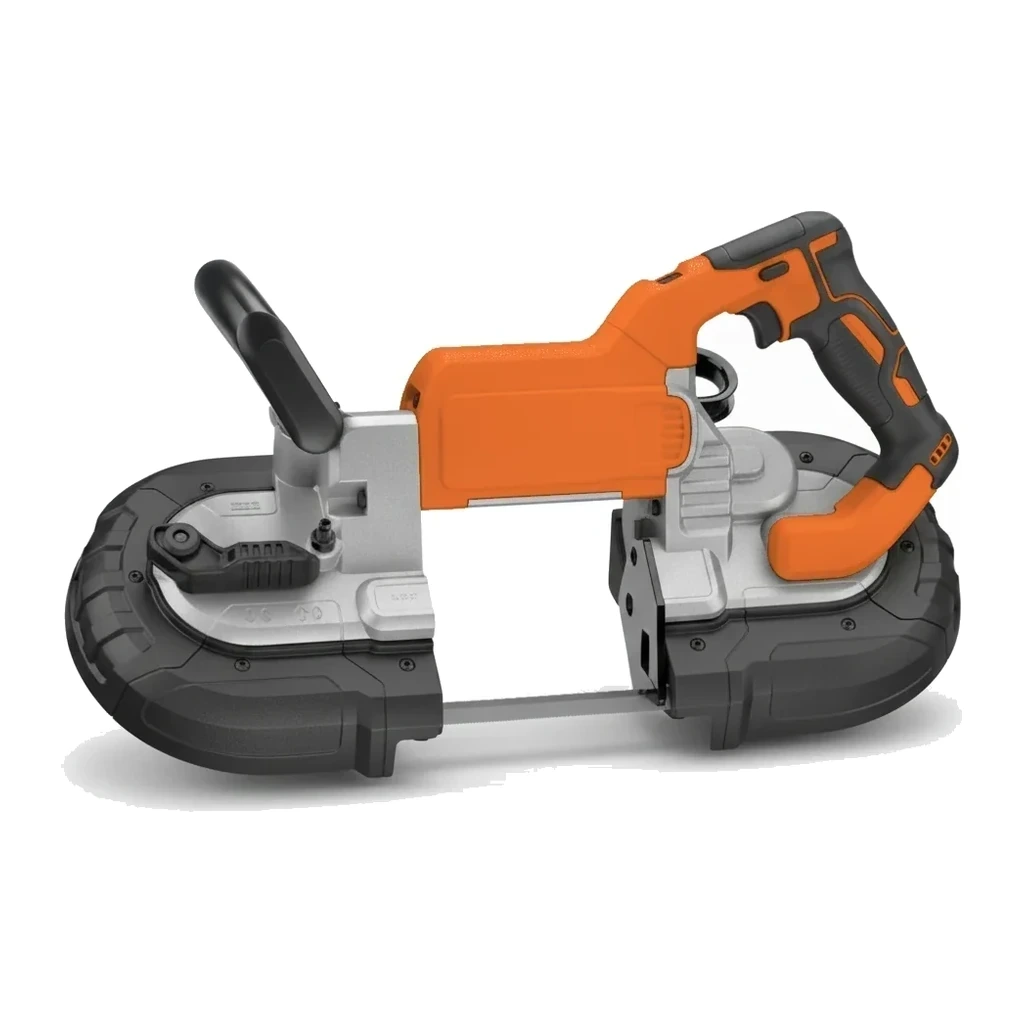
Power saws cut lumber, sheet goods, metal, and trim. Circular saws lead the class, with reciprocating saws for demolition, miter saws for trim accuracy, and band, jig, and table saws completing the set.
How it works
Each blade geometry serves its cut: a circular blade's teeth shear a straight kerf, a reciprocating blade tolerates nails and unknowns buried in demolition, a miter saw swings a fixed-angle head for identical repeated cuts, and a table saw feeds work past the blade for accurate rips. Blade selection per material governs both quality and safety.
Types & variants
- Circular Saw
- Handheld saw with a round blade for straight cuts in lumber and sheet goods.
- Reciprocating Saw
- Push-pull blade saw for demolition and rough cut-outs in mixed materials.
- Miter Saw
- Bench saw that makes accurate crosscuts and angle cuts in trim and framing stock.
- Band Saw
- Continuous-blade saw for curved or clean cuts in metal and wood.
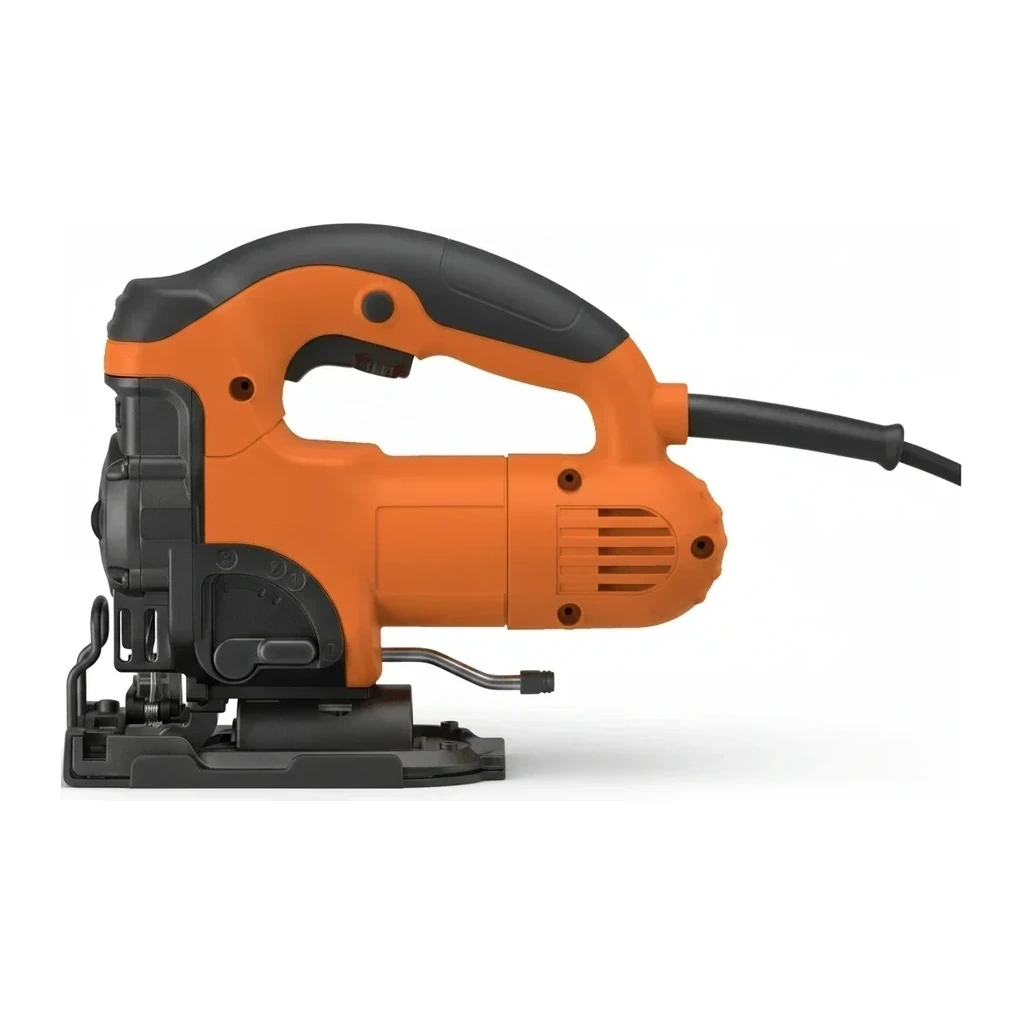
- Jig Saw
- Handheld saw with a reciprocating narrow blade for curves and cut-outs.
- Saw Attachments & Accessories
- Guides, stands, and accessories for portable and bench saws.
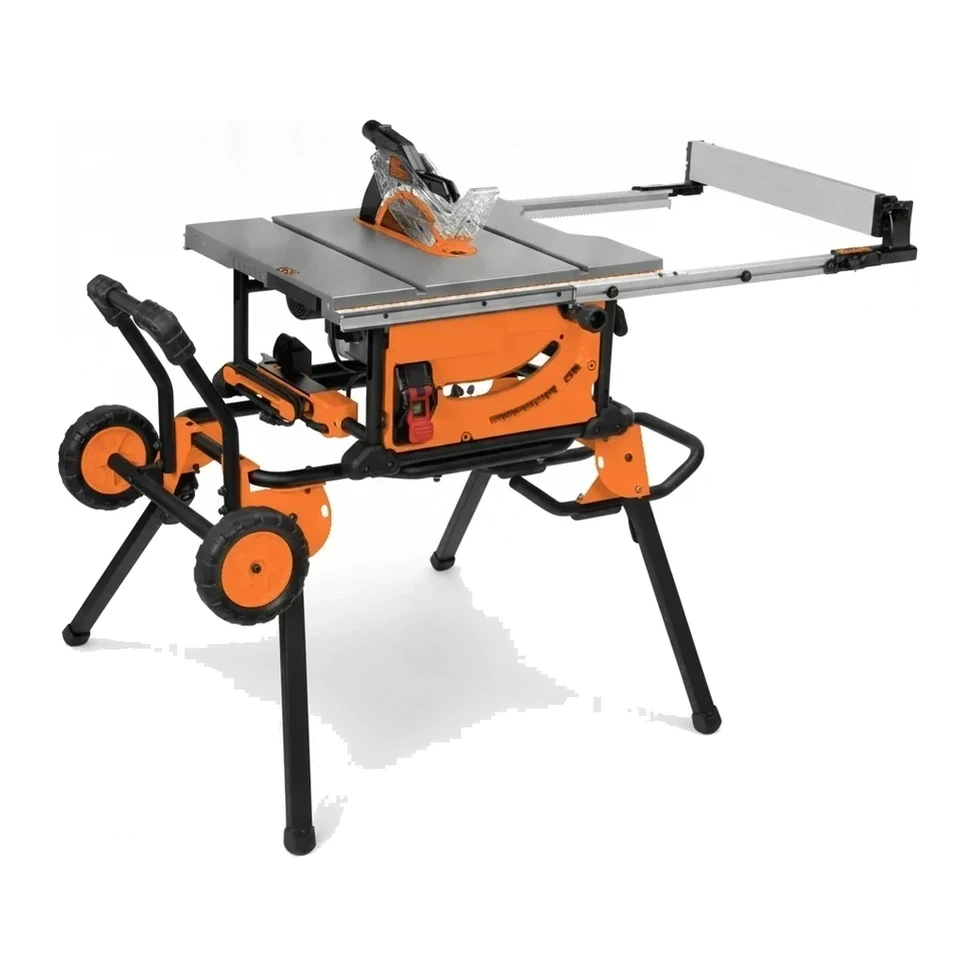
- Table Saw
- Stationary saw with a blade through a table for ripping and precision cuts.
How to choose
Framing and sheathing crews live on circular saws; demolition and remodel work on reciprocating saws; finish carpentry on miter saws. Portable band saws cut pipe, strut, and rebar cleanly without sparks. Guard condition and the right blade for the material are the constants across the family.
Standards & certifications
- IEC · IEC 62841
- Safety standard series for hand-held and transportable motor-operated electric tools.
- OSHA · 29 CFR 1926.300
- General guarding and condition requirements for hand and power tools in construction.
- OSHA · 29 CFR 1926.102
- Eye and face protection requirements when operating cutting and striking tools.