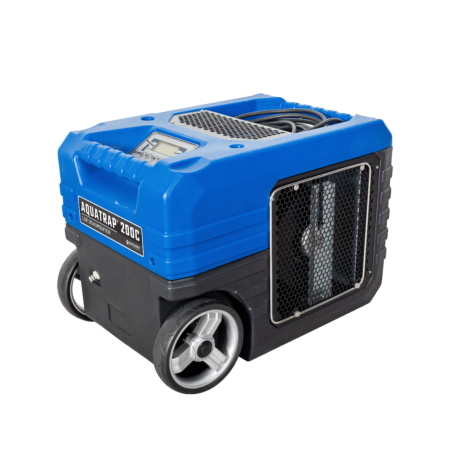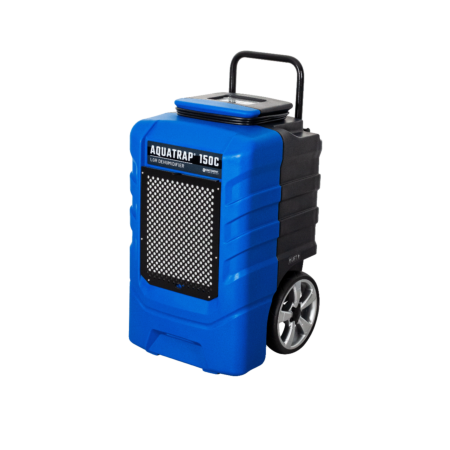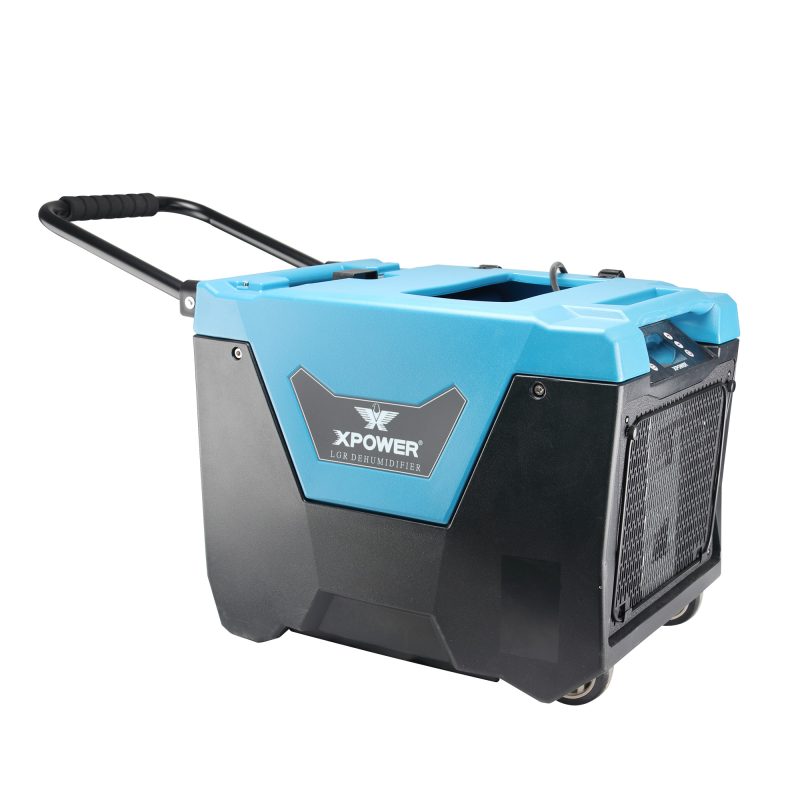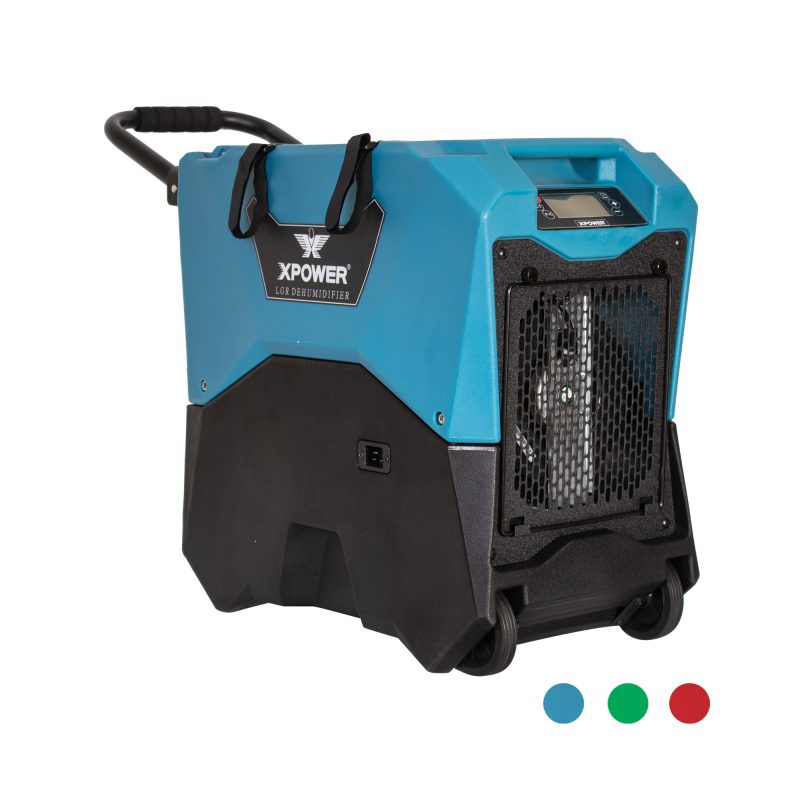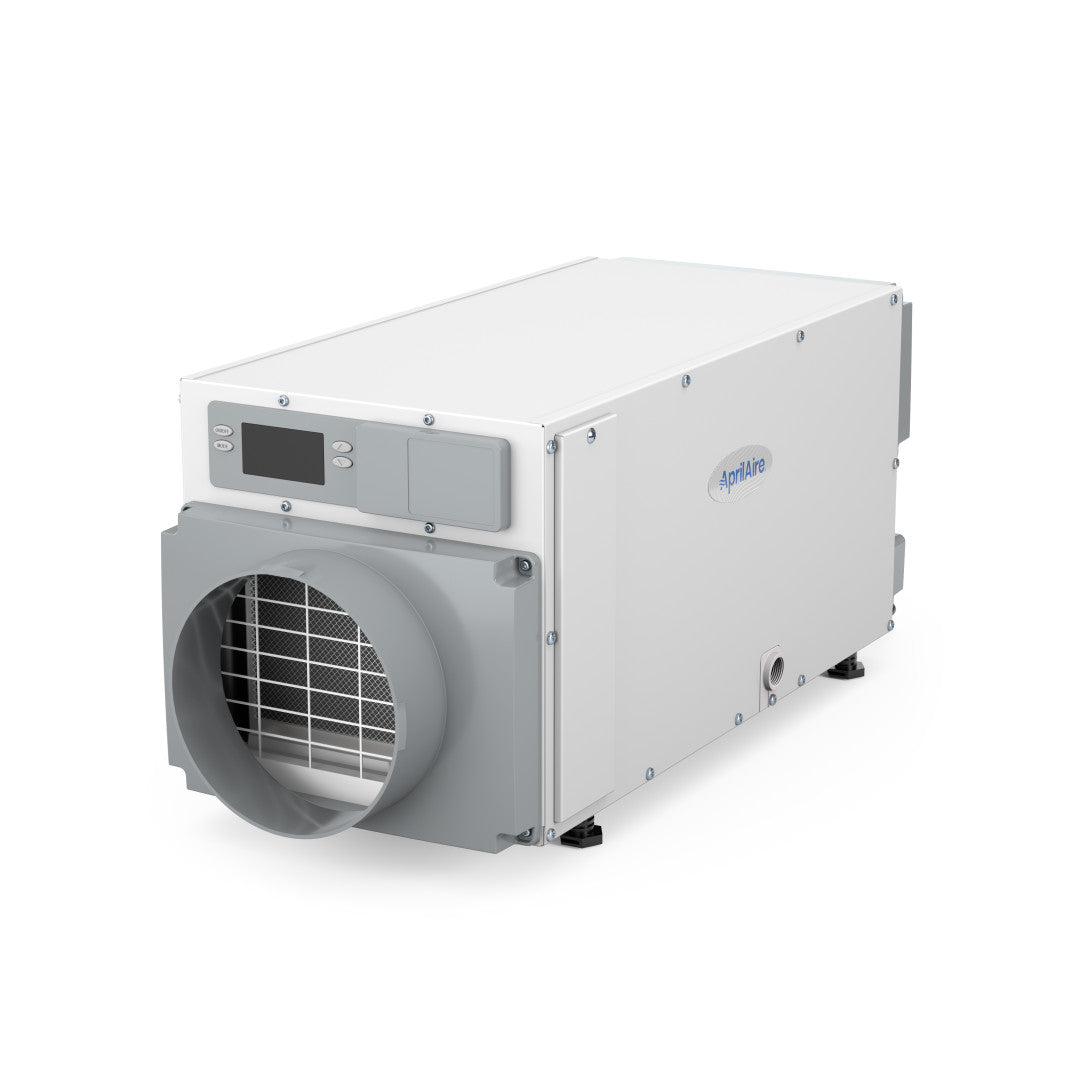

Refrigerant Dehumidifier (LGR)
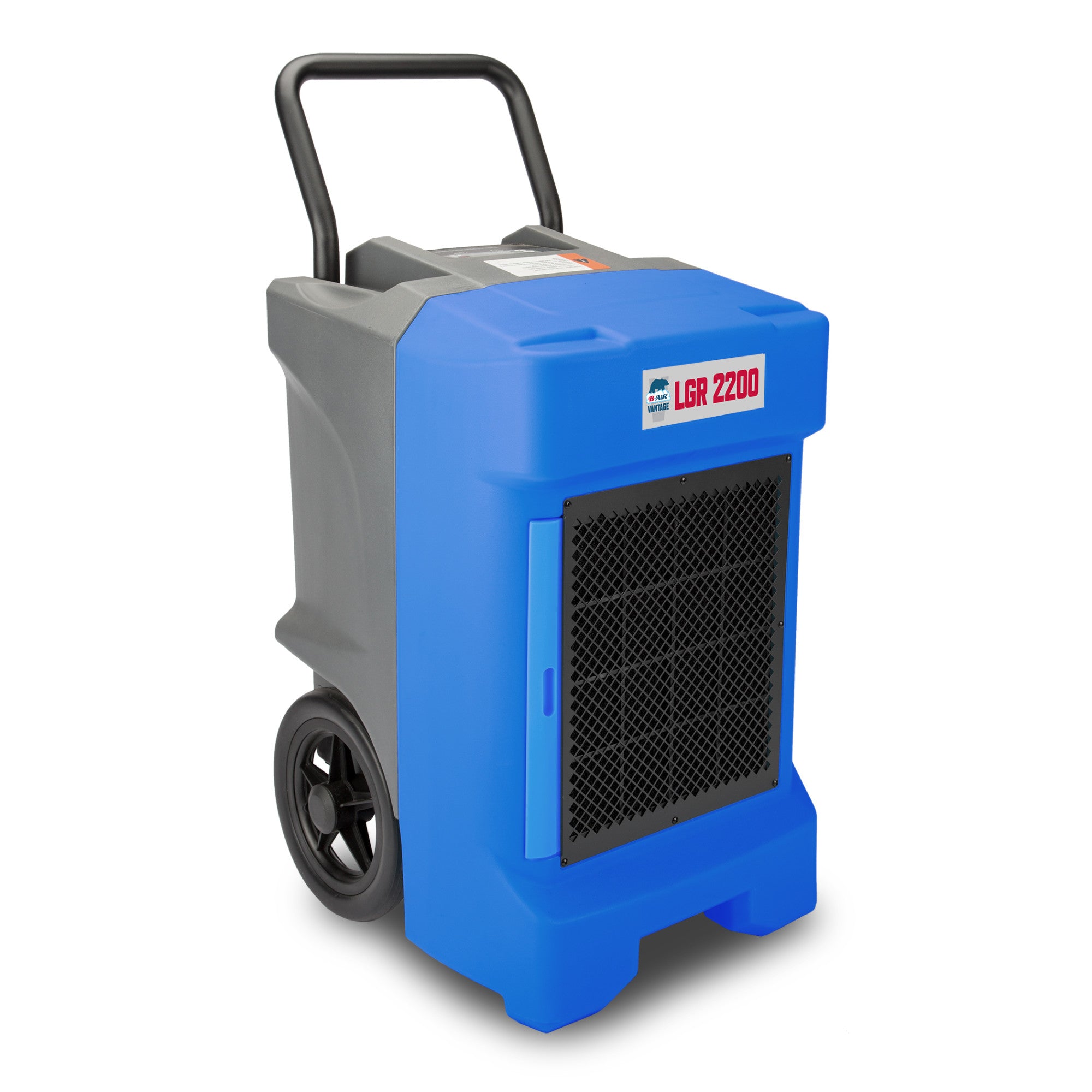
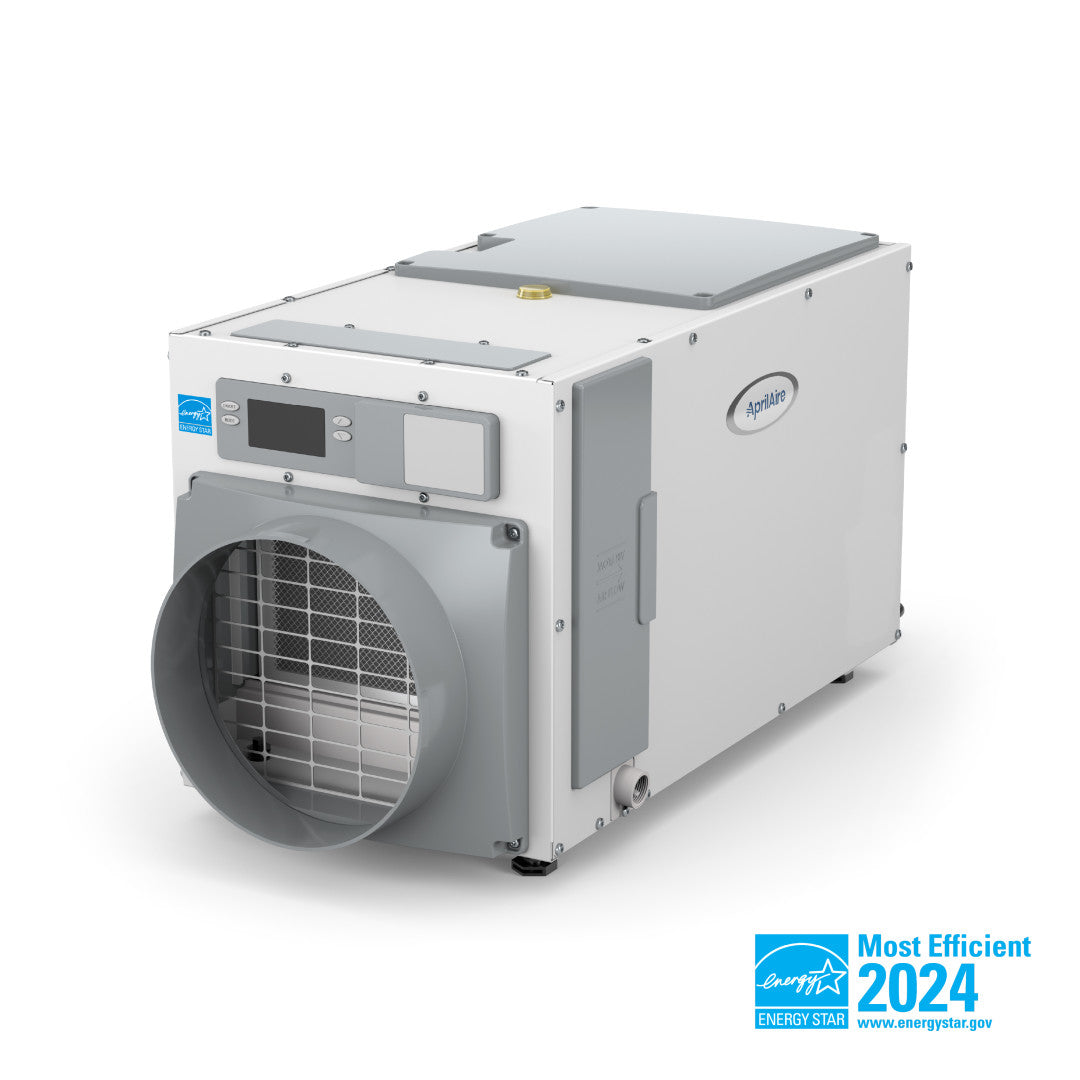
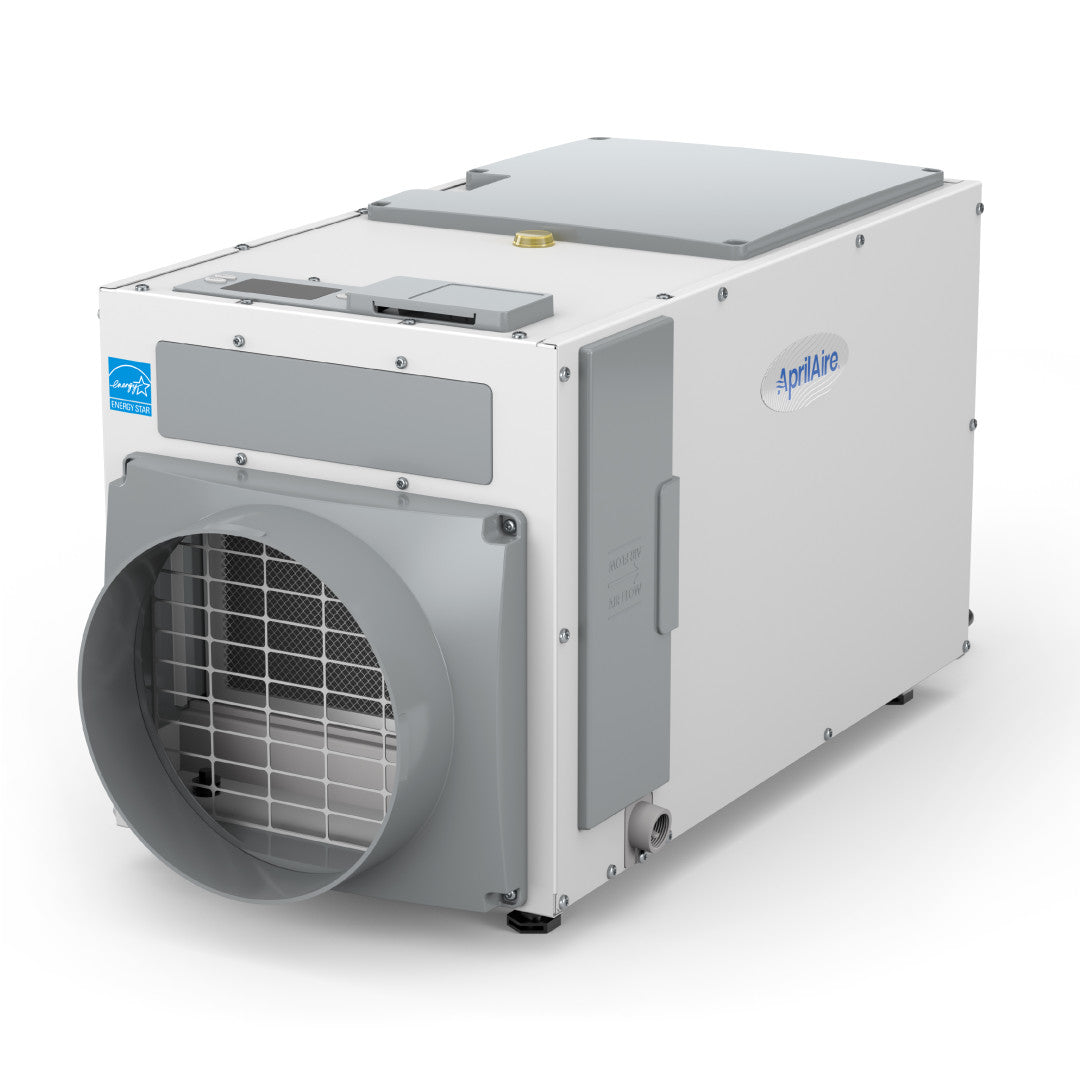
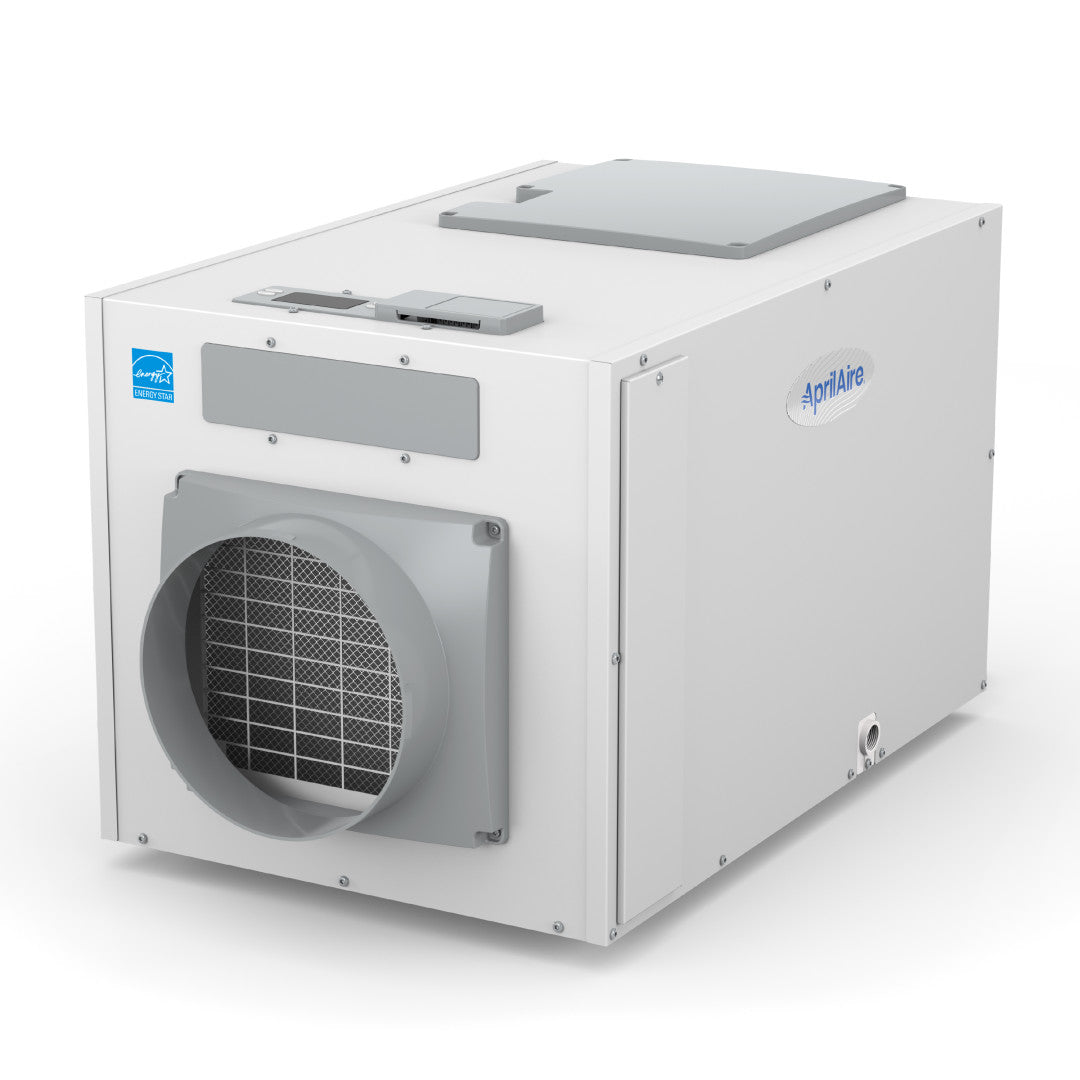
A low grain refrigerant (LGR) dehumidifier condenses moisture from air on refrigerated coils, with a pre-cooling stage that keeps extraction efficient even in the drier late stages of a job: the standard drying machine of water damage restoration. The catalog lists 41 models from brands including Phoenix, Aprilaire, Trotec, AlorAir, XPOWER and Friedrich.
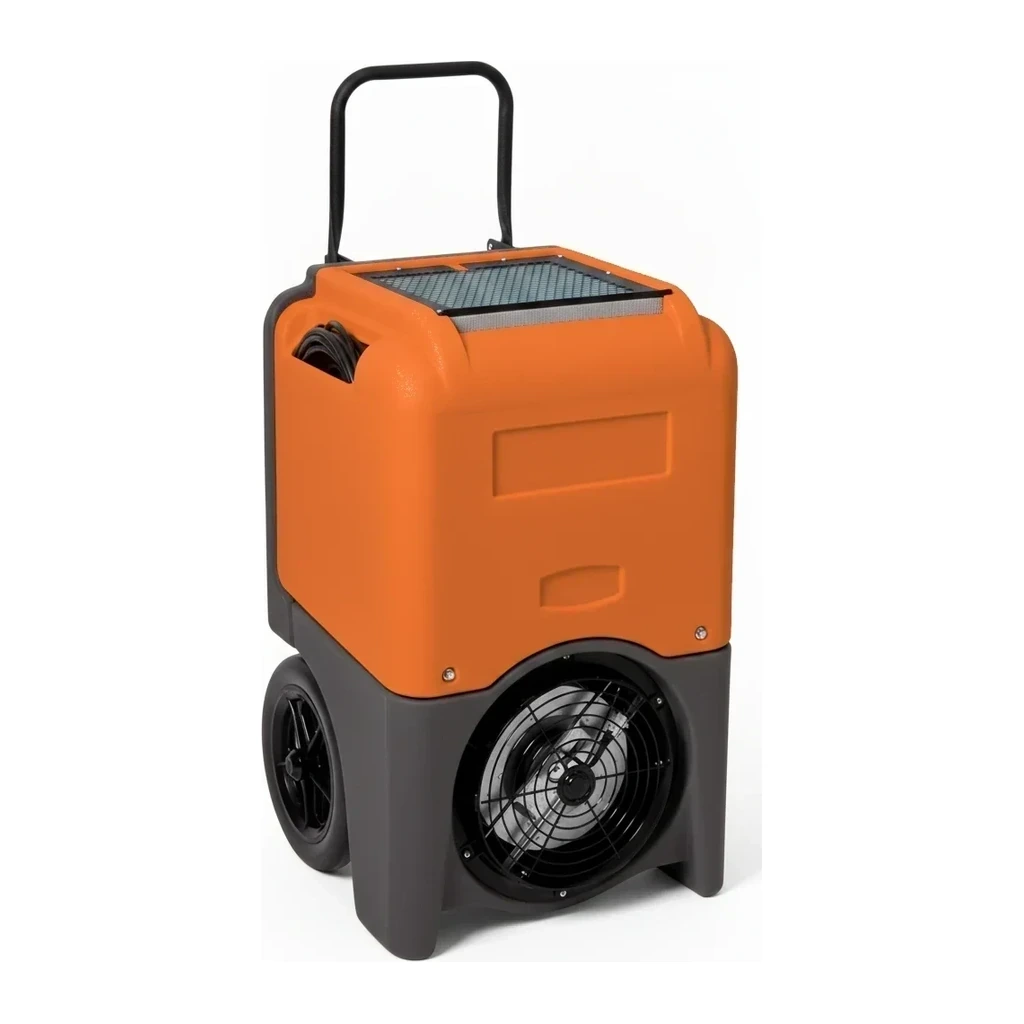
How it works
Process air is pre-cooled, typically by an air-to-air heat exchanger against the cold coil, before hitting the evaporator, pushing it further below dewpoint so more water condenses per pass than a conventional refrigerant unit manages. Collected water pumps out through a condensate line, and warm, dry air discharges back into the space. In a closed drying chamber with air movers, the LGR continuously harvests the moisture evaporated off wet materials until goals are met.
Types & variants
- Compact LGR units
- Small-footprint dryers for residential losses and tight spaces.
- Mid-size restoration LGRs
- The mainstream class balancing extraction and portability.
- Large-capacity LGRs
- High-extraction units for big losses and commercial floors.
- Ducted and crawlspace configurations
- Units set up to serve enclosed cavities and chambers.
Key specifications
| Specification | Typical range | What it means |
|---|---|---|
| Process airflow | 120 to 415 cfm across the catalog size classes; documented 170 to 476 cfm on listed models | Airflow through the coil drives how much air is dried per hour. |
| Water removal (AHAM) | Documented per model listing | Pints per day at standard conditions: the comparable extraction figure. |
| Operating range | Documented per model listing | LGR efficiency holds into drier air, but cold spaces still favor desiccants. |
| Condensate pump lift | Documented per model listing | Determines how far and high the unit can push collected water unattended. |
How the industry sizes it
LGR dehumidifiers are sized by process airflow and rated extraction against the chamber volume and moisture load; the catalog groups them into 120-235 and 235-415 cfm classes. Restoration practice calculates unit count from chamber volume and the applicable drying standard, then verifies with daily readings.
Applications
- Structural drying after floods and pipe losses
- Closed-chamber drying with air movers in residences and offices
- Crawlspace and basement moisture control
- Post-construction drying before flooring and finishes
- Humidity support during mold remediation
Safety & operation
- Electrical safety in wet structures comes first: circuits are verified isolated before equipment deploys.
- Condensate lines are routed to drains and checked; a failed pump quietly re-wets the space.
- Refrigerant circuits are serviced only by EPA Section 608 certified technicians.
- Units in occupied homes are placed and corded to avoid trip hazards.
Standards & certifications
- ANSI/IICRC · S500
- Water damage restoration standard governing dehumidifier sizing and drying verification.
- AHAM · DH-1
- Dehumidifier rating standard behind comparable pints-per-day figures.
- EPA · Section 608 (40 CFR Part 82)
- Refrigerant service certification.
Frequently asked
What does low grain mean?
How many units does a loss need?
LGR or desiccant on a given job?
Related equipment
Browse by manufacturer
Sources
Every specification is verified against the manufacturer's published data, with the source linked for reference.
All models
45 models · Every spec cited to source